
 Lina Irawan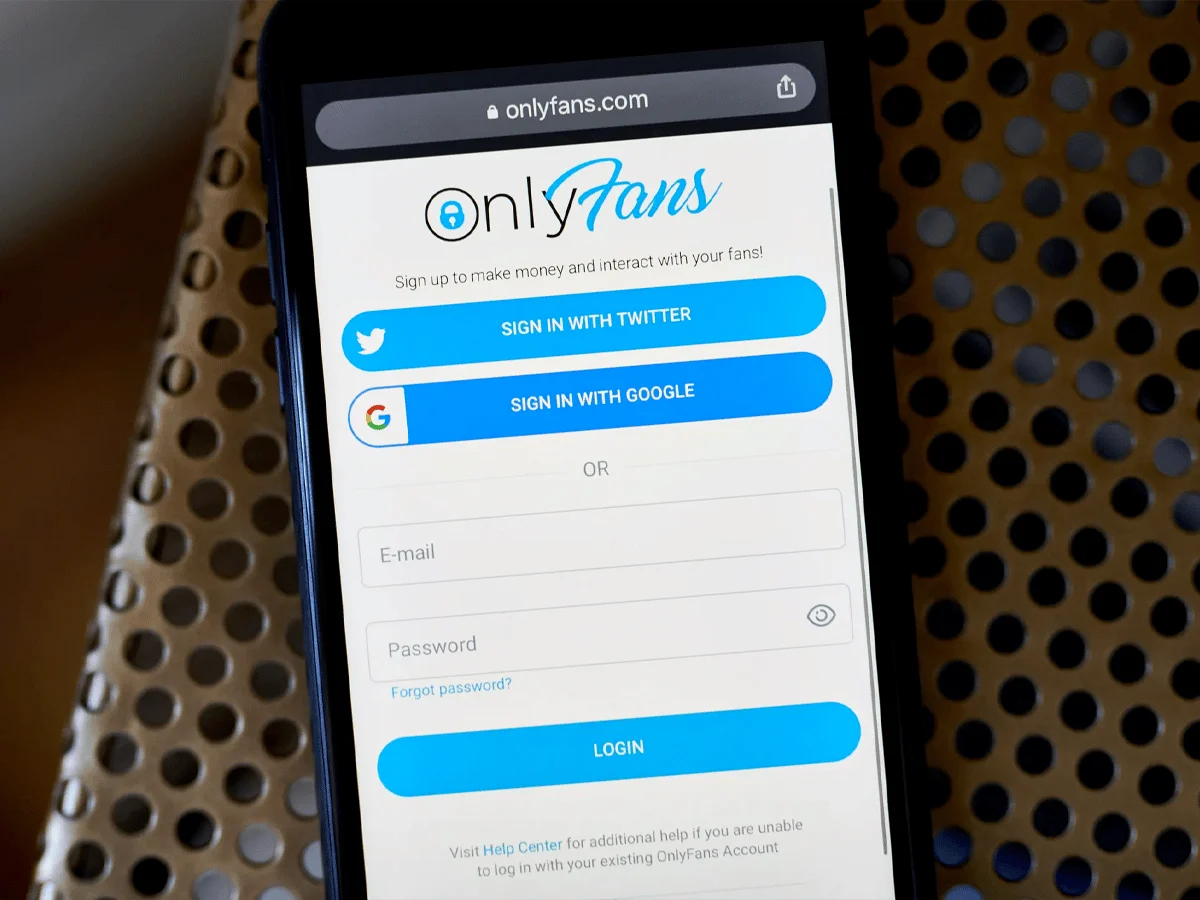
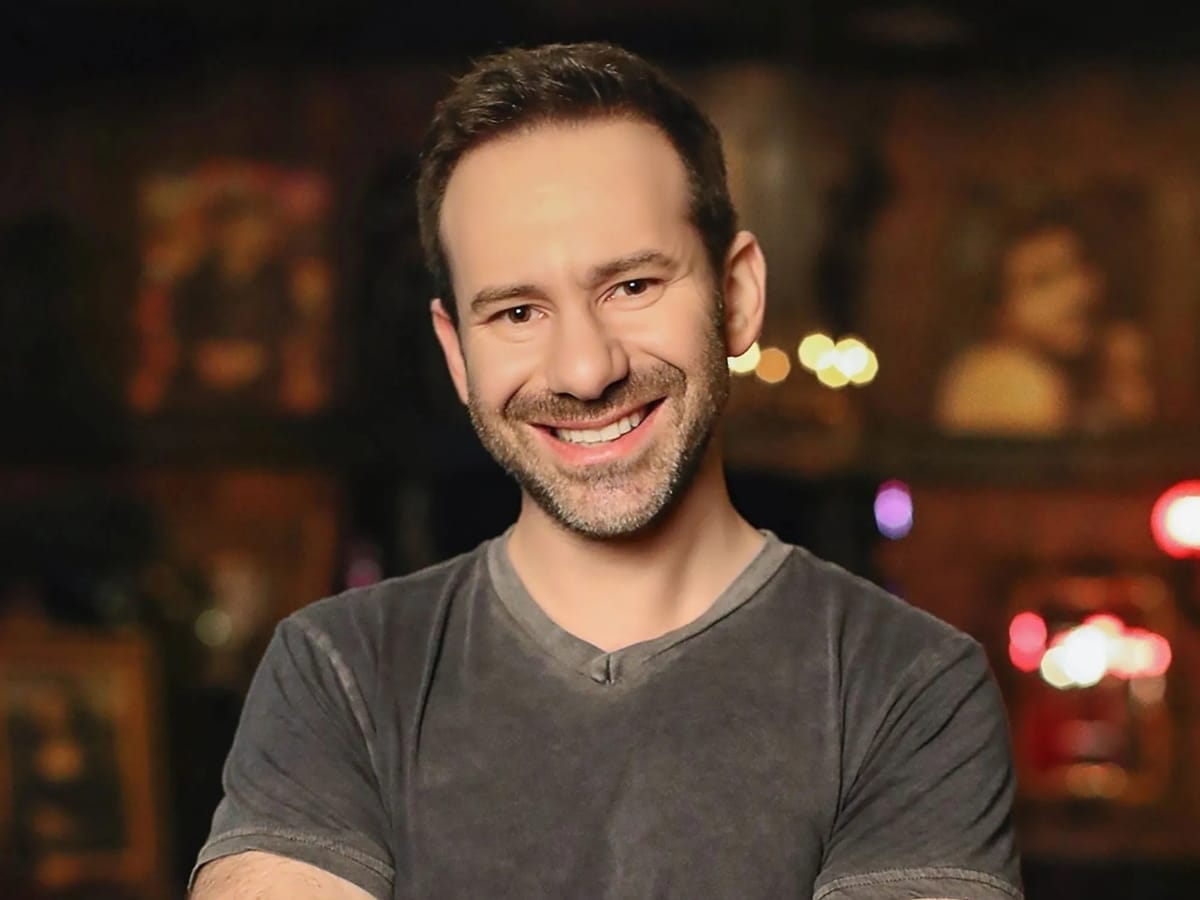
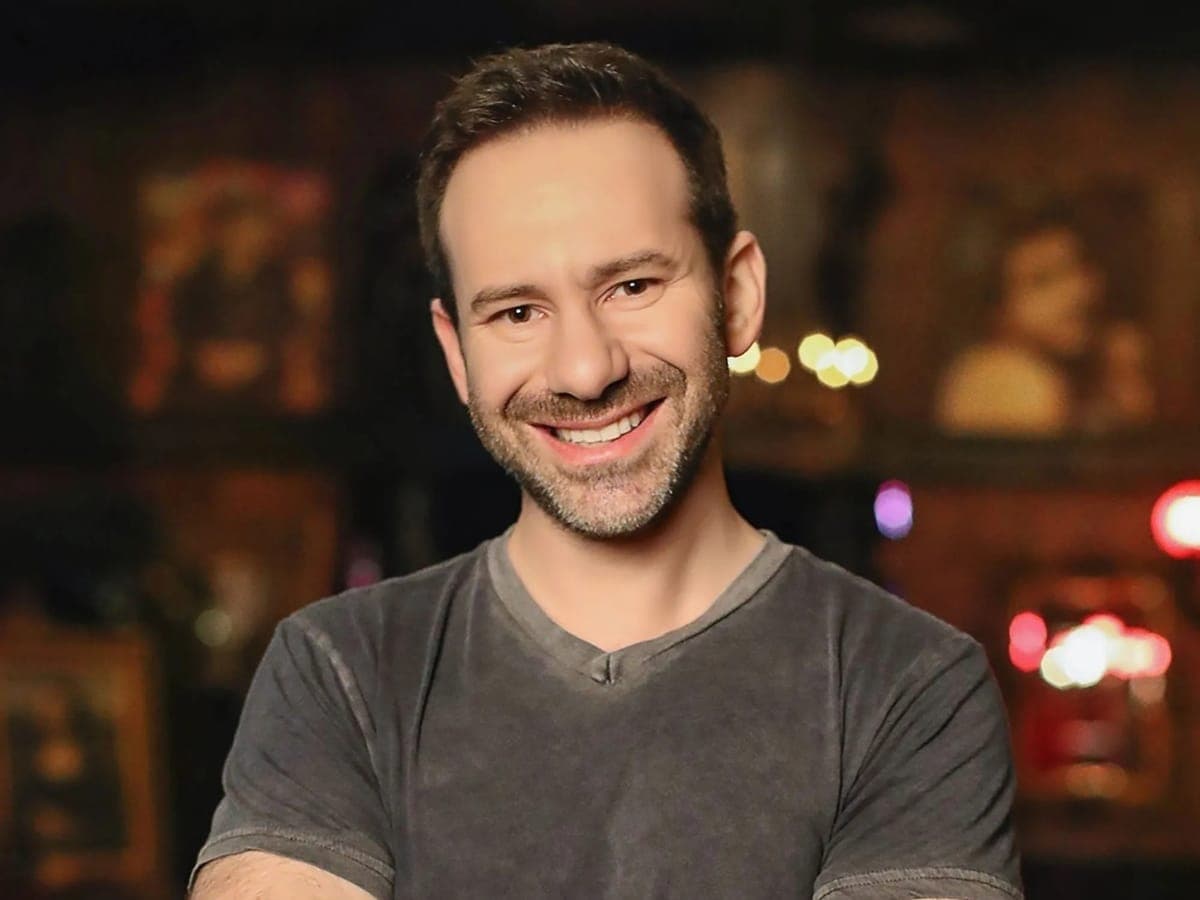
The technology and digital media sectors are mourning the loss of Leonid Radvinsky, the Ukrainian-American billionaire and majority owner of OnlyFans, who passed away this week at the age of 43. Radvinsky, a figure who remained largely enigmatic despite controlling one of the most culturally significant and financially successful digital platforms of the 21st century, succumbed to cancer following a private battle with the disease. His death marks the end of an era for the creator economy, a field he helped define through his strategic acquisition and scaling of OnlyFans over the past six years.
While the platform he helmed became a household name—frequently cited in popular culture and mainstream media—Radvinsky himself avoided the limelight. Unlike the flamboyant figures often associated with the adult entertainment and social media industries, Radvinsky operated with a degree of discretion that stood in stark contrast to the billions of dollars flowing through his company’s ecosystem. His passing was confirmed following a period of declining health, leaving behind a legacy that fundamentally altered how digital content is monetized and how creators interact with their audiences.
Early Life and the Foundations of a Digital Empire
Born in the Soviet Union in 1982, specifically in Odessa, Ukraine, Leonid Radvinsky immigrated to the United States with his family as a child, eventually settling in the Chicago area. His interest in the burgeoning world of the internet manifested early. By the time he was a teenager in the late 1990s, Radvinsky was already exploring the commercial potential of the web. This early exposure to the digital frontier would eventually lead him to Northwestern University, where he studied economics, providing him with the analytical framework to understand market dynamics and consumer behavior in the digital age.
Radvinsky’s entry into the adult entertainment industry was both early and prescient. In 2004, he launched MyFreeCams, a site that became a pioneer in the live-streaming space. At a time when the internet was still transitioning from static pages to interactive media, MyFreeCams allowed performers to interact with viewers in real-time, monetizing these interactions through a "token" system. This venture provided Radvinsky with the capital and the technical expertise necessary to manage high-traffic, payment-heavy platforms—skills that would prove indispensable when he later turned his attention to OnlyFans.
The Acquisition and Transformation of OnlyFans
OnlyFans was originally founded in 2016 by British entrepreneur Tim Stokely and his father, Guy Stokely. While the platform showed promise in its early years, it was Radvinsky’s intervention in 2018 that provided the catalyst for its global dominance. Recognizing the platform’s unique value proposition—a direct-to-consumer subscription model that bypassed traditional media gatekeepers—Radvinsky acquired the majority stake in Fenix International, the parent company of OnlyFans.
Under Radvinsky’s stewardship, the platform’s business model was refined to favor the creator. By implementing a consistent 80/20 revenue split—where creators retain 80 per cent of their earnings while the platform takes a 20 per cent commission to cover hosting, payment processing, and administrative costs—Radvinsky created an incentive structure that attracted millions of performers, artists, and influencers. This model was a radical departure from the traditional adult industry, where performers often saw only a fraction of the revenue generated by their work.
The Pandemic Surge and Financial Milestones
The true scale of Radvinsky’s impact became apparent during the global COVID-19 lockdowns of 2020 and 2021. As traditional entertainment venues closed and millions of people were confined to their homes, OnlyFans experienced an unprecedented surge in both creators and subscribers. The platform became a financial lifeline for many who had lost their primary sources of income, while simultaneously offering a form of personalized, digital connection for users.
Financial disclosures from Fenix International highlight the staggering growth achieved under Radvinsky’s ownership. By 2023, the platform reported annual revenues exceeding $1 billion, with pre-tax profits reaching hundreds of millions of dollars. At the time of his death, Radvinsky’s personal net worth was estimated by Forbes to be approximately $4.7 billion. This wealth was largely derived from the dividends paid out by OnlyFans, which reportedly distributed over $300 million to Radvinsky in a single fiscal year.
The platform’s statistics are equally formidable. OnlyFans currently hosts over 3 million creators and has a user base exceeding 240 million. Since its inception, the platform has paid out more than $15 billion to its creator community, solidifying its position as a cornerstone of the modern "creator economy."
Strategic Challenges and the 2021 Banking Crisis
Radvinsky’s tenure was not without significant challenges. Perhaps the most critical moment for the company occurred in August 2021, when OnlyFans announced it would ban "sexually explicit conduct" following pressure from banking partners and payment processors like Mastercard and Visa. The decision sparked an immediate backlash from the creator community, who argued that the platform was abandoning the very people who built its success.
Behind the scenes, Radvinsky was tasked with navigating a complex regulatory and financial landscape. The adult industry has historically faced "de-banking," where financial institutions refuse service due to perceived reputational risks or high chargeback rates. Within a week of the announcement, OnlyFans reversed its decision, stating it had secured the necessary assurances from its banking partners. This episode underscored the precarious nature of running a platform centered on adult content and highlighted Radvinsky’s role in balancing creator interests with institutional demands.

A Reclusive Billionaire and Philanthropic Efforts
Despite his immense wealth and the high profile of his business, Leonid Radvinsky remained a deeply private individual. He rarely granted interviews and maintained a minimal social media presence. Colleagues often described him as a "tech-first" leader, more interested in the architecture of the platform and the efficiency of its payment systems than in the celebrity status associated with his position.
In his later years, Radvinsky directed a portion of his fortune toward philanthropic causes. He was a significant donor to various charities, with a particular focus on his home country of Ukraine following the 2022 invasion. He also contributed to medical research, a commitment that became more personal following his own cancer diagnosis. One of his few public appearances in recent years was at a 2024 charity gala dedicated to cancer research, an event that, in hindsight, reflected his private struggle with the disease.
The Future of OnlyFans and the Creator Economy
The passing of Leonid Radvinsky raises questions regarding the future leadership and direction of OnlyFans. The company has already transitioned through various executive changes in recent years, with Amrapali "Ami" Gan serving as CEO until 2023, followed by the appointment of Keily Blair. These moves were seen as part of an effort to professionalize the company’s image and explore broader markets, including fitness, cooking, and music content.
Industry analysts suggest that the company is well-positioned to continue its operations despite the loss of its majority owner. The infrastructure Radvinsky helped build is robust, and the platform’s market dominance remains unchallenged by direct competitors. However, the absence of his strategic vision may influence future decisions regarding a potential Initial Public Offering (IPO) or a total sale of the company, topics that have been the subject of persistent speculation in financial circles.
Analysis of Implications
The death of Leonid Radvinsky is a significant event for the digital economy. He was one of the few individuals who successfully bridged the gap between the "taboo" world of adult entertainment and the legitimate world of high-finance technology. By applying Silicon Valley-style scaling to a marginalized industry, he forced a broader conversation about digital labor, content ownership, and the role of financial institutions in policing online expression.
His legacy is complicated by the nature of the platform he owned, yet his impact on the mechanics of the internet is undeniable. He proved that a subscription-based, creator-centric model could generate billions in revenue without relying on traditional advertising—a blueprint that has since been adopted by platforms ranging from Substack to Patreon.
As the tech world reflects on his life, Radvinsky will likely be remembered as the quiet architect of a digital revolution. He took a niche concept and turned it into a global powerhouse, changing the lives of millions of creators while remaining, by choice, a shadow in the background of his own success. His death at 43 is a reminder of the fragility of life, even for those who seem to have mastered the modern world’s most complex systems.




 Jia Lissa
 Yuyun Lusiyani
 Joko Widodo
 Eva Lovia

 Pevita Pearce