
 Ana Megawati
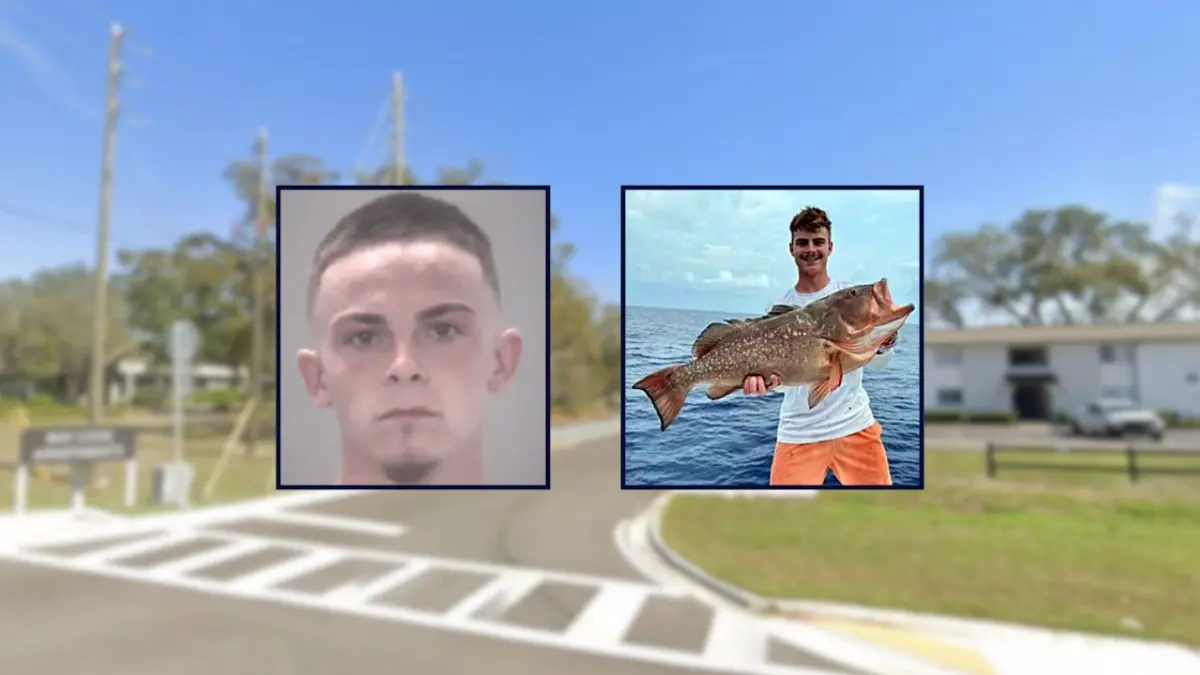
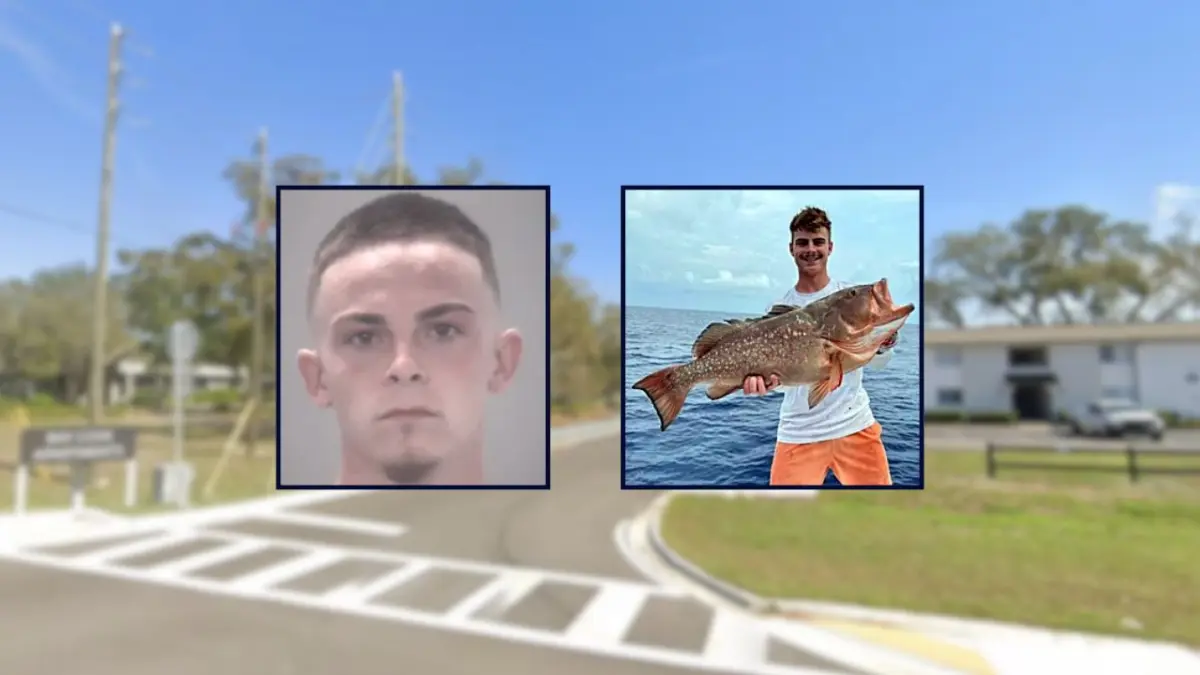
Gainesville, Florida – A disturbing incident in Alachua County has led to the arrest of a 32-year-old mother after her infant tested positive for methamphetamine exposure, allegedly due to formula prepared with contaminated water. Jalyn Brownworth was taken into custody on April 9, facing charges of child neglect with no bodily harm, following an investigation initiated by concerned medical professionals at a local hospital. The case highlights the critical intersection of substance abuse, child welfare, and public health, drawing attention to the severe vulnerabilities faced by infants exposed to illicit substances.
The sequence of events began when Brownworth sought medical attention for her baby, who was exhibiting concerning behavioral changes. Upon examination, medical staff at the unnamed local hospital in Gainesville, Florida, swiftly recognized signs indicative of exposure to an illicit substance. Acting on their suspicions, these healthcare professionals promptly alerted both the Department of Children and Families (DCF) and the Alachua County Sheriff’s Office, triggering a multi-agency investigation aimed at safeguarding the infant’s well-being.
Chronology of a Disturbing Discovery
The timeline of this distressing case unfolds as follows:
- Initial Concern: Jalyn Brownworth observed unusual and troubling behavioral shifts in her infant, prompting her to seek immediate medical help. The specific nature of these changes was not detailed by authorities but was significant enough to alarm a parent.
- Hospital Presentation: Brownworth transported her baby to a local hospital in Alachua County, presenting the child for medical evaluation.
- Medical Professionals’ Vigilance: During the examination, experienced medical staff detected symptoms consistent with drug exposure. Their training and diligence proved crucial in identifying the potential danger to the child.
- Inter-agency Alert: Following their assessment, medical personnel made the mandated report to the Department of Children and Families, a critical step in Florida’s child protective services protocol. Simultaneously, they informed the Alachua County Sheriff’s Office, initiating a criminal investigation.
- Confirmatory Testing: Subsequent medical tests performed on the infant confirmed the suspicions, revealing the presence of methamphetamine in the baby’s system. This positive test result provided concrete evidence of the drug exposure.
- Law Enforcement Investigation: Detectives from the Alachua County Sheriff’s Office commenced their inquiry. Through their investigation, a shocking detail emerged: the baby’s formula had allegedly been prepared using water that had previously been utilized to clean hypodermic needles. These needles, according to police, were associated with methamphetamine injection. This revelation provided a direct and deeply concerning mechanism for the infant’s exposure.
- Arrest and Charges: Based on the evidence gathered, Jalyn Brownworth was arrested on April 9 and formally charged with child neglect with no bodily harm.
- Legal Proceedings: Brownworth was subsequently booked into the Alachua County Jail, where she remains held on a $20,000 bond. Court records indicate that a protective order has been issued, prohibiting her from having contact with the baby upon her eventual release from custody, underscoring the immediate concern for the child’s safety. Her next court appearance date has not yet been publicly disclosed.
- Child’s Condition and Custody: Authorities reported that the infant is in stable condition and recovering. Details regarding the baby’s current custody arrangement have not been released, a standard practice in child protection cases to ensure privacy and safety.
The Perilous Impact of Methamphetamine Exposure on Infants
The medical implications of infant exposure to methamphetamine are profoundly severe and can lead to a cascade of health crises. Infants, with their undeveloped physiological systems, are particularly vulnerable to even minute quantities of such potent illicit substances. Methamphetamine is a powerful central nervous system stimulant, and its effects on an infant can be devastating.
- Neurological Damage: Exposure can lead to acute neurological symptoms such as tremors, seizures, exaggerated startle reflex, and extreme irritability. Long-term, it can contribute to developmental delays, cognitive impairments, and behavioral problems that may persist throughout childhood and adolescence.
- Cardiovascular and Respiratory Distress: Methamphetamine can cause rapid heart rate (tachycardia), arrhythmias, and elevated blood pressure, placing immense strain on an infant’s tiny heart. Respiratory issues, including rapid breathing and difficulty breathing, can also occur.
- Feeding Difficulties and Growth Impairment: Infants exposed to meth often exhibit poor feeding, nausea, and vomiting, leading to inadequate weight gain and growth faltering. This can exacerbate existing health problems and hinder overall development.
- Withdrawal Symptoms: If the exposure is significant or prolonged, infants can experience withdrawal symptoms similar to those observed in opioid-exposed newborns, including irritability, high-pitched crying, muscle rigidity, and sleep disturbances.
- Route of Exposure: Ingesting methamphetamine, as is suspected in this case through contaminated formula, is particularly dangerous. Oral ingestion allows for systemic absorption of the drug, impacting multiple organ systems directly. The water, having been used to clean needles, would contain residual methamphetamine, which, when mixed into formula, would be directly consumed by the infant, bypassing many natural protective barriers. This method of exposure is unequivocally a serious act of neglect, demonstrating a profound disregard for the child’s health and safety.
Legal Framework: Child Neglect in Florida
Florida Statute 827.03 defines child neglect broadly, encompassing situations where a child’s parent, legal guardian, or caregiver "deprives a child of, or allows a child to be deprived of, necessary food, clothing, shelter, or medical treatment or allows a child to be injured, abused, or exploited." The statute further clarifies that "neglect" can occur when a child is "placed in a situation that the person knew or should have known would be reasonably likely to result in death, great bodily harm, permanent disability, or permanent disfigurement."
In Brownworth’s case, she has been charged with child neglect with no bodily harm. While the "no bodily harm" designation might seem to diminish the severity, it does not imply the child was unharmed. Rather, it indicates that the injuries did not rise to the level of "great bodily harm, permanent disability, or permanent disfigurement" as defined by law. Nevertheless, child neglect is a serious felony in Florida, carrying significant penalties.

- Penalties for Child Neglect: Depending on the specifics and the level of harm, child neglect can range from a third-degree felony (punishable by up to 5 years in prison and a $5,000 fine) to a first-degree felony (punishable by up to 30 years in prison and a $10,000 fine) if it results in great bodily harm, permanent disability, or permanent disfigurement. Even without the most severe physical outcomes, the legal ramifications are substantial, often including mandatory parenting classes, drug treatment, and long-term supervision.
- Department of Children and Families (DCF) Intervention: The role of the DCF is paramount in such cases. Once a report of suspected child abuse or neglect is received, DCF initiates an investigation to assess the child’s safety. If the child is deemed unsafe in the home, they can be temporarily removed and placed with relatives or in foster care. The agency’s primary goal is always the safety and well-being of the child, and they work towards either safe family reunification after appropriate interventions (such as drug treatment, parenting classes, and psychological evaluations) or, if reunification is not possible, towards alternative permanent placement, which may include termination of parental rights.
Broader Context: Substance Abuse and Child Welfare in Florida
This incident is not an isolated case but rather a tragic manifestation of a broader public health crisis: parental substance abuse and its devastating impact on children. Florida, like many states, has grappled with the pervasive effects of the opioid epidemic and, increasingly, the resurgence of methamphetamine use.
- Florida’s Substance Abuse Landscape: According to data from the Florida Department of Health and other state agencies, substance use disorders remain a significant challenge. Methamphetamine, in particular, has seen a resurgence in recent years, often alongside opioids. The availability and relatively low cost of meth make it accessible, and its highly addictive nature can quickly spiral into severe dependence. This creates an environment where parents struggling with addiction may prioritize drug use over the safety and needs of their children.
- Impact on Child Welfare System: Cases involving parental substance abuse place immense strain on Florida’s child welfare system. DCF caseloads are frequently burdened by the complexities of addiction, which often co-occurs with other issues like domestic violence, poverty, and mental health challenges. Children in these environments are at a significantly higher risk for neglect, abuse, and long-term adverse health and developmental outcomes. In 2022, according to state reports, substance abuse was a contributing factor in a substantial percentage of child removals in Florida.
- Prevention and Intervention Efforts: State and local agencies, alongside non-profit organizations, continuously work to address these issues through prevention programs, accessible treatment options for substance use disorders, and early intervention services for at-risk families. However, resources are often stretched thin, and the demand for services continues to outpace availability. Public awareness campaigns aim to educate communities about the signs of child neglect and the importance of reporting concerns.
Official Responses and Community Implications
The Alachua County Sheriff’s Office, in announcing Brownworth’s arrest, underscored the severity of the charges and their commitment to protecting the most vulnerable members of the community. Law enforcement agencies frequently emphasize that their primary objective in such cases is to remove children from dangerous environments and hold responsible parties accountable.
The medical community’s swift action in this case highlights their critical role as frontline defenders of child safety. Doctors, nurses, and other healthcare providers are mandated reporters, ethically and legally bound to report suspected child abuse or neglect. Their vigilance often serves as the crucial first step in intervention for children who cannot advocate for themselves.
From the perspective of child welfare advocates, this case serves as a stark reminder of the urgent need for comprehensive support systems for families struggling with addiction. While accountability for neglect is necessary, there is also a recognized need for accessible and effective drug treatment programs, parenting support, and mental health services to prevent such tragedies from occurring. Community leaders and public health officials continually stress the importance of a multi-faceted approach that combines law enforcement with robust social services.
Looking Ahead: Legal Proceedings and the Child’s Future
As Jalyn Brownworth awaits her next court date, the legal process will unfold, ensuring due process while simultaneously prioritizing the welfare of the child. Brownworth will have the opportunity to present her defense, likely through legal representation. The outcome of her case could significantly impact her future and her ability to regain custody of her child.
For the infant, the focus now shifts to recovery and long-term well-being. Medical professionals will monitor the child’s health closely, addressing any lingering effects of the methamphetamine exposure. Concurrently, the Department of Children and Families will work to determine the safest and most stable environment for the child. This could involve placement with suitable relatives, long-term foster care, or, if conditions allow and after extensive intervention, potential reunification with a parent who has demonstrated sustained sobriety and a safe living environment. The path forward for children in such circumstances is often long and complex, requiring dedicated support from medical, social, and educational services to mitigate the profound impact of early-life trauma and exposure. This tragic incident in Alachua County serves as a somber reminder of the hidden struggles that impact the most innocent among us and the collective responsibility to protect them.

 Yuyun Lusiyani
 Joko Widodo
 Jia Lissa
 Pevita Pearce
 admin
admin
