
 Pevita Pearce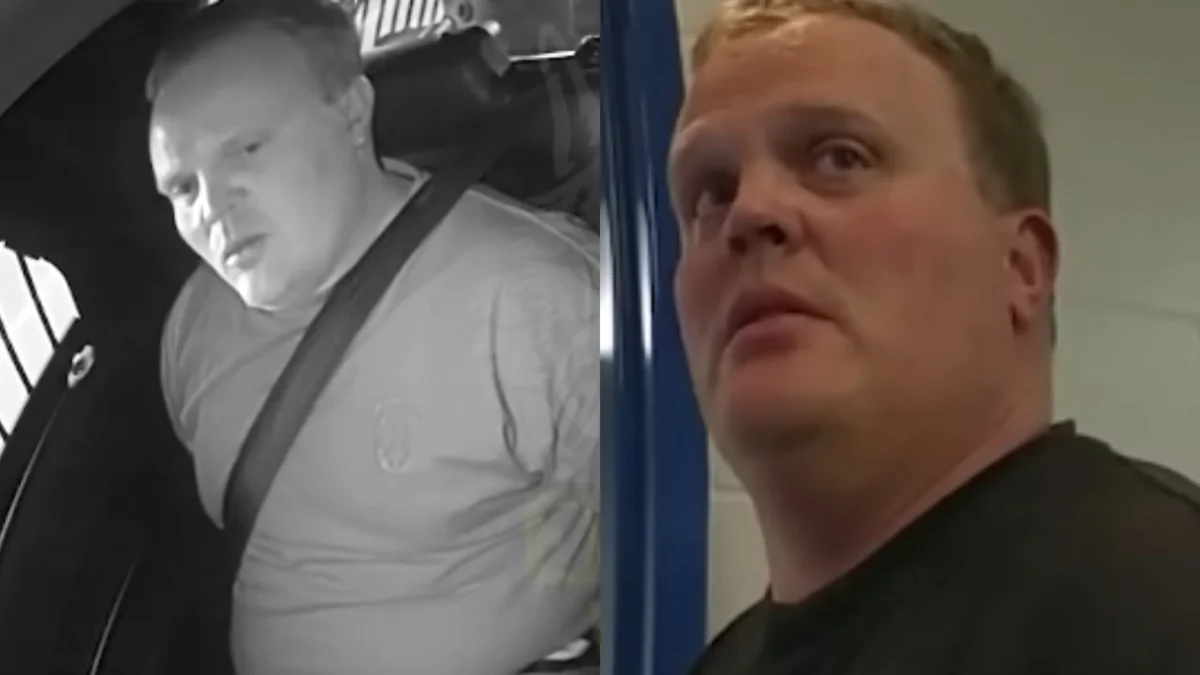
The legal landscape surrounding the use of artificial intelligence in law enforcement has reached a critical juncture in Nevada as Jason Killinger, a long-haul truck driver, expands his legal action against the City of Reno. This development follows a high-profile incident in September 2023, where Killinger was wrongfully detained and arrested at the Peppermill Casino after being misidentified by the venue’s facial recognition software. The case, which has recently gained significant momentum following a judicial ruling in early April, raises profound questions regarding the reliability of algorithmic surveillance and the training protocols mandated for police officers who rely on such technology to make custodial arrests.
The incident began as an ordinary visit to the Peppermill Casino, where Killinger was spending time during a break from his professional driving duties. Unbeknownst to him, the casino’s internal security system utilized advanced facial recognition software designed to flag individuals who had been previously barred from the premises. The AI system triggered an alert, claiming a "100% match" between Killinger and a man named Michael Ellis, who had been permanently banned from the Peppermill for sleeping on the property. Relying on this digital identification, casino security contacted the Reno Police Department.
The September 2023 Incident and Bodycam Evidence
When Reno Police Officer R. Jager arrived on the scene, the situation escalated rapidly. Despite Killinger’s immediate and repeated assertions of innocence, he was taken into custody. Bodycam footage released during the discovery phase of the litigation captures the distressing moments of the arrest. In the video, Killinger can be seen expressing confusion and frustration, maintaining that he was not the individual the police were looking for.
Court filings detail a harrowing experience for the truck driver. Following his arrest, Killinger spent 11 hours in police custody, four of which were spent in handcuffs. The physical toll of the restraint led to claims of injury, which now form a central part of his request for compensatory damages. The psychological impact of being processed into the criminal justice system for a crime he did not commit, based solely on a computer’s erroneous calculation, has been a focal point of his legal team’s arguments.
While the Peppermill Casino eventually reached a private settlement with Killinger, the litigation against the public entities involved has intensified. Initially, the lawsuit targeted Officer Jager individually. However, on April 2, Chief U.S. District Judge Miranda Du issued a pivotal ruling allowing Killinger to add the City of Reno as a defendant in the case. This move shifts the focus from an individual officer’s error to a systemic failure within the city’s law enforcement infrastructure.
Allegations of Systemic Failure and Lack of Training
The amended lawsuit introduces a grave allegation against the Reno Police Department: a systemic lack of training regarding the limitations and proper use of facial recognition technology. The filing suggests that this is not an isolated incident but rather a symptom of a broader policy failure. According to the documents, the failure to implement rigorous verification protocols for AI-generated leads has potentially led to "thousands of unlawful arrests" within the jurisdiction.
The lawsuit posits that the City of Reno has allowed its officers to treat AI "matches" as definitive proof of identity rather than as mere investigative leads that require human corroboration. "Having a face that resembles the face of a criminal, without more, does not make anyone guilty of anything," the filing states. This argument taps into a growing national debate over the Fourth Amendment implications of algorithmic policing, which protects citizens against unreasonable searches and seizures.
Legal experts suggest that the "100% match" claim provided by the casino’s software is particularly problematic. In the realm of biometric science, many experts argue that a 100% certainty is virtually impossible and often reflects a "black box" algorithm that overstates its own accuracy. When law enforcement accepts these figures without skepticism, the risk of "automation bias"—the tendency of humans to favor suggestions from automated decision-making systems—becomes a direct threat to civil liberties.
The Technological Context and Industry Standards
The misidentification of Jason Killinger occurs against a backdrop of increasing scrutiny regarding facial recognition technology (FRT). Research by organizations such as the National Institute of Standards and Technology (NIST) has consistently shown that FRT performance varies significantly depending on the demographic of the subject. While the technology has improved, it remains prone to error, particularly when dealing with varying lighting conditions, angles, and lower-quality reference images.

In the casino industry, facial recognition is frequently used for "advantage player" detection, self-exclusion list enforcement, and general security. However, the integration between private security systems and public law enforcement is often governed by informal arrangements rather than strict legal frameworks. The Killinger case highlights the danger of this integration when police officers act as the enforcement arm for private AI systems without conducting an independent verification of the facts.
The lawsuit seeks not only punitive and compensatory damages for Killinger’s physical and emotional distress but also a demand for a jury trial. The goal, according to Killinger’s counsel, is to hold the city accountable for what they describe as a "reckless disregard" for the constitutional rights of visitors and residents alike. By seeking attorney’s fees and punitive damages, the suit aims to create a financial incentive for the city to overhaul its training programs.
Broader Implications for Law Enforcement and Public Safety
The Reno Police Department has maintained a stance of non-commentary during the active litigation. A spokesperson for the department told the Reno Gazette-Journal, "We will not be providing any comment at this time due to the ongoing litigation." This silence leaves many questions unanswered regarding the current status of AI training within the force and whether any policy changes have been implemented since the 2023 incident.
The implications of this case extend far beyond the borders of Nevada. Across the United States, several high-profile cases of AI-driven wrongful arrests have made headlines. The article mentions the case of 50-year-old Angela Lipps, who was incarcerated for six months in North Dakota for a bank fraud crime that occurred 1,000 miles away in Tennessee, due to a similar AI error. Other notable cases include Robert Williams in Detroit and Nijeer Parks in New Jersey, both of whom were wrongfully arrested due to facial recognition mismatches.
These incidents have led several cities, including San Francisco and Boston, to implement bans or strict moratoriums on the use of facial recognition by municipal agencies. The Killinger lawsuit suggests that Reno may become a focal point for similar legislative or judicial restrictions if it cannot prove that its officers are equipped to handle the nuances of biometric data.
The Path Forward and Judicial Oversight
As the case moves toward a potential jury trial, the discovery process is expected to reveal more about the specific software used by the Peppermill Casino and the nature of the communication between the casino’s security team and the Reno Police Department. Judge Miranda Du’s decision to include the City of Reno as a defendant signifies that the court sees merit in investigating the institutional responsibilities of the municipality.
The lawsuit warns that as long as the current protocols remain in place, every visitor to Reno is at a heightened risk of false arrest. For a city that relies heavily on tourism and its reputation as a safe, welcoming destination for gamblers and travelers, the stakes of this litigation are high. The outcome could set a legal precedent in the Ninth Circuit regarding the level of corroborating evidence required before an AI match can justify a custodial arrest.
For Jason Killinger, the legal battle is a quest for personal vindication and a means to ensure that no other individual has to endure the indignity of being "processed" because of a computer error. His experience as a long-haul trucker—a profession that requires a clean record and high levels of personal responsibility—adds weight to his claim of damages, as a wrongful arrest record can have devastating effects on commercial licensing and employment opportunities.
The case continues to serve as a cautionary tale for the rapid adoption of "black box" technologies in public safety. As AI becomes more integrated into daily life, the Killinger v. City of Reno case will likely be cited as a foundational example of why human oversight and rigorous training are not just best practices, but constitutional necessities. No date has yet been set for the jury trial, but the legal community and civil rights advocates nationwide are watching the proceedings with intense interest.




 Yuyun Lusiyani
 Joko Widodo
 Eva Lovia
 admin
admin
 Lina Irawan