
 Lina Irawan
The annual Watches & Wonders exhibition in Geneva has long served as the epicenter for the horological world’s most significant announcements, and the 2026 edition has proven to be a watershed moment for Rolex. In a move that has sent shockwaves through the global collector community, the Swiss manufacture officially confirmed the discontinuation of several of its most high-profile models, most notably the GMT-Master II "Pepsi" in both stainless steel (Ref. 126710BLRO) and white gold (Ref. 126719BLRO). This strategic culling of the catalogue comes as Rolex prepares for the centenary of the Oyster case, signaling a broader shift in production priorities and aesthetic direction for the brand as it enters its second century of innovation.
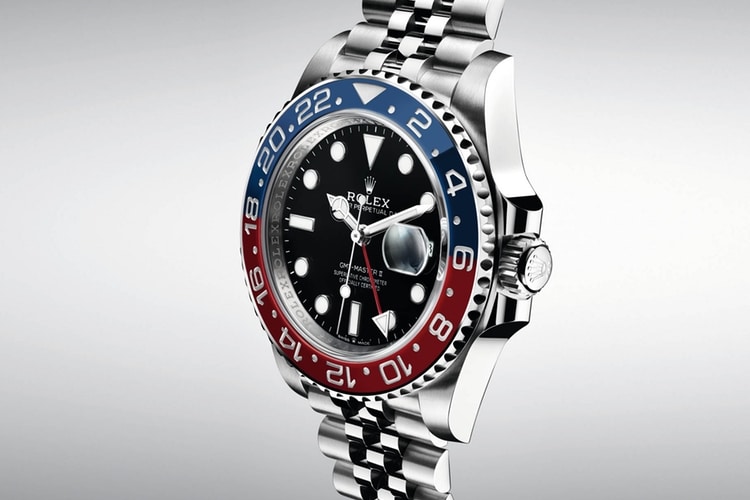
The End of the Ceramic Pepsi Era
For years, the GMT-Master II Ref. 126710BLRO, affectionately known as the "Pepsi" due to its iconic red and blue bezel, has been the subject of intense discontinuation rumors. Since its reintroduction in Oystersteel in 2018, the model has been one of the most difficult watches to acquire at retail, often commanding premiums of 100% to 200% on the secondary market. The primary driver behind its removal from the catalogue is widely understood to be the immense technical difficulty associated with producing the two-tone Cerachrom bezel.

The manufacturing process for the red and blue ceramic insert is notoriously complex. Unlike other color combinations, such as the black and blue "Batgirl" or the green and black "Sprite," the red ceramic base requires a precise chemical transformation to achieve the deep blue hue on the upper half of the bezel without compromising the structural integrity or color purity of the red half. Industry analysts have long noted that the "failure rate" for these bezel inserts was significantly higher than for other models, leading to production bottlenecks. By removing the Pepsi from the lineup, Rolex effectively streamlines its manufacturing pipeline, focusing resources on more efficient Cerachrom variants.
The discontinuation also extends to the 18 ct white gold version (Ref. 126719BLRO), including the highly coveted meteorite dial variant. This marks a significant moment in the history of the GMT-Master II, as the red and blue colorway has been a staple of the collection since its inception in 1954.
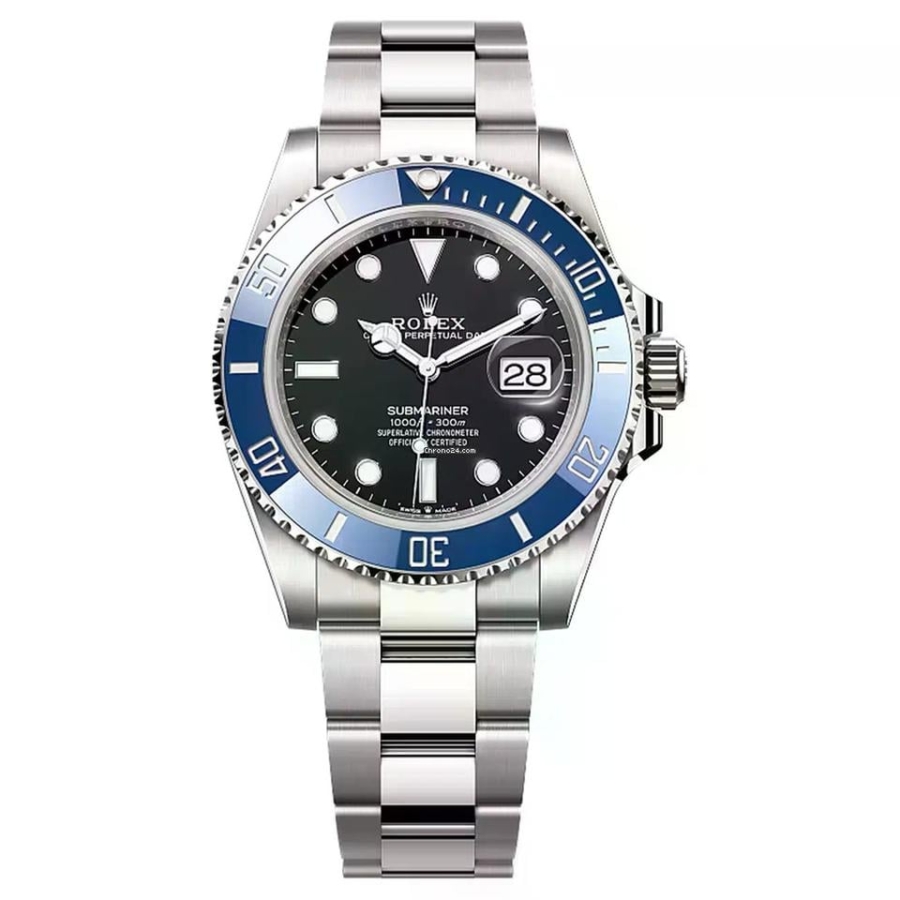
The Retirement of the Submariner "Cookie Monster"
Another major casualty of the 2026 realignment is the Submariner Date Ref. 126619LB, known to enthusiasts as the "Cookie Monster." Characterized by its 18 ct white gold construction and striking blue Cerachrom bezel paired with a black dial, this model occupied a unique space in the professional diver’s category. While the stainless steel Submariners remain the bedrock of the brand’s tool-watch identity, the "Cookie Monster" represented a "stealth wealth" option for collectors who desired the weight and prestige of precious metal without the overt flash of yellow gold.

The removal of the 126619LB is interpreted by market experts as a clearing of the path for a new generation of precious metal Submariners. With 2026 serving as a prelude to several major anniversaries, Rolex appears to be resetting its professional watch tiers, potentially making room for new complications or materials that align with the 100th anniversary of the Oyster.
Chronology of Recent Rolex Catalogue Shifts
The 2026 discontinuations are part of a multi-year strategy to modernize the brand’s offerings. To understand the current landscape, one must look at the timeline of departures over the last several years:
- 2023: Rolex discontinued the Milgauss (Ref. 116400GV), ending the brand’s dedicated anti-magnetic tool watch line. The Cellini collection was also phased out to make way for the 1908.
- 2024: The Yacht-Master II in certain configurations began to see reduced production, and the "Le Mans" Daytona (Ref. 126529LN) saw an incredibly short production run before being retired.
- 2025: Several Oyster Perpetual "Stella-inspired" dials were removed, signaling the end of the high-vibrancy trend that began in 2020.
- 2026: The GMT-Master II Pepsi, the White Gold Submariner "Cookie Monster," the "Azzurro" Datejust 41, and the "Celebration" (Bubbles) Oyster Perpetual are all removed from the official catalogue.
The Exit of the "Celebration" Dial and the "Azzurro" Datejust
In 2023, Rolex surprised the market with the "Celebration" dial Oyster Perpetual, featuring a playful "bubble" motif that integrated all the colors of the 2020 lacquer dial release. As of April 2026, this novelty has reached the end of its three-year production cycle. Rolex has historically used such "novelty" dials to inject temporary excitement into its entry-level collections, and the discontinuation of the 124300 and 126000 "Bubbles" variants confirms that these designs were never intended to be permanent fixtures.

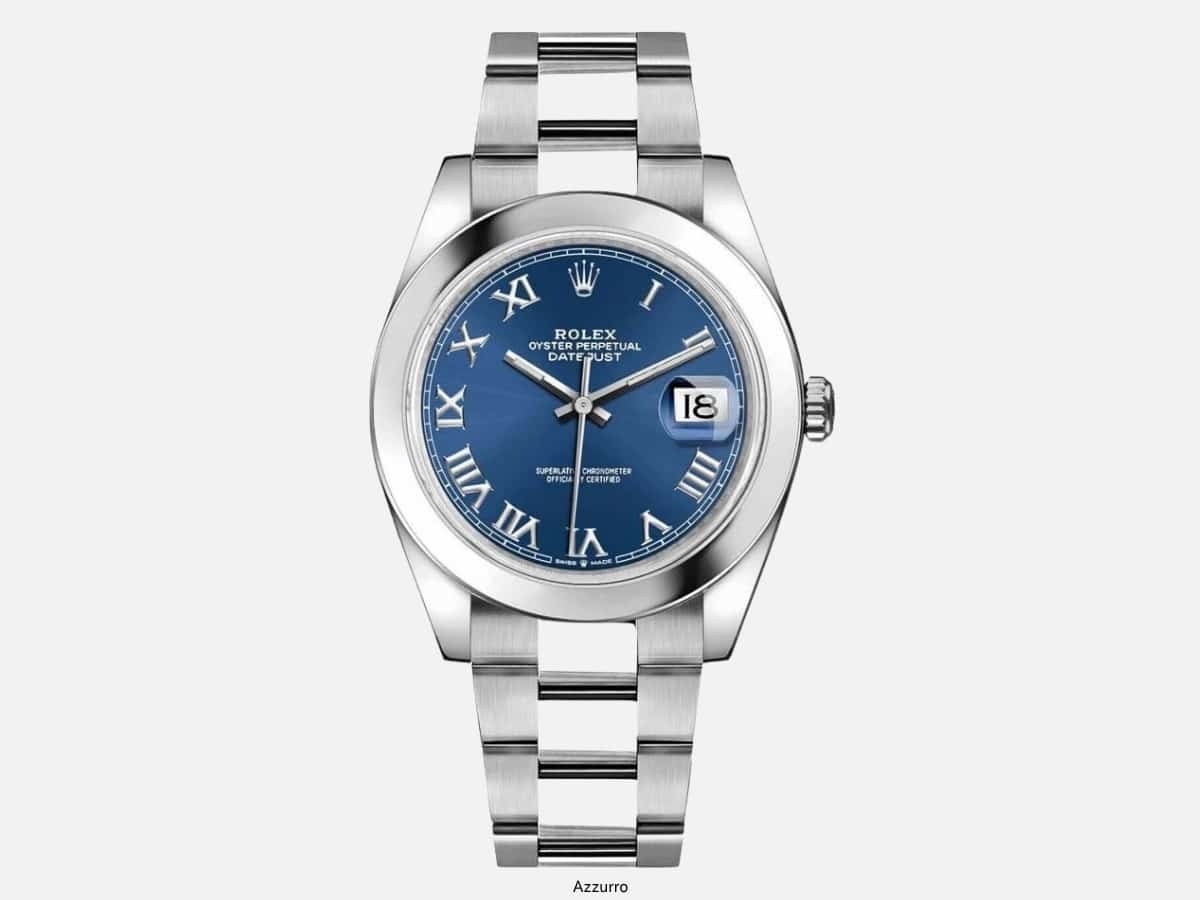
Similarly, the Datejust 41 "Azzurro" (Ref. 126300 / 126334) has been retired. This specific shade of blue—brighter and more saturated than the standard sunray blue—was a favorite for those seeking a more contemporary look for the classic dress-sport hybrid. It has been replaced by a new "100 Year" slate dial and a green ombré variant, reflecting a shift toward more muted, sophisticated palettes for the Datejust line.
Shift to "Off-Catalogue" for Stone Dials
The 2026 update also clarifies the status of the Day-Date "Stone Dial" variants (Ref. 128238, 128239, etc.). While these watches, featuring turquoise, aventurine, and carnelian dials, are no longer appearing in the standard consumer catalogue, they have not been entirely discontinued. Instead, Rolex has moved these references to "Off-Catalogue" status.
This means these pieces are now reserved for high-value clients and boutique-only applications. By moving natural stone dials—which are inherently unique due to the variations in the minerals—to an off-catalogue tier, Rolex enhances the exclusivity of these pieces and reduces the pressure to meet the mass-market demand that the standard catalogue attracts.
Market Implications and Financial Impact
The immediate reaction from the secondary market has been a sharp uptick in asking prices for the discontinued models. Within hours of the Watches & Wonders announcement, listing prices for the GMT-Master II 126710BLRO on platforms such as Chrono24 and various gray-market forums saw an immediate 15% to 25% "speculation premium."
Financial analysts who track luxury goods suggest that the discontinuation of the Pepsi will create a permanent supply-demand vacuum. Unlike the "Hulk" Submariner, which was replaced by the "Starbucks" (green bezel, black dial), there is currently no direct red-and-blue alternative in the Rolex lineup. This makes the existing 126710BLRO and 126719BLRO models "finite assets," which typically leads to long-term price appreciation.
Authorized Dealers (ADs) have reported a surge in inquiries from customers who were previously on waitlists for these models. With the references now officially "out of production," these waitlists are effectively void, forcing many hopeful owners to turn to the pre-owned market.
Official Positioning and Broader Industry Context
While Rolex famously maintains a policy of not commenting on production volumes or the specific reasons for discontinuations, the move is consistent with the brand’s "evolution, not revolution" philosophy. By removing high-maintenance or aging designs, Rolex ensures that its manufacturing facilities remain optimized for the next generation of calibers and case designs.
The 2026 catalogue realignment also serves to elevate the brand’s prestige. By retiring the Yacht-Master II (Ref. 116680) in steel, Rolex is pivoting the Yacht-Master collection toward more luxurious, design-led configurations, such as the titanium Ref. 226627 and the various Oysterflex gold variants. This reflects a broader industry trend where "tool watches" are increasingly treated as "luxury icons," moving away from purely functional origins toward high-jewelry and precious metal status.
The Road to the 2026 Centenary
As Rolex prepares to celebrate 100 years of the Oyster—the world’s first waterproof wristwatch case—the 2026 discontinuations represent a necessary pruning of the tree. The removal of icons like the Pepsi and the Cookie Monster creates the "white space" necessary for the brand to introduce commemorative models that will likely define the next decade of Rolex design.
For collectors, the 2026 "hit list" serves as a reminder of the volatility of the Rolex catalogue. What is a "standard" model today can become a "grail" watch tomorrow. As the curtains close on these specific references, the focus now shifts to how Rolex will fill these vacancies in the coming years, particularly as the 100th-anniversary celebrations begin to unfold in late 2026 and throughout 2027.


 Yuyun Lusiyani
 Joko Widodo
 Eva Lovia
 Pevita Pearce
 admin
admin