
 Lina Irawan
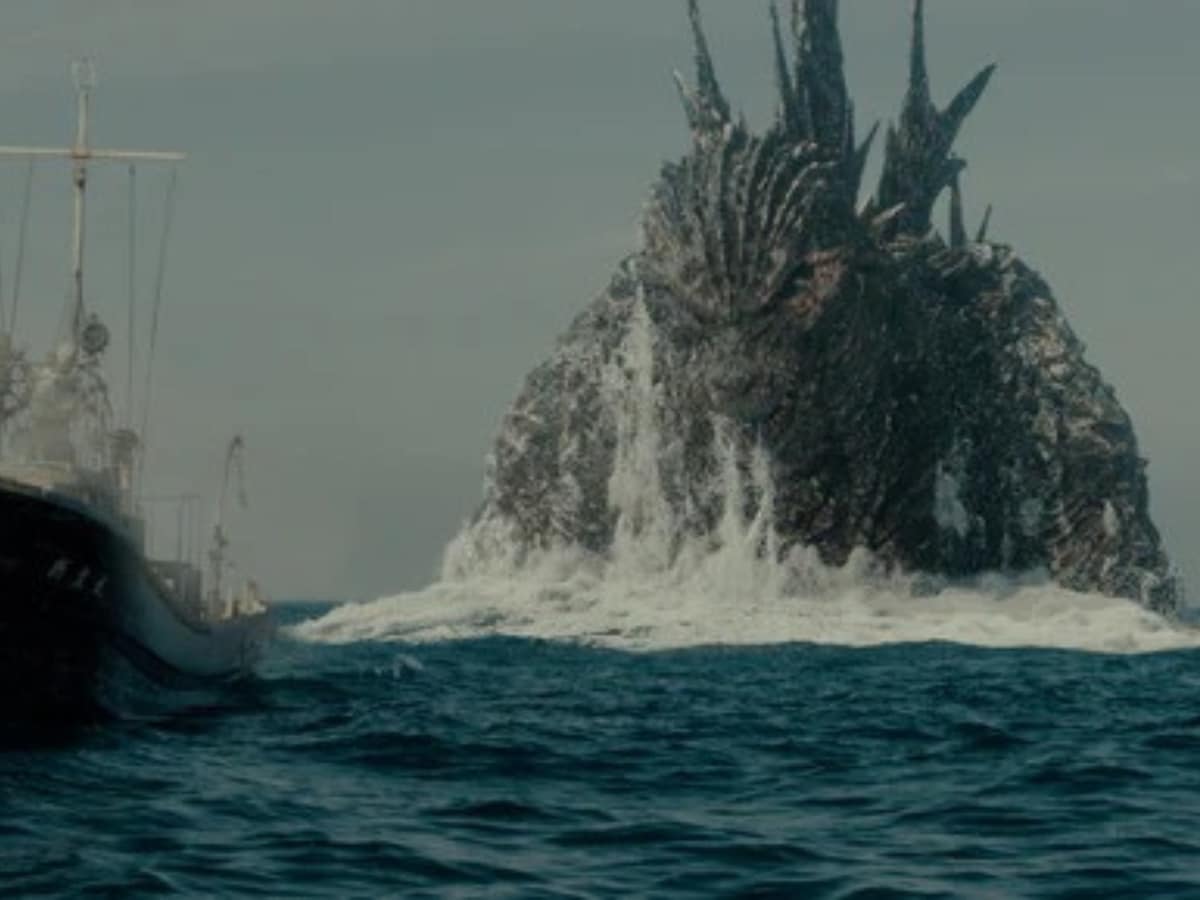
Toho Co., Ltd. has officially unveiled the first teaser trailer for Godzilla Minus Zero, the highly anticipated direct sequel to the 2023 Academy Award-winning film Godzilla Minus One. The announcement marks a significant milestone for the 70-year-old franchise, as it confirms the return of director Takashi Yamazaki and the primary cast for a narrative that expands the scope of the monster’s destruction from the shores of Japan to the United States. Following the unprecedented global success of its predecessor, Godzilla Minus Zero is scheduled to premiere in Japanese cinemas on November 3, 2026, followed by a North American theatrical release on November 6, 2026.
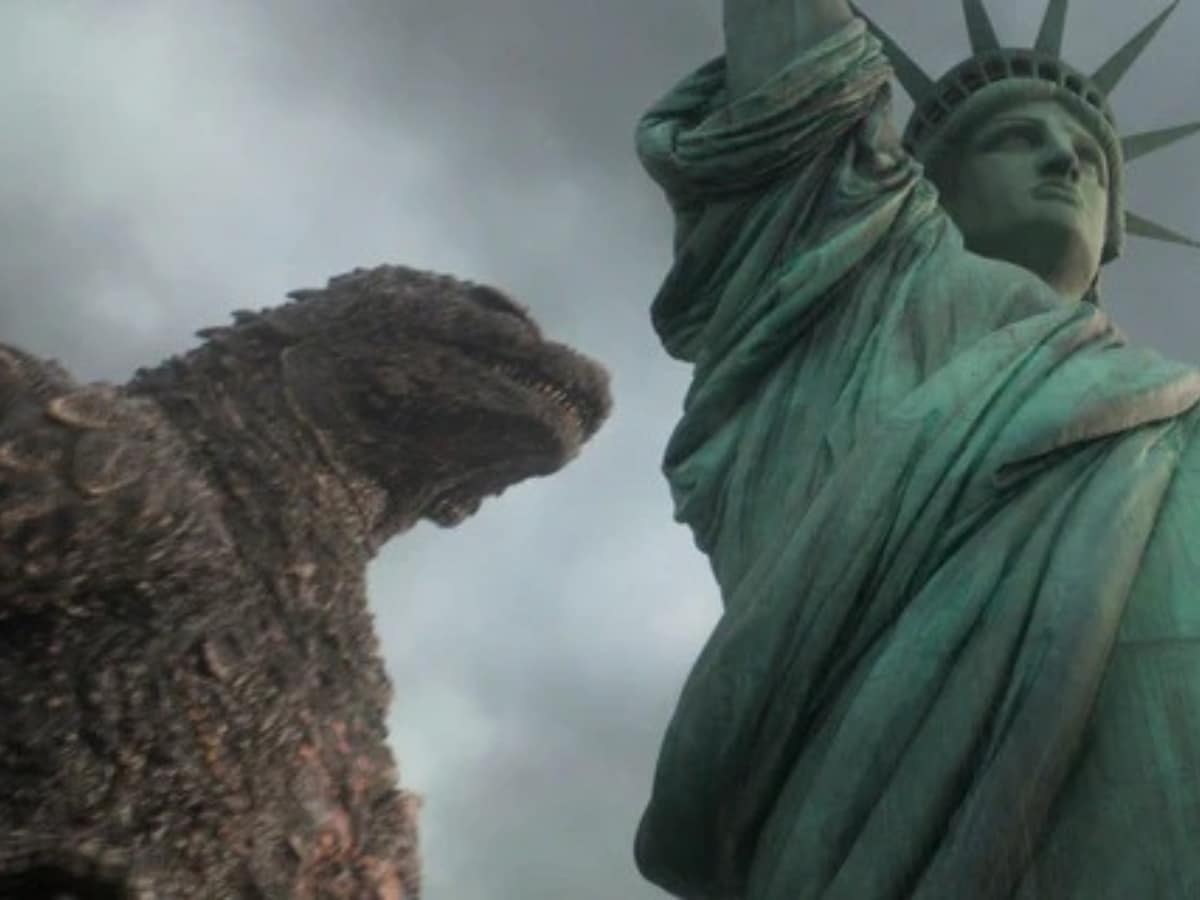
The teaser highlights a dramatic shift in scale and geography, concluding with a visual of the King of the Monsters towering over the Statue of Liberty in New York City. This development signals a departure from the traditional localized storytelling of Toho’s domestic productions, suggesting a broader international conflict that bridges the reconstruction of post-war Japan with the burgeoning global influence of the late 1940s.
Narrative Continuity and Historical Setting
Godzilla Minus Zero is set in 1949, precisely two years after the events depicted in Godzilla Minus One. This chronological choice is significant as it places the characters in the midst of the post-World War II Occupation of Japan, a period characterized by rapid social change, economic hardship, and the beginning of the Cold War. Unlike many previous entries in the Godzilla franchise, which often reset the continuity or featured standalone stories, this sequel maintains strict character continuity.
Both Ryunosuke Kamiki and Minami Hamabe are confirmed to reprise their roles as Koichi Shikishima and Noriko Oishi, respectively. Their return is central to the emotional core of the series, which garnered critical acclaim for its focus on human trauma and survivor’s guilt. At the end of the previous film, the characters were left in a state of precarious peace; Shikishima had found a sense of redemption, while Noriko was revealed to have survived the destruction of Ginza, albeit with a mysterious black mark on her neck—a detail that many fans speculate is linked to "G-cells" or radioactive contamination.
By grounding the sequel in 1949, writer and director Takashi Yamazaki has the opportunity to explore the long-term psychological and physical effects of the first encounter with Godzilla. The year 1949 also represents a turning point in global history, including the first successful Soviet atomic bomb test and the formation of NATO, providing a rich geopolitical backdrop for a monster that has always served as a metaphor for nuclear anxiety.
Technical Innovation and the Move to IMAX
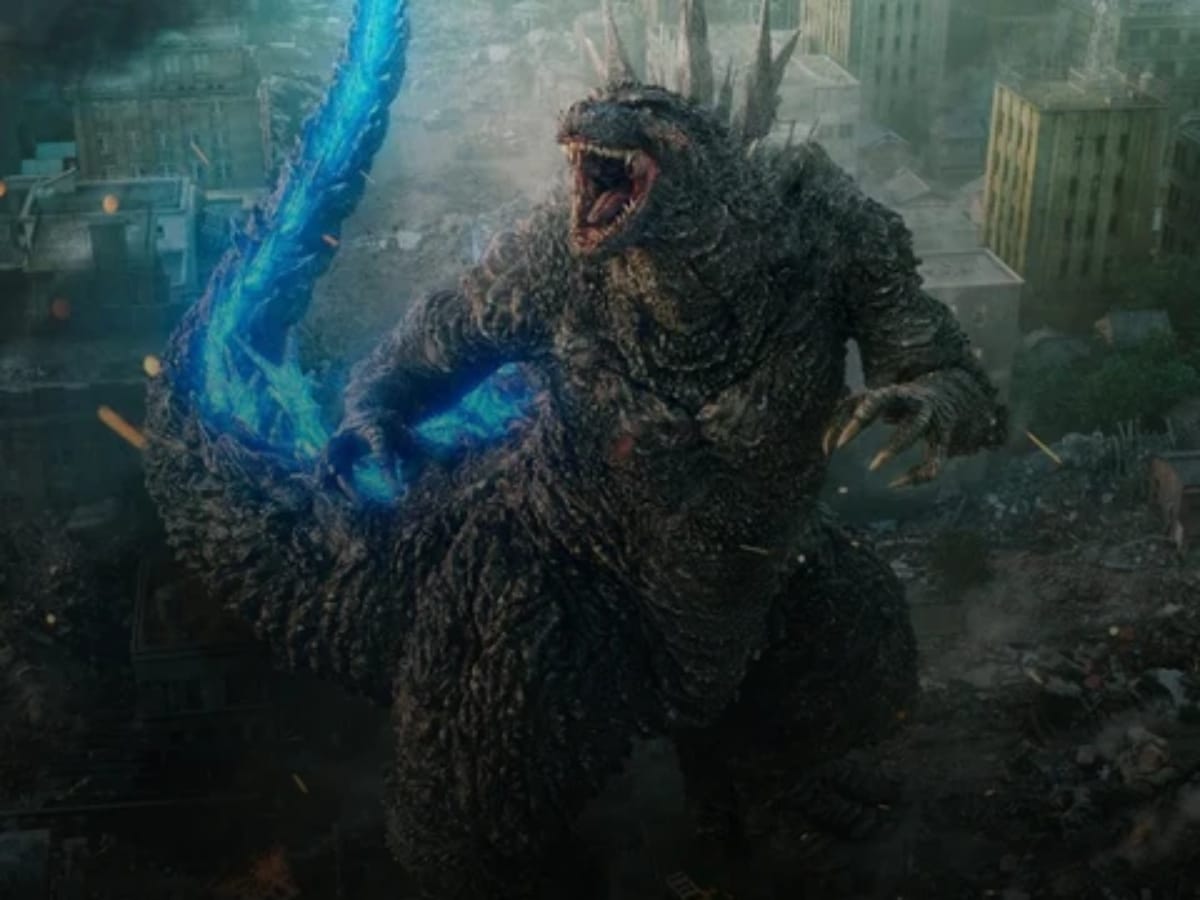
One of the most notable technical revelations regarding Godzilla Minus Zero is Toho’s commitment to a full IMAX production. While Godzilla Minus One received IMAX conversions during its theatrical run, the sequel is being designed from the ground up to utilize the large-format technology. This shift indicates a move toward higher production values and more expansive set pieces.
Takashi Yamazaki, who famously led the visual effects team at Shirogumi to an Oscar win for Best Visual Effects, returns to oversee the film’s digital artistry. The previous film was lauded for achieving Hollywood-level spectacle on a reported budget of less than $15 million—a fraction of the cost of contemporary American superhero or monster films. With the success of the first film, which grossed over $116 million worldwide, industry analysts expect a larger budget for the sequel, though Yamazaki has expressed a continued interest in maintaining the "handcrafted" feel and efficiency that defined his previous work.
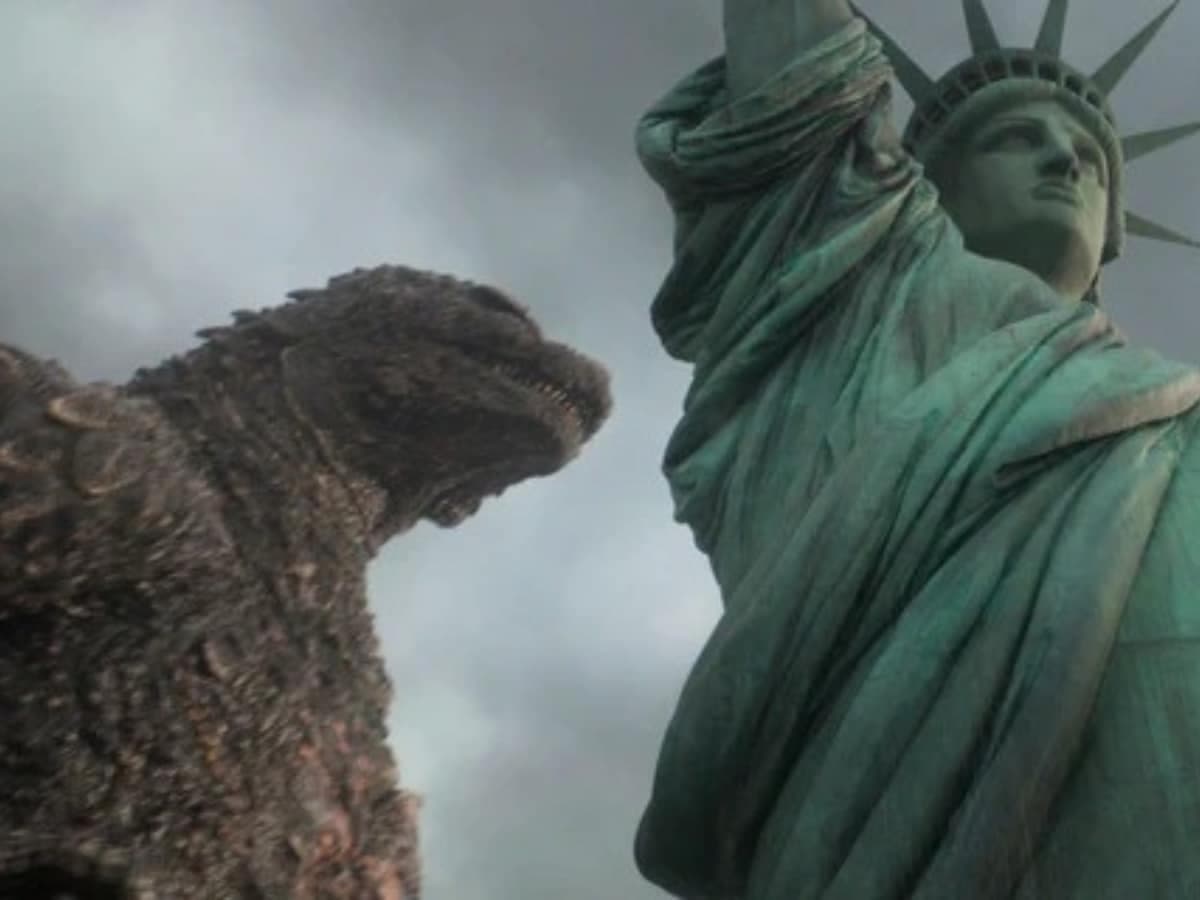
The inclusion of New York City as a primary location necessitates a significant increase in digital asset creation. Recreating 1949 Manhattan with the same level of historical accuracy seen in the recreation of post-war Ginza will require a massive undertaking from the VFX team. The teaser’s final shot of the Statue of Liberty suggests that the film will leverage IMAX’s vertical aspect ratio to emphasize the sheer height of the creature relative to iconic world landmarks.
The Global Expansion of the Toho Brand
For decades, the portrayal of Godzilla in the United States was largely the domain of Hollywood studios, most notably through the TriStar 1998 production and the ongoing Legendary Pictures "MonsterVerse." Toho’s decision to bring its own version of the character to American soil represents a bold strategic move.
Historically, Toho’s "domestic" Godzilla films have stayed within the borders of Japan, focusing on national themes of resilience and self-defense. By taking Godzilla to New York, Toho is directly competing with the scale of Western blockbusters while maintaining the specific tone—serious, metaphorical, and historically grounded—that made Godzilla Minus One a crossover hit. This "Toho-led" internationalism allows the studio to retain creative control over the character’s legacy while appealing to a global audience that has shown an increasing appetite for authentic, non-English language cinema.
The contrast between the Toho iteration and the Legendary Pictures iteration remains a point of interest for industry observers. While the MonsterVerse focuses on "Titan" mythology and high-octane monster battles (Kaiju vs. Kaiju), the "Minus" series has focused on "Man vs. Monster." The teaser for Godzilla Minus Zero suggests that even as the stage gets larger, the focus remains on the terrifying, unstoppable nature of the creature as a force of nature rather than a "protector" of humanity.

Supporting Data and Market Impact
The greenlighting of Godzilla Minus Zero was an inevitability following the record-breaking performance of the 2023 film. To understand the stakes for the sequel, one must look at the data from the previous release:
- Financial Performance: Godzilla Minus One earned $56.4 million in North America, making it the highest-grossing Japanese live-action film in U.S. history.
- Critical Acclaim: The film holds a 98% "Certified Fresh" rating on Rotten Tomatoes and an 81/100 on Metacritic, figures rarely seen for the giant monster genre.
- Cultural Milestone: The 96th Academy Awards saw the film win for Best Visual Effects, the first time a Godzilla film had ever been nominated for, let alone won, an Oscar.
The "Minus Zero" title itself has sparked discussion among fans and linguists. In the context of the first film, "Minus One" referred to Japan being at "zero" after the war and Godzilla pushing the country into the negative. "Minus Zero" could imply a state of absolute erasure or a return to a point of no return, suggesting that the stakes for both Japan and the world have escalated beyond mere physical destruction.
Official Responses and Production Timeline
While Toho has been guarded with specific plot details, the studio released a brief statement emphasizing their commitment to the "Yamazaki Vision." The director himself has noted in previous interviews that the overwhelming international reception to the first film changed his perspective on what a sequel could achieve.
"We want to honor the tragedy and the hope of the first film while acknowledging that the world in 1949 was becoming a much smaller place," a Toho representative stated during a press briefing in Tokyo. "The appearance of the creature in the West is not just a change of scenery; it is a change in the narrative weight of the atomic legacy."
The production timeline is currently in the mid-stages of principal photography and heavy VFX pre-visualization. With a release date set for late 2026, the team has a three-year window from the release of the original to ensure the quality of the sequel matches its predecessor. This deliberate pace stands in contrast to the rapid-fire release schedules of many modern franchises, suggesting a focus on narrative density and visual polish.
Broader Implications for Kaiju Cinema
The success of this burgeoning series has revitalized the "Kaiju" genre, moving it away from the "campy" reputation it held in the late 20th century. By returning to the character’s 1954 roots—where Godzilla was a terrifying manifestation of nuclear fallout rather than a heroic figure—Yamazaki has reclaimed the monster for a new generation of viewers concerned with modern existential threats.
The move to New York in Godzilla Minus Zero also invites a re-examination of the 1998 Roland Emmerich film, which famously attempted a New York-based Godzilla story to near-universal critical derision. For many fans, the teaser’s Statue of Liberty shot is a statement of intent: Toho is reclaiming the "Godzilla in America" trope and executing it with the gravitas and horror that the original creators intended.
As 2026 approaches, the film industry will be watching closely to see if Godzilla Minus Zero can maintain the delicate balance of human drama and city-leveling spectacle. If successful, it could cement Takashi Yamazaki’s "Minus" series as the definitive modern interpretation of the character, proving that the most effective way to move a franchise forward is to look deeply into its past.
For audiences in Australia and Europe, distribution details are expected to be finalized by early 2026. Given the global footprint of the previous film, a simultaneous or near-simultaneous worldwide rollout is anticipated, ensuring that the next chapter of the Godzilla saga is a truly global cinematic event.



 Yuyun Lusiyani
 Joko Widodo
 Eva Lovia
 Pevita Pearce
 admin
admin