
 Nana Wu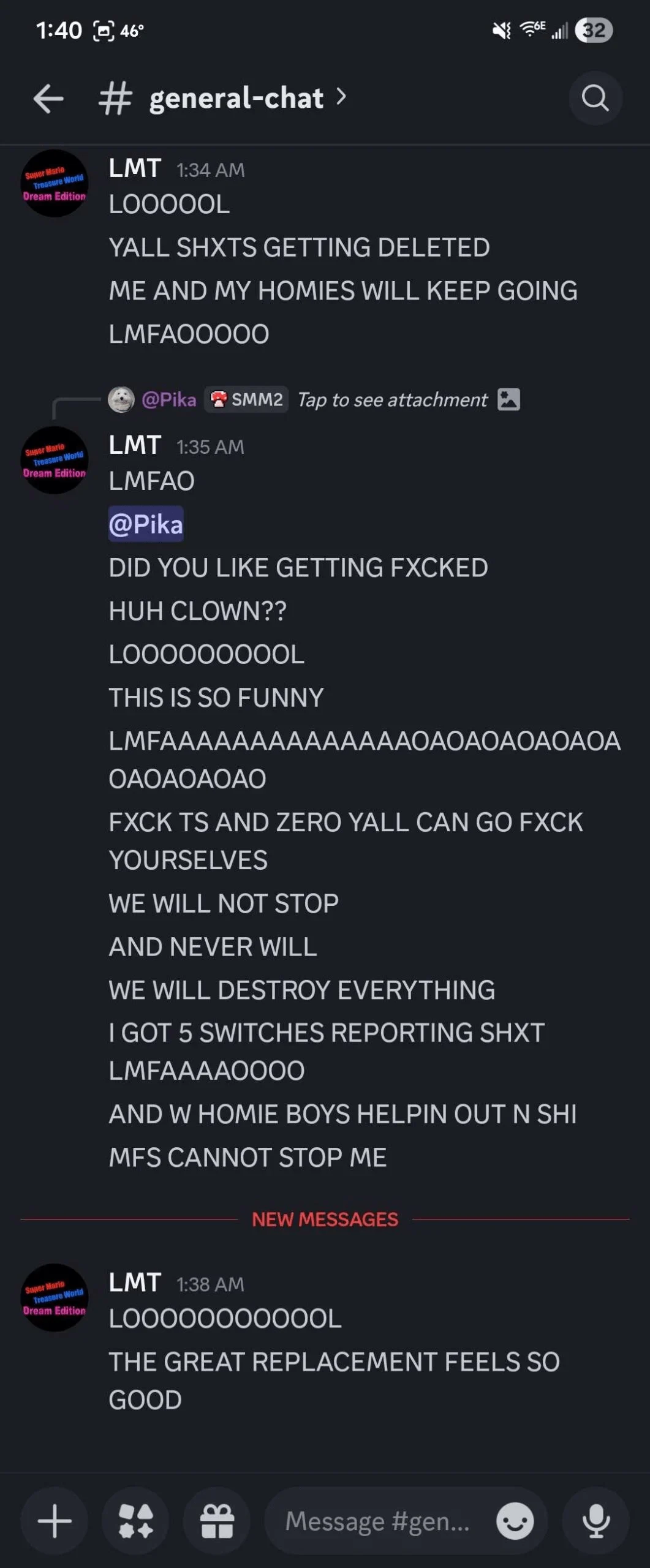
The gaming giant Nintendo, long known for its stringent intellectual property enforcement and sometimes controversial Terms of Service (ToS) policies, has once again found itself at the center of a fan-led controversy. Hundreds of user-created levels in the popular game Super Mario Maker 2 are reportedly being removed by the company, with players citing the inclusion of a specific hashtag as the primary reason for these deletions. This aggressive action, however, appears to be an unintended consequence of a system ripe for abuse, leading to accusations of retaliatory tactics and significant repercussions for unsuspecting players.
The Genesis of the Controversy: Hashtags and "Advertising"
The recent wave of level deletions in Super Mario Maker 2 began to surface prominently in early April 2026, with numerous players taking to social media platforms like X (formerly Twitter) to report the removal of their meticulously crafted stages. The common thread identified across these affected levels was the presence of the hashtag "#TeamShell." This hashtag, according to players and community discussions, was used primarily to denote levels created and shared within a Discord server dedicated to the game, facilitating easier discovery and sharing of user-generated content among members.
Nintendo’s official notices for these deletions cite a violation of their Terms of Service, specifically pertaining to "advertising." This interpretation has been met with widespread disbelief and frustration from the Super Mario Maker 2 community. Players argue that the use of a simple hashtag to identify a level’s origin or association with a community server does not constitute commercial advertising. There is no evidence to suggest that any monetary transactions or promotional activities were directly linked to these hashtags. The deletion of levels, some of which had been public for years, has fueled speculation about the timing and motivation behind these actions.
Unraveling the Alleged Motive: A Case of Retaliation?
The seemingly disproportionate response to the use of a hashtag has led many to investigate the underlying causes. Further digging within the Super Mario Maker community uncovered a potential link to a user identified as "LMT," whose Discord profile was associated with a YouTube account using the pseudonym "MT94." Reports from sources like AtWiki, a Japanese wiki platform, suggest that MT94 was once ranked as the second-highest player globally in Super Mario Maker.

The controversy surrounding MT94 stems from allegations of cheating. It is reported that MT94 achieved their high ranking by employing a sophisticated method involving multiple Nintendo Switch consoles. By consistently challenging their own alternate accounts to co-op battles within the game, they were able to artificially inflate their score and climb the leaderboards. When this alleged scheme was discovered and reported by the community, MT94’s accounts were reportedly banned by Nintendo.
While direct confirmation of a causal link between the "TeamShell" hashtag and MT94’s past actions remains elusive, the timing and nature of the level deletions have led many to believe that there is a retaliatory element at play. Some community members suggest that "TeamShell" may have been instrumental in exposing MT94’s alleged cheating, leading to a perceived vendetta against users associated with the hashtag. If this is the case, Nintendo’s enforcement actions could be seen as a response to information provided by or associated with "TeamShell," rather than a genuine enforcement of advertising policies.
The Unintended Consequences: Account Suspensions and Systemic Flaws
The ramifications of Nintendo’s enforcement strategy extend beyond the deletion of individual Super Mario Maker 2 levels. Alarmingly, players have reported that their Nintendo Switch accounts are also facing suspension. These suspensions appear to be triggered by an automated system that flags accounts associated with a certain number of reports. This suggests a potential overreliance on user-reported content without sufficient human oversight or a robust appeals process.
This mechanism creates a dangerous environment where a coordinated effort by disgruntled individuals or groups can weaponize Nintendo’s reporting system to target and silence other players. The "TeamShell" community, or individuals who may have been involved in reporting MT94, could be facing a backlash through this automated reporting system, leading to unjustified account suspensions. The severity of these suspensions—which can include the inability to access purchased games and online services—poses a significant threat to players’ investment in the Nintendo ecosystem.
The situation highlights a broader systemic issue within Nintendo’s approach to content moderation and intellectual property enforcement. The company’s history of aggressive tactics, including the "bricking" of consoles and account bans for perceived ToS violations, has fostered an environment where fans often feel they are navigating a minefield. When this rigid framework is combined with a system susceptible to abuse, the consequences can be severe and far-reaching.

Analyzing the Broader Implications: The Need for a Balanced Approach
The Super Mario Maker 2 level deletion incident underscores a critical need for Nintendo to re-evaluate its enforcement policies. While the protection of intellectual property is a legitimate concern for any company, the current approach appears to be causing significant harm to its loyal customer base.
Key implications arising from this situation include:
- Erosion of Community Trust: Aggressive and seemingly arbitrary enforcement actions can breed distrust between a company and its community. When players feel that their creative efforts can be erased without clear justification or recourse, it discourages engagement and innovation.
- Abuse of Reporting Systems: Automated systems, while efficient, can be exploited. The current situation suggests that Nintendo’s reporting mechanism is vulnerable to manipulation, leading to unfair penalties for innocent users.
- Disproportionate Penalties: Suspending entire Nintendo Switch accounts for minor ToS infractions, such as the inclusion of a community hashtag, represents a disproportionate response. This can effectively punish players for the actions of others or for perceived technicalities.
- Lack of Due Process: The absence of a clear and accessible counter-notice system or an effective appeals process leaves players with little recourse when faced with unjustified penalties. This lack of due process can be deeply frustrating and damaging.
Nintendo faces a critical juncture. It can continue with its heavy-handed approach, which risks alienating its player base and perpetuating a cycle of abuse. Alternatively, the company could adopt a more balanced strategy that involves thorough investigations into reported violations, a clearer definition of what constitutes prohibited "advertising," and a more robust appeals process for those who believe they have been unfairly penalized.
The company’s current system, as it stands, allows for "gleeful abuse" by individuals or groups who can leverage the reporting mechanism to settle scores. This is not conducive to a healthy gaming ecosystem. Ultimately, Nintendo must acknowledge the potential for its systems to be misused and implement safeguards to protect its customers from the fallout of such abuse. The long-term health of its franchises and its relationship with its fans depend on it.



 Yuyun Lusiyani
 Joko Widodo
 Eva Lovia
 Pevita Pearce
 admin
admin
 Lina Irawan