
 Lina Irawan
The release of the DJI Osmo Pocket 4 marks a significant pivot in the evolution of compact imaging technology, transitioning the series from a consumer vlogging tool into a sophisticated instrument capable of professional-grade production. While its predecessor, the Osmo Pocket 3, was widely regarded as the benchmark for handheld stabilization and ease of use, the fourth iteration addresses specific professional pain points, particularly in the realms of dynamic range, high-frame-rate recording, and data management. By integrating a new 1-inch CMOS sensor architecture and expanding internal storage capabilities, DJI has effectively narrowed the gap between pocketable gimbals and high-end mirrorless systems.
Technical Innovations and Sensor Architecture
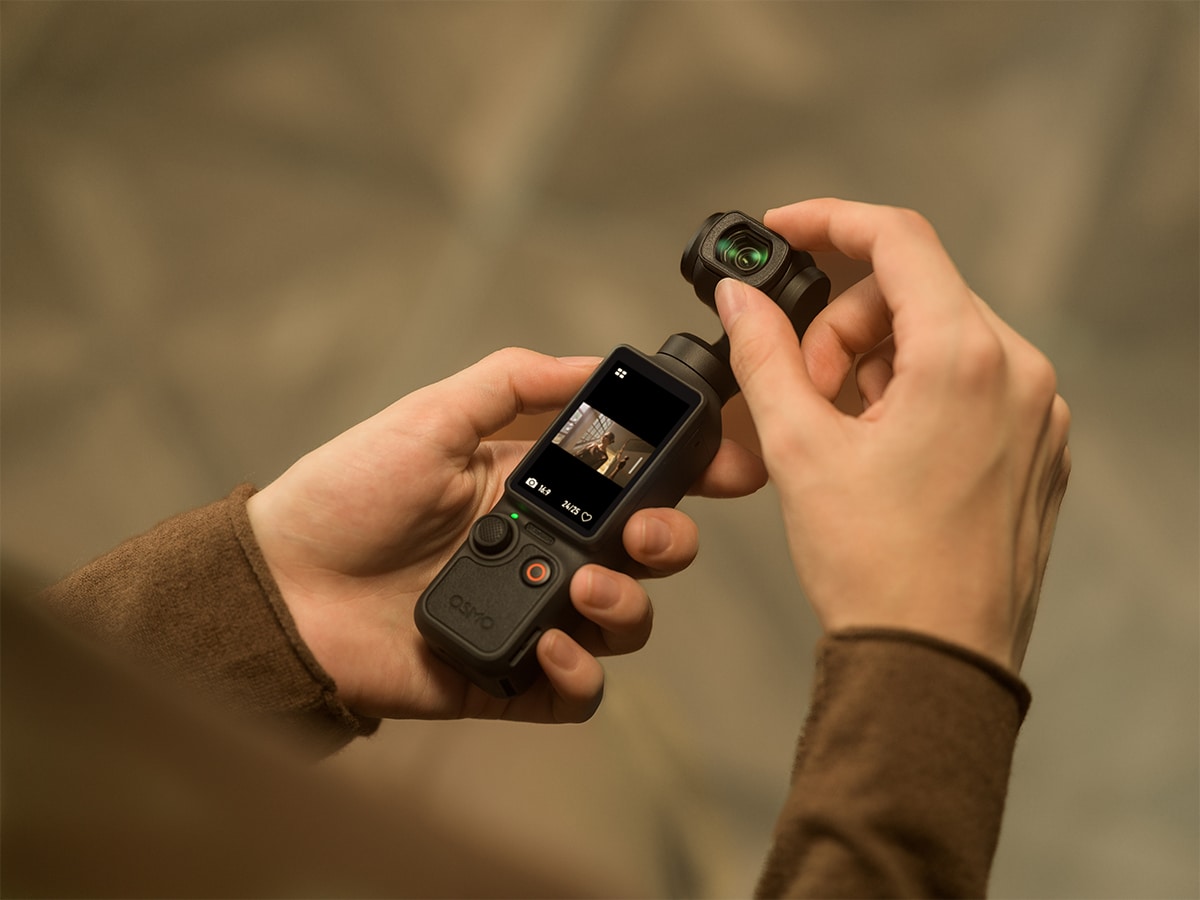
At the core of the DJI Osmo Pocket 4 is a redesigned 1-inch CMOS sensor that introduces a significant leap in image processing. While the physical size remains consistent with the previous generation, the internal architecture has been overhauled to provide 14 stops of dynamic range. This specification is particularly noteworthy as it places the device in direct competition with professional cinema cameras and high-end mirrorless bodies that typically retail for significantly higher prices.
The increased dynamic range allows the Pocket 4 to manage high-contrast environments with greater precision, retaining detail in blown-out highlights and deep shadows that would otherwise be lost. This is complemented by a 10-bit color depth, enabling the device to capture over one billion distinct colors. For professional colorists, the inclusion of 10-bit D-Log Pro mode provides a flat profile that maximizes the sensor’s data output, offering extensive flexibility during post-production grading.

Beyond standard recording, the Pocket 4 introduces 4K resolution at 240 frames per second (fps) in its dedicated Slow Motion mode. This capability allows for highly detailed, cinematic slow-motion footage that maintains the clarity of 4K resolution, a feature previously reserved for specialized high-speed cameras. For low-light scenarios, the device features a specialized mode that supports up to 4K/30fps, utilizing advanced noise-reduction algorithms to provide two additional stops of performance over the Pocket 3.
Workflow Optimization and Internal Storage
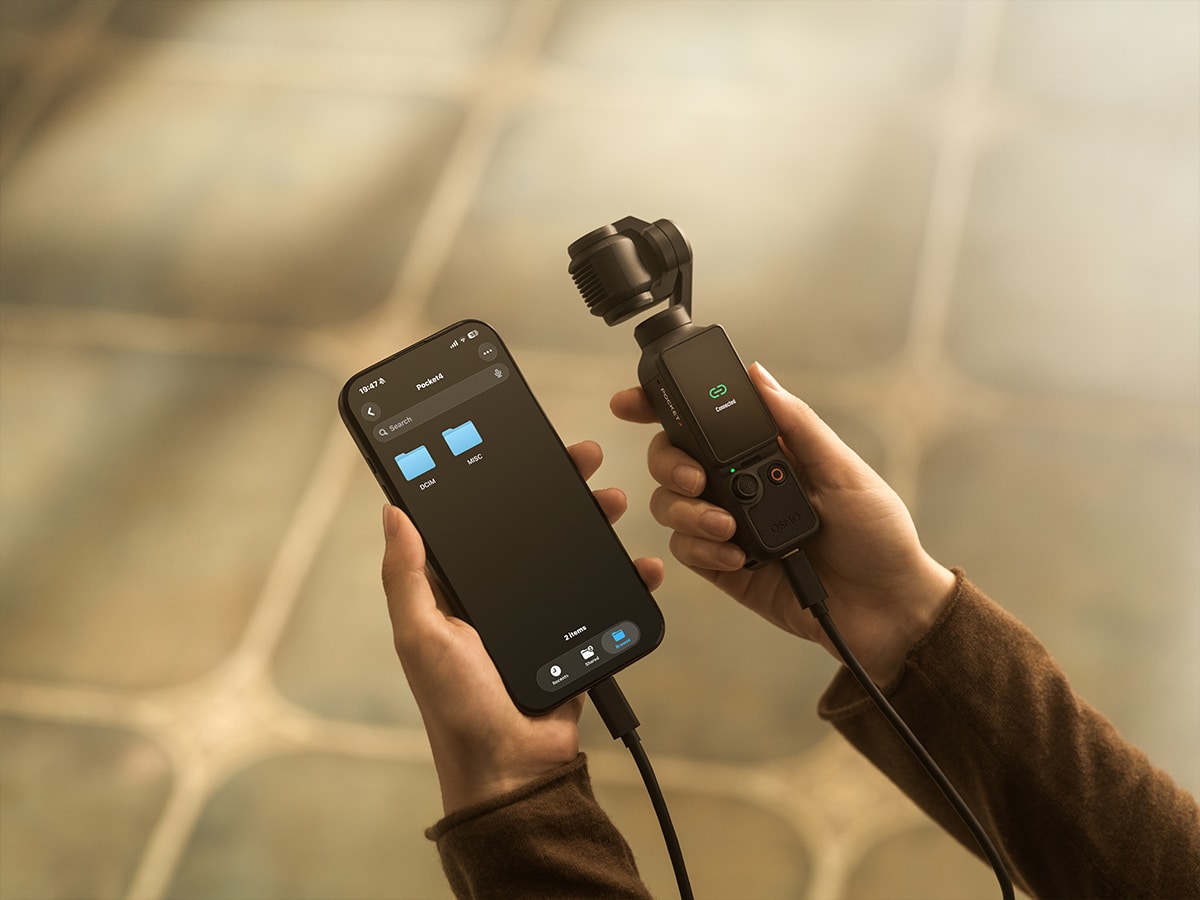
One of the most critical updates in the Osmo Pocket 4 is the departure from a total reliance on external MicroSD cards. The device now features 107GB of high-speed internal storage, a move designed to mitigate the risks associated with card failure or the common error of forgetting external media. This internal storage is paired with USB 3.1 support, allowing for wired transfer speeds of up to 800MB/s. Wireless transfers have also seen an upgrade, now reaching speeds of up to 90MB/s, significantly reducing the time required to move large 4K files to mobile devices for social media distribution.
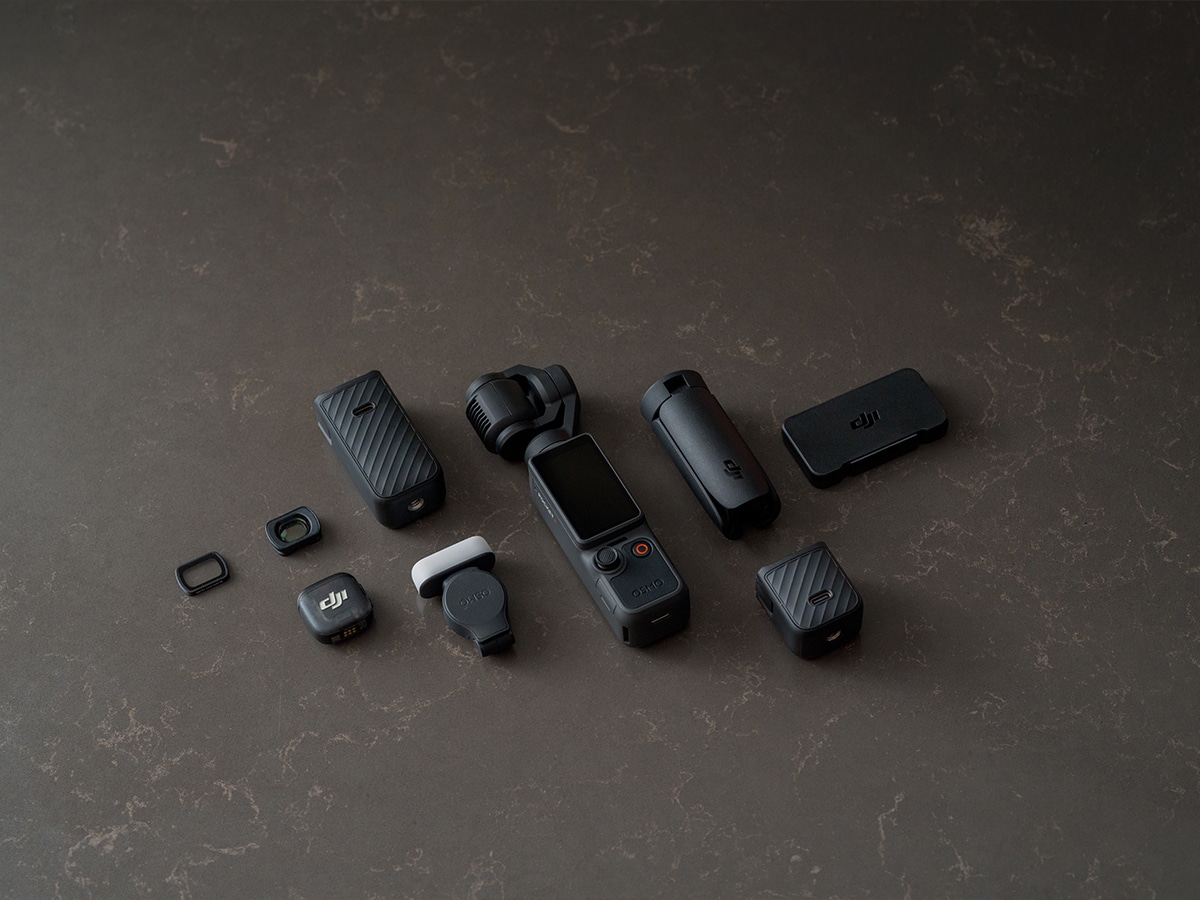
The physical interface has been refined to enhance tactile control. A new 5D analog joystick allows for more precise gimbal movements, while a multi-button layout streamlines the switching of modes. The left button is dedicated to zoom functions, offering single-tap transitions between 1x and 2x zoom and double-taps for 4x zoom. The right button serves as a customizable toggle, defaulting to photo/video mode switching, gimbal mode adjustments, or locking the gimbal axis.
Intelligent Tracking and ActiveTrack 7.0
DJI has integrated its most advanced tracking suite to date, ActiveTrack 7.0, into the Pocket 4. This system utilizes updated computer vision models to maintain a lock on subjects with unprecedented stability. The software is calibrated to recognize and prioritize specific subject types, including humans, vehicles (automobiles and motorcycles), and common pets.
A significant addition for solo creators is the "Subject Lock Tracking" feature in AFC mode. This allows users to manually select a face, which the camera then highlights and prioritizes. The device can register up to three individual faces, ensuring that the gimbal remains focused on the primary subject even in crowded environments. Furthermore, the Pocket 4 supports "Dynamic Framing," which utilizes the golden spiral and the rule of thirds to automatically position subjects within the frame according to classical compositional theories. Gesture controls—such as the "palm" gesture to toggle ActiveTrack and the "V" gesture to initiate recording—further facilitate hands-free operation.
Professional Audio Integration and Multi-Camera Sync
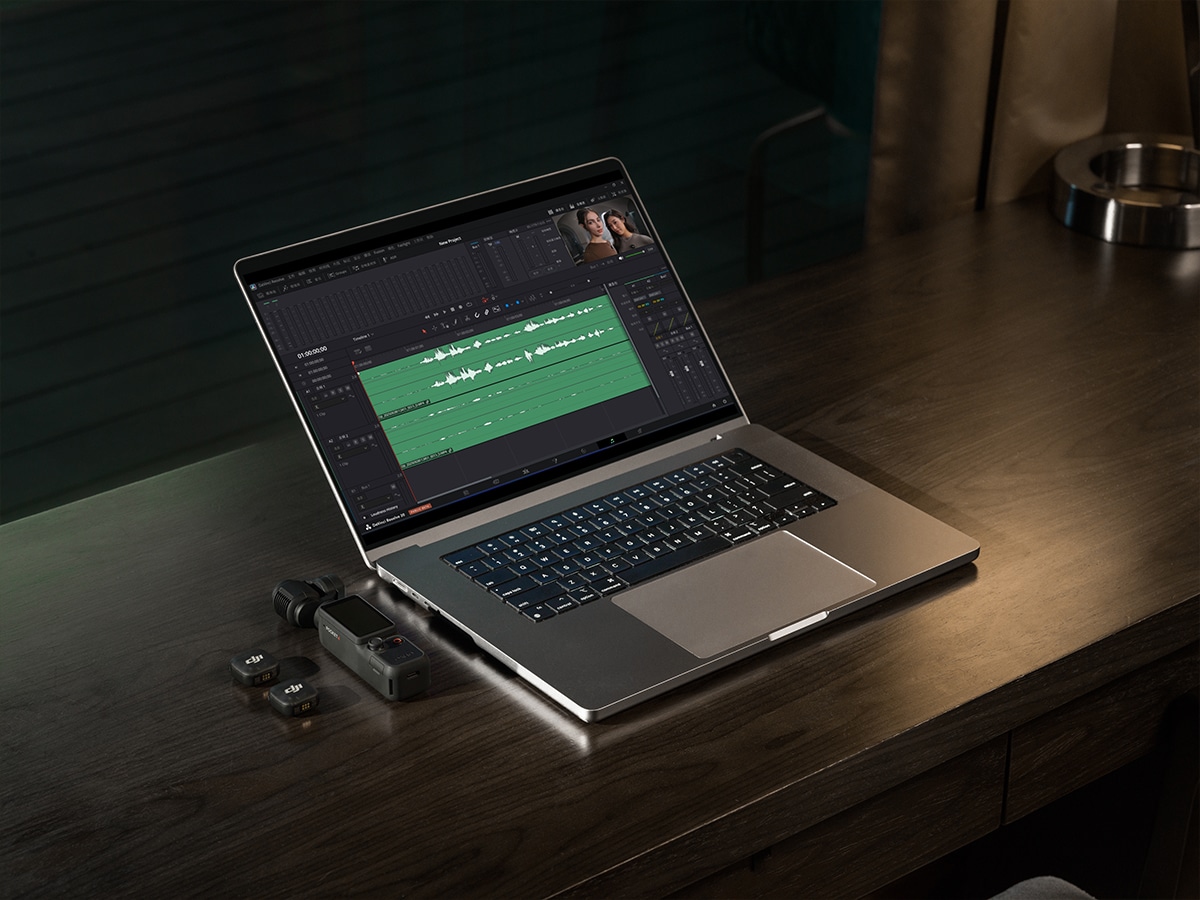
Audio performance has been a focal point for the Pocket 4’s development. The device introduces OsmoAudio 4-Channel Output, a system that fundamentally changes how audio is captured on a compact device. When paired with two DJI Mic transmitters, the Pocket 4 generates two distinct audio tracks. Track 1 captures the individual feeds from the transmitters (Left and Right channels), while Track 2 records a synchronized stereo track using the camera’s internal microphone array to capture ambient environmental sound.
For professional sets involving multiple cameras, the Pocket 4 includes a built-in Timecode function. This allows the device to be synchronized with other cameras and audio recorders, ensuring that footage remains perfectly aligned during the editing process. DJI claims a maximum drift of less than one frame over eight hours of continuous operation, a standard that meets the requirements of broadcast and documentary filmmaking.
Design, Ergonomics, and Battery Performance
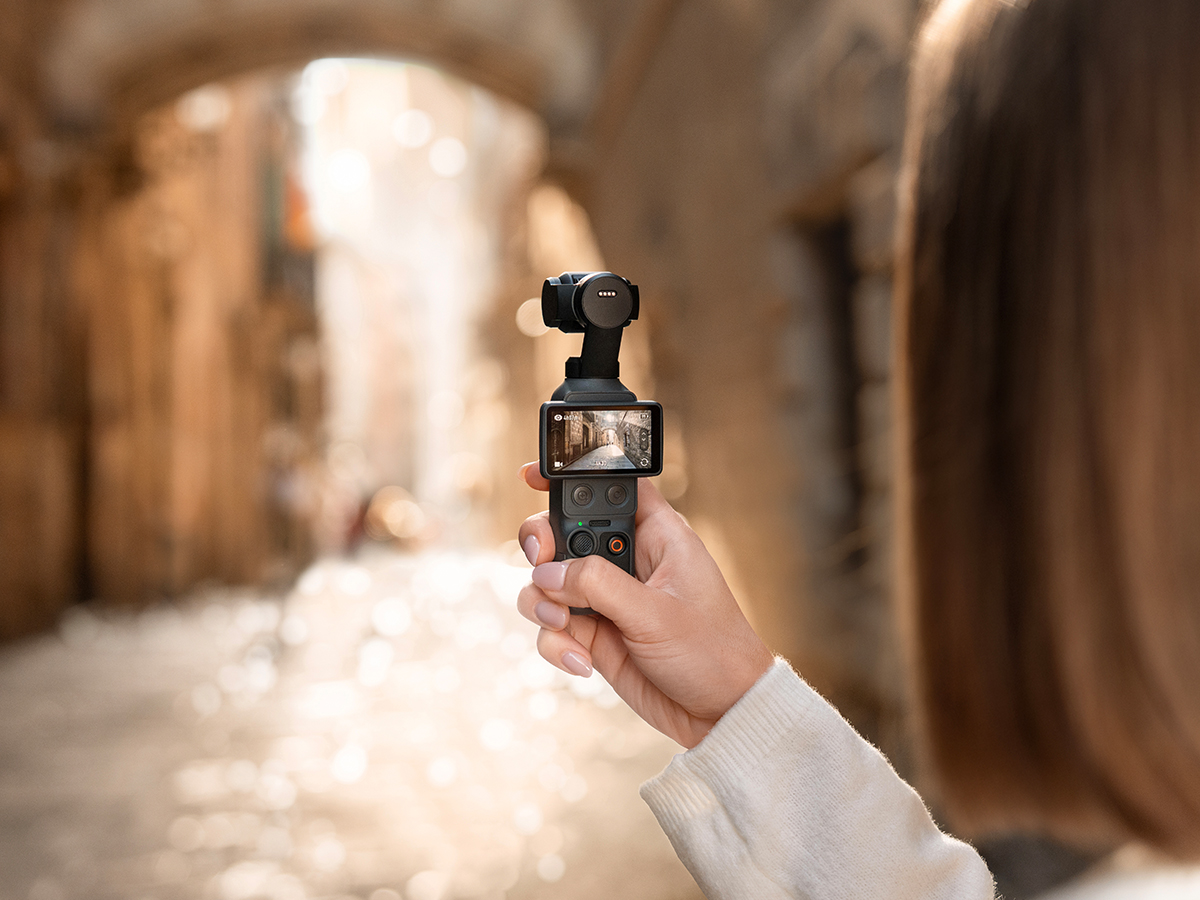
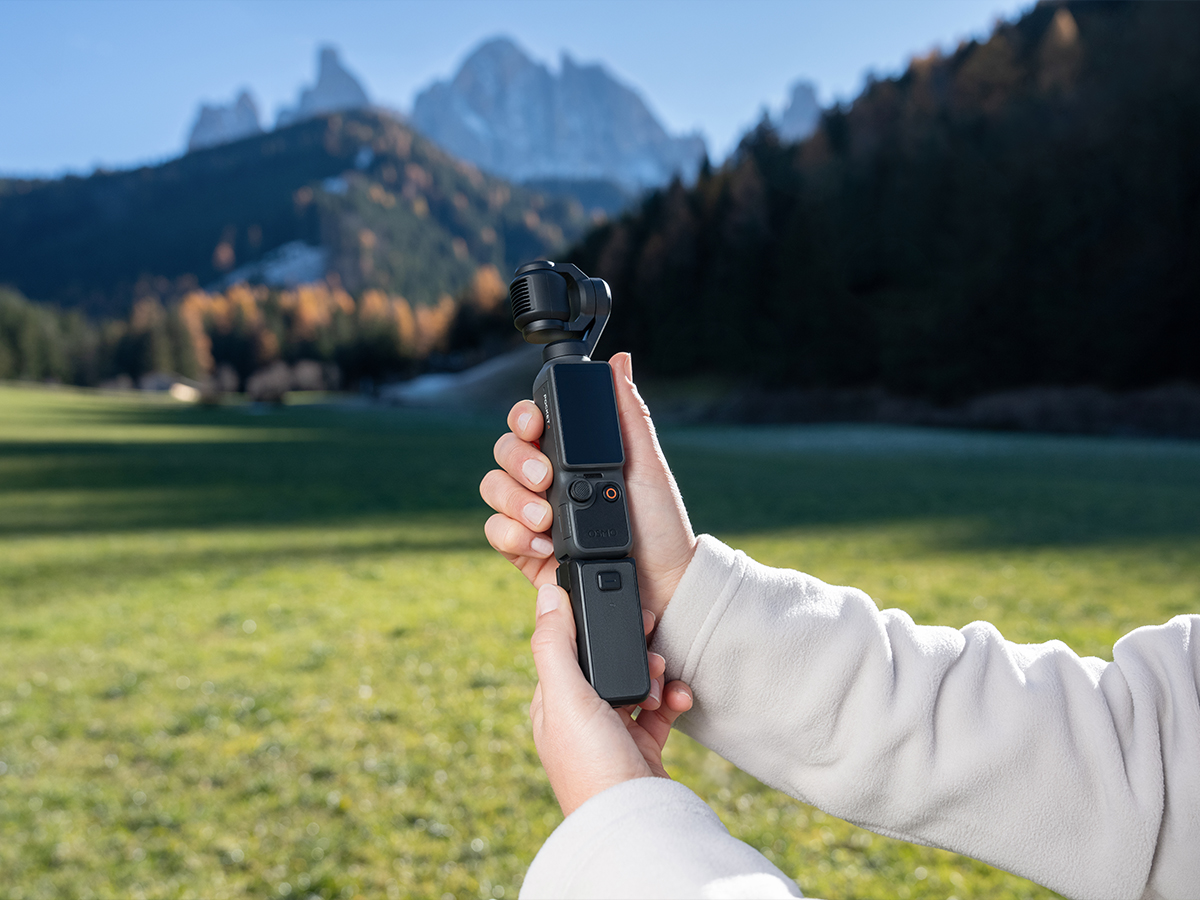
The physical form factor of the Osmo Pocket 4 remains compact, weighing 190.5 grams with dimensions of 144.2 × 44.4 × 33.5 mm. The centerpiece of the user interface is a 2-inch rotatable OLED touchscreen. With a peak brightness of 1000 nits and a 100% P3 wide color gamut, the display provides accurate monitoring even in direct sunlight. The rotatable nature of the screen allows for native vertical and horizontal shooting, with the interface automatically adjusting to fill the screen in both orientations.
Power management is handled by a 1545 mAh battery. In testing, the device supports approximately 135 minutes of continuous 4K/60fps recording. The charging system has been optimized for rapid turnaround, reaching an 80% charge in 18 minutes. For extended shoots, DJI offers an optional battery handle that increases operating time by 62% and supports hot-swapping, allowing the camera to remain powered during battery changes.
Pricing and Availability Tiers
DJI has structured the Osmo Pocket 4 into three distinct configurations to cater to different user needs. Official sales and shipping are scheduled to commence on April 22nd.

- Osmo Pocket 4 Essential Combo (AUD$749): Targeted at entry-level users, this package includes the core camera unit and basic accessories for immediate operation.
- Osmo Pocket 4 Standard Combo (AUD$769): This configuration serves as the primary retail offering, providing a balance of protective gear and essential mounts.
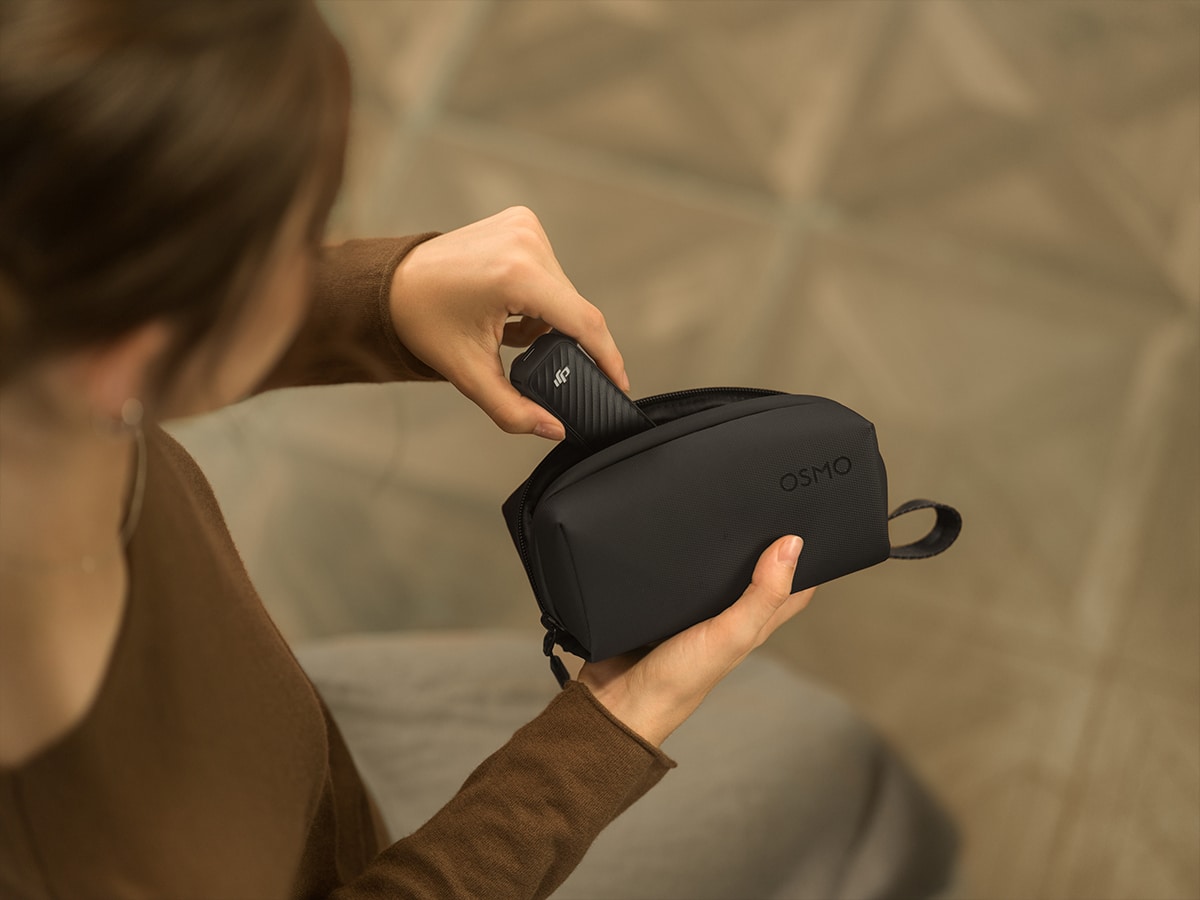
- Osmo Pocket 4 Creator Combo (AUD$959): The most comprehensive package, including the battery handle, the DJI Mic 2 transmitter, a wide-angle lens attachment, and a carrying bag. This tier is positioned for professional content creators who require a complete audio and power solution.
Historical Context and Market Evolution
The trajectory of the Osmo Pocket series reflects the broader shift in the digital imaging market. When the original Osmo Pocket was launched in 2018, it was viewed as a niche product for casual travelers. However, as the "creator economy" expanded, the demand for high-quality stabilization in a small form factor skyrocketed.
The Pocket 2 (2020) and Pocket 3 (2023) each brought incremental improvements in sensor size and autofocus. The Pocket 4, however, arrives at a time when DJI is diversifying its technological portfolio—evidenced by the recent announcement of the DJI ROMO Robot Vacuum, which utilizes LiDAR technology. The application of high-end tracking and sensor tech from DJI’s drone and robotics divisions into the Pocket 4 suggests a synergy across their product lines that competitors like Canon and Sony are finding difficult to match in the sub-$1,000 category.
Industry Impact and Implications
The introduction of 14 stops of dynamic range and 4K/240fps in a device of this size has significant implications for the camera industry. Traditionally, videographers had to choose between the portability of a smartphone/action camera and the image quality of a mirrorless camera. The Pocket 4 effectively bridges this gap.
Industry analysts suggest that the Pocket 4 may further erode the market for entry-level mirrorless cameras. For many creators, the built-in three-axis gimbal provides smoother footage than the In-Body Image Stabilization (IBIS) found in compact mirrorless cameras, without the need for an external gimbal. While the lack of interchangeable lenses remains a limitation, the inclusion of 2x lossless zoom in 4K and a suite of magnetic lens attachments provides enough versatility for the majority of social media and documentary applications.
Furthermore, the inclusion of internal storage and high-speed USB 3.1 transfers sets a new standard for workflow efficiency. As data rates for 4K video continue to climb, the bottleneck has shifted from the sensor to the storage media. By addressing this at the hardware level, DJI has signaled that they prioritize the user’s time as much as the image quality.
In conclusion, the DJI Osmo Pocket 4 is not merely an incremental update but a comprehensive refinement of the portable camera concept. By prioritizing dynamic range, audio flexibility, and data management, DJI has produced a tool that is equally at home in the pocket of a traveler as it is on a professional film set as a "B-roll" or "crash" camera. The device sets a high bar for the competition, challenging other manufacturers to integrate professional-tier specifications into consumer-sized hardware.



 Yuyun Lusiyani
 Joko Widodo
 Eva Lovia
 Pevita Pearce
 admin
admin