
 Joko Widodo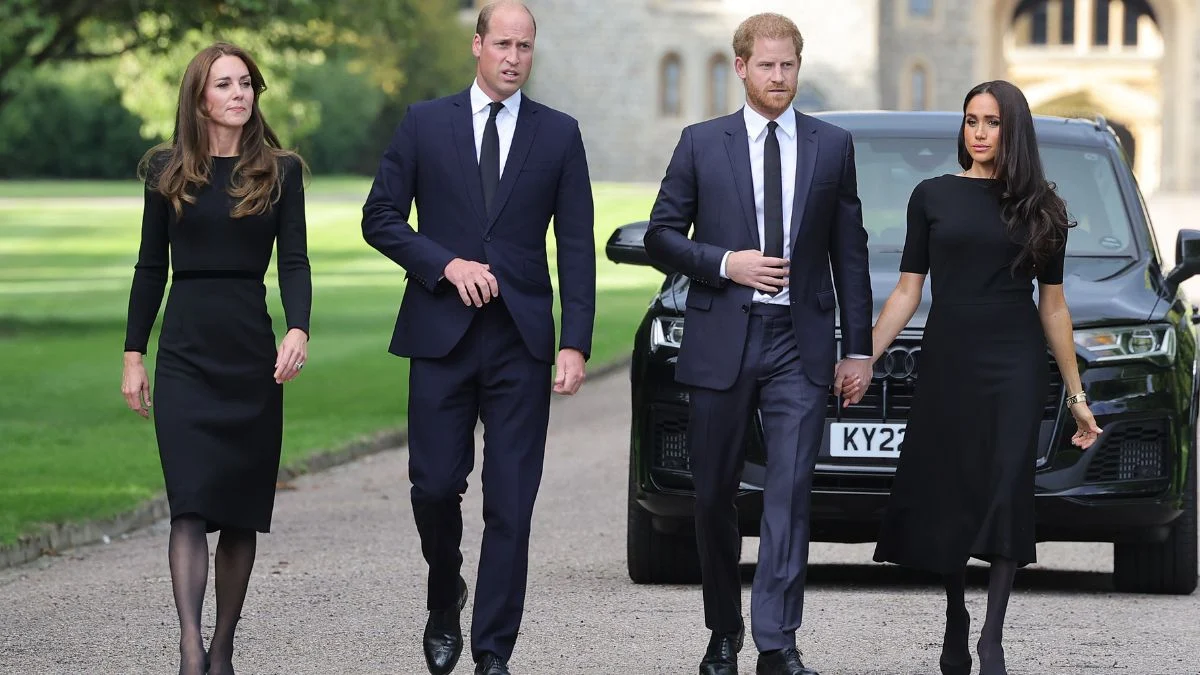
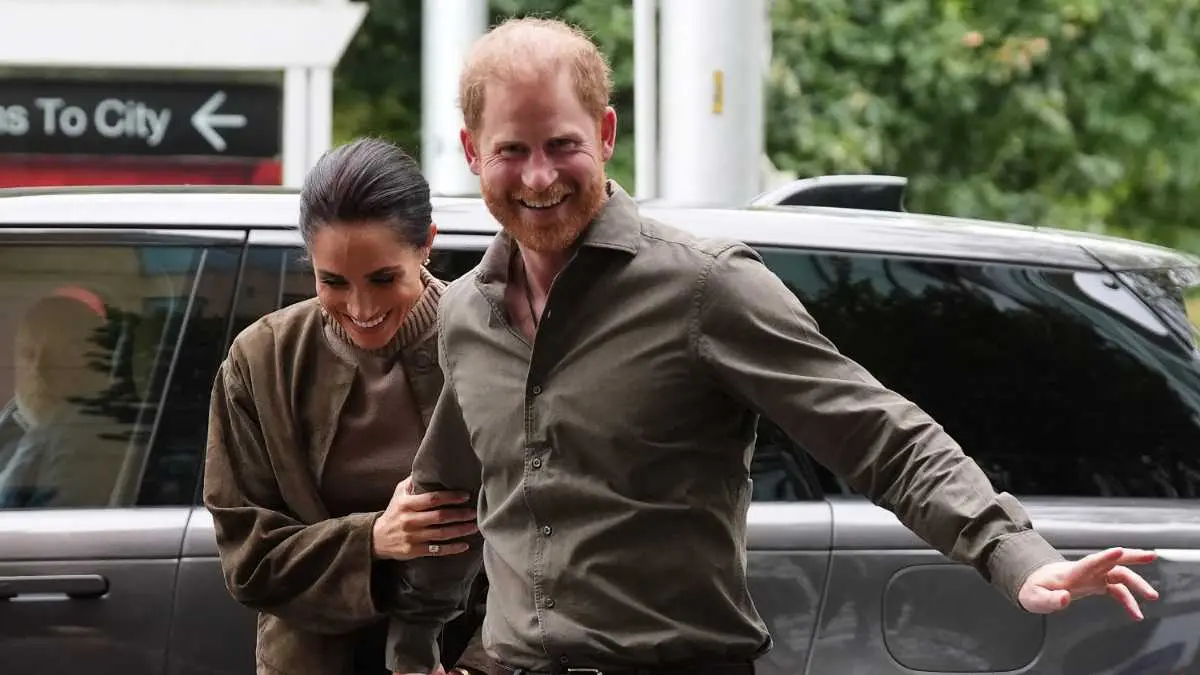
The recent overseas tour undertaken by Prince Harry and Meghan Markle, Duchess of Sussex, to Australia has reportedly exacerbated the existing tensions within the British Royal Family, particularly impacting the relationship between the Duke and Duchess of Sussex and the Prince and Princess of Wales. Sources close to the situation suggest that Prince William and Catherine Middleton are experiencing significant frustration, not solely attributable to the trip itself, but rather to what they perceive as the Sussexes’ continued cultivation of a "quasi-royal vibe" and their public appearances that seemingly trade on their former royal status. This sentiment, reportedly simmering for some time, has been amplified by the Sussexes’ recent activities, casting a shadow over potential avenues for reconciliation.
The core of the reported discontent, as detailed in exclusive reports by Us Weekly, stems from the perception that Prince Harry and Meghan Markle are leveraging their past connection to the Royal Family in a manner deemed inappropriate for individuals who are no longer working members. A source cited by the publication articulated this concern, stating, "There is a quasi royal vibe with these trips and it’s confusing. It seems they are trading on old connections in a way that shouldn’t be acceptable because they are no longer working members of the royal family." This perspective suggests a fundamental disagreement on how the Sussexes are navigating their public lives post-royal duties, with an underlying concern that their activities blur the lines between private citizens and those still intrinsically linked to the monarchy’s institutional power and prestige.
This frustration, according to insider accounts, is not a recent development but rather a cumulative effect of ongoing circumstances. The same source elaborated on this point, explaining, "Every single time William and Kate [Middleton] think they have turned a corner with them, something else pops up." This sentiment points to a pattern of perceived setbacks in repairing the relationship, where moments of potential thawing are allegedly followed by events that reintroduce strain. The "media omnipresence" of the Sussexes is highlighted as a significant contributing factor to this perpetual tension. The consistent and often high-profile media attention surrounding Prince Harry and Meghan Markle, coupled with what some interpret as a deliberate strategy to maintain a significant public profile, is seen as a direct impediment to rebuilding familial bonds. The insider further characterized the Sussexes’ approach as "pile[ing] one controversy on top of another," suggesting that their ongoing public narrative creates a persistent "barrier to repair the relationship."
The current state of communication, or rather the lack thereof, underscores the depth of the rift. The source indicated that "There hasn’t been any communication," implying a significant breakdown in direct dialogue between the two couples. While there is an expressed hope that "they will eventually figure it out," the reality on the ground is described as one where "there is still distance there." Prince William, in particular, is reported to have established "firm boundaries" and is currently "not pushing for a reunion." This suggests a strategic decision by the Prince of Wales to maintain a degree of emotional and relational distance, prioritizing his own well-being and familial responsibilities over actively pursuing reconciliation at this juncture.
Royal expert Marlene Koenig corroborated this assessment in her discussions with Us Weekly, emphasizing Prince William’s inclination to keep his personal feelings guarded. Koenig noted that William is adept at keeping his emotions "close to himself and his family." This reserved approach aligns with his perceived priorities, which, according to Koenig, are firmly centered on his immediate family and his impending role as King. "William is determined to keep much of his life private as he focuses on family and his future role as King, which are more important to him," she stated. This indicates a clear prioritization of his duties and personal life over engaging in prolonged or potentially acrimonious family disputes.
While Prince Harry has reportedly made strides in mending ties with his father, King Charles III, the relationship with his brother, Prince William, appears to remain in a state of prolonged tension. The recent Australian tour, by all accounts, has done little to alleviate this situation, instead serving as another point of contention that further solidifies the existing estrangement.
Background: The Shifting Sands of Royal Duties and Public Perception
The departure of Prince Harry and Meghan Markle from their senior royal roles in early 2020, a period often referred to as "Megxit," marked a significant turning point for the Royal Family. The couple’s desire for greater privacy and financial independence, coupled with alleged friction with senior royals, led them to step back from official duties. This decision, while allowing them to pursue independent ventures, also necessitated a recalibration of their public image and relationship with the monarchy.
Their subsequent move to the United States and the establishment of their own foundation, Archewell, signaled a new chapter. This chapter has been characterized by high-profile media projects, including a Netflix docuseries and a memoir by Prince Harry, which have offered candid, and at times critical, perspectives on their experiences within the Royal Family. These narratives have often been met with a mixed reception, generating both significant public interest and criticism regarding their perceived airing of private grievances.
The specific context of the Australian tour, while not detailed in the provided text, likely involved engagements that were perceived by some within the Royal Family as mimicking or capitalizing on the public’s enduring interest in their former royal status. Such tours, historically, have been a hallmark of working royals, serving to represent the Crown and foster diplomatic and cultural ties. When undertaken by individuals who have formally stepped back from these duties, they can be viewed as an attempt to maintain a public profile and influence that is no longer officially sanctioned.
Chronology of Strained Relations: A Pattern of Disagreement
The reported friction between Prince William and Prince Harry, and by extension their wives, can be traced back several years. Initial signs of a rift emerged around the time of Prince Harry’s wedding to Meghan Markle in 2018, with reports of disagreements and tensions between the couple and the wider royal household. These were initially downplayed as typical family dynamics.
However, following the Sussexes’ announcement of their intention to step back as senior royals in January 2020, the public perception of a growing divide solidified. The subsequent establishment of Archewell and their various media ventures in the United States further demarcated their independent path.
The period leading up to and following the release of Prince Harry’s memoir, "Spare," in January 2023, was particularly fraught. The book offered a highly personal and often critical account of his life, including detailed descriptions of his relationship with Prince William and other family members. This release was widely seen as a further exacerbation of the existing tensions, with many speculating about the irreparable damage it might have caused to familial bonds.
The recent Australian tour, occurring against this backdrop, has therefore been interpreted not as an isolated incident but as a continuation of a pattern where the Sussexes’ public engagements are perceived by some within the family as a deliberate effort to maintain a connection to their former royal standing, thereby creating ongoing friction.
Supporting Data: The Impact of Public Image and Media Strategy
The Sussexes’ public engagements and media strategy are central to the reported frustrations. Their ventures, such as the Netflix docuseries "Harry & Meghan," garnered substantial viewership, with reports indicating over 28 million households watched the series within its first week of release. This level of public engagement, while indicative of their enduring global appeal, also means their narratives and public persona are constantly under scrutiny.
Similarly, Prince Harry’s memoir, "Spare," became one of the fastest-selling non-fiction books of all time, with initial print runs selling out rapidly. These commercial successes, while demonstrating their ability to thrive outside the traditional royal framework, also contribute to the perception of them "trading on old connections." The very nature of these projects – recounting personal histories, often with critical undertones – inherently involves drawing upon their royal background for narrative and commercial appeal.
The concept of a "quasi-royal vibe" can be further understood by examining the nature of their public appearances and the language used to describe them. When they undertake international visits, particularly those that involve engagements with local communities or official representatives, there is an inherent association with the diplomatic and representational roles traditionally held by working royals. The ambiguity arises when these engagements are framed within the context of their private endeavors, leading to a perception that they are attempting to retain the prestige and influence associated with royalty without adhering to its responsibilities and protocols.
Broader Impact and Implications: A Divided Monarchy and Public Opinion
The ongoing rift within the Royal Family has significant implications, not only for the individuals involved but also for the institution of the monarchy itself. The public perception of a divided family can, in turn, affect the monarchy’s image and its ability to command respect and unity.
For Prince William, the reported frustration and establishment of firm boundaries suggest a strategic approach to protecting his own family and future reign. His focus on privacy and his role as future King indicates a commitment to a more traditional and perhaps less publicly scrutinized path for the monarchy. This contrasts with the Sussexes’ more open and media-centric approach to public life.
The situation also highlights the evolving nature of royalty in the 21st century. As individuals seek greater autonomy and different avenues for public engagement, the traditional structures of royal duty and representation are being challenged. The Sussexes’ journey represents a modern experiment in redefining what it means to be a public figure with royal connections in an era of instant global communication and pervasive media.
The long-term implications of this familial discord remain to be seen. The ability of the Royal Family to present a united front, even amidst personal challenges, is crucial for its institutional strength. The continued strain between the Sussexes and the Prince and Princess of Wales, as reported, suggests that the path to reconciliation is likely to be a complex and protracted one, requiring significant shifts in perception and communication from all parties involved. The public, often fascinated by the dynamics of royal life, will continue to observe these developments with keen interest, aware that the future of familial harmony within one of the world’s most prominent families is far from assured.



 Yuyun Lusiyani
 Eva Lovia
 Pevita Pearce
 admin
admin
 Lina Irawan