
 Lina Irawan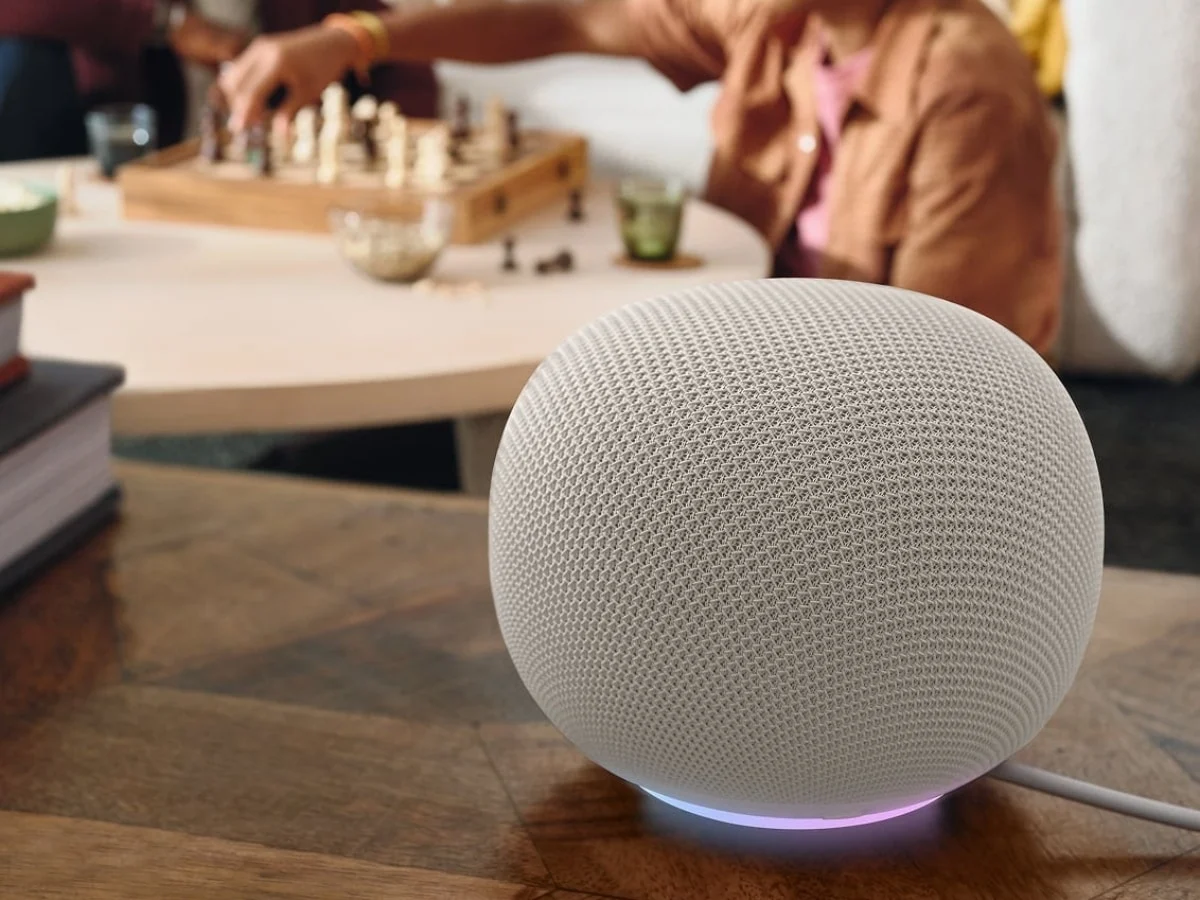
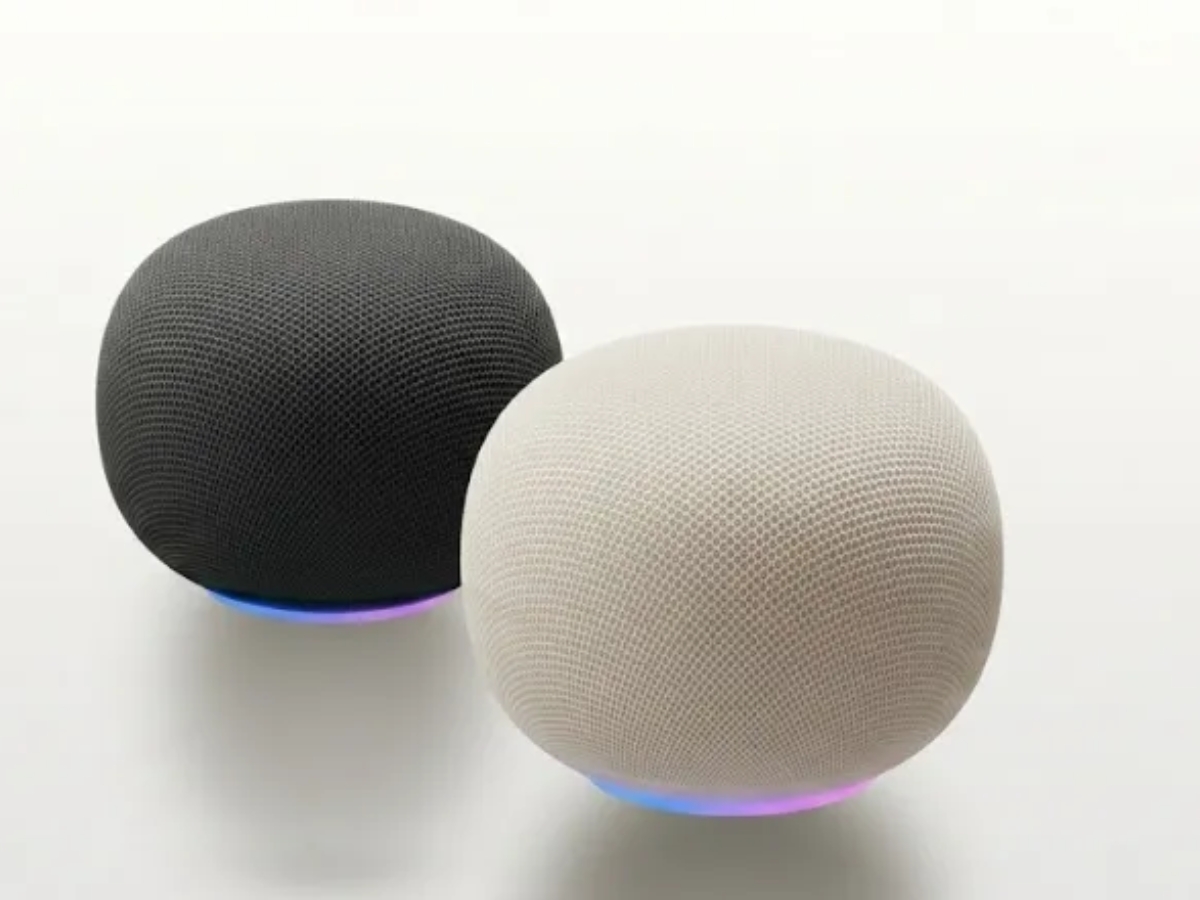
The landscape of the Australian smart home market is set for a significant transition as Google officially opens pre-orders for its latest hardware offering, the Google Home Speaker. Priced at AUD $199, the device represents the first audio-centric hardware specifically engineered to leverage Gemini, Google’s advanced suite of generative artificial intelligence. Scheduled to hit retail shelves on June 25, the speaker will be available in two distinct finishes—Hazel and Porcelain—and will be distributed through the Google Store, JB Hi-Fi, and Harvey Norman. This launch is not merely a product refresh; it signals a fundamental pivot in Google’s hardware strategy, effectively retiring the long-standing "Nest" branding for its core audio devices in favor of a unified "Google Home" ecosystem powered by Large Language Models (LLMs).
The Strategic Shift: Transitioning from Nest to Gemini
The introduction of the new Google Home Speaker coincides with the confirmed discontinuation of the Nest Mini and Nest Audio. These two devices have served as the pillars of Google’s ambient computing strategy since their respective launches in 2019 and 2020. While existing owners of Nest-branded speakers will continue to receive software updates, security patches, and customer support, the cessation of their production marks the end of an era defined by the "Google Assistant" legacy.
Industry analysts suggest that the rebranding and hardware overhaul are necessitated by the rapid advancement of generative AI. The previous generation of hardware was built to process specific, pre-defined voice commands using traditional Natural Language Processing (NLP). In contrast, the new Google Home Speaker is designed to act as a physical conduit for Gemini, which requires more robust processing capabilities to handle the nuances of conversational AI. This move aligns Google with a broader industry trend where hardware is increasingly defined by the sophisticated software services it hosts rather than its physical form factor alone.
Technical Specifications and Audio Engineering
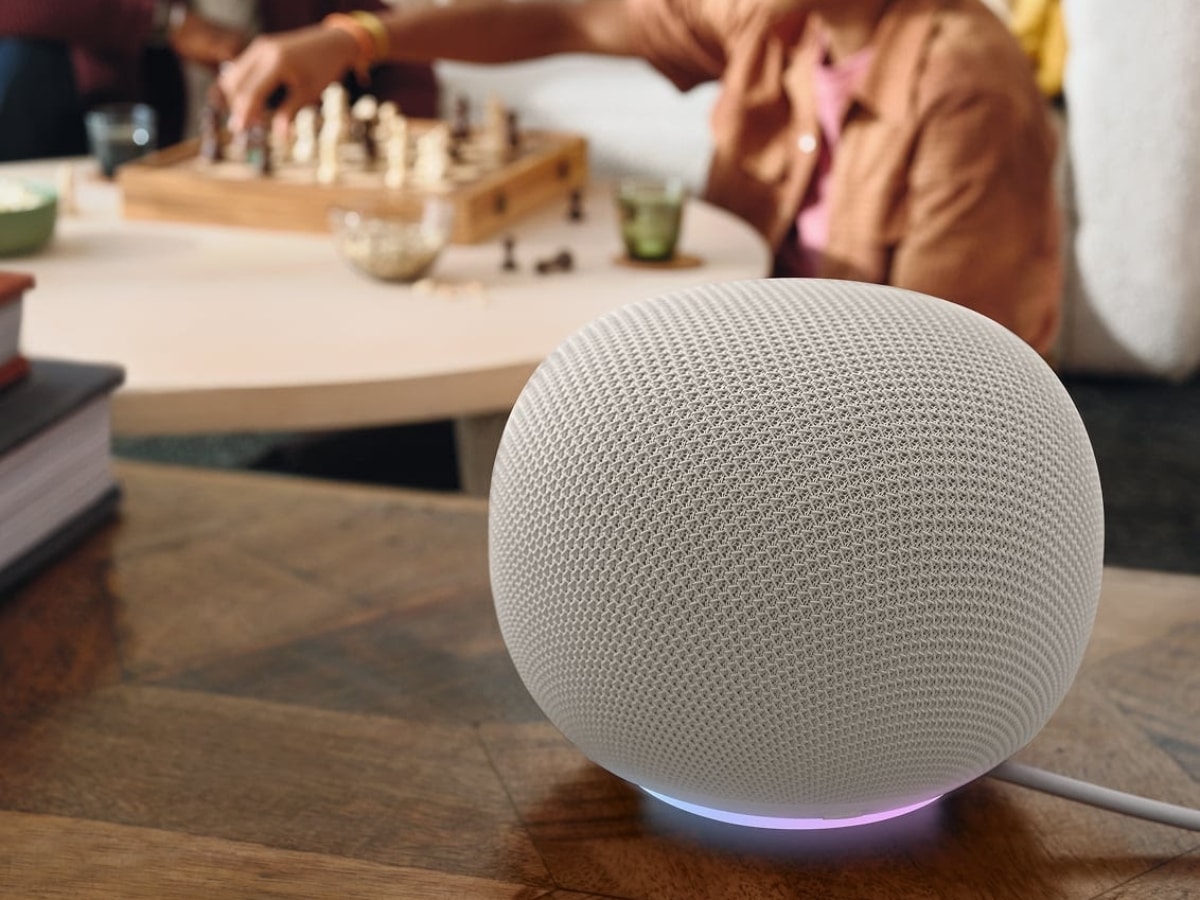
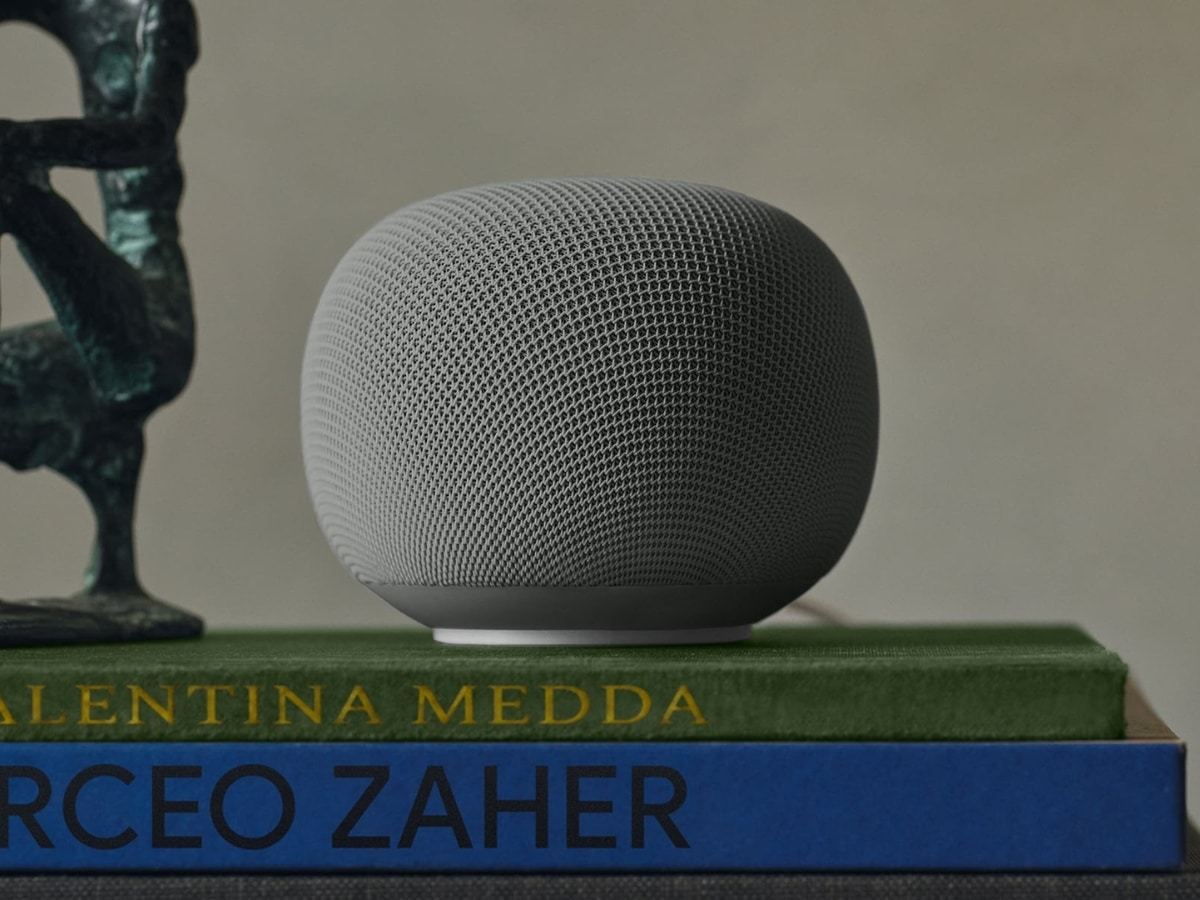
Despite its compact, rounded aesthetic, the new Google Home Speaker features a comprehensive internal redesign aimed at improving both audio output and voice recognition. The device is equipped with a 58mm full-range driver designed to provide 360-degree sound. This configuration is intended to eliminate "dead zones" in a room, ensuring a consistent acoustic experience regardless of the listener’s position.
To support the more complex demands of Gemini, Google has integrated an advanced microphone array with enhanced processing. This hardware is optimized to distinguish between ambient noise and user commands, a critical requirement for an AI that is intended to handle mid-sentence corrections and multi-part queries.

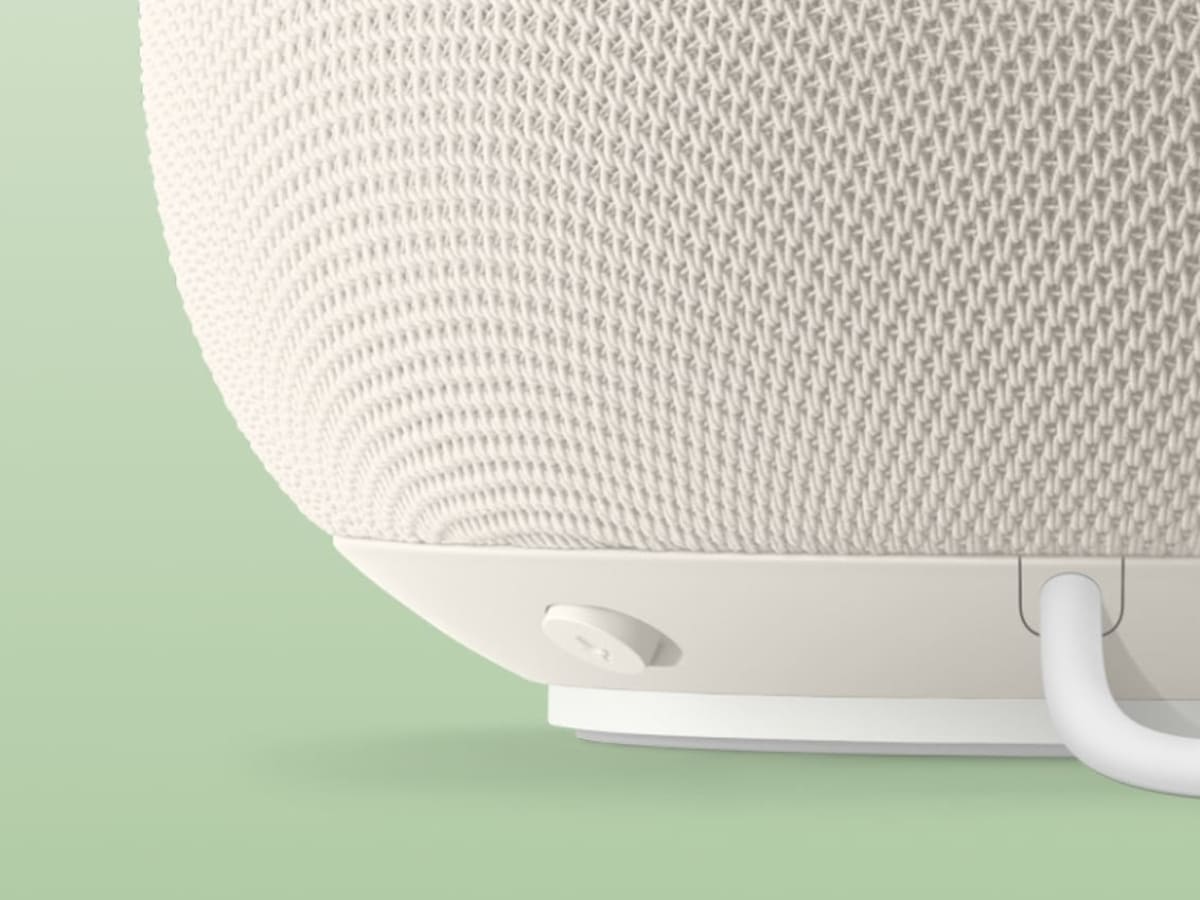
Furthermore, the device maintains compatibility with the broader Google ecosystem. It can be integrated into existing multi-room audio setups with older Nest speakers or paired with a second Google Home Speaker and a Google TV Streamer to create a spatial surround sound environment. The physical design also reflects modern environmental considerations; the speaker is encased in a custom 3D-knit textile composed of at least 37 percent recycled materials by product weight. A physical mute switch remains a fixture of the design, providing a hardware-level solution for privacy-conscious consumers.
Gemini for Home: A New Paradigm for Interaction
The primary differentiator for this hardware is the integration of "Gemini for Home." For nearly a decade, smart speakers have operated on a "command-and-control" model, where users were required to use specific syntax to achieve desired results. Gemini aims to replace this with a more fluid, context-aware interaction model.
Key functional improvements include:
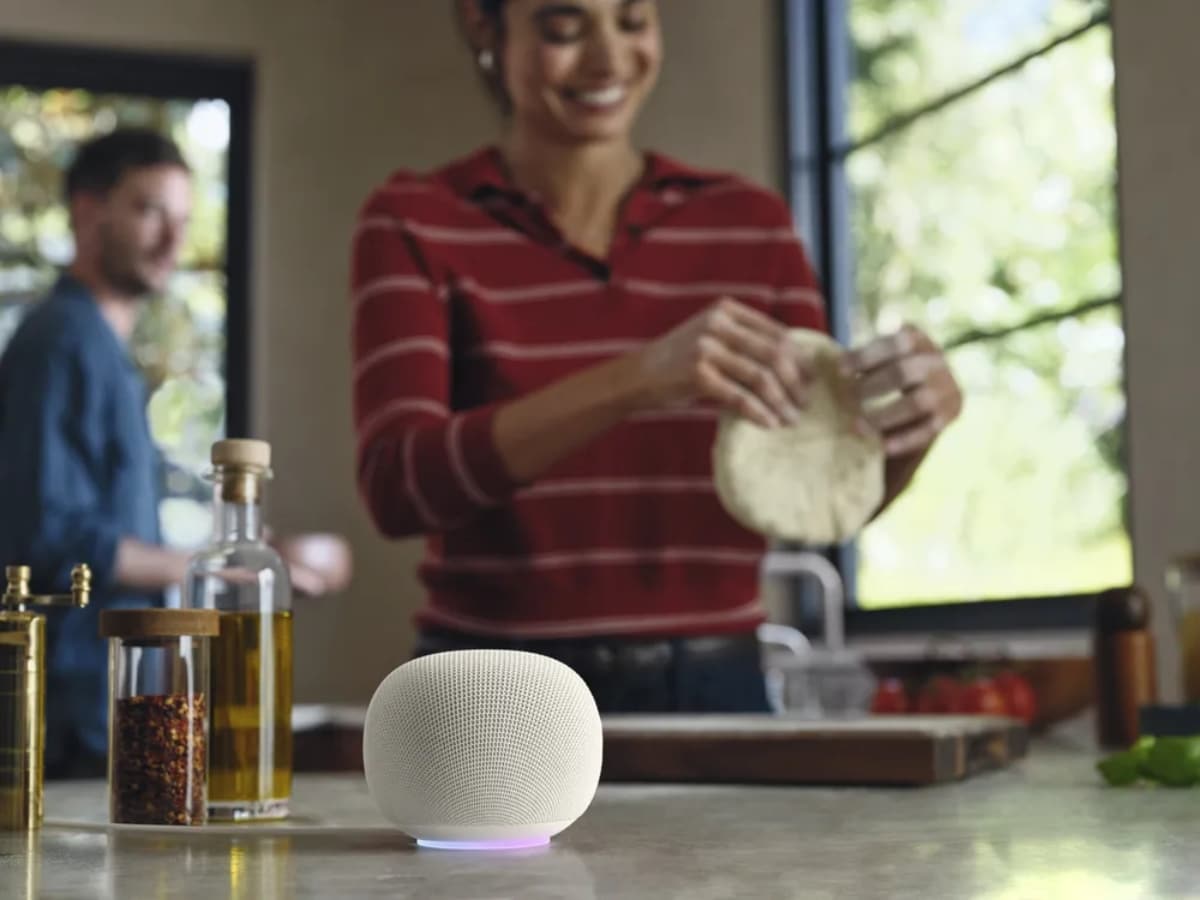
- Natural Language Handling: Users can issue complex, multi-step instructions such as "Dim the kitchen lights, start my dinner playlist, and set a rice timer for twenty minutes" in a single breath.
- Contextual Corrections: The AI is capable of processing mid-sentence changes. If a user says, "Set the alarm for 7:00 AM—no, make it 7:30," the system can identify the correction without requiring a fresh command.
- Inference and Synthesis: The system can perform tasks that require gathering information from multiple sources. For example, asking about the weather for a specific sporting event requires the AI to identify the event’s time, location, and the corresponding meteorological forecast, synthesizing this into a single response.
These advancements represent a shift from "Voice Assistant" to "AI Agent," where the device is expected to understand intent rather than just keywords.
The Subscription Model: Google Home Premium
A significant aspect of the new Google Home Speaker launch is the reliance on a subscription-based model to unlock its most advanced features. While basic voice commands and smart home controls remain free, the "headline" AI capabilities are gated behind the Google Home Premium service.
Features requiring a subscription include:
- Gemini Live: An enhanced conversational mode that allows for back-and-forth dialogue with the AI.
- Camera History Search: Utilizing AI to search through Nest Cam footage using natural language queries (e.g., "When did the delivery truck arrive?").
- Home Briefs: AI-generated summaries of home activity and daily schedules.
Google is offering a six-month trial of the Google Home Premium Standard plan for those who purchase and activate the speaker by September 30, 2026. Following the trial, the service is priced at AUD $15 per month or AUD $150 annually. This pricing strategy mirrors a wider shift in the consumer electronics industry toward "Hardware as a Service" (HaaS), where ongoing revenue is generated through software value-adds rather than one-time hardware sales.
Chronology of Google’s Smart Speaker Evolution
The release of the new Google Home Speaker is the latest chapter in a decade-long effort to dominate the domestic environment.
- 2016: Launch of the original Google Home, introducing the Google Assistant to the living room.
- 2017: Expansion into the entry-level and high-end markets with the Home Mini and Home Max.
- 2018: Introduction of the Home Hub (later Nest Hub), adding a visual dimension to the smart home.
- 2019: Rebranding of the entire portfolio to "Google Nest" to emphasize home security and integration. Launch of the Nest Mini.
- 2020: Launch of the Nest Audio, focusing on acoustic quality to compete with dedicated speaker brands.
- 2023: Integration of early-stage generative AI features into the Google ecosystem.
- 2025: Official launch of the Gemini-powered Google Home Speaker, returning to the original "Google Home" nomenclature and phasing out legacy Nest audio hardware.
Market Implications and Competitive Landscape
The Australian smart speaker market has historically been a three-way battle between Google, Amazon (Alexa), and Apple (HomePod). Google’s decision to lead with Gemini-integrated hardware puts pressure on its competitors to accelerate their own AI deployments. Amazon has already signaled that a "smarter" version of Alexa, likely requiring a subscription, is in development. Meanwhile, Apple has begun integrating "Apple Intelligence" across its ecosystem, though its HomePod line has yet to see a dedicated AI-first hardware refresh.
The move to a paid subscription model for advanced AI features is a calculated risk. While it provides a path to profitability for the immense computing costs associated with running LLMs, it may alienate users accustomed to free services. However, by bundling the speaker at a relatively accessible $199 price point, Google is positioning the hardware as an affordable entry point into what they hope will become an indispensable AI-managed household.
Privacy and Data Security in the AI Era
As smart speakers become more "intelligent," concerns regarding data privacy and the processing of domestic audio have intensified. Google has addressed these concerns by maintaining the physical microphone disconnect switch, which provides a tangible assurance that the device is not "listening" when the user desires privacy.
Furthermore, Google has stated that the processing for Gemini involves sophisticated encryption and that users maintain control over their data logs. However, the shift to generative AI means that more data is being synthesized and analyzed to provide personalized experiences. For the Australian consumer, the value proposition of a more capable AI agent will be weighed against the continued presence of an internet-connected microphone in private spaces.
Conclusion: A New Standard for Ambient Computing
The launch of the Google Home Speaker in Australia marks a definitive pivot for the tech giant. By retiring the Nest Mini and Nest Audio, Google is signaling that the era of the simple voice assistant is over. The new device is a bet on a future where the home is managed by a proactive, conversational AI capable of complex reasoning.
As the device reaches Australian consumers this June, its success will likely be measured not just by units sold, but by the adoption rate of the Google Home Premium subscription. If Gemini proves to be a significantly more useful tool than the Google Assistant it replaces, this speaker could set the standard for the next generation of ambient computing. For now, it stands as a clear indication that the smart home is no longer just about connectivity—it is about intelligence.




 Jia Lissa
 Yuyun Lusiyani
 Joko Widodo
 Eva Lovia

 Pevita Pearce