
 Jia Lissa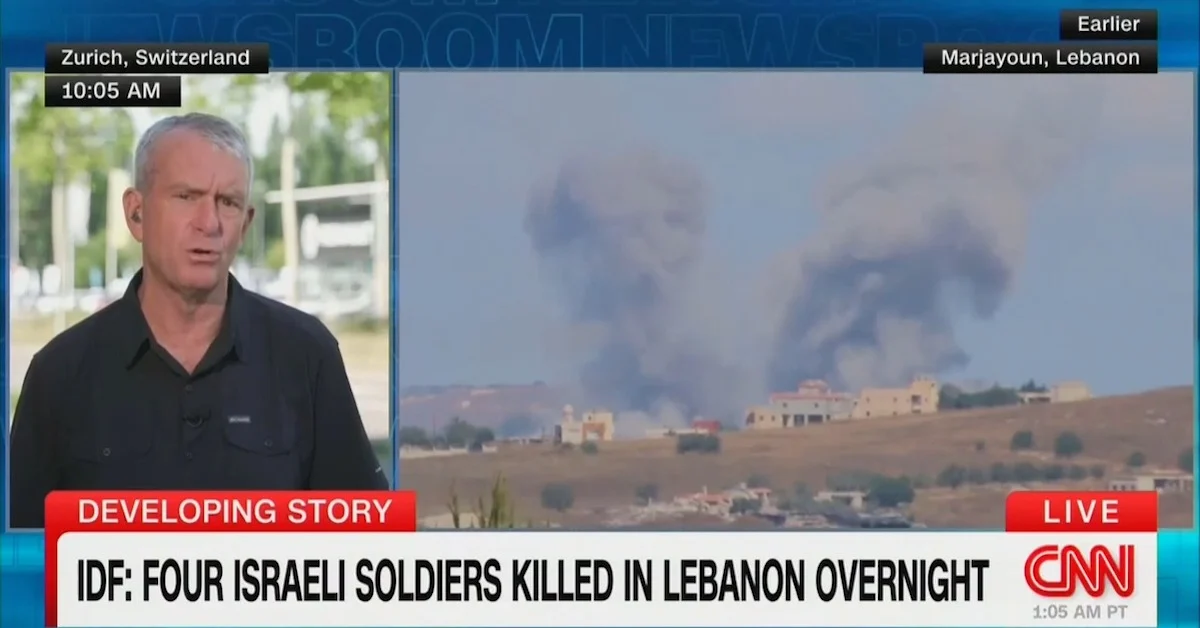
The Trump administration’s ambitious effort to reset Middle Eastern relations faced a significant logistical and diplomatic setback on Thursday evening as Vice President JD Vance’s scheduled departure for Switzerland was abruptly postponed. The trip, intended to formalize a historic and controversial 14-point memorandum of understanding (MOU) with the Islamic Republic of Iran, was derailed by a surge in military activity in southern Lebanon, where Israeli airstrikes have intensified despite the theoretical commencement of a 60-day ceasefire period. The delay underscores the volatile nature of the region and the immense difficulty the administration faces in reconciling its "America First" diplomatic overtures with the entrenched kinetic conflicts involving its closest regional allies.
The Postponement of the Swiss Summit
Vice President Vance was originally slated to travel to Switzerland on Thursday night to meet with Iranian representatives and provide the final signatures for the 14-point agreement. This document, which President Donald Trump had signed earlier in the week, represents a radical departure from previous U.S. foreign policy toward Tehran. However, as the Vice President’s motorcade and security details prepared for the transatlantic flight, the White House issued a statement confirming that the mission had been put on hold.
“The logistics of these negotiations have never been simple or predictable,” a White House spokesperson stated. “As of now, the Vice President is not departing tonight. We will let you know as soon as we have a concrete update about next steps. We look forward to beginning technical talks as soon as possible.”
The cancellation coincided with a day of heavy bombardment in Lebanon. According to Lebanon’s state-run National News Agency, at least 18 people were killed in a series of Israeli airstrikes targeting southern regions of the country. These strikes occurred on what was technically the first day of a 60-day ceasefire window mandated by the new U.S.-Iran agreement. The synchronization of the military escalation with the diplomatic timeline has raised immediate questions about the viability of the MOU and the willingness of regional actors to adhere to its provisions.
Analysis of the 14-Point Memorandum of Understanding
The agreement at the center of this diplomatic firestorm is a comprehensive framework designed to replace the defunct Joint Comprehensive Plan of Action (JCPOA) and address a broader array of security and economic issues. While the full technical details remain under wraps, the memorandum includes several high-stakes pillars:
- A 60-Day Cessation of Hostilities: The deal calls for an immediate end to military operations “on all fronts,” specifically mentioning Lebanon, where Israel has been engaged in a protracted conflict with the Iran-backed militant group Hezbollah.
- The Reopening of the Strait of Hormuz: A critical artery for global energy, the Strait has often been a flashpoint for Iranian naval provocations. The deal seeks to guarantee the unhindered flow of oil and commerce through the passage.
- The Establishment of a Reconstruction Fund: In a move that has drawn intense domestic criticism, the deal includes provisions for a fund aimed at rebuilding infrastructure in areas affected by recent conflicts, a move critics argue could indirectly benefit the Iranian government.
- Technical Nuclear Oversight: The MOU outlines a series of "technical talks" to address Iran’s nuclear enrichment program, though the specific limits on centrifuges and stockpiles are reportedly different from previous iterations of nuclear deals.
The administration has framed the MOU as a "realist" approach to foreign policy, prioritizing stability and the protection of global trade routes over the "forever wars" and "maximum pressure" campaigns of the past. However, the timing of the Israeli strikes suggests that the regional reality on the ground is moving at a different pace than the diplomatic efforts in Washington.
Regional Instability and the Lebanon Conflict
The primary catalyst for the postponement was the situation in Lebanon. For months, the Israel Defense Forces (IDF) have been conducting operations aimed at neutralizing Hezbollah’s presence along Israel’s northern border. This week, the IDF reported the loss of four soldiers in the country, highlighting the continued lethality of the ground and air campaign.
The strikes on Thursday, which resulted in 18 fatalities, are seen by analysts as a signal from the Israeli government that it does not intend to halt its security operations simply because a memorandum has been signed in Washington. The new U.S.-Iran deal specifically mandates an end to military operations in Lebanon, placing the Trump administration in a difficult position between its commitment to the new deal and its historical support for Israeli security autonomy.
CNN International Diplomatic Editor Nic Robertson, reporting from the region on Friday, noted the deteriorating optics of the situation. “Day 60 of talks yesterday, now we’re down to 59 days and no talks. That does not seem to have been a success so far,” Robertson observed. The "60-day" window was intended to be a cooling-off period to allow for the signing and implementation of the 14 points, but the continued violence suggests that the ceasefire exists only on paper.
Domestic Political Friction and Bipartisan Critique
The Trump-Vance administration’s pivot toward a deal with Iran has not only caused friction abroad but has also ignited a firestorm within the United States. The agreement has faced significant backlash from a bipartisan coalition in Congress, as well as from within the President’s own base of supporters.
Prominent conservative voices, including Mark Levin, have been vocal in their opposition. Levin recently criticized the deal point-by-point, describing it as "unthinkable" and overly beneficial to the Iranian regime. Critics argue that by offering a reconstruction fund and easing pressures, the U.S. is rewarding a state sponsor of terrorism without receiving sufficient guarantees regarding its long-term nuclear ambitions or its support for proxy groups like Hezbollah and Hamas.
Vice President Vance has pushed back against these criticisms with uncharacteristic bluntness. Earlier this week, he addressed the "weird panic" he perceived within the Israeli political system regarding the deal. In a statement that signaled a potential shift in the U.S.-Israel relationship, Vance warned that "you can’t kill your way" out of a conflict indefinitely.
“I find this whole freakout in Israel a little bit odd because I think that it comes from a place of mistrust, and I think that America has earned the trust of that region of the world,” Vance said. “We’ve done a very good job by that particular country and that particular government, and I think that the idea that we’ve made a terrible deal is not supported by the facts, but just doesn’t make any sense if you consider the broad length of the relationship.”
Economic Implications: The Strait of Hormuz and Global Energy
A central component of the MOU that the administration is keen to highlight is the stabilization of the Strait of Hormuz. Roughly 20% to 30% of the world’s total oil consumption passes through this narrow waterway daily. Any disruption there—whether through Iranian naval harassment or broader regional war—leads to immediate spikes in global energy prices and inflation.
By securing a commitment from Iran to keep the Strait open and secure, the Trump administration aims to deliver an economic win for the American consumer. Proponents of the deal argue that the "reconstruction fund" and other concessions are a small price to pay for the long-term security of global energy markets. However, the current military escalation in Lebanon threatens to spill over into a broader regional conflict that could make the "Hormuz guarantee" irrelevant.
Chronology of the Diplomatic Crisis
To understand the current deadlock, it is necessary to look at the timeline of events leading up to the postponed trip:
- Monday: President Donald Trump formally signs the 14-point Memorandum of Understanding with Iran, signaling a readiness to move toward a new diplomatic framework.
- Tuesday: The Israeli government expresses "deep concern" over the terms of the deal, specifically the lack of consultation regarding the Lebanon ceasefire provisions.
- Wednesday: Mark Levin and other high-profile conservative commentators launch a public campaign against the deal. Vice President Vance defends the administration’s stance, urging Israel to "smell the reality" of the situation.
- Thursday Morning: The 60-day ceasefire period technically begins.
- Thursday Afternoon: Israeli airstrikes hit targets in southern Lebanon, killing 18. Hezbollah retaliates with rocket fire.
- Thursday Evening: The White House announces the postponement of Vice President Vance’s trip to Switzerland, citing "logistical" and "predictability" issues.
- Friday: Diplomatic observers note that the first 24 hours of the 60-day window have passed without the commencement of the scheduled technical talks.
Broader Impact and Geopolitical Implications
The postponement of Vance’s trip is more than a scheduling conflict; it is a symptom of the friction between the administration’s "Transactional Diplomacy" and the "Ideological Warfare" that has defined the Middle East for decades. If the 60-day window expires without a formal signing or a meaningful reduction in violence, the Trump administration’s signature foreign policy initiative could collapse before it truly begins.
The situation also places the U.S. in a precarious position regarding its alliance with Israel. For decades, the U.S. has provided a diplomatic shield for Israeli military operations. However, the Vance-Trump approach suggests that the U.S. is now willing to exert pressure on its ally to accept a deal that Washington views as essential for global and domestic stability.
Furthermore, the "reconstruction fund" remains a major hurdle for domestic approval. If the administration proceeds with the deal while Israel is still actively engaged in combat with Iranian proxies, it will face accusations of funding the very entities that are attacking its closest ally.
As the 59 days remaining in the ceasefire window tick away, the White House faces the daunting task of convincing both Tehran and Jerusalem that the 14-point MOU is a viable path forward. For now, the Vice President remains in Washington, and the diplomatic mission to Switzerland remains in a state of indefinite suspension, waiting for a "concrete update" that may depend more on the developments in the hills of southern Lebanon than on the negotiation tables of Europe.

 Yuyun Lusiyani
 Joko Widodo
 Pevita Pearce
 admin
admin
