
 Amara Maple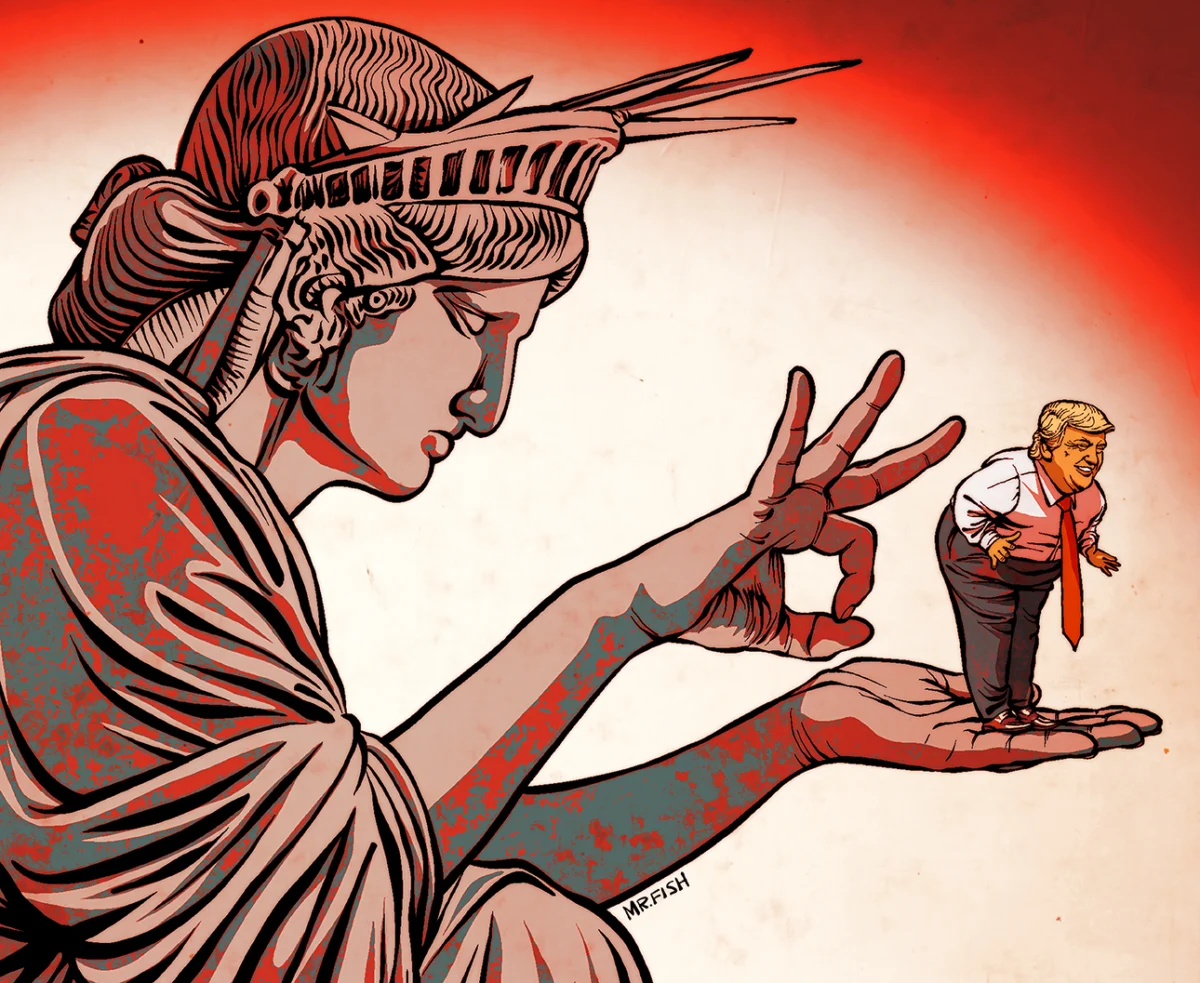
On July 22, 2026, a critical gathering of legal scholars, political figures, and public advocates will convene in Washington, D.C., for the second in a series of "watershed symposia" dedicated to exploring the constitutional and ethical grounds for the impeachment and removal of President Donald Trump. Organized by renowned consumer advocate Ralph Nader and distinguished constitutional lawyer Bruce Fein, the event aims to scrutinize a broad spectrum of alleged presidential misconduct, ranging from criminal wars of aggression and abuses of executive power to systemic corruption and attacks on democratic institutions. The symposium, slated to take place from 11:00 a.m. to 3:00 p.m. in Room 201-00 of the Senate Visitors Center, is open to the public, underscoring its organizers’ commitment to fostering robust public discourse on presidential accountability and the mechanisms available to safeguard the republic.
The Impetus: A Persistent Call for Accountability
The convening of this symposium signals a sustained and intensifying effort by Nader and Fein, both long-standing figures known for their unwavering commitment to governmental transparency and constitutional adherence, to keep the spotlight on what they perceive as profound threats to American democracy posed by President Trump’s actions. Ralph Nader, an iconic figure in American consumer protection and a perennial independent presidential candidate, has consistently challenged corporate and governmental power structures, advocating for greater public accountability and exposing perceived systemic corruption. His decades-long career is marked by a relentless pursuit of justice and a deep skepticism towards unchecked power. Bruce Fein, a former Associate Deputy Attorney General in the Reagan administration and a constitutional scholar of considerable repute, has similarly been a vocal critic of executive overreach, irrespective of party affiliation, consistently emphasizing fidelity to the U.S. Constitution and the strictures of the rule of law. His scholarly work and public commentary frequently delve into the historical intent and contemporary application of constitutional checks and balances.
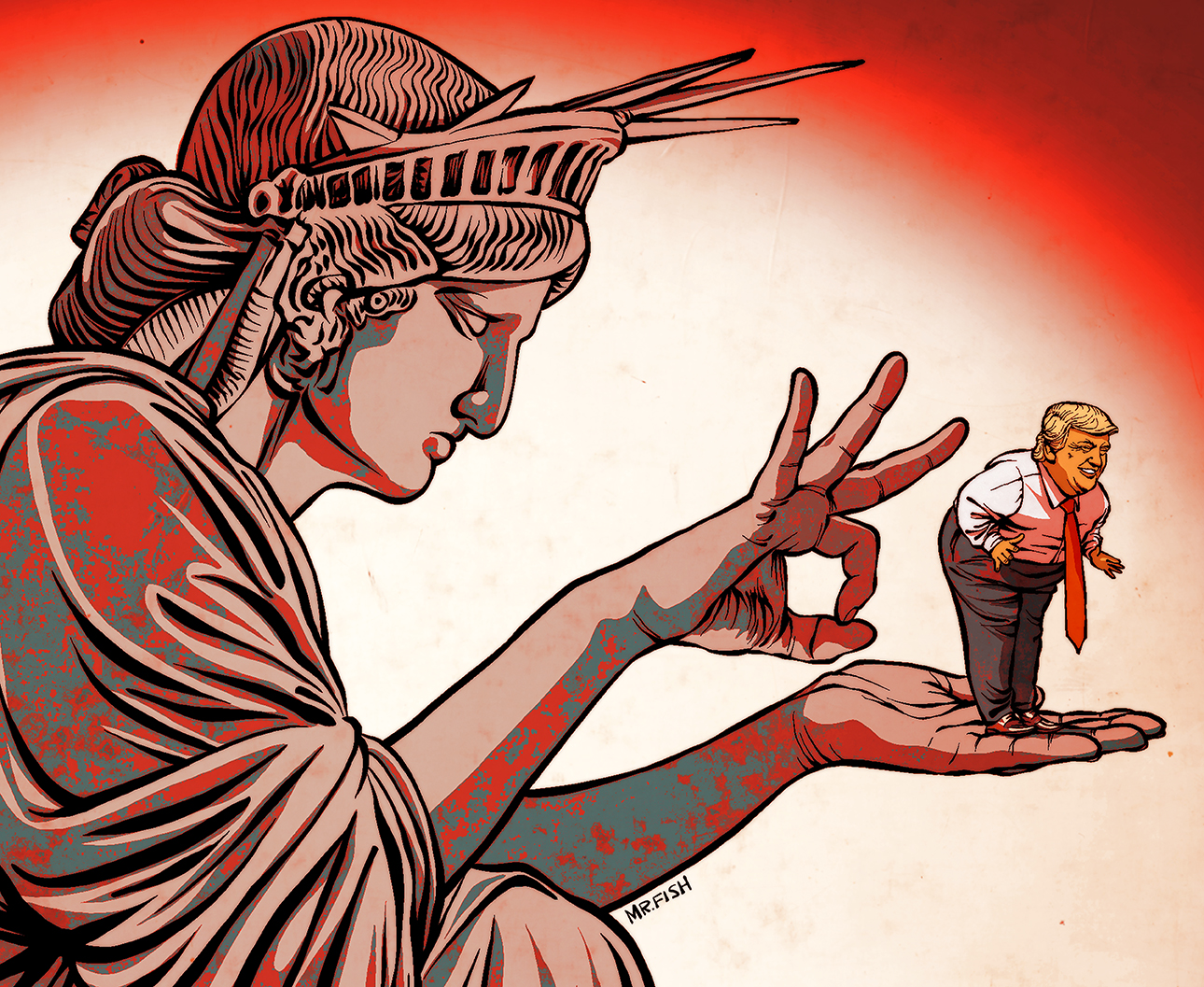
Their collaboration on this series of symposia underscores a shared conviction that the issues at hand transcend conventional partisan divides, touching upon the fundamental principles of American governance and the very definition of presidential duty. The fact that this is the "second in a series" implies that the initial symposium established foundational arguments, perhaps exploring the general constitutional framework for impeachment, and identified the initial scope of alleged misconduct. This follow-up event suggests a progression in their efforts, moving from broad conceptualization to a more detailed examination of specific charges and actionable strategies for removal. The very framing of these events as "watershed symposia" conveys a belief that the current political moment demands decisive action and a re-evaluation of the mechanisms available to safeguard the republic against what they characterize as "dictatorial ambitions." The urgency articulated by the organizers reflects a deep concern that the alleged actions of the sitting President pose an existential threat to democratic norms and institutions, necessitating a direct and public challenge through constitutional means.
Allegations Against the Sitting President: A Comprehensive Indictment
The symposium’s agenda is expansive, encompassing a formidable list of alleged transgressions that the organizers and speakers believe collectively constitute grounds for impeachment and removal from office. These allegations delve into areas traditionally considered the gravest threats to constitutional order and the rule of law, drawing directly from Article II, Section 4 of the U.S. Constitution which outlines "Treason, Bribery, or other high Crimes and Misdemeanors" as impeachable offenses.
- Criminal Wars of Aggression, Murder, and Piracy: This category points to potential violations of international law and domestic constitutional authority regarding the initiation of military action, the use of force, and the targeting of individuals. It raises profound questions about the scope of presidential war powers, specifically whether the President has overstepped the bounds of congressional authorization for military engagements or engaged in actions that could be construed as violations of international humanitarian law. Such charges, if substantiated, would represent a severe challenge to the President’s authority as Commander-in-Chief and could potentially invoke principles of international criminal accountability.
- Kidnapping, Bribery, Extortion, and Auctioning Off Pardons: These are direct accusations of criminal conduct and abuse of office for personal or political gain. "Kidnapping" could refer to actions related to specific immigration policies, the detention of individuals without proper legal process, or other instances where governmental power is allegedly used to unlawfully deprive individuals of their liberty. "Bribery" and "extortion" imply the use of presidential power to illicitly obtain benefits, financial or otherwise, or to coerce individuals and entities. The charge of "auctioning off pardons" suggests a transactional approach to the presidential power of clemency, transforming a constitutional check on judicial power into a corrupt commodity, thereby undermining the integrity of the justice system and the principle of equal application of the law. These types of allegations directly fall under the "Bribery" and "high Crimes and Misdemeanors" clauses of the impeachment provision.
- Refusing to Faithfully Execute the Laws: Article II, Section 3 of the Constitution mandates that the President "shall take Care that the Laws be faithfully executed." This allegation suggests a deliberate and systematic failure to uphold statutory obligations, perhaps by selectively enforcing laws, actively obstructing investigations, or dismantling regulatory frameworks without legal basis or congressional approval. Such actions would represent a profound challenge to the constitutional order, where the President’s role is to implement, not selectively override, the will of Congress.
- Abusing Prosecutorial Discretion: This refers to the alleged manipulation of the Department of Justice and other law enforcement agencies to "reward political friends or donors and to harass political opponents." Such actions would represent a severe breach of the separation of powers and the principle of equal justice under the law, transforming the impartial administration of justice into a tool of political vendetta. This alleged politicization of law enforcement strikes at the core of the justice system’s independence and fairness.
- Employing Government Power to Punish or Silence Critics: This accusation targets the alleged weaponization of federal agencies, regulatory bodies, and resources to stifle dissent, intimidate journalists, or retaliate against individuals critical of the administration. This directly challenges First Amendment protections of free speech and press, and the foundational democratic principle that a government should be accountable to its citizens, not punitive towards its critics.
- Ruling by Decree Through Bogus Declarations of National Emergencies: The use of national emergency declarations to bypass legislative processes and implement executive policies is seen by critics as an overreach of presidential power. If such declarations are deemed "bogus" or without legitimate factual basis, they erode the legislative authority of Congress and concentrate unchecked power in the executive branch, transforming a legitimate emergency power into a tool for unilateral governance. This undermines the constitutional design of shared power and legislative supremacy in lawmaking.
- Racist, Xenophobic Attacks on Immigrants: While not typically considered direct impeachable offenses in themselves unless they lead to specific criminal acts or abuses of power, persistent rhetoric and policies deemed discriminatory can contribute to a pattern of behavior that undermines constitutional values, particularly the Fourteenth Amendment’s guarantee of equal protection and the principles of human dignity. When such attacks are translated into policy that separates families, detains individuals without due process, or targets specific ethnic or racial groups, they can be seen as an abuse of the presidential platform and a dereliction of the duty to represent all Americans.
- Decapitating Consumer Welfare, Health, Safety, and Environmental Agencies: This refers to the systematic weakening or dismantling of regulatory bodies designed to protect public interests. Critics argue that such actions, often achieved through budget cuts, deregulation, and appointments of industry-friendly officials, undermine the government’s role in safeguarding its citizens and the environment, potentially leading to widespread harm


 Jia Lissa
 Yuyun Lusiyani
 Joko Widodo
 Eva Lovia

 Pevita Pearce