
 Eva Lovia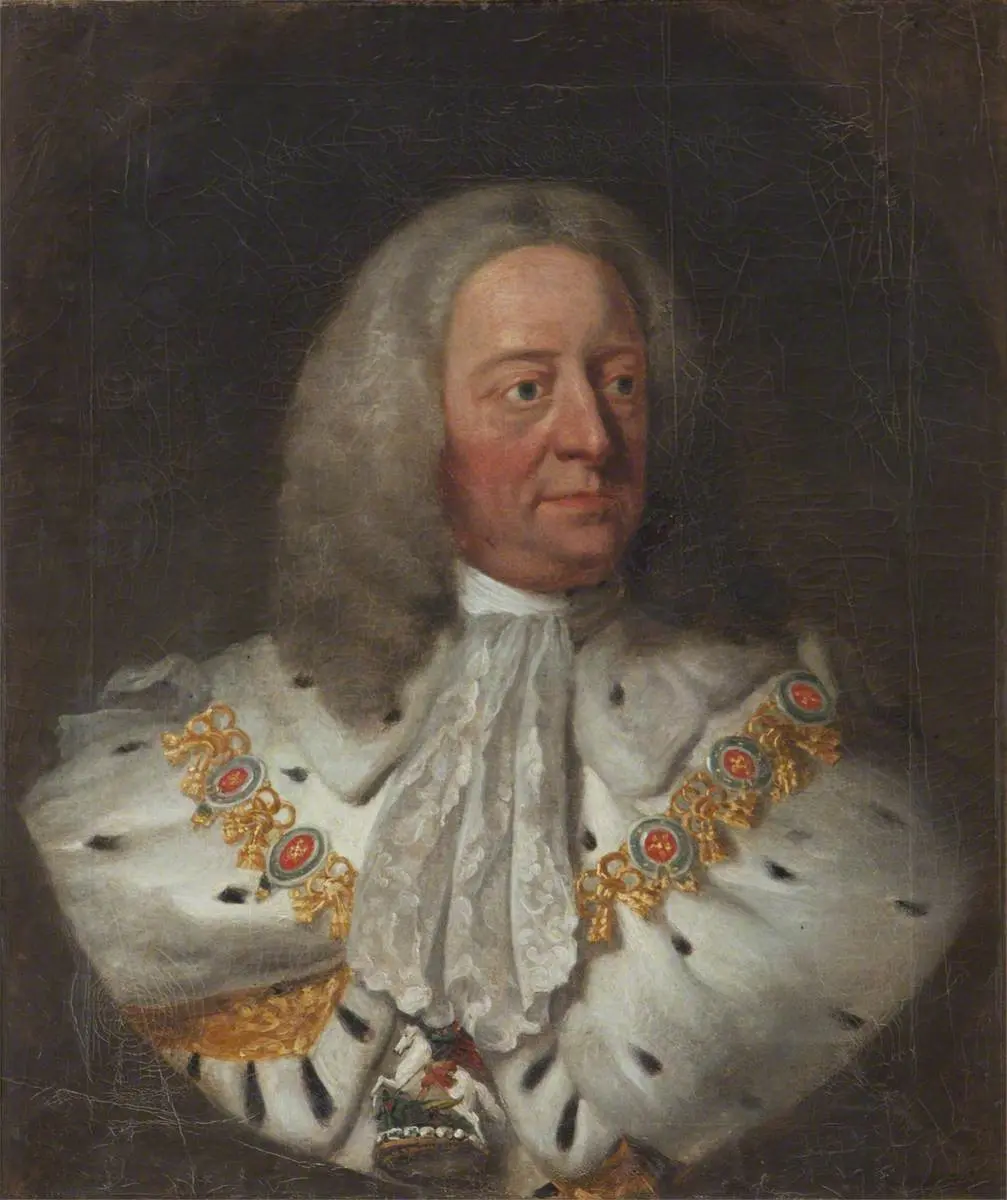
October, a month synonymous with the vibrant hues of changing leaves and a crisp, invigorating atmosphere, has a peculiar and significant connection to the English and British monarchies. It is a month that has witnessed the births of five kings who would eventually ascend to the throne, each with a unique trajectory and legacy. From the earliest days of English royalty to the Georgian era, these monarchs, born under the autumnal sky, carved their paths through tumultuous reigns, securing their places in the annals of history. This exploration delves into the lives and reigns of Henry III, Richard III, Edward VI, James II, and George II, examining the circumstances of their births, their ascents to power, and the lasting impact of their rule, all marked by their shared autumnal birthdates.
The Dawn of an October Reign: Henry III (1207-1272)
The distinction of being the first English monarch born in October belongs to Henry III, who entered the world on October 1st, 1207, in Winchester. His birth was a pivotal moment for his father, King John, a monarch whose reign was marred by conflict and controversy. John, who had ascended the throne in 1199, desperately needed a male heir to solidify his dynasty and ensure the continuity of the crown amidst internal dissent and external threats, most notably the challenges posed by the French monarchy and the rebellious English barons. Henry’s mother, Isabella of Angoulême, was a French noblewoman who brought with her significant lands and influence, though her marriage to John was a complex political alliance. Isabella was approximately 19 years old at the time of Henry’s birth, a common age for marriage and childbearing among European royalty of the era.
Henry’s path to kingship was accelerated by tragedy and political upheaval. His father, King John, died on October 18th, 1216, a date that would become intrinsically linked to the beginning of Henry’s reign. Consequently, at the tender age of nine, Henry was proclaimed King of England on October 19th, 1216. His coronation followed swiftly on October 28th of the same year, cementing his status as an "October King" not just by birth but by the very timing of his accession. This early ascension meant that Henry’s formative years were shaped by the regency of powerful nobles and the ongoing struggles to maintain royal authority. His reign, which lasted over fifty years, was one of the longest in English history, marked by periods of both consolidation and significant challenge. He faced numerous baronial revolts, most notably the Second Barons’ War, and played a key role in the development of English parliamentary institutions, though often through reluctant concessions. His patronage of Westminster Abbey and his deep piety also left a lasting architectural and religious legacy.
A Claim Forged in Conflict: Richard III (1452-1485)
In stark contrast to Henry III, Richard III’s birth on October 2nd, 1452, at Fotheringhay Castle in Northamptonshire, did not immediately signal a destiny of kingship. He was the twelfth child of Richard, Duke of York, a powerful magnate whose lineage placed him in a strong position to claim the throne. At the time of Richard’s birth, his father had just been appointed Protector of England, a role he assumed due to the incapacitating mental health struggles of King Henry VI. While his father was a formidable force in the political landscape, young Richard was born into a world of noble privilege rather than as a direct heir apparent. The precariousness of his father’s position and the turbulent political climate of the Wars of the Roses meant that the path to the throne was far from assured.
The ensuing years were dominated by the escalating conflict between the Houses of Lancaster and York. Richard’s father, the Duke of York, pressed his claim to the throne, leading to a protracted and bloody struggle for supremacy. Richard himself grew up amidst this turmoil, witnessing firsthand the power plays and battles that defined the era. He served with distinction in various military campaigns for his brother, King Edward IV, demonstrating considerable military prowess. It was only after the mysterious disappearance and presumed deaths of his nephews, the Princes in the Tower, that Richard, as the closest living male relative of Edward IV, was able to claim the throne in 1483. His ascension, though controversial, placed him as a monarch born in October, though his reign was tragically short, culminating in his death at the Battle of Bosworth Field in 1485, a pivotal moment that marked the end of the Wars of the Roses and the beginning of the Tudor dynasty.
The Long-Awaited Heir: Edward VI (1537-1553)
The birth of Edward VI on October 12th, 1537, at Hampton Court Palace, represented the fulfillment of a profound national and dynastic desire. His father, King Henry VIII, had been desperately seeking a male heir to secure the Tudor succession. After two daughters, Mary and Elizabeth, from his previous marriages, the birth of a son to his third wife, Jane Seymour, was met with immense relief and celebration across the kingdom. The birth followed three arduous days of labour for Jane Seymour, who tragically succumbed to childbed fever shortly after delivery, a common and devastating complication of childbirth during that period. This loss cast a shadow over the joy of the royal birth, highlighting the perilous nature of royal succession.

Similar to Henry III, Edward VI ascended the throne at a young age. He became king on January 28th, 1547, upon the death of his father, making him nine years old at the time of his accession. His reign, however, was considerably shorter than that of Henry III. Edward was a devout Protestant, and his reign saw the further entrenchment of the English Reformation, with significant reforms implemented in the Church of England. Despite his young age, he displayed a keen intellect and a strong will, actively participating in the governance of the realm under the guidance of his regents, notably his uncle Edward Seymour, Duke of Somerset, and later John Dudley, Duke of Northumberland. Edward VI’s health, however, was fragile. He died in 1553, just shy of his sixteenth birthday, leaving behind a kingdom grappling with religious division and political intrigue. His early death thwarted attempts to establish a Protestant succession, ultimately paving the way for the ascension of his half-sister, Mary I.
A Tumultuous Path to the Crown: James II (1633-1701)
James II’s birth on October 14th, 1633, at St. James’s Palace in London, placed him as a younger son in a royal family already well-provided with an heir. His father, Charles I, had been king for eight years, and his elder brother, Charles, was the recognized successor. His mother, Henrietta Maria of France, a Catholic princess, faced challenges in gaining widespread acceptance among the predominantly Protestant English population, despite her cultural influence and her ability to produce numerous children for the royal nursery. James’s early life was profoundly shaped by the tumultuous events of the English Civil War, a conflict that ultimately led to the execution of his father in 1649.
Following the execution of Charles I, the monarchy was abolished, and England was declared a republic. James spent his adolescence and early adulthood in exile, primarily in France and the Spanish Netherlands, gaining military experience in the service of continental powers. The Restoration of the Monarchy in 1660, with the ascension of his elder brother Charles II, brought James back to England. He played a significant role in his brother’s reign, serving as Lord High Admiral and leading military campaigns. However, his open Catholicism and perceived autocratic tendencies generated considerable suspicion and opposition among the Protestant establishment. Despite these challenges, he succeeded his brother in 1685, becoming King James II. His reign was marked by attempts to promote religious tolerance for Catholics and to strengthen royal prerogative, actions that alienated powerful segments of society. This culminated in the Glorious Revolution of 1688, when he was deposed and replaced by his Protestant daughter Mary II and her husband, William III. James II died in exile in 1701, his reign a cautionary tale of a monarch struggling against the prevailing political and religious currents of his time.
The Hanoverian Ascendant: George II (1683-1760)
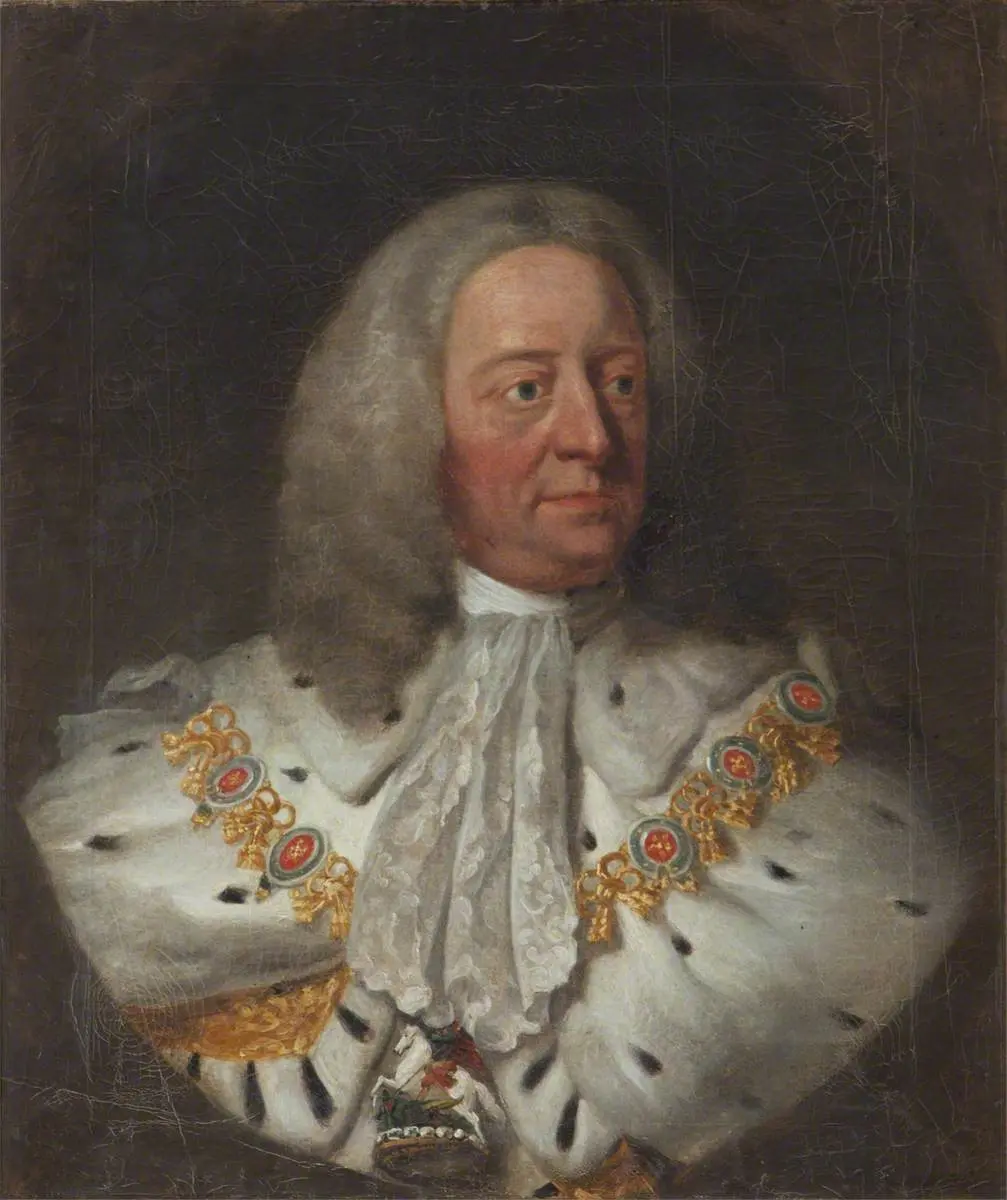
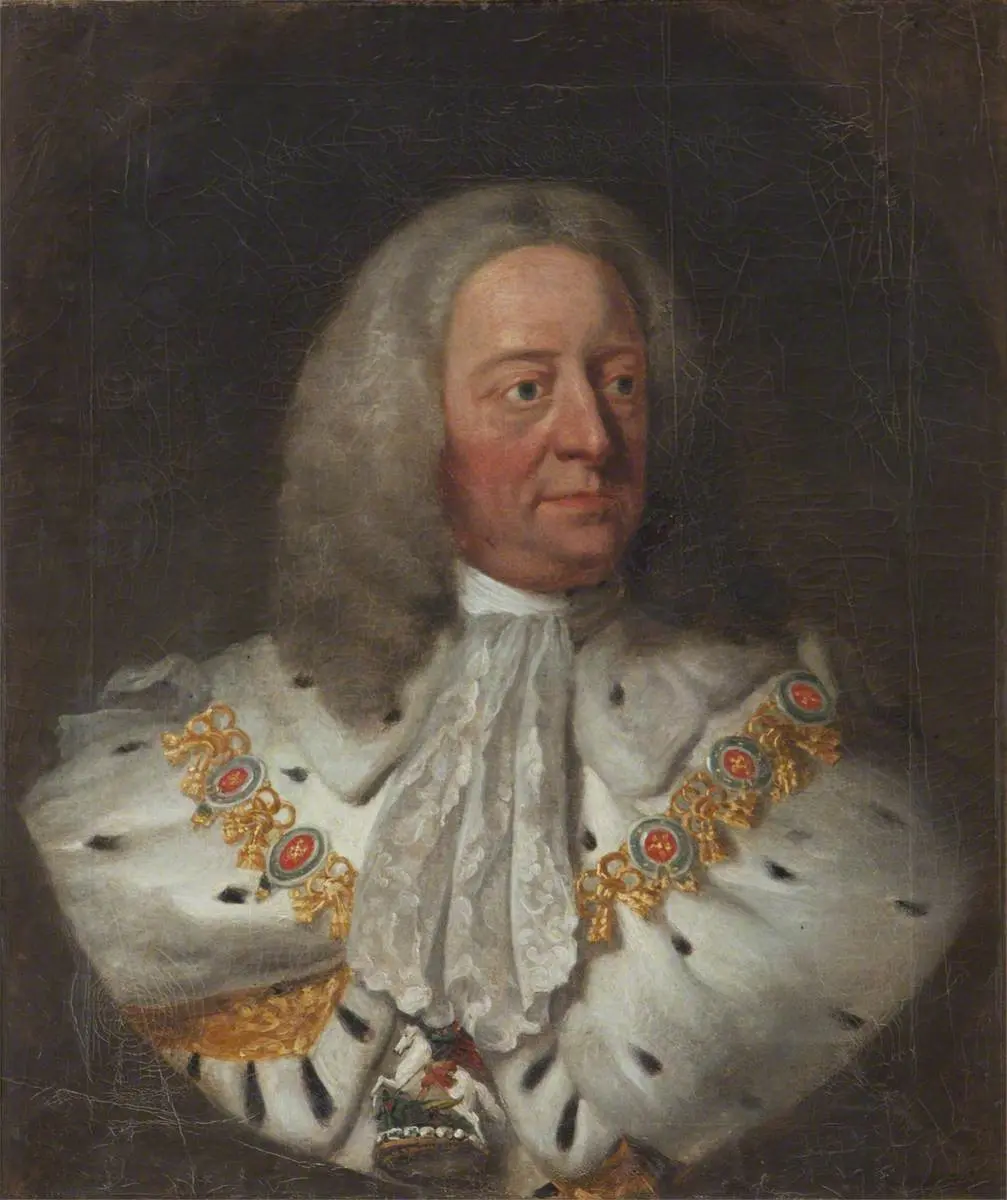
The final "October King" in this distinguished group is George II, born on October 30th, 1683, in Hanover, Germany. When Sophia Dorothea of Celle gave birth to her first child, a son, the young prince was heir to a dukedom within the Holy Roman Empire, not the British throne. The path to kingship for George was indirect and contingent upon a complex dynastic arrangement. His mother, Sophia of Hanover, was the granddaughter of James I of England. Due to the Act of Settlement of 1701, which aimed to secure a Protestant succession to the English throne, the descendants of Sophia of Hanover were designated as heirs after the death of Queen Anne, who had no surviving children.
Seventeen years after his birth, George’s father, George Louis, Elector of Hanover, became heir to the British throne following the death of Queen Anne. In 1706, George himself was created Duke of Cambridge, signifying the Hanoverian family’s increasing proximity to the British crown. He first arrived in England in 1714, the year his father ascended the throne as George I. George II himself became king in 1727, inheriting a throne and a kingdom that was still navigating the complexities of the Hanoverian succession and its relationship with continental Europe. His reign, which lasted for 33 years, was a period of significant political and military development for Great Britain. He presided over the Jacobite rising of 1745, a major threat to the Hanoverian dynasty, and his reign saw Britain emerge as a dominant global power, particularly during the Seven Years’ War. George II was the last British monarch to have a birthday in October, a fitting end to a historical thread that wove together the cycles of nature with the progression of royal lineage.
Broader Implications and Historical Significance
The convergence of these five monarchs’ births in October offers a fascinating lens through which to view English and British history. It highlights the unpredictable nature of royal succession, where birthright could be significantly altered by political upheaval, dynastic shifts, and the vagaries of fate. Each of these kings faced unique challenges, from establishing their right to rule to navigating religious conflicts, civil wars, and the evolving landscape of European power.
The reigns of these "October Kings" collectively span centuries of profound transformation. Henry III laid foundations for parliamentary development; Richard III’s brief and controversial reign marked a pivotal end to a dynastic war; Edward VI steered England further into the Protestant Reformation; James II’s reign illustrated the enduring tensions between monarchical power and religious dissent; and George II oversaw Britain’s rise as a global superpower. Their autumnal birthdays serve as a constant reminder that even amidst the grandeur of monarchy, the rhythm of nature and the timing of events play an undeniable role in shaping the course of history. The study of their lives, therefore, offers not only a chronicle of royal succession but also a deeper understanding of the forces that shaped England and, subsequently, the United Kingdom.


 Yuyun Lusiyani
 Joko Widodo
 Jia Lissa
 Pevita Pearce
 admin
admin