
 Lina Irawan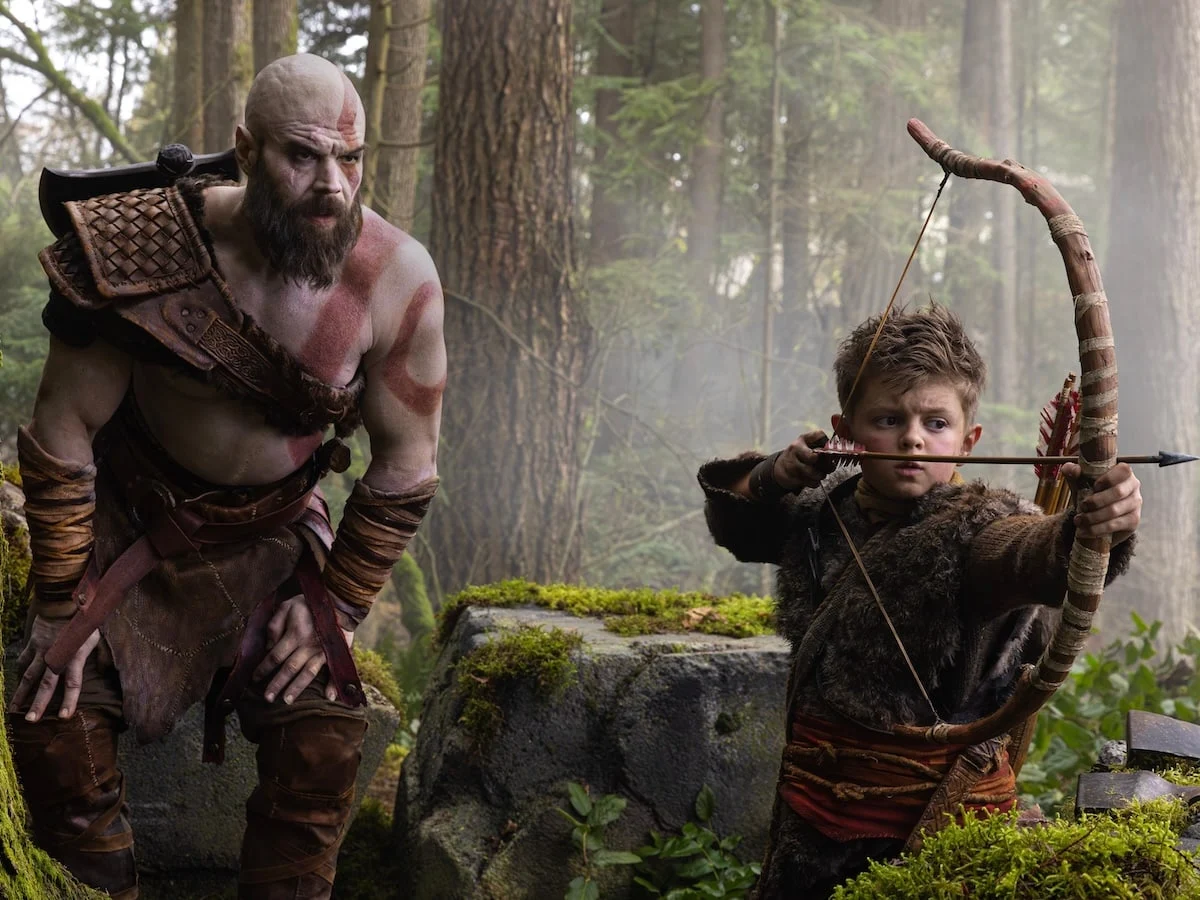
The ambitious live-action adaptation of the critically acclaimed God of War video game franchise has encountered a significant production hurdle as lead actor Ryan Hurst has been forced to vacate the role of Kratos following a severe on-set injury. The project, a high-profile collaboration between Amazon MGM Studios and Sony Pictures Television, was well into its filming schedule in Vancouver when the incident occurred. Reports indicate that Hurst suffered a complete bicep tear while performing a complex stunt in June 2026, an injury that has necessitated immediate surgery and a prolonged rehabilitation period. While the actor is currently in recovery, the recovery timeline—estimated to extend well into 2027—has proven incompatible with the production’s rigid shooting schedule, leaving the studio with no choice but to seek a new lead for the iconic role of the Ghost of Sparta.
The Nature of the Injury and Immediate Production Impact
The injury took place during the height of production on the show’s first season. Ryan Hurst, who had undergone a rigorous physical transformation to embody the mythic strength of Kratos, was reportedly engaged in a high-intensity action sequence when the bicep tear occurred. Medical experts note that a distal bicep tendon rupture, particularly in an athlete or actor carrying significant muscle mass, often requires surgical reattachment and months of physical therapy before full range of motion and strength can be restored.
For a role as physically demanding as Kratos—a character defined by his immense power and visceral combat style—the inability to perform stunts or maintain the character’s physique is a prohibitive factor. According to sources close to the production, Hurst had gained approximately 20 kilograms of muscle mass in preparation for the role, a feat of physical conditioning that underscores the tragedy of the accident. The studio’s decision to move forward without him was reportedly driven by the financial and logistical impossibility of pausing a production of this scale for over a year.
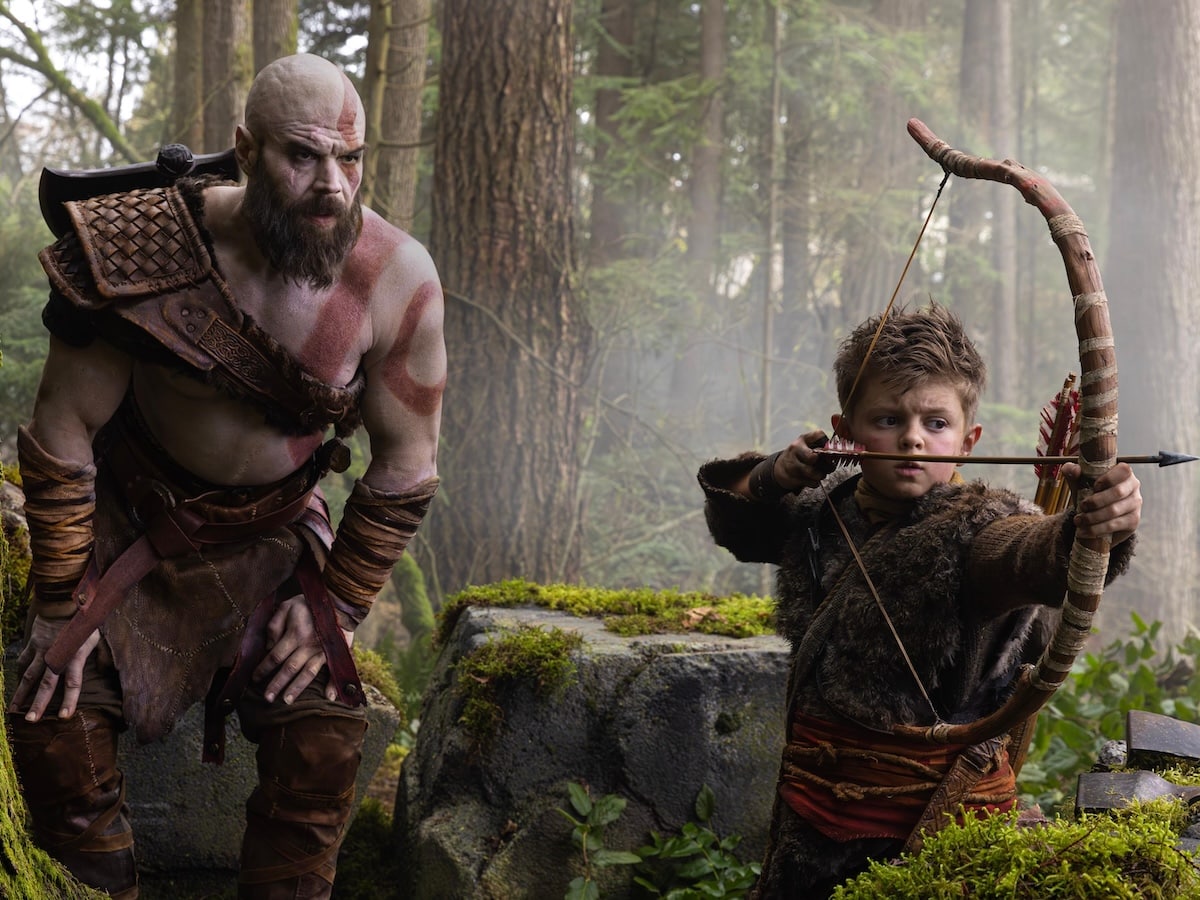
The setback is compounded by the fact that four episodes of the series had already been completed with Hurst in the lead role. With the recasting, Amazon MGM and Sony Pictures TV face the daunting task of reshooting all of Kratos’s scenes from the initial episodes. This process will not only incur significant additional costs but will also require the supporting cast, including child actor Callum Vinson, who portrays Kratos’s son Atreus, to return to the set to recreate their performances opposite a new lead actor.
Chronology of the God of War Adaptation
The journey to bring God of War to the small screen has been a long and scrutinized process, beginning with the official announcement of the series in 2022. The show is intended to adapt the "Norse Era" of the franchise, which began with the 2018 game developed by Santa Monica Studio. This era saw a shift in the character of Kratos from a vengeful Greek god to a more somber, paternal figure navigating the realms of Norse mythology alongside his son.
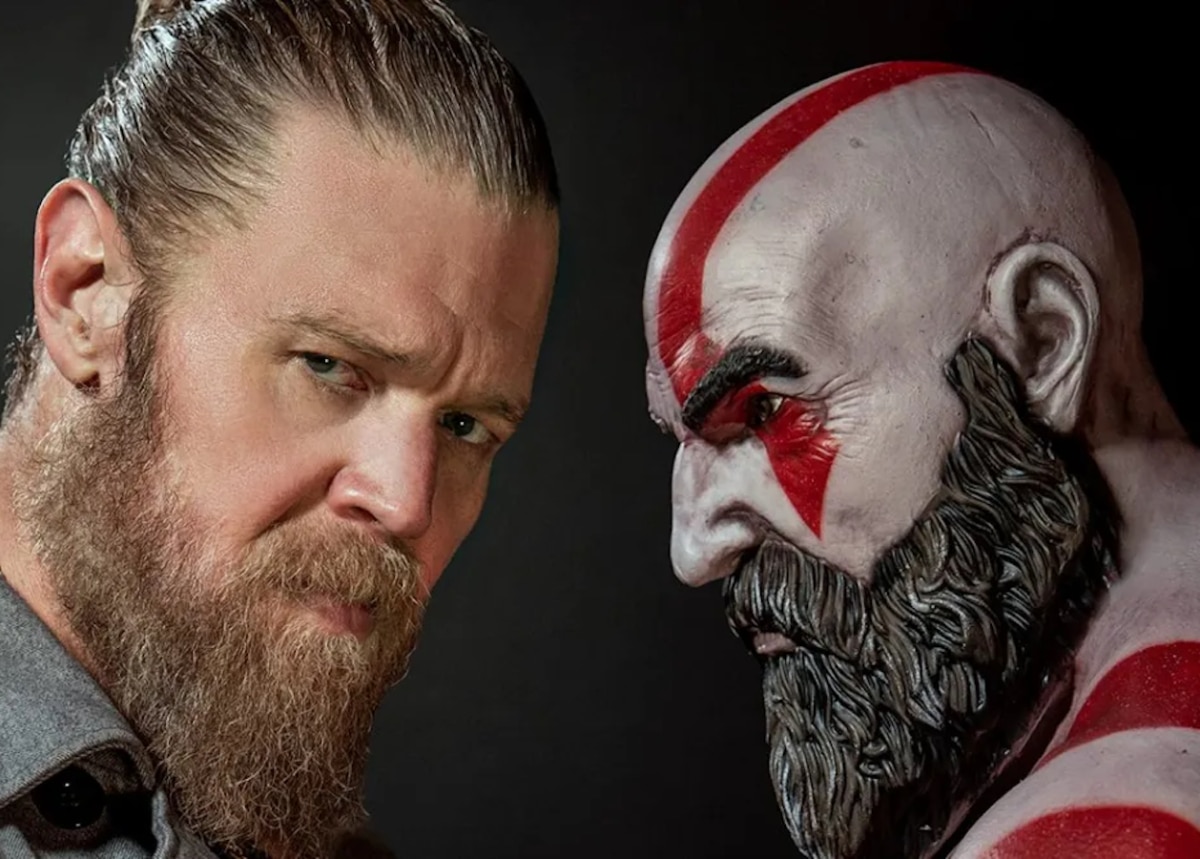
In January 2026, Ryan Hurst was officially announced as the lead. The casting was met with widespread approval from the fanbase, as Hurst had previously voiced the character of Thor in the 2022 game God of War: Ragnarök. His deep, resonant voice and imposing physical presence were seen as a natural fit for the live-action iteration of Kratos. Filming commenced in early 2026 in Vancouver, a hub for high-budget genre television, with the production aiming for a 2027 release date. The June 2026 injury has now shifted the production goalposts, with the studio reportedly aiming to resume filming with a new lead by October 2026.
The Challenge of Replacing an Icon
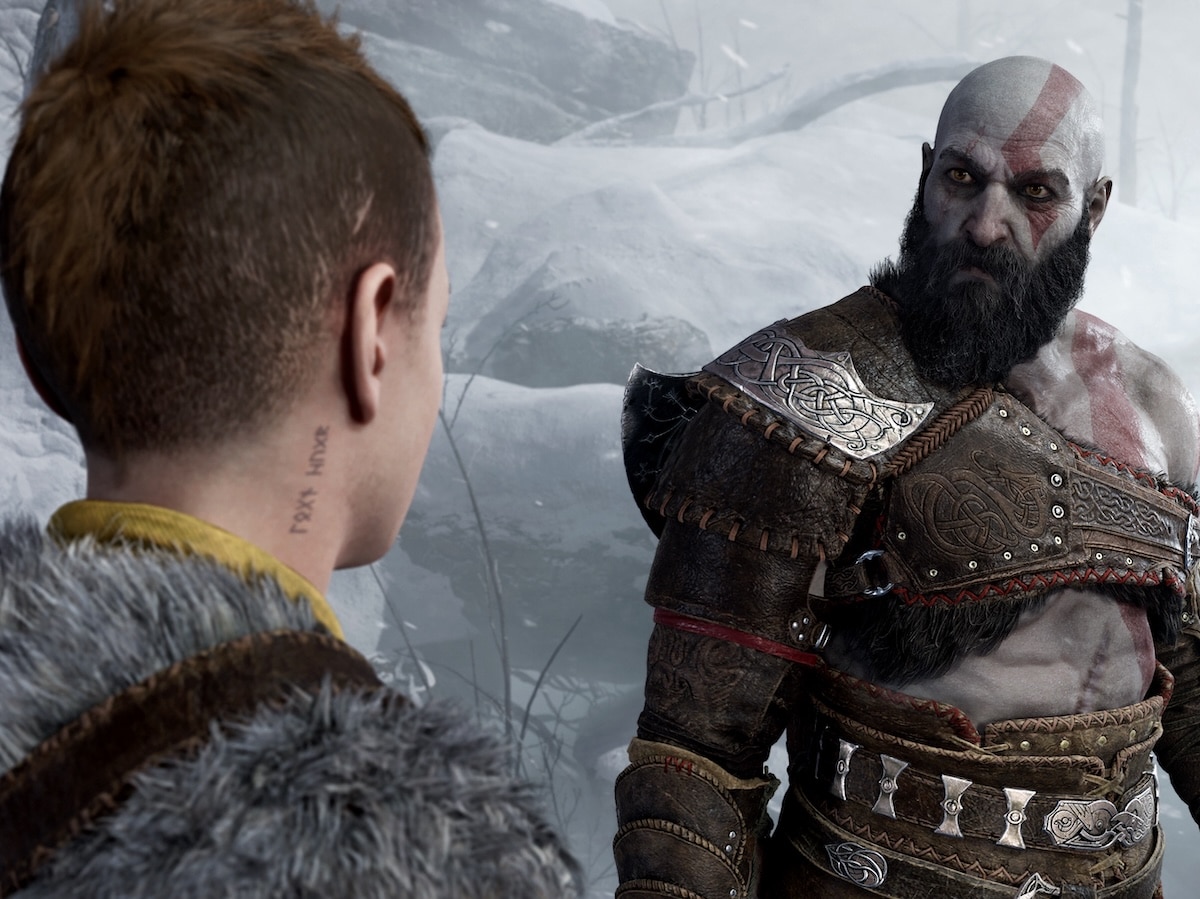
Recasting the role of Kratos presents a unique challenge for the showrunners. The character is one of the most recognizable figures in modern entertainment, having been defined for years by the award-winning performance of Christopher Judge in the video game series. Judge’s portrayal set a high bar for emotional depth and physical gravitas, making the search for a live-action counterpart a delicate balancing act between fan expectations and narrative requirements.

The studio is now tasked with finding an actor who possesses not only the physical stature required for the "God of Strength" but also the acting range to portray a father struggling with a violent past. Industry insiders suggest that the search is currently underway, with Amazon MGM looking for a replacement who can step into the role with minimal delay. The October restart date is seen as critical to maintaining the series’ overall momentum and securing the availability of the broader ensemble cast.
Supporting Cast and Creative Vision
Despite the upheaval at the top of the call sheet, the remainder of the cast remains intact. Callum Vinson will continue his role as Atreus, a character central to the emotional core of the series. The show has also secured a prestigious supporting cast to fill out the Norse pantheon. Mandy Patinkin, known for his roles in Homeland and The Princess Bride, is set to play Odin, the All-Father and primary antagonist of the series. Patinkin’s casting suggests a version of Odin that leans into the character’s reputation as a manipulative and intellectual threat rather than a purely physical one.
Other confirmed cast members include:
- Ed Skrein as Baldur, the invulnerable son of Freya and the primary physical foil to Kratos in the early narrative.
- Ólafur Darri Ólafsson as Thor, the God of Thunder, a role Hurst himself played in the games.
- Teresa Palmer as Sif, the wife of Thor.
- Alastair Duncan as Mimir, the "smartest man alive" and Kratos’s eventual companion.
- Max Parker as Heimdall, the ever-vigilant watchman of the Aesir.
The series is being developed with a two-season order already in place, signaling the studio’s long-term commitment to the intellectual property. The creative team has emphasized a commitment to the "prestige television" format, following the successful blueprint established by HBO’s The Last of Us, which demonstrated that video game adaptations could achieve both critical acclaim and commercial success when treated with narrative seriousness.
Economic and Industry Implications
The recasting of a lead actor mid-production is a rare and costly occurrence in the television industry. The financial implications for Amazon MGM and Sony Pictures TV are substantial, involving not only the cost of reshooting four episodes but also the potential loss of tax incentives and the complications of insurance claims. Most major productions carry "cast insurance" to protect against injuries to key personnel, but the logistics of replacing a lead and overhauling a production schedule often exceed the immediate insurance payouts.
Furthermore, this event highlights the physical risks associated with the current era of "action-heavy" prestige television. As studios strive for greater realism and spectacle, the demands on actors have increased. Similar injuries have impacted other major productions in recent years, such as Henry Cavill’s hamstring injury on the set of The Witcher, though few have resulted in a complete recasting of the lead role this far into production.
The God of War series is a cornerstone of Sony’s broader strategy to expand its PlayStation IP into other media formats. With The Last of Us proving to be a cultural phenomenon and other projects like Horizon Zero Dawn and Ghost of Tsushima in various stages of development, the success of God of War is vital for the company’s "PlayStation Productions" banner. The studio’s swift move to recast rather than delay indefinitely indicates a desire to keep the project on track despite the significant setback.
Future Outlook for the Series and Ryan Hurst
While Ryan Hurst’s departure from God of War is a disappointment for fans who championed his casting, the actor remains a sought-after talent in Hollywood. He is currently slated to appear in Christopher Nolan’s upcoming adaptation of The Odyssey, where he will play The Mentor alongside Tom Holland’s Telemachus. His recovery from surgery is expected to be full, allowing him to return to less physically taxing roles in the near future.
As for the God of War television series, the next few months will be pivotal. The announcement of the new Kratos will likely be a major media event, serving as a "reset" for the production’s public relations. If the studio can successfully resume filming in October, the show may still meet its projected release windows, albeit with a significantly inflated budget.
The transition from video game to television is fraught with difficulty, and the God of War production has now encountered its most difficult trial yet. How the studio navigates the loss of its lead actor will ultimately determine whether the series can live up to the mythic legacy of its source material or if it will become a cautionary tale of the perils of high-stakes adaptation. For now, the industry watches Vancouver, waiting to see who will next take up the Leviathan Axe and lead the charge into the Nine Realms.




 Yuyun Lusiyani
 Joko Widodo
 Eva Lovia
 Pevita Pearce
 admin
admin