
 Lina Irawan
The Simpsons, an animated sitcom that debuted as a series of shorts on The Tracey Ullman Show in 1987 before transitioning to a standalone half-hour program in 1989, stands as the longest-running American primetime scripted television series in history. Over its three-decade-plus tenure, the program has transcended its status as mere entertainment to become a cornerstone of global pop culture. However, the show’s trajectory has not been linear. Television critics and long-term fans have historically divided the series into distinct epochs: the foundational "Golden Age," a prolonged period of perceived decline often disparagingly labeled "Zombie Simpsons," and a recent, unexpected creative resurgence. As of 2024, the series is experiencing a statistical and critical upswing, signaling a potential third act for the residents of Springfield.

The Foundation of a Cultural Icon: The Golden Age (1989–1997)
The period spanning roughly from Season 1 to Season 8 is universally regarded as the "Golden Age" of The Simpsons. During these years, the show was characterized by a rare synthesis of sharp social satire, deeply human character development, and a rapid-fire joke density that set a new standard for the medium. Under the guidance of early showrunners like Sam Simon, Al Jean, Mike Reiss, David Mirkin, and Bill Oakley and Josh Weinstein, the series utilized the nuclear family—Homer, Marge, Bart, Lisa, and Maggie—as a lens through which to examine the American Dream.
In this era, Homer Simpson was depicted not merely as a buffoon, but as a "dim-witted but loving father" struggling against the economic and social pressures of a thankless job at a nuclear power plant. Marge represented the emotional glue of the household, Bart the rebellious spirit of the youth, and Lisa the intellectual conscience of a society she often found wanting. Key episodes such as "Marge vs. the Monorail" (Season 4) and "Homer’s Enemy" (Season 8) demonstrated the show’s ability to balance absurdism with grounded character stakes. Data from IMDb supports this consensus, with Season 6 and Season 7 maintaining the highest average episode ratings in the series’ history at 8.4.

The Shift to "Zombie Simpsons" and the Creative Slump
The transition out of the Golden Age is often pinpointed to Season 9, specifically the episode "The Principal and the Pauper." In this installment, it is revealed that Principal Seymour Skinner is an impostor named Armin Tamzarian. The episode was widely criticized for undermining years of character development for the sake of a shocking twist, only to revert to the status quo by the episode’s end. This signaled a shift toward what fans call "Zombie Simpsons"—a version of the show that looked like the original but lacked its soul.
During the late 1990s and throughout the 2000s, the writing moved away from relatable family dynamics toward "Jerkass Homer," a version of the protagonist who was needlessly cruel and reckless. The narrative structure became increasingly fragmented, relying on "guest star of the week" cameos where celebrities played themselves rather than voicing unique characters. The satire, once incisive and ahead of its time, began to feel reactive to internet trends. This decline is reflected in the show’s IMDb performance; after Season 9, average scores began a steady descent, eventually bottoming out in Season 30 with an average score of 6.2, the lowest in the series’ history.

Chronology of Showrunners and Eras
To understand the show’s evolution, one must look at the leadership within the writers’ room:
- The Formative Years (Seasons 1–2): Matt Groening, Sam Simon, and James L. Brooks established the grounded, cinematic tone.
- The Peak (Seasons 3–4): Al Jean and Mike Reiss introduced the high-density gag style.
- The Experimental Peak (Seasons 5–6): David Mirkin pushed the show toward surrealism and dark humor.
- The Emotional Core (Seasons 7–8): Bill Oakley and Josh Weinstein focused on character-driven stories and Springfield’s secondary cast.
- The Transition (Seasons 9–12): Mike Scully oversaw a shift toward more outlandish, action-oriented plots.
- The Long Plateau (Seasons 13–32): Al Jean returned as the primary showrunner, maintaining a consistent but often criticized formula for two decades.
- The Renaissance (Season 33–Present): Matt Selman took the reins as primary showrunner for many episodes, introducing experimental formats and a return to emotional storytelling.
The Matt Selman Revolution: Is The Simpsons Good Again?
Around 2021, with the commencement of Season 33, a noticeable shift occurred. Matt Selman, who had been with the show since 1997, began to exercise more creative control. Selman’s approach has been defined by a willingness to break the "status quo" that had stifled the show for years. Under his leadership, the writers have moved away from the rigid A-plot/B-plot structure, instead favoring "prestige television" parodies, non-canonical explorations, and deep dives into the backstories of secondary characters.
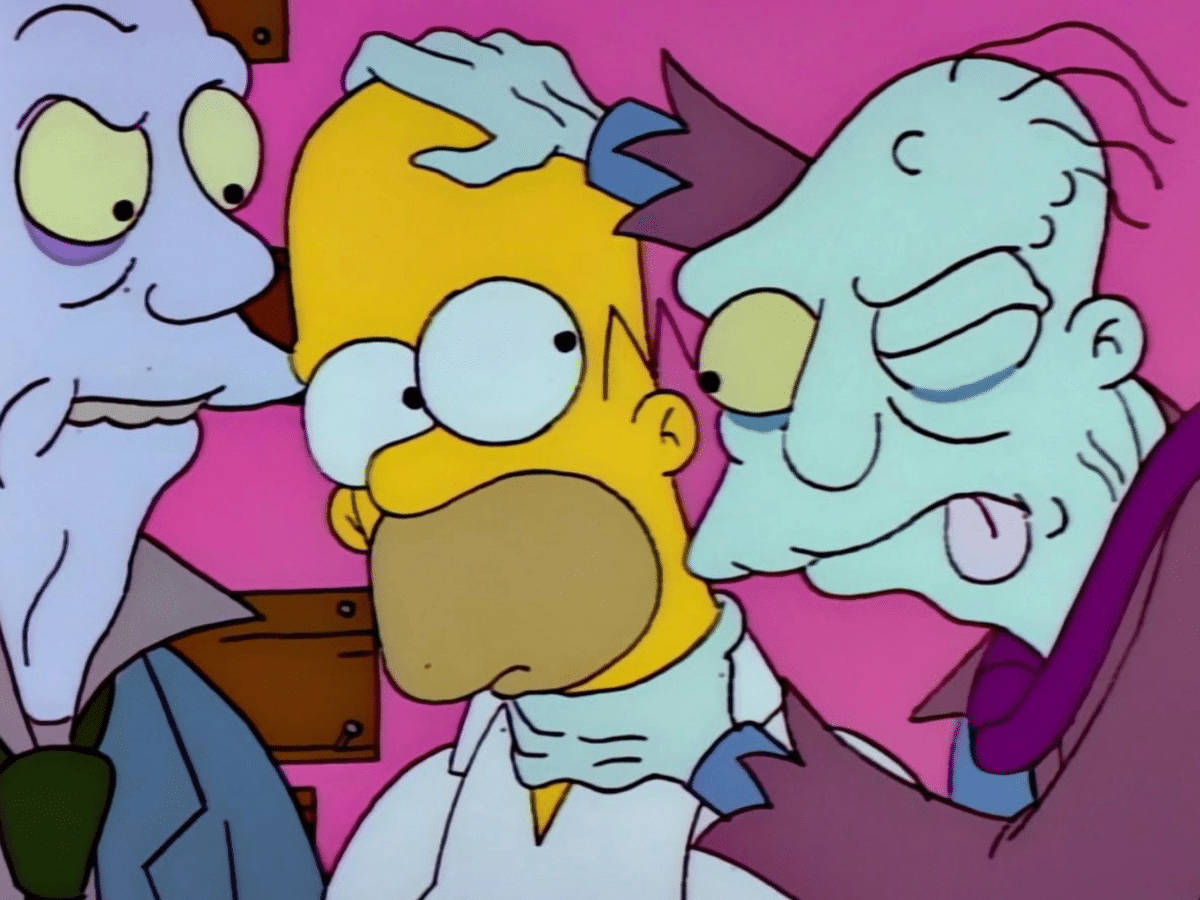
The result has been a series of episodes that critics argue rival the quality of the Golden Age. For instance, "A Serious Flanders" (Season 33) was a two-part departure from the series’ usual continuity, presented as a gritty, Coen Brothers-style crime drama. This experimentation allowed the writers to place familiar characters in genuine peril, a stakes-heavy approach that had been missing for decades. Statistical evidence suggests the audience is responding; Season 37 currently holds an average IMDb score of 6.8, the highest the show has seen in over 15 years.
Analysis of Recent Standout Episodes
The following episodes are frequently cited by critics as evidence of the show’s renewed vigor:

- "A Serious Flanders" (S33, E6 & 7): A masterclass in parody that treats its characters with more respect than the show had in years. It moved beyond simple jokes to explore the morality of Ned Flanders in a violent, high-stakes environment.
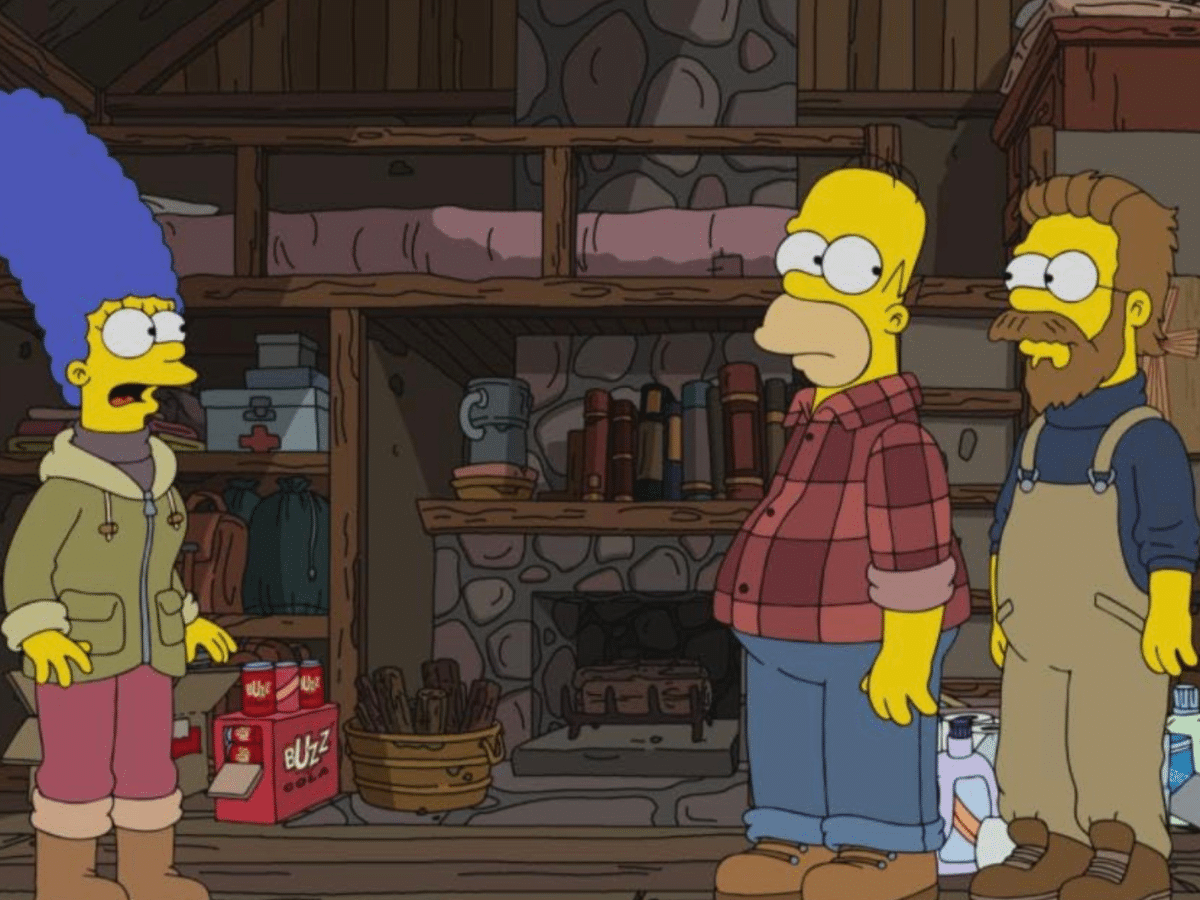
- "Pixelated and Afraid" (S33, E12): This episode stripped away the supporting cast and focused entirely on the relationship between Homer and Marge. By placing them in a survival situation, the show rediscovered the emotional vulnerability that made the early seasons successful.
- "Lisa the Boy Scout" (S34, E3): A meta-commentary on the show’s own longevity, this episode featured a "hacker group" leaking "deleted scenes" that upended the show’s canon. It demonstrated a self-awareness that felt fresh and daring.
- "Bartless" (S34, E15): A "What If" scenario that explored the psychological impact of Bart on his parents’ lives, blending humor with a genuine sense of melancholy.
Comparative Data: IMDb Ratings Across the Decades
The following table illustrates the "V-shaped" recovery of the show’s critical reception:
| Era | Notable Seasons | Avg. IMDb Range | Critical Sentiment |
|---|---|---|---|
| Golden Age | 1–9 | 7.7 – 8.4 | Universal Acclaim |
| Early Decline | 10–15 | 7.0 – 7.5 | Mixed; "Losing its edge" |
| The "Zombie" Slump | 16–30 | 6.2 – 6.9 | Negative; "Should be canceled" |
| The Renaissance | 33–37 | 6.5 – 6.8 | Positive; "Creative comeback" |
Official Responses and Industry Implications
The resurgence of The Simpsons has not occurred in a vacuum. The acquisition of 20th Century Fox by Disney in 2019 placed the series on the Disney+ streaming platform, exposing the entire catalog to a new generation of viewers. This transition provided the production team with new data on what modern audiences value. Matt Selman has stated in interviews with outlets like Vulture that the goal is no longer just to "fill time" but to create episodes that stand out in a crowded streaming landscape.
Furthermore, the industry’s shift toward serialized storytelling has influenced the show. While The Simpsons remains largely episodic, the "Modern Renaissance" era has embraced more complex narrative structures. This has allowed the show to remain relevant alongside newer, critically acclaimed adult animations like Rick and Morty and BoJack Horseman, which were themselves heavily influenced by the early years of The Simpsons.
Conclusion: The Enduring Legacy of Springfield
The Simpsons’ journey from a revolutionary counter-culture cartoon to a stale corporate product, and finally to a rejuvenated creative laboratory, offers a unique case study in television longevity. While it may never again reach the cultural ubiquity of the mid-1990s—partly due to the fragmentation of modern media—the "Modern Renaissance" proves that even the most established institutions are capable of reinvention. By returning to its roots of emotional honesty while embracing experimental new formats, The Simpsons has secured its place not just as a relic of the past, but as a continuing contributor to the future of television. As the show approaches its 40th anniversary, the "new life" found in Season 33 and beyond suggests that the residents of 742 Evergreen Terrace still have stories worth telling.



 Jia Lissa
 Yuyun Lusiyani
 Joko Widodo
 Eva Lovia

 Pevita Pearce