
 Lina Irawan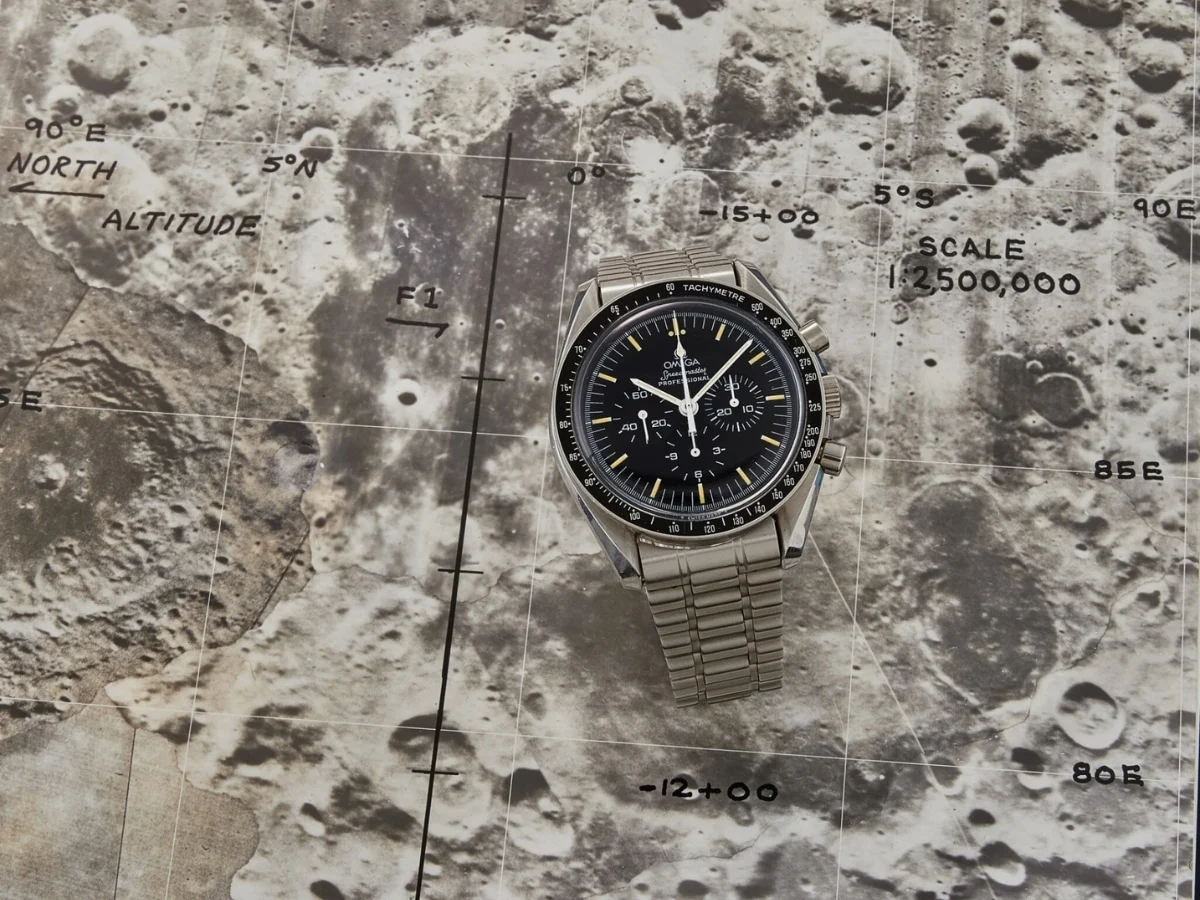
The intersection of horological history and space exploration reached a new milestone at Sotheby’s New York during the highly anticipated 2026 Space Exploration auction, where artifacts belonging to Apollo 11 Lunar Module Pilot Buzz Aldrin commanded prices far exceeding their initial estimates. Among the most notable lots were a personal Omega Speedmaster Professional belonging to Aldrin and a humble Duro Rocket felt-tip pen that played a pivotal role in the survival of the Apollo 11 crew. The sale highlighted the enduring allure of the "Moonwatch" legacy and the premium placed on items with direct "mission-critical" provenance.
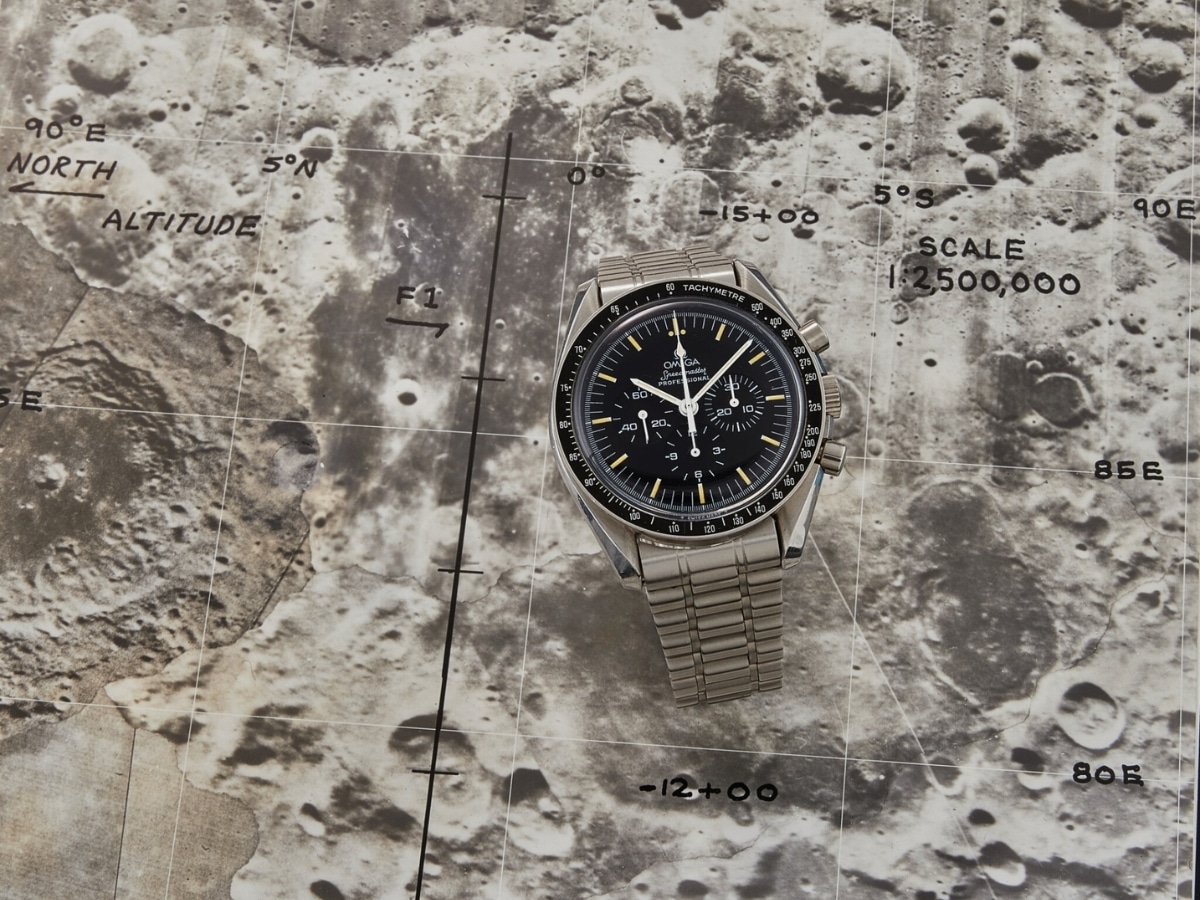
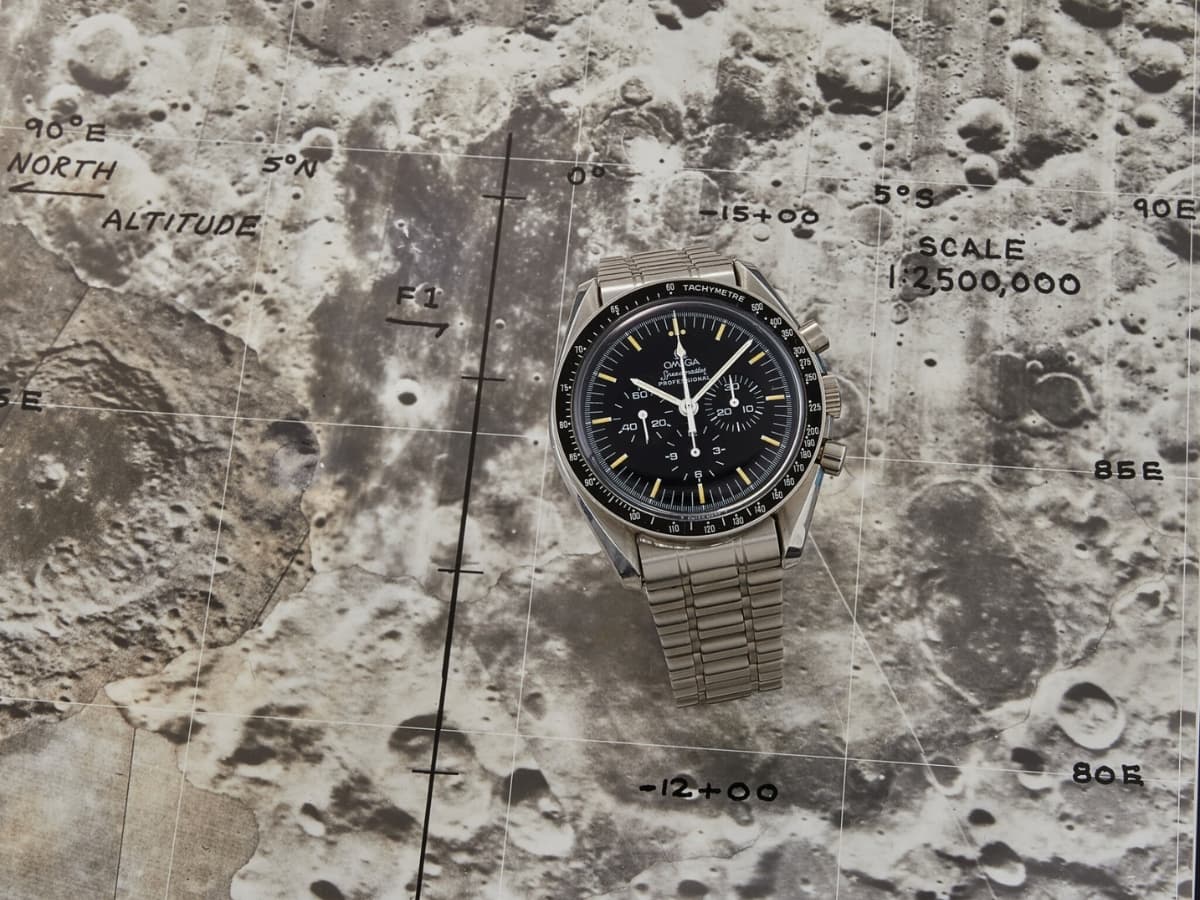
The headline watch, an Omega Speedmaster Professional reference 3590.50.00, realized a final sale price of $44,800 USD (approximately $64,200 AUD). This figure represents nearly six times the lower end of its $8,000 to $12,000 pre-sale estimate. While a significant sum for a 1990s-era stainless steel chronograph, it was eclipsed by the sale of a plastic felt-tip pen and a fragment of a circuit breaker, which together sold for a staggering $857,600 USD (approximately $1.23 million AUD). The disparity in these prices underscores a fundamental rule in the memorabilia market: while personal ownership by a historical figure adds value, items that actively altered the course of history command a tier of their own.
The Technical Significance of the Duro Rocket Pen
To understand why a plastic pen achieved a price nearly 20 times higher than a luxury Swiss timepiece, one must look back to the tense hours following the first lunar landing in July 1969. After Neil Armstrong and Buzz Aldrin completed their historic moonwalk, they returned to the Lunar Module (LM) "Eagle" to prepare for ascent. During their movements within the cramped cabin, a protruding switch on the engine-arm circuit breaker—the vital component required to send power to the ascent engine—was accidentally snapped off.
The situation was dire. Without the ability to engage the circuit breaker, the ascent engine could not fire, potentially stranding the two astronauts on the lunar surface indefinitely. Mission Control in Houston worked feverishly to find a solution, but it was Aldrin who realized that a non-conductive tool was needed to depress the remaining part of the switch without causing an electrical short. Aldrin reached for his black Duro Rocket felt-tip pen. By inserting the tail end of the plastic pen into the slot where the switch had been, he was able to engage the breaker.
This "MacGyver" moment in space history transformed a mass-produced piece of stationery into a literal life-saving device. The lot sold at Sotheby’s included not only the pen itself but also the broken fragment of the circuit breaker that Aldrin had recovered from the floor of the LM. The $857,600 price tag reflects the item’s status as a primary relic of human ingenuity under extreme pressure.
Analysis of the Buzz Aldrin Omega Speedmaster Ref. 3590.50.00
The Omega Speedmaster Professional sold during the auction, reference 3590.50.00, dates to approximately 1990. It was offered directly from the Buzz Aldrin Family Trust, ensuring an airtight chain of custody. This specific reference is a classic "Moonwatch" iteration, featuring the manual-wind Calibre 861 movement, a hesalite crystal, and a solid case back.
In the standard vintage watch market, a reference 3590.50 in good condition typically commands between $4,000 and $5,000 USD. The fact that Aldrin’s personal example fetched $44,800 demonstrates a "provenance premium" of roughly 1,000%. Collectors were not bidding on the technical rarity of the watch, but rather the intimacy of the object. This was a watch worn and owned by the man who, perhaps more than any other individual, is responsible for the Speedmaster’s global identity as the "Moonwatch."
However, it is essential to distinguish this timepiece from the "Holy Grail" of horology: the actual Omega Speedmaster reference 105.012 that Aldrin wore on the surface of the Moon. While Neil Armstrong was the first man to step onto the lunar surface, he had left his Speedmaster inside the LM as a backup for a malfunctioning electronic timer. Consequently, Aldrin’s watch became the first timepiece actually worn on the Moon. Following the mission, Aldrin’s flight-worn watch was being shipped to the Smithsonian Institution in 1970 when it was stolen in transit. It has never been recovered. Experts speculate that if the original 105.012 were ever to surface and be authenticated, it would likely become the most expensive watch ever sold at auction, potentially rivaling or exceeding the $17.7 million paid for Paul Newman’s Rolex Daytona.
Chronology of the Aldrin Collection and Auction History
The 2026 sale is part of a broader trend of high-profile lunar memorabilia auctions that have gained momentum as the 60th anniversary of the Apollo 11 mission approaches.
- July 1969: The Apollo 11 mission. The Duro Rocket pen is used to save the ascent. Aldrin wears his Omega Speedmaster 105.012 on the lunar surface.
- 1970: Aldrin’s lunar-worn Speedmaster is lost/stolen during transport to the Smithsonian.
- Circa 1990: Aldrin acquires/receives the Speedmaster Professional ref. 3590.50.00, which he keeps in his personal collection for over three decades.
- 2022: Sotheby’s holds a major auction of Aldrin’s personal effects, where his Apollo 11 flight jacket sells for $2.8 million, becoming the most valuable American space-flown artifact ever sold.
- 2026: The current auction at Sotheby’s New York reinforces the market’s appetite for items with "provenance of utility," where the pen outshines the watch due to its direct role in the 1969 mission.
Market Trends and the "Space Race" Among Collectors
The results of the Sotheby’s auction reflect a maturing market for space artifacts. Historically, space memorabilia was the domain of niche hobbyists. However, over the last decade, it has shifted into the high-end luxury and fine art sectors. This shift is driven by a generation of high-net-worth individuals who view the Apollo era as the pinnacle of human achievement.
Data from recent auctions shows that "mission-flown" items—objects that actually traveled to the Moon or were used in space—have seen a compound annual growth rate (CAGR) that outpaces many traditional investment classes. For example, items belonging to Neil Armstrong or Buzz Aldrin have consistently outperformed those of astronauts from later Apollo missions. This "First Man" premium is evident in the $857,600 realization for the Duro pen.

"We are seeing a shift where the story behind the object is becoming as important as the object itself," noted a spokesperson for the auction house. "The Speedmaster is a beautiful, iconic watch, but the pen represents a moment of life-or-death crisis management. It’s a piece of history that you can hold in your hand."
Broader Implications for Horology and Heritage
For Omega, the sale of Aldrin’s personal Speedmaster for six times its estimate is a significant marketing victory. It reinforces the brand’s inextricable link to the space program. The Speedmaster remains the only piece of equipment used during the Apollo missions that is still available for purchase by the general public in a form almost identical to the original.
The auction also raises questions about the preservation of space heritage. As more items transition from private family trusts to anonymous private collections, there is an ongoing debate among historians regarding whether such significant items—like the life-saving pen—belong in museums rather than private hands. However, the Buzz Aldrin Family Trust has noted that these sales help ensure the legacy of the mission is maintained and that the proceeds often support educational initiatives related to space exploration.
Conclusion
The 2026 Sotheby’s Space Exploration auction served as a powerful reminder of the different ways value is assigned to historical artifacts. The $44,800 sale of the Omega Speedmaster Professional ref. 3590.50.00 confirmed the enduring celebrity of Buzz Aldrin and the status of the Moonwatch as a cultural icon. Yet, it was a dented, $1 plastic pen that stole the show, proving that in the realm of collecting, the most valuable items are often those that testify to the fragility and resilience of the human spirit. As the world looks toward future lunar missions with the Artemis program, the relics of the Apollo era continue to serve as both high-value assets and profound symbols of a time when the "impossible" was achieved with little more than courage, a watch, and a felt-tip pen.


 Jia Lissa
 Yuyun Lusiyani
 Joko Widodo
 Eva Lovia

 Pevita Pearce