
 Lina Irawan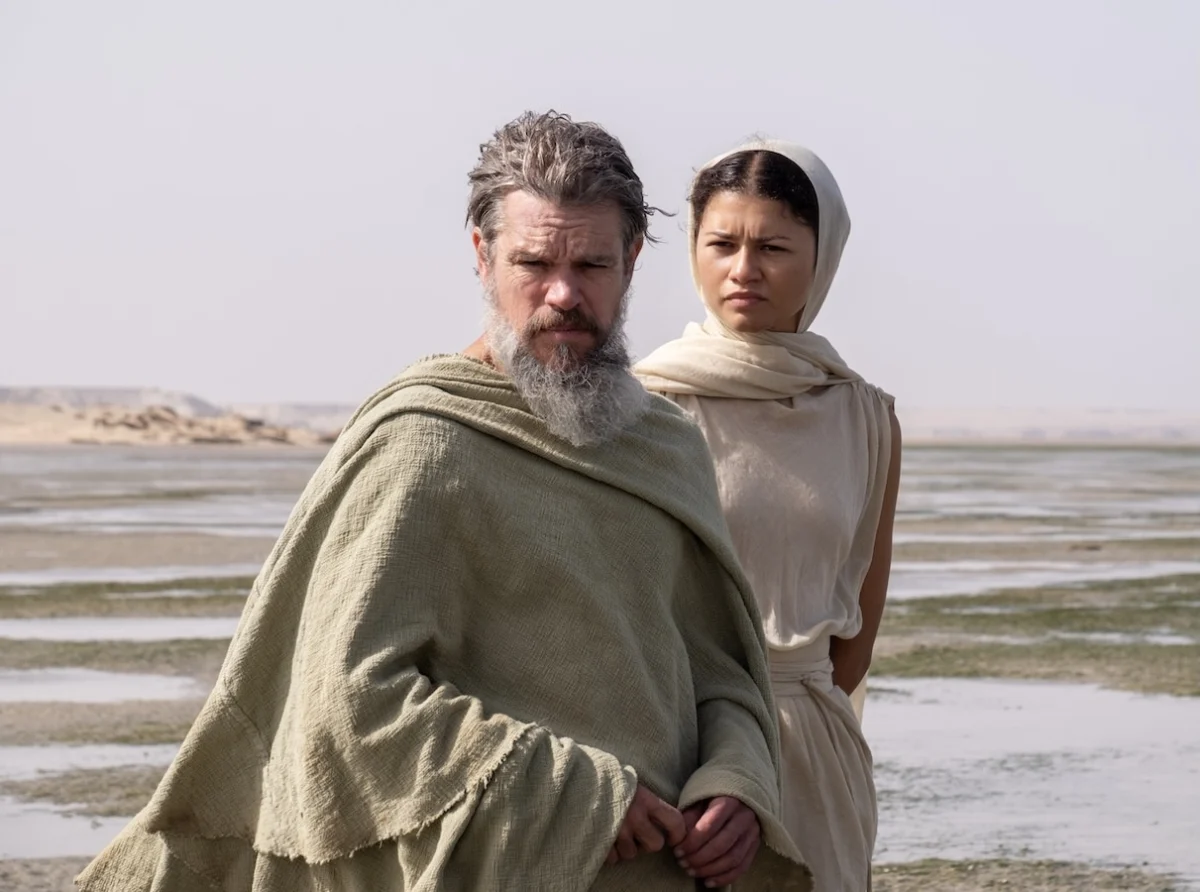
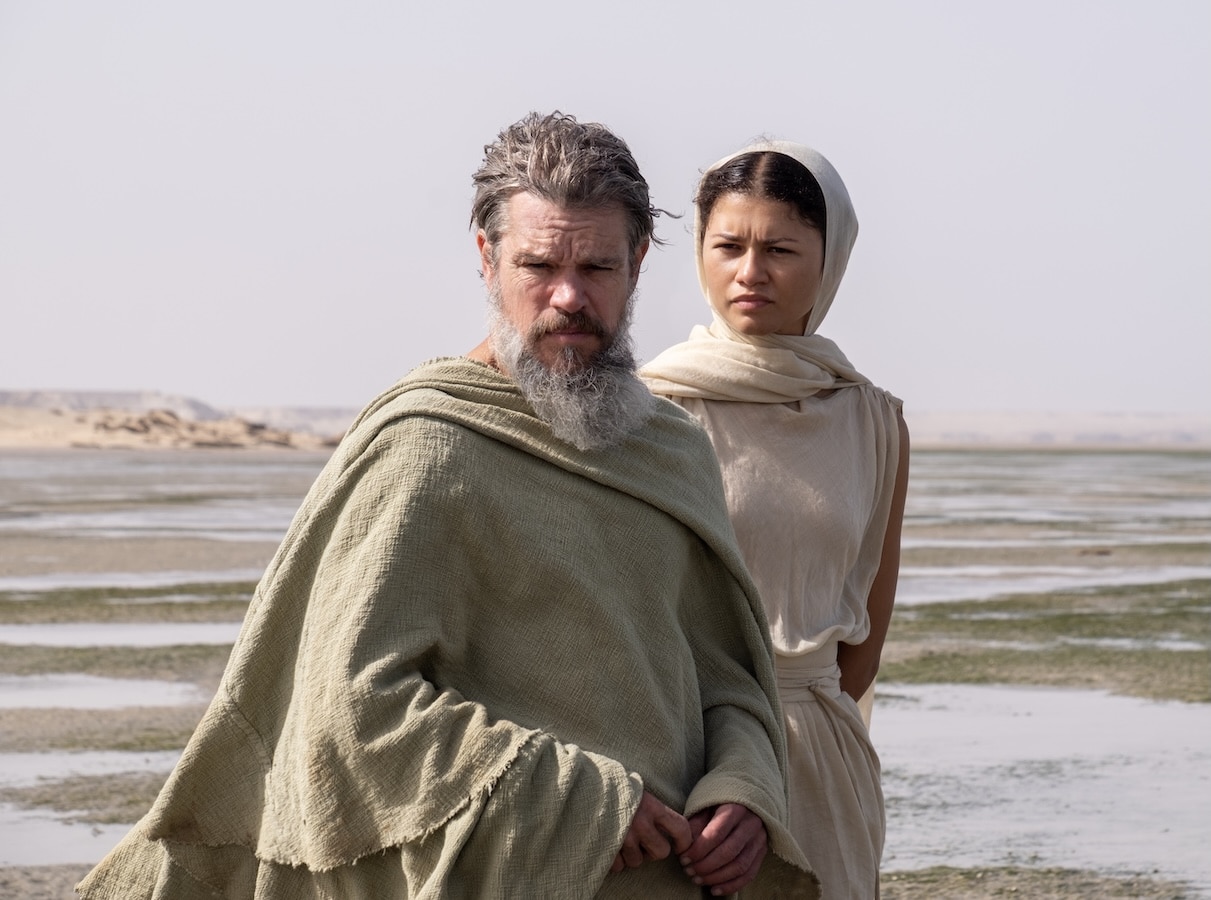
The global cinematic landscape has reached a significant milestone with the release of Christopher Nolan’s latest feature, an ambitious adaptation of Homer’s ancient Greek poem, The Odyssey. Produced by Universal Pictures, the film represents a convergence of classical literature and cutting-edge practical filmmaking, marking Nolan’s first foray into the fantasy-epic genre. Shot entirely on IMAX 70mm film, the production has set new technical standards for the industry while offering a narrative interpretation that emphasizes human agency over divine intervention. As the film enters wide release, industry analysts and film historians are noting its potential to reshape the "swords-and-sandals" subgenre, which has largely relied on digital artifice for the past two decades.
A New Technical Frontier in IMAX Cinematography
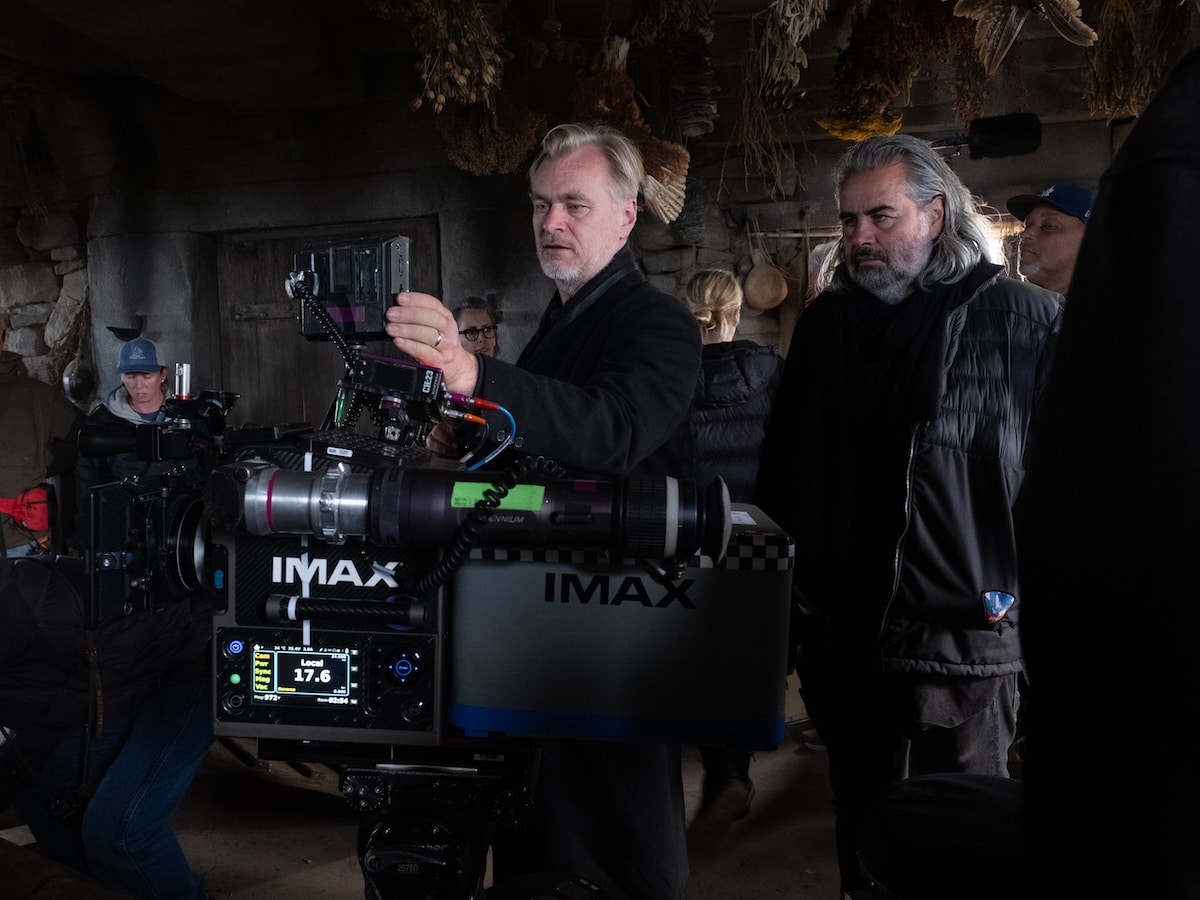
The Odyssey marks a historic first in motion picture history as the first feature film to be shot entirely with IMAX film cameras. While Nolan has been a vocal proponent of the format since The Dark Knight (2008), previous productions were limited by the mechanical noise of the cameras, which made recording dialogue difficult during intimate scenes. To overcome this, the production utilized a newly manufactured, quieter IMAX camera prototype developed in collaboration with IMAX Corporation.
For scenes where even the quieter model proved too intrusive, the crew employed a specialized sound-muffling "blimp"—a pressurized housing unit designed to house the large-format cameras without compromising mobility. This technical evolution allowed cinematographer Hoyte van Hoytema, who has collaborated with Nolan on Interstellar, Dunkirk, Tenet, and Oppenheimer, to capture the entire 2,800-year-old story on the world’s highest-resolution film stock. The decision to forgo digital intermediate processes in favor of a photochemical finish ensures that 70mm IMAX presentations offer a level of detail and color depth that remains the gold standard of the medium.
Practical Production and Maritime Authenticity
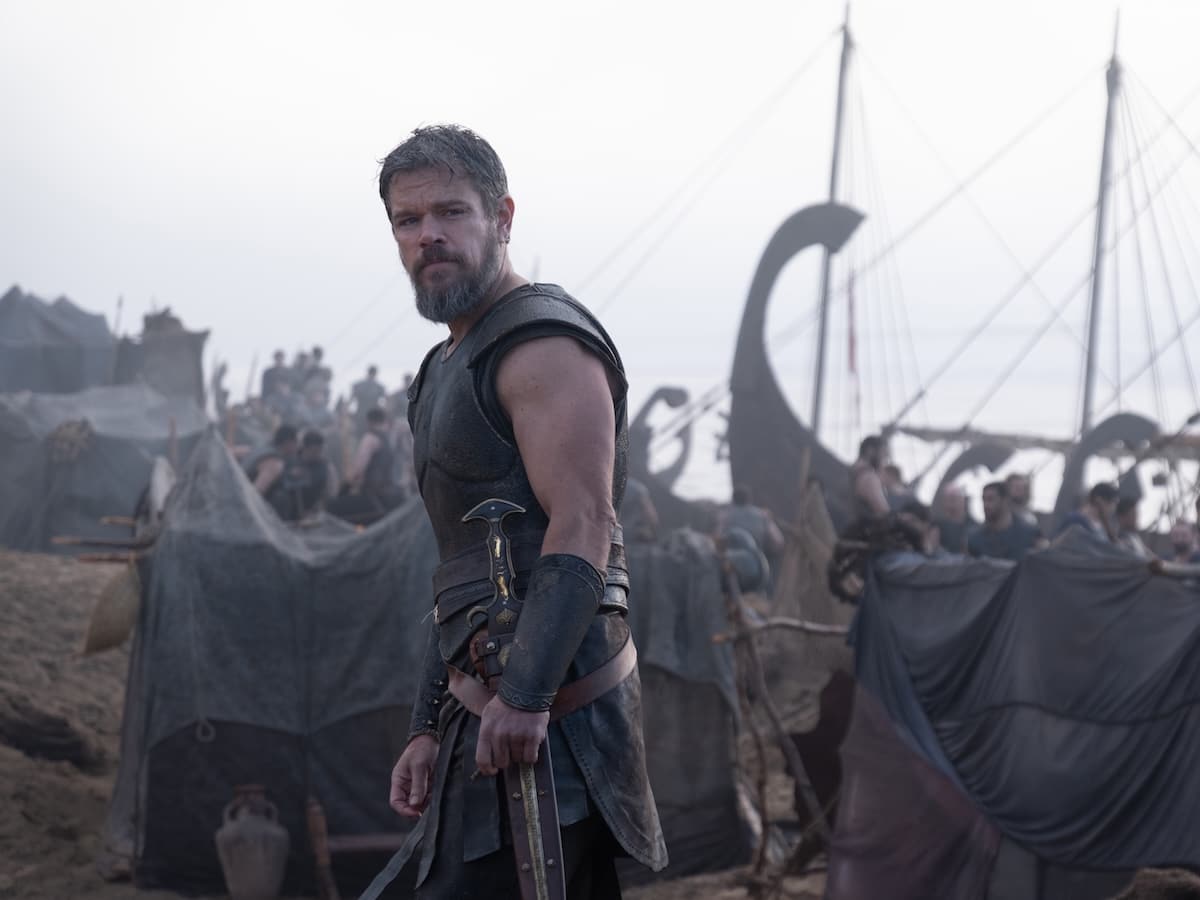
In a move that distinguishes the film from contemporary CGI-heavy blockbusters, Nolan opted for practical location shooting and in-camera effects. Central to the production was the use of the Draken Harald Hårfagre, a modern-built Viking longship that served as the primary vessel for Odysseus and his crew. While the ship is historically a Norse design, its functional seaworthiness provided the production with a tangible platform for the film’s extensive maritime sequences.
The production team eschewed the traditional use of background extras for the rowing sequences. Instead, the film utilized the Draken’s actual expedition crew, supplemented by the lead actors who underwent months of physical training. This commitment to realism required the cast and crew to spend weeks on the open sea, navigating authentic weather conditions. Production notes indicate that the reliance on practical maritime stunts reduced the need for "dry-for-wet" studio shooting by nearly 90%, a rarity for a project of this scale.

Narrative Structure and Modern Relevance
Nolan’s screenplay, based on his own study of various translations of the poem, takes a distinct approach to the source material. While Homer’s original text frequently features the gods of Mount Olympus as active participants in the plot, Nolan’s version shifts the focus to the human perspective. The gods are largely relegated to the periphery, interpreted through the psychological states of the characters rather than through physical manifestations or visual effects.
The film utilizes a non-linear structure, a hallmark of Nolan’s filmography. It weaves together three distinct narrative threads: Odysseus’s arduous journey home from the Trojan War, his son Telemachus’s search for his missing father, and Penelope’s steadfast resistance against the suitors occupying her palace in Ithaca. By presenting the story as a series of "living tales"—mimicking the oral tradition through which the poem was originally preserved—Nolan avoids the stiffness often associated with historical epics.
Chronology of Production
The development of The Odyssey followed a rigorous multi-year timeline:
- January 2024: Universal Pictures officially announces the project, confirming Nolan as director and writer following the Academy Award-winning success of Oppenheimer.
- May 2024: Pre-production begins in earnest, with scouts visiting locations across the Mediterranean, including the Ionian Islands and the coast of North Africa.
- September 2024: The casting of Matt Damon as Odysseus and Tom Holland as Telemachus is confirmed, sparking significant industry interest.
- March 2025: Principal photography commences. The production utilizes a "global unit" strategy, filming simultaneously in several countries to capture the vastness of Odysseus’s travels.
- November 2025: Filming wraps. The post-production phase begins, focusing on the photochemical development of the IMAX footage and the experimental score.
- July 2026: The film premieres at the Lincoln Square IMAX in New York City before its global theatrical rollout.
Performance and Casting Analysis
The film features a high-profile ensemble cast, yet critical attention has focused on the grounded nature of the performances. Matt Damon’s portrayal of Odysseus has been described by industry observers as a "weary, intellectual take" on the hero, emphasizing his reputation as "Odysseus the Cunning" rather than a traditional action protagonist.
However, two supporting performances have emerged as the production’s emotional anchors. John Leguizamo provides what many critics are calling a career-defining turn as Eumaeus, the faithful swineherd. His performance serves as the moral compass of the film, grounding the high-concept adventure in a relatable human bond.
Additionally, Samantha Morton’s portrayal of the enchantress Circe has drawn internal comparisons to the most iconic performances in Nolan’s filmography. According to reports from the set, Morton’s work was so impactful that it elicited spontaneous applause from the crew—a phenomenon Nolan noted had not occurred since Heath Ledger’s performance as the Joker on the set of The Dark Knight. This high praise suggests a portrayal that transcends the "femme fatale" tropes often associated with the character in lesser adaptations.
Experimental Auditory Landscape
The film’s auditory experience is as unconventional as its visual presentation. Ludwig Göransson, returning for his third collaboration with Nolan, was tasked with creating a score without the use of a traditional Western orchestra. To achieve a soundscape that felt both ancient and alien, Göransson utilized:
- Bronze Gongs: To create a sense of metallic, industrial dread during the more perilous segments of the voyage.
- The Aulos and Lyre: Recreations of ancient Greek instruments were used to provide a melodic foundation that feels historically rooted.
- Haunting Vocals: Choral arrangements were used not for traditional harmony, but to create an "oppressive" atmosphere that mirrors the psychological weight of the ten-year journey.
The result is a score that deviates from the sweeping strings typical of the epic genre, opting instead for a percussive, visceral sound that complements the film’s practical aesthetic.
Industry Implications and Societal Commentary
Beyond its technical achievements, The Odyssey arrives at a time when the film industry is debating the viability of high-budget, auteur-driven cinema. With a budget estimated to exceed $200 million, the film’s success is seen as a bellwether for the future of non-franchise blockbusters.
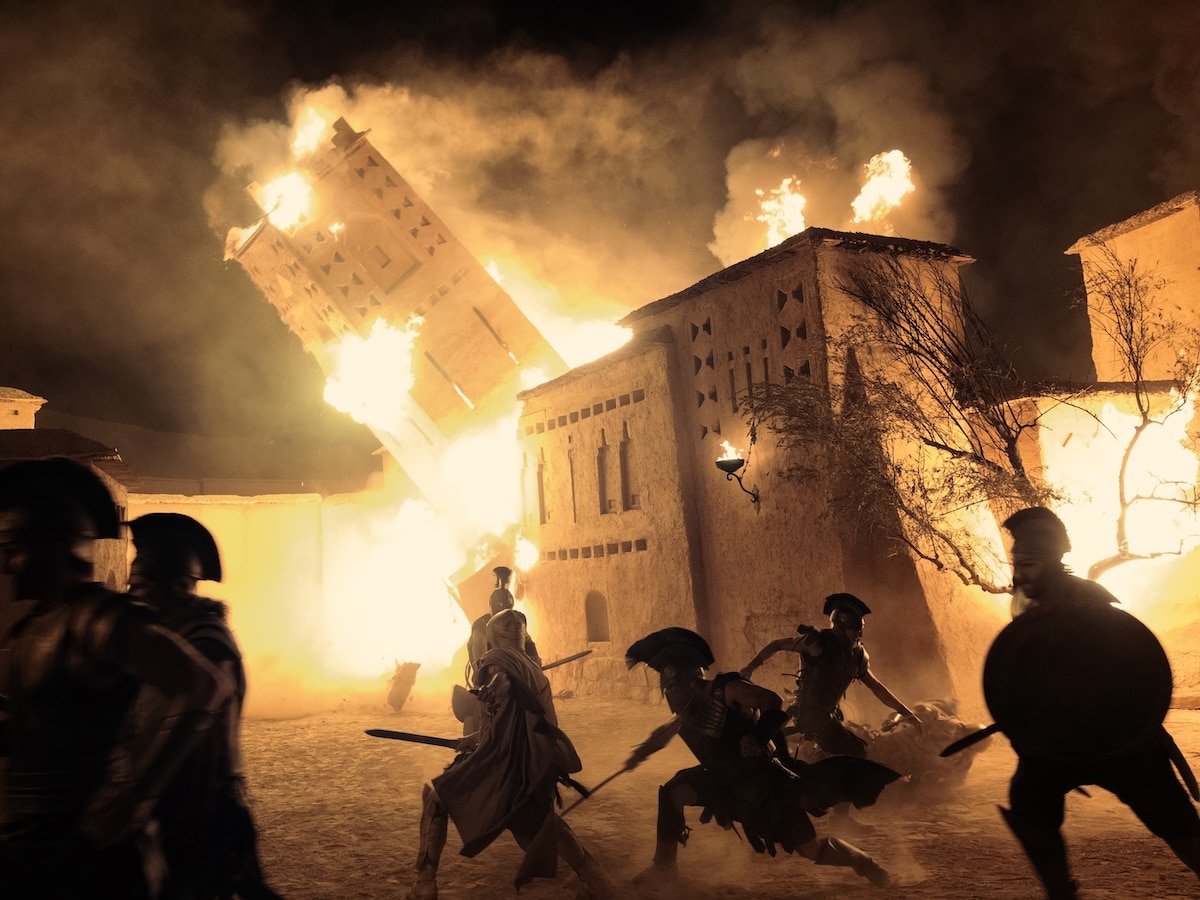
Analysts suggest that Nolan is using the ancient text to comment on contemporary issues. By focusing on the "breaking of bonds among men" and the "rejection of hospitality" (the ancient Greek concept of xenia), the film serves as a cautionary tale about the erosion of social cohesion. The final shot of the film, which links the ancient world to a modern context, has been interpreted as a stark warning about the cyclical nature of history and human conflict.
Furthermore, the decision to avoid traditional "prestige" British accents—a common trope in Hollywood depictions of the ancient world—is a deliberate choice by Nolan to make the story feel immediate. By utilizing a diverse range of natural accents from his cast, Nolan positions the story not as a distant historical artifact, but as a universal narrative that belongs to the present.
Conclusion
As The Odyssey continues its theatrical run, its impact is being felt across multiple sectors of the industry. It stands as a testament to the enduring power of Homeric storytelling and the technical possibilities of celluloid film in a digital age. Whether it will spark a resurgence in classical adaptations remains to be seen, but for now, Christopher Nolan’s voyage into the heart of Greek mythology has provided a definitive argument for the continued relevance of the big-screen experience. The film is currently showing in standard, 70mm, and IMAX 70mm formats worldwide.



 Jia Lissa
 Yuyun Lusiyani
 Joko Widodo
 Eva Lovia

 Pevita Pearce