
 Nila Kartika Wati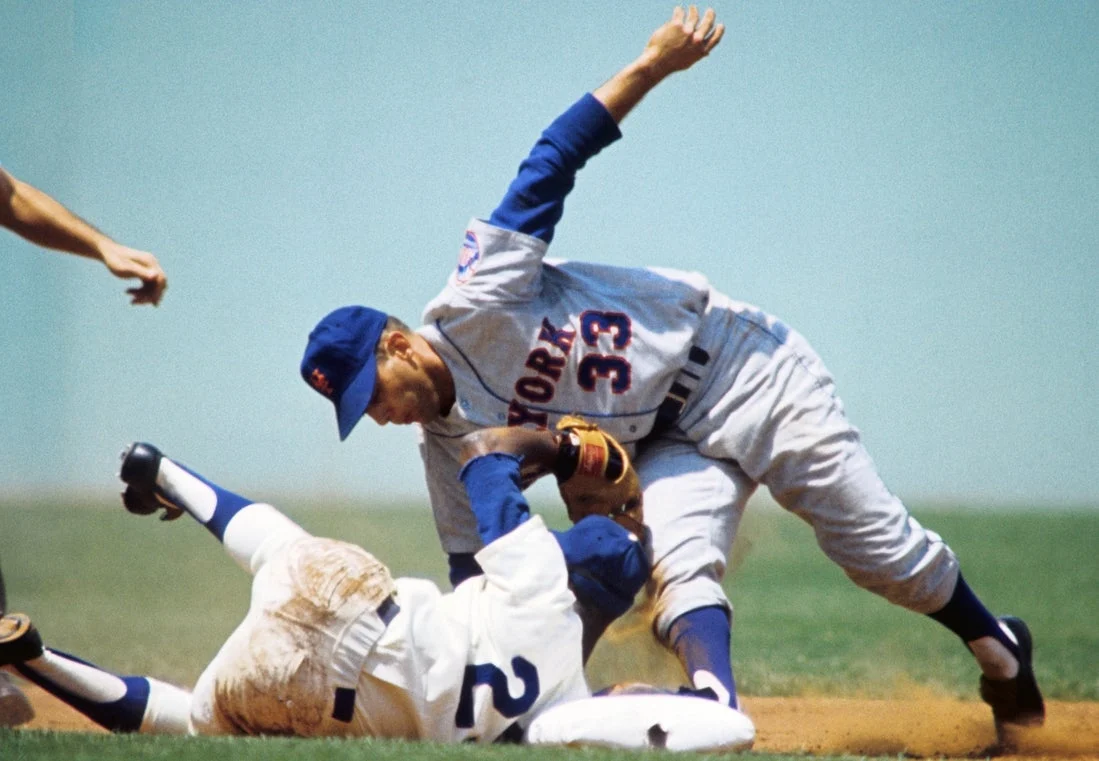
Ron Hunt, a magnetic figure in Major League Baseball whose career was defined by an unyielding grit and an extraordinary ability to absorb pitches, passed away on Wednesday at the age of 85. Hunt etched his name in baseball history as the first New York Met to be selected for an All-Star Game, a testament to his immediate impact on the fledgling franchise. His passing marks the end of an era for those who witnessed his fearless, no-nonsense approach to the game, a style that resonated deeply with fans and teammates alike.
Hunt’s career was characterized by a remarkable resilience, most notably demonstrated by his modern-era record of 50 hit-by-pitches in a single season, set in 1971. This astonishing figure, which remains a benchmark for durability in the batter’s box, was not an anomaly but a defining feature of his playing style. Throughout his 12-year major league tenure, Hunt was plunked a career total of 243 times, placing him sixth on MLB’s all-time list. This willingness to stand his ground, to wear the baseball in service of his team, earned him a unique place in the sport’s lore. As Hunt famously quipped, "Some folks give their bodies to science. I gave mine to baseball," a statement that encapsulates his profound dedication and the physical toll it took.
Born on February 23, 1941, in St. Louis, Hunt’s athletic prowess was evident from a young age. He excelled in both baseball and football during his high school years, displaying a talent that drew the attention of professional scouts. Following his high school graduation, he signed with the Milwaukee Braves. However, it was the expansion New York Mets, eager to build their roster for their inaugural 1962 season, who ultimately acquired his contract. Hunt quickly became the team’s starting second baseman, making his major league debut in 1963 and immediately capturing the attention of the baseball world.
A Rookie Sensation and a Franchise Cornerstone
Hunt’s rookie season in 1963 was nothing short of spectacular. He amassed 145 hits, including 28 doubles and 10 home runs, while driving in 42 runs. His performance was so impressive that he finished as the runner-up for the National League Rookie of the Year Award, narrowly behind the burgeoning superstar Pete Rose. This statistically dominant season not only showcased Hunt’s considerable skills but also began to forge his reputation as a tenacious competitor. His no-nonsense approach and unwavering determination quickly endeared him to the Mets faithful, who were eager for a symbol of the team’s fighting spirit.
The following year, 1964, Hunt achieved another significant milestone: he became the first New York Met to be selected for the All-Star Game. The Midsummer Classic was held at his home field, Shea Stadium, adding an extra layer of significance to the occasion. In his first at-bat, Hunt delivered a single, a moment that underscored his arrival as a legitimate star in the National League. This selection was not merely an individual honor; it represented a crucial step in the Mets’ journey from expansion team to a competitive force, providing a tangible validation of their early player development.
A Career Defined by Tenacity and Durability
Hunt’s major league career spanned 12 seasons and saw him play for five different teams: the Mets (1963-66), Los Angeles Dodgers (1967), San Francisco Giants (1968-70), Montreal Expos (1971-74), and St. Louis Cardinals (1974). Over this extensive period, he collected 1,429 career hits, a solid total that reflected his consistent offensive contributions. However, it was his unique brand of play that truly set him apart.
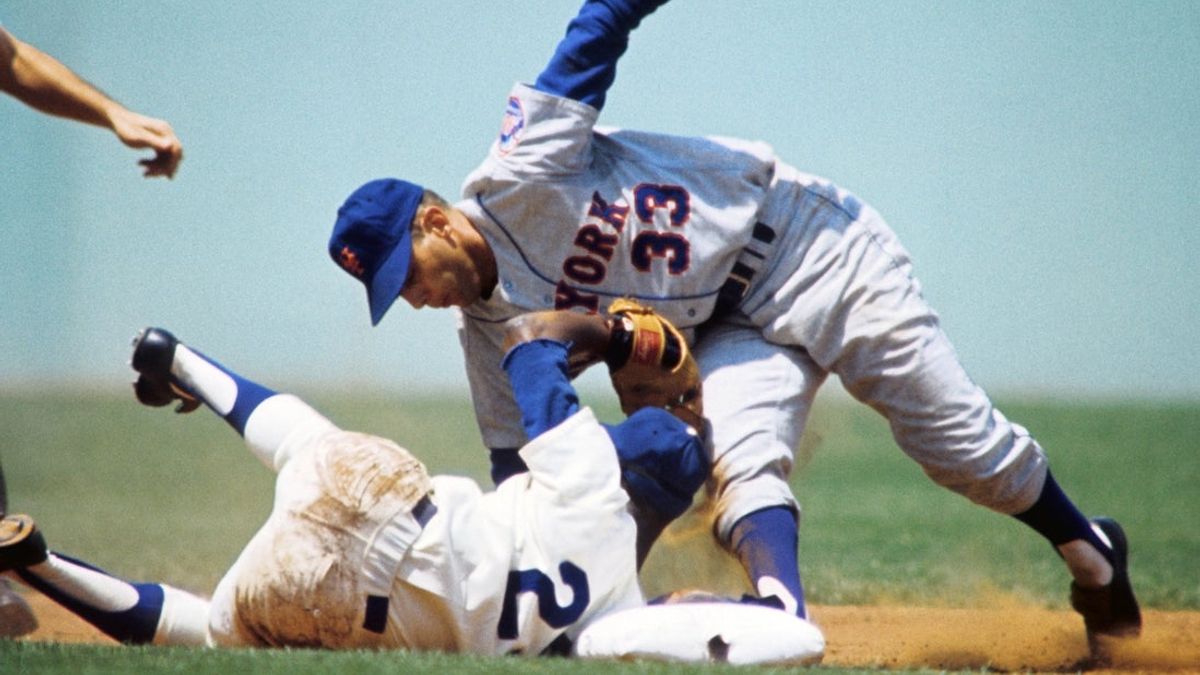
His fearless approach at the plate, often leading to him being struck by pitches, was a double-edged sword. While it contributed to his record-setting hit-by-pitch totals, it also came at a significant physical cost. Reports indicate that Hunt underwent 16 baseball-related surgeries throughout his career. This accumulation of injuries, coupled with the cumulative impact of being hit by pitches, is believed by some to have potentially contributed to the onset of Parkinson’s disease, a condition that affected him in his later years. The dedication required to play through such adversity is a testament to his extraordinary will.
Reactions and Legacy
The news of Ron Hunt’s passing elicited heartfelt tributes from those who knew him and followed his career. Jay Horwitz, vice president of media relations for the New York Mets, offered a poignant reflection on Medium on July 4th, stating, "No one played the game harder than Ron Hunt, our first All-Star. He would do anything to help win a game." This sentiment was echoed by many who admired his commitment and his unwavering focus on team success. Hunt’s legacy is not solely defined by his statistics, but by the indelible impression he left on the game through his distinctive style of play and his profound dedication.
The two-time All-Star’s impact extended beyond his playing days. His willingness to sacrifice his body for the sake of the game served as a powerful example for younger players. His record for hit-by-pitches, particularly the 50 in 1971, highlights a strategic element of his game that was both a testament to his courage and a reflection of his ability to work the count and get on base by any means necessary. This was a skill honed through countless hours of practice and an intimate understanding of the pitcher-batter dynamic.
Broader Context and Baseball’s Evolution
Ron Hunt’s career unfolded during a transformative period in Major League Baseball. The expansion era, during which the Mets and other franchises were established, injected new life into the sport and created opportunities for players like Hunt to make their mark. His success with the Mets, particularly his Rookie of the Year runner-up finish and All-Star selection, provided crucial early successes for the franchise and helped to build a fan base that would eventually witness the team’s improbable World Series victory in 1969.
The evolution of baseball equipment and player safety protocols has significantly altered the landscape of the game since Hunt’s era. While hit-by-pitches still occur, the frequency and the approach of batters to this aspect of the game have changed. Hunt’s era was one where a batter’s willingness to stand in the batter’s box and absorb pitches was a recognized, albeit risky, tactic. His record stands as a stark reminder of the physical demands placed upon players in a bygone era. The discussion around player safety has intensified over the years, leading to rule changes and equipment advancements aimed at protecting athletes.
Personal Life and Enduring Connections
Beyond the diamond, Ron Hunt was a devoted family man. He is survived by his wife, Jackie, his daughter, Tracy, and his son, Ron Jr. His enduring connections with his family underscore the personal sacrifices he made throughout his demanding career. The love and support of his family undoubtedly played a crucial role in his ability to navigate the challenges and rigors of professional baseball.
The legacy of Ron Hunt is one of unyielding determination, exceptional resilience, and an unwavering commitment to the game. He was a pioneer for the New York Mets, a record-breaker in his own right, and a player who embodied the spirit of competition. His story serves as a compelling chapter in baseball history, reminding us of the diverse paths to greatness and the profound impact that a single player’s grit and dedication can have on a sport and its fans. His passing leaves a void in the baseball community, but his memory will undoubtedly endure.



 Yuyun Lusiyani
 Joko Widodo
 Eva Lovia
 Pevita Pearce
 admin
admin
 Lina Irawan