
 Lina Irawan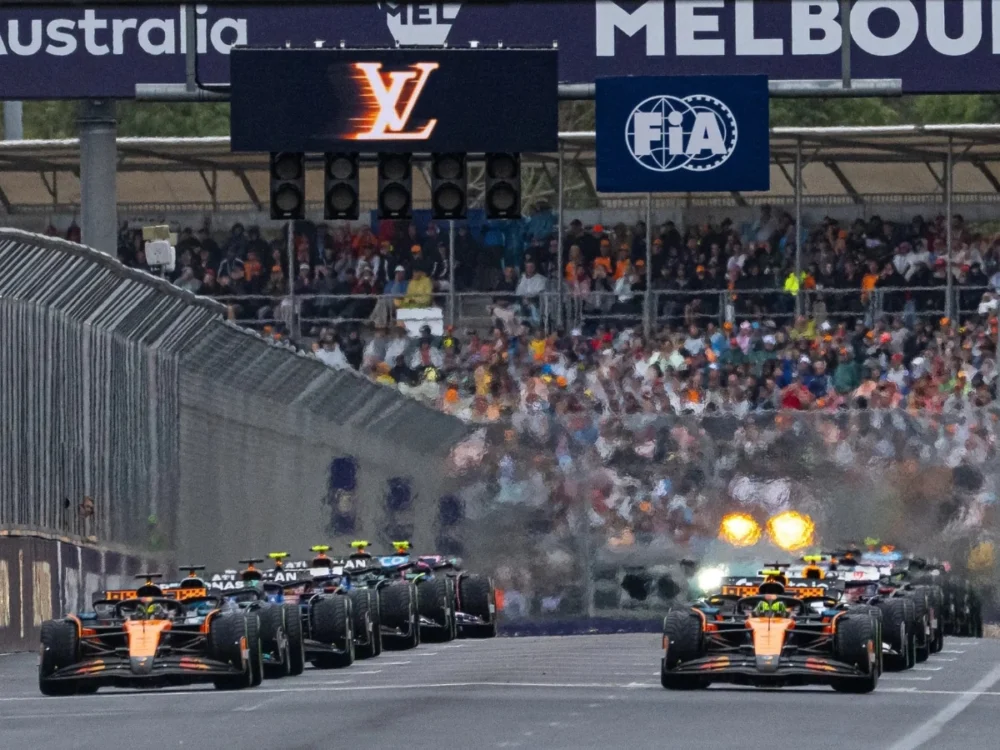
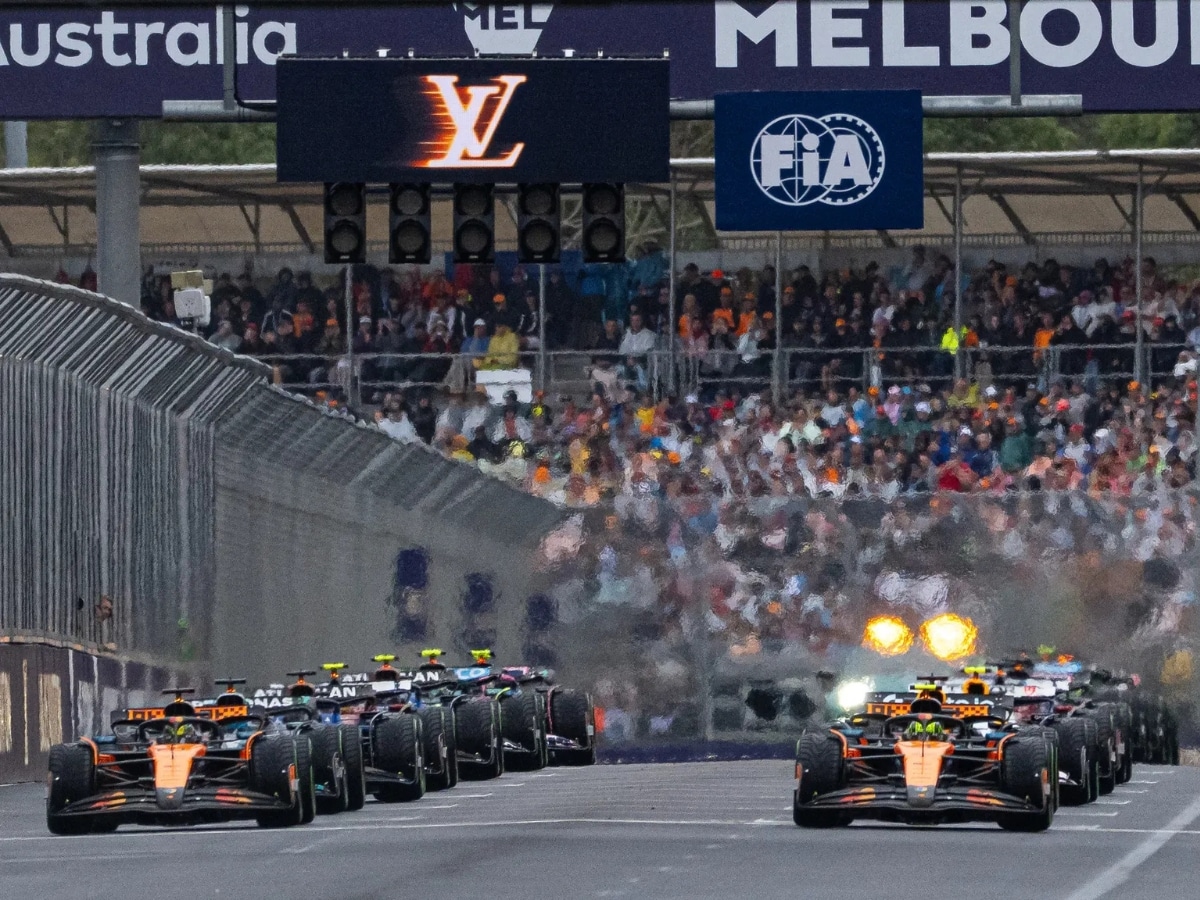
The 2026 Formula 1 Australian Grand Prix marks a historic juncture for international motorsport, serving as the inaugural event for a season defined by the most significant technical and sporting overhaul in the modern era of the sport. Scheduled to take place from March 5 to March 8, 2026, at the Albert Park Grand Prix Circuit, the event returns to its traditional slot as the season opener, placing Melbourne at the epicenter of global sporting attention. This year is particularly poignant as it marks the 30th anniversary of the race’s move from Adelaide to Melbourne in 1996, highlighting the enduring legacy of the Albert Park circuit as a premier destination for the FIA Formula 1 World Championship.
The 2026 Regulatory Revolution: A New Era of Competition
The 2026 season introduces a comprehensive reset of the technical regulations, aimed at improving racing spectacles, enhancing sustainability, and attracting new manufacturers. The "nimble car" concept is the cornerstone of these changes. For the first time in decades, the dimensions of the cars will decrease; the wheelbase will be reduced from 3,600mm to 3,400mm, and the width will be narrowed from 2,000mm to 1,900mm. Furthermore, the minimum weight limit has been reduced by 30 kilograms, a move designed to improve agility and reduce the physical footprint of the vehicles on track.
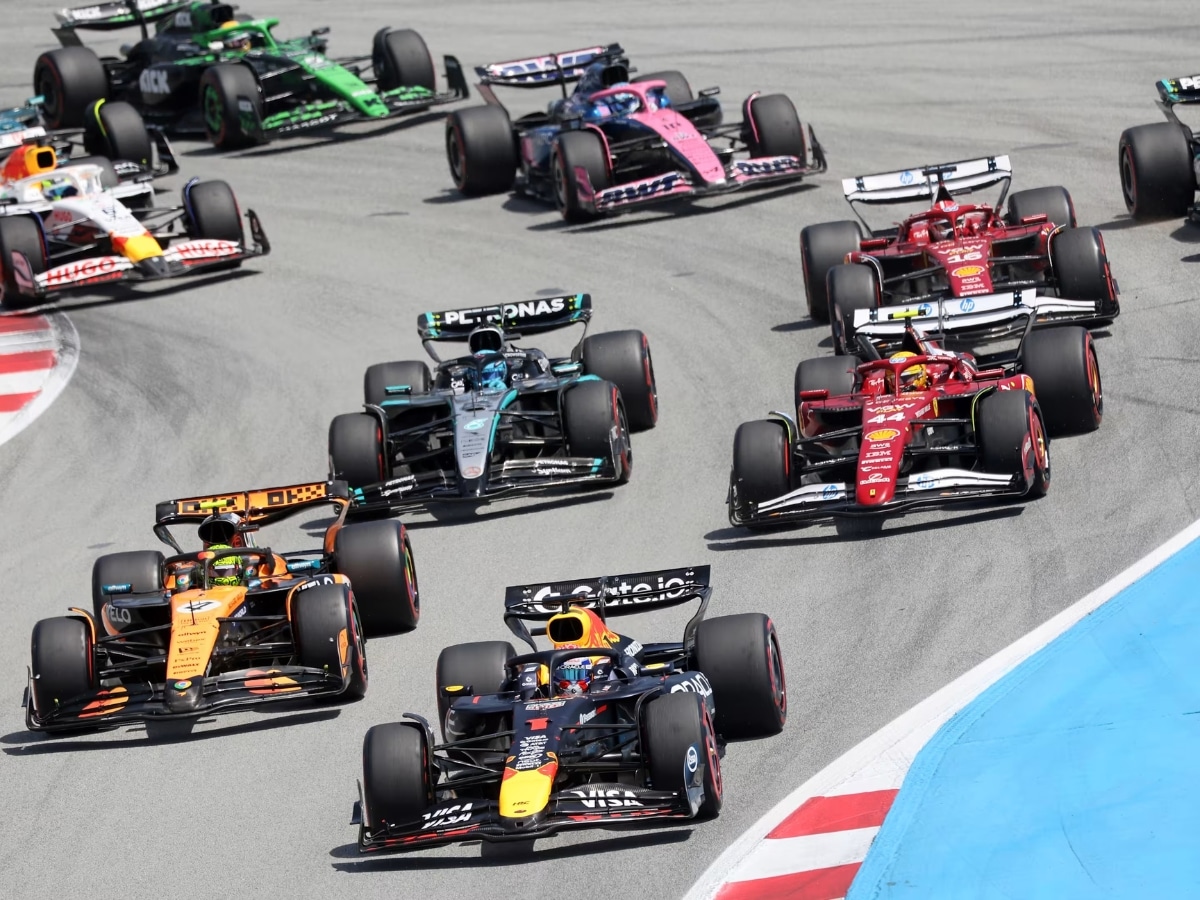
Aerodynamics will undergo a paradigm shift with the introduction of active aerodynamic systems. These systems include movable front and rear wings that switch between "Z-mode" for high downforce in corners and "X-mode" for low drag on straights. This innovation replaces the Drag Reduction System (DRS) and is intended to facilitate closer following and more frequent overtaking opportunities.

Parallel to the chassis changes is the debut of a new power unit formula. The 2026 engines will move away from the complex MGU-H (Motor Generator Unit – Heat) and instead focus on a nearly 50/50 split between internal combustion and electrical power. The electrical output will increase from the current 120kW to 350kW, providing a massive surge in hybrid performance. Crucially, these engines will run on 100% sustainable fuels, aligning with Formula 1’s goal to be Net Zero Carbon by 2030.
Grid Expansion and Manufacturer Realignment
The 2026 Australian Grand Prix will witness the most diverse grid in recent memory. The entry of the Cadillac Formula 1 Team expands the field to 11 teams, marking the first successful expansion of the grid in years. This American-backed entry brings significant commercial and technical weight to the paddock, signaling a new chapter for the sport’s presence in North America and beyond.
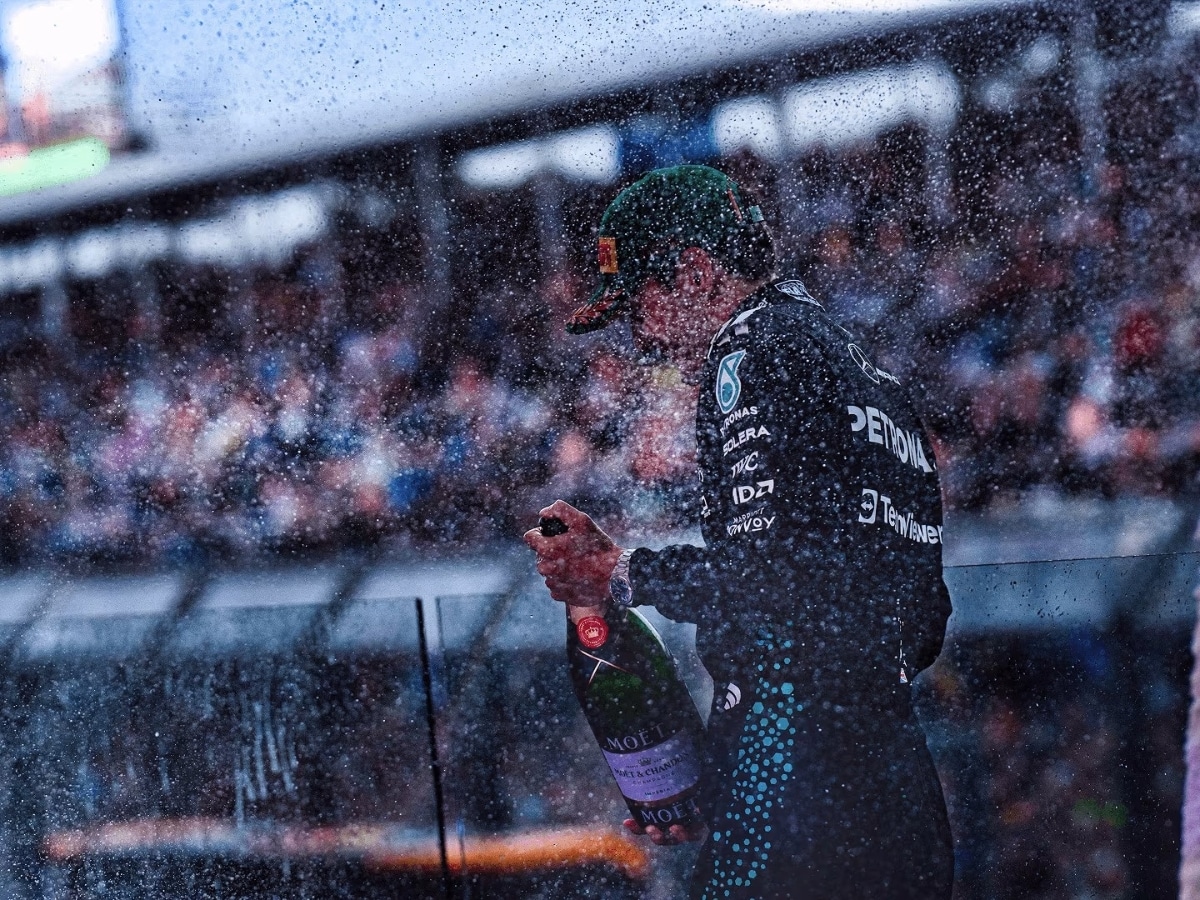
The manufacturer landscape has been similarly reshaped. The 2026 race will be the competitive debut of the Audi F1 Team, which enters the sport as a full works operation after acquiring the Sauber outfit. Additionally, several long-standing partnerships have shifted:
- Red Bull Ford Powertrains: Red Bull Racing begins its collaboration with Ford, marking the American giant’s return to F1 after a two-decade hiatus.
- Aston Martin Honda: Honda moves its official works partnership to Aston Martin, ending its highly successful tenure with the Red Bull family.
- McLaren: Arriving in Melbourne as the defending Constructors’ Champions, McLaren enters the weekend with Lando Norris as the reigning World Champion and local hero Oscar Piastri looking to capitalize on his rising momentum in front of a home crowd.
Albert Park Circuit: Technical Specifications and History
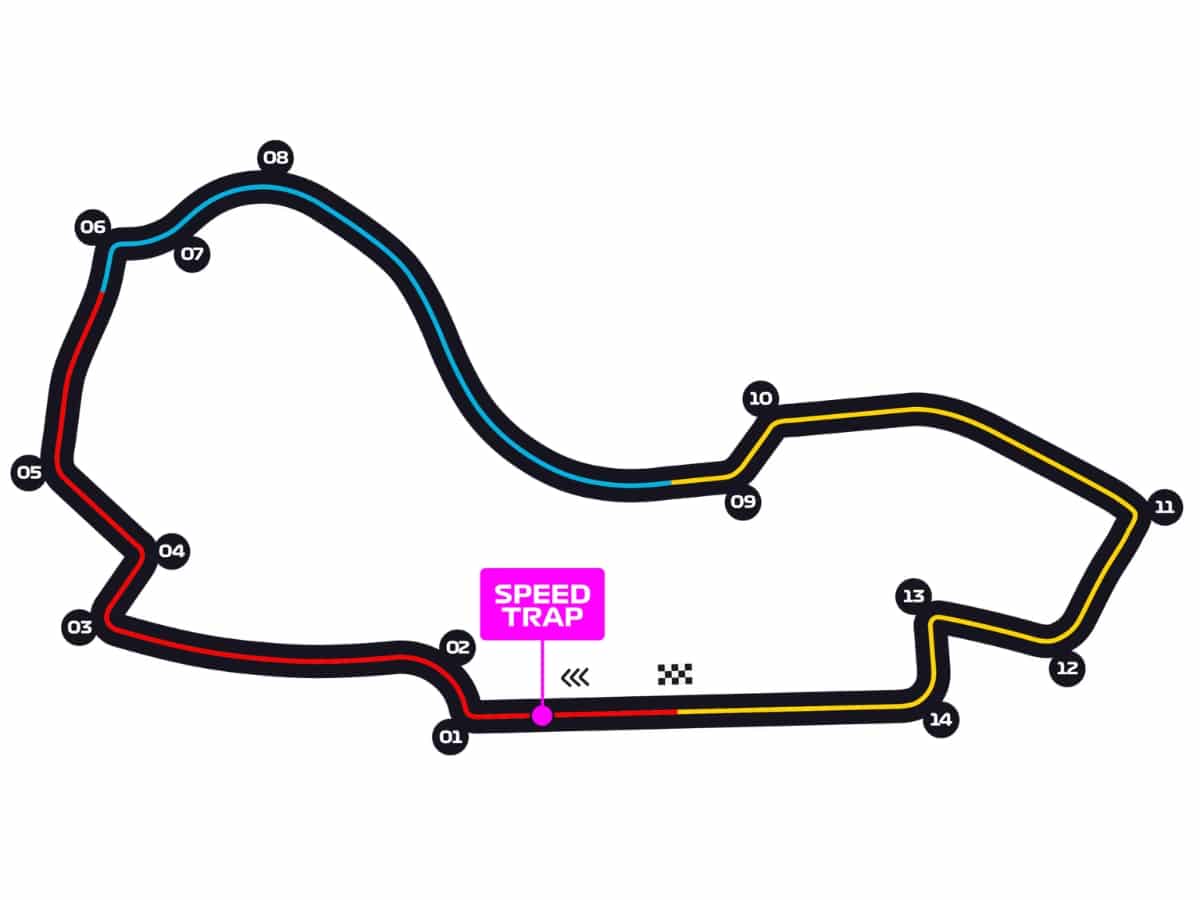
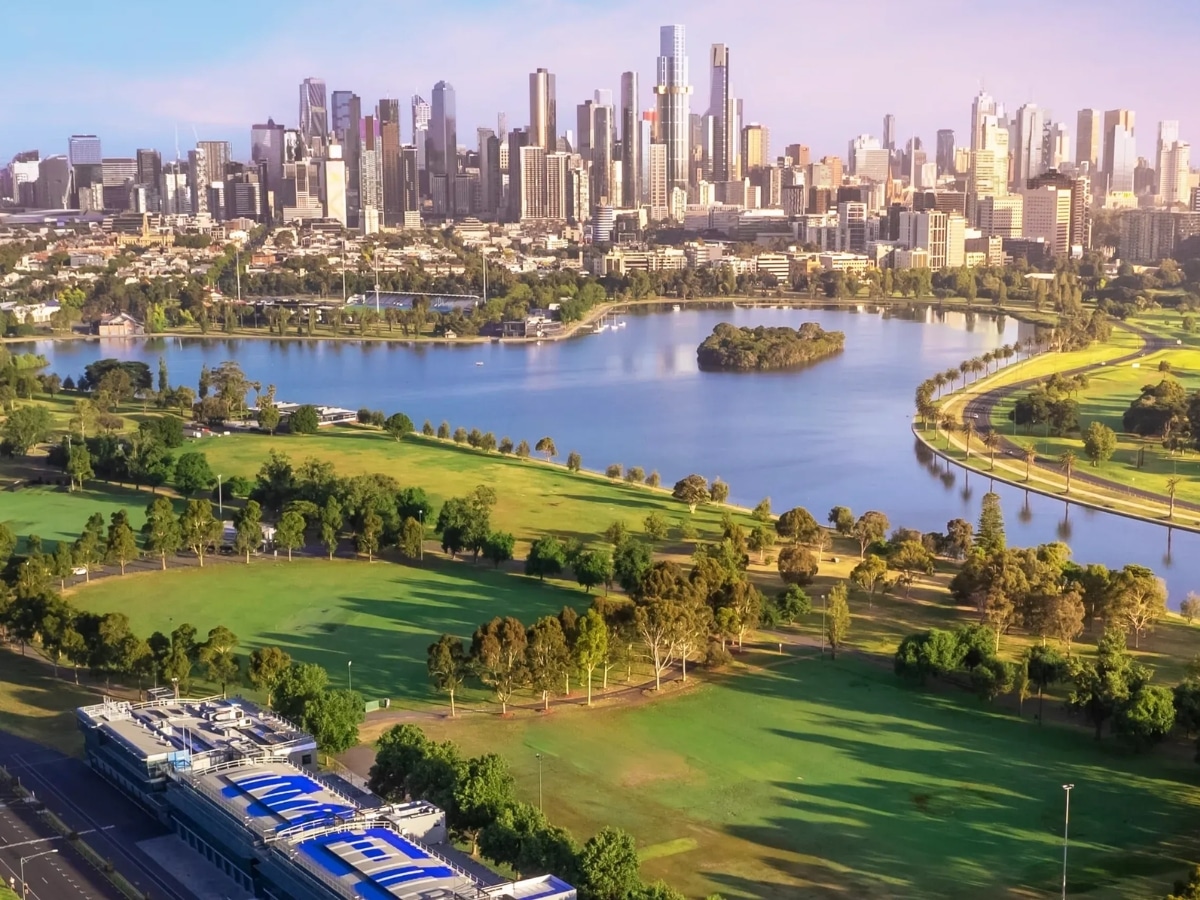
The Albert Park Grand Prix Circuit remains a 5.278km temporary street circuit that winds around the picturesque Albert Park Lake. Since the layout revisions in 2022, which removed the chicane at Turn 9/10 and widened several key corners, the track has become significantly faster. The current race lap record, set by Charles Leclerc in 2024 at 1:19.813, is expected to be challenged as teams adapt to the new 2026 aerodynamic profiles.
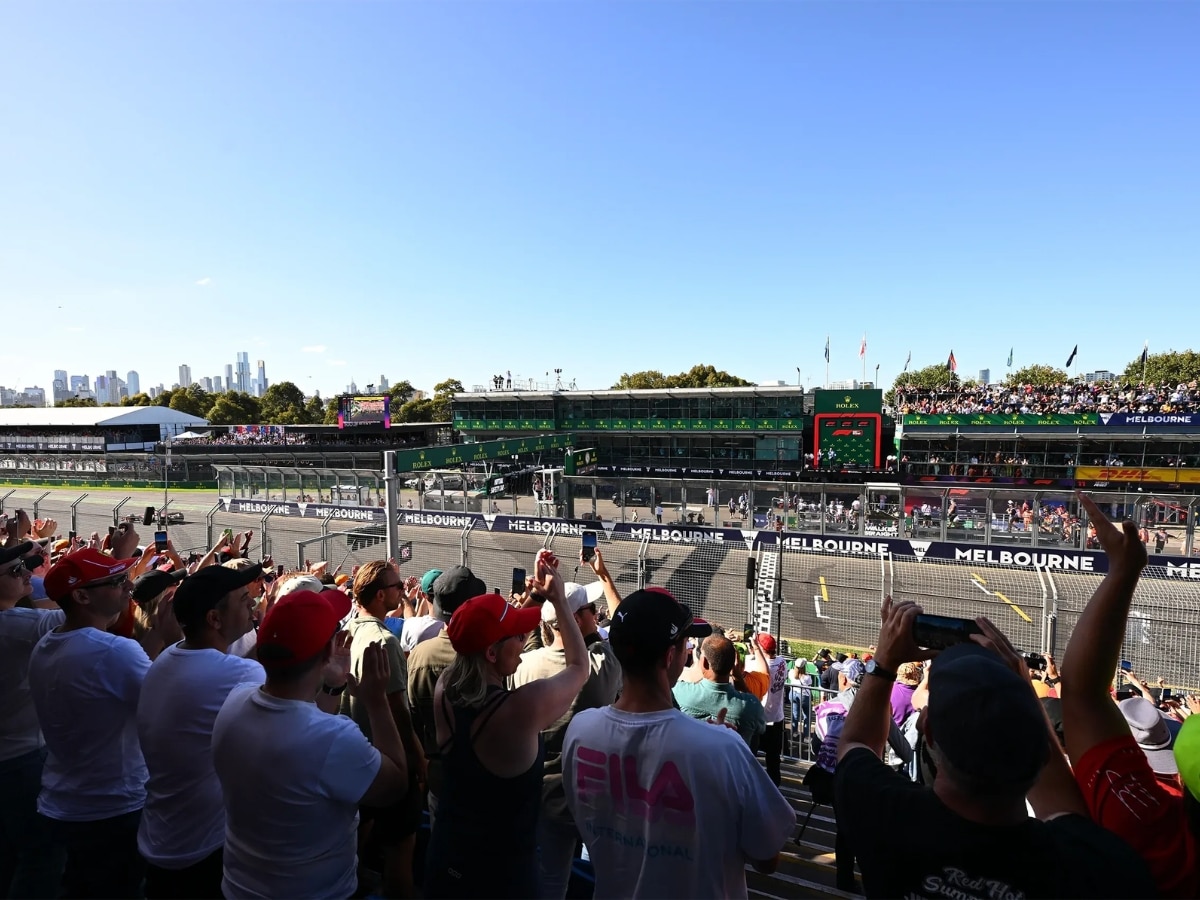
The circuit is notorious for being "green" at the start of the weekend, as the public roads carry little rubber. Grip levels evolve rapidly throughout the four days. The 58-lap race covers a total distance of 306.124km. Strategically, the race is often influenced by the late-afternoon sun, which can affect visibility for drivers during the crucial final stages of the Grand Prix, which starts at 3:00 pm local time.
Comprehensive Four-Day Event Schedule
The Australian Grand Prix is a multi-disciplinary event, featuring a dense schedule of support categories including the FIA Formula 2 and Formula 3 Championships, the Supercars Championship, and the Porsche Carrera Cup Australia.
Thursday, March 5: The Opening Salvo
The weekend begins with a focus on domestic categories and the first glimpse of Formula 1 personnel.
- 9:45 am – 10:15 am: Porsche Carrera Cup Practice
- 10:35 am – 11:05 am: Supercars Championship Practice 1
- 11:35 am – 12:05 pm: Porsche Carrera Cup Qualifying
- 1:30 pm – 2:30 pm: Formula 1 Drivers’ Press Conference
- 3:35 pm – 4:10 pm: Porsche Carrera Cup Race 1
- 4:55 pm – 5:40 pm: Supercars Championship Race 1 (19 Laps)
Friday, March 6: International Categories and F1 Practice
The intensity increases as the global junior categories take to the track followed by the first official F1 sessions of the year.
- 8:50 am – 9:35 am: FIA Formula 3 Practice
- 10:00 am – 10:45 am: FIA Formula 2 Practice
- 12:30 pm – 1:30 pm: Formula 1 Practice 1
- 2:00 pm – 2:30 pm: FIA Formula 3 Qualifying
- 4:00 pm – 5:00 pm: Formula 1 Practice 2
- 5:25 pm – 6:10 pm: Supercars Championship Race 2 (19 Laps)
Saturday, March 7: Qualifying Day
The hunt for the first pole position of the new era takes center stage.
- 11:15 am – 12:00 pm: FIA Formula 3 Sprint Race (20 Laps)
- 12:30 pm – 1:30 pm: Formula 1 Practice 3
- 2:10 pm – 3:00 pm: FIA Formula 2 Sprint Race (23 Laps)
- 4:00 pm – 5:00 pm: Formula 1 Qualifying
- 5:35 pm – 6:15 pm: Supercars Championship Race 3 (19 Laps)
Sunday, March 8: Grand Prix Sunday
The culmination of the weekend features the headline event and the final races for support categories.
- 8:50 am – 9:40 am: FIA Formula 3 Feature Race (23 Laps)
- 10:10 am – 10:45 am: Supercars Championship Race 4 (14 Laps)
- 11:25 am – 12:30 pm: FIA Formula 2 Feature Race (33 Laps)
- 1:00 pm – 1:30 pm: Formula 1 Drivers’ Parade
- 3:00 pm – 5:00 pm: Formula 1 Australian Grand Prix (58 Laps)
Ticketing and Fan Experience
With the "Piastri effect" driving record demand, tickets for the 2026 event have seen unprecedented interest. The event offers three primary tiers of access:
- Park Pass (General Admission): Provides access to the precinct and various viewing mounds. Thursday remains the most flexible day for GA holders, as grandstands are traditionally unreserved for the first day of track action.
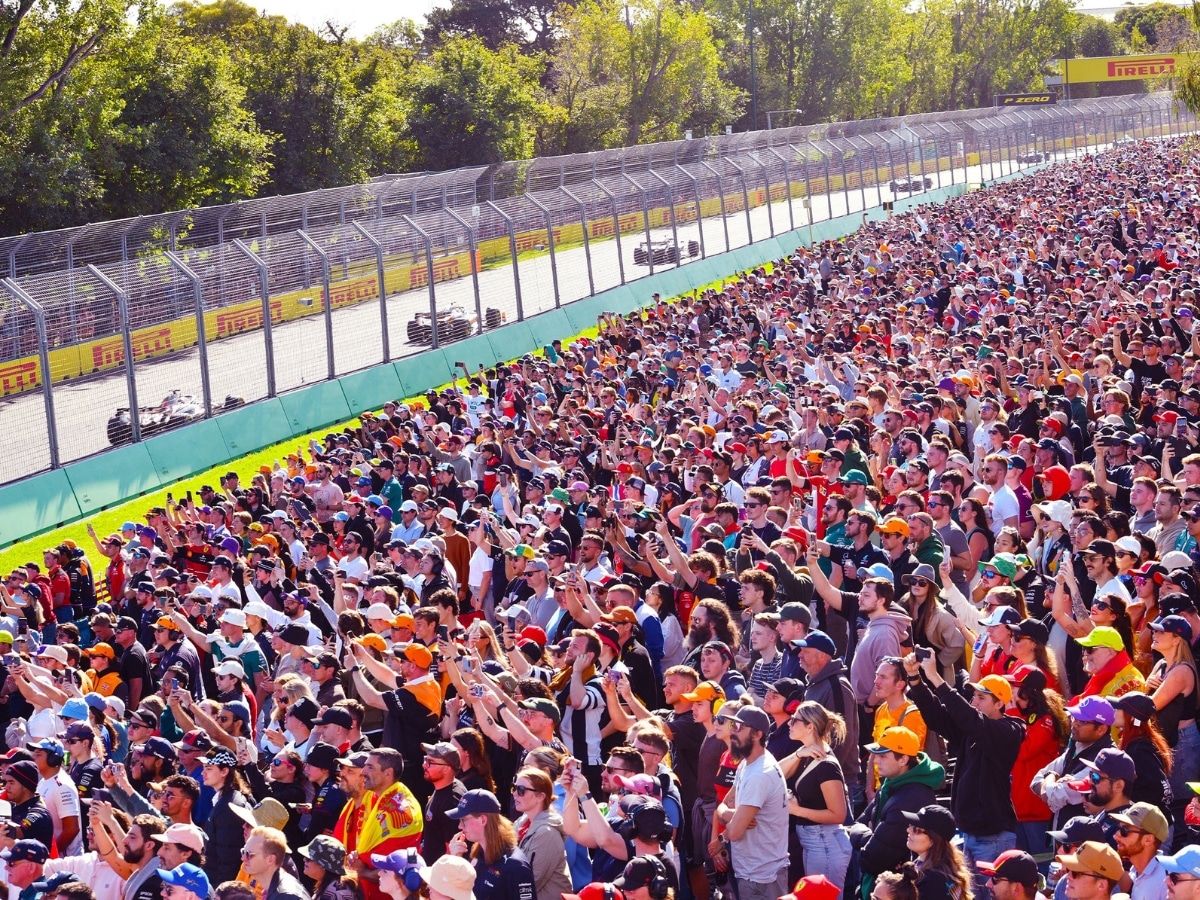
- Grandstand Seating: Key locations such as the Brabham, Jones, and Fangio stands provide guaranteed views of critical braking zones and the pit straight. Demand has resulted in many three-day passes selling out months in advance, though the official resale platform remains the primary source for late acquisitions.
- Hospitality Suites: Premium options like the Paddock Club and various lakeside lounges offer climate-controlled environments and gourmet catering, catering to corporate interests and high-net-worth fans.
Off-Track Activations and Cultural Impact
The Melbourne Grand Prix transcends the boundaries of the circuit, integrating with the city’s cultural fabric. The F1 Melbourne Fan Festival at Federation Square serves as a secondary hub, providing free live screenings and driver appearances for those without track tickets.
In St Kilda, the McLaren Mastercard F1 Team X PUMA Ignition Beach activation offers a public touchpoint for fans to engage with the team’s branding and history. Within the circuit, the Lakeside Festival provides a rotating lineup of live music, ensuring the atmosphere remains vibrant between racing sessions. For enthusiasts seeking a deeper historical dive, "F1: The Exhibition" at the Melbourne Convention and Exhibition Centre provides an educational overview of the sport’s technological evolution.
Broader Implications for the 2026 Season
The results of the Australian Grand Prix will offer the first definitive data on the competitive order of the new 2026 regulations. Historically, the season opener can be an outlier, but with the complexity of the new power units, reliability will be as critical as outright pace. The race will serve as a litmus test for the new partnerships between Audi, Ford, Honda, and their respective teams.
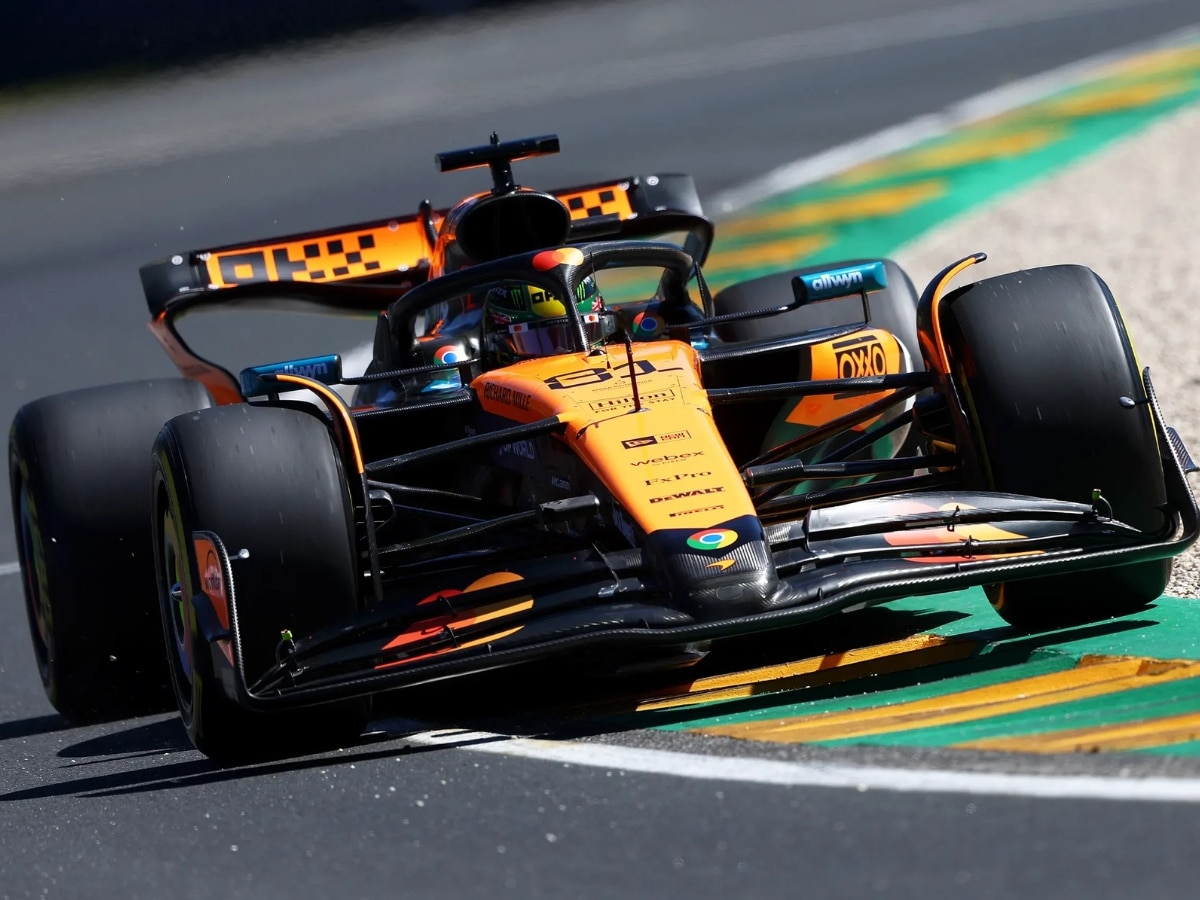
Furthermore, the economic impact on the state of Victoria is projected to reach record highs. In previous years, the event has generated over $250 million in economic activity, supporting thousands of jobs in the tourism and hospitality sectors. As the first race of a 24-round calendar, the 2026 Australian Grand Prix is more than a race; it is a global showcase of engineering excellence and the starting point for a new chapter in racing history.
2026 Formula 1 World Championship Calendar
| Date | Grand Prix | City | Track |
|---|---|---|---|
| 06–08 Mar | Australian GP | Melbourne | Albert Park Circuit |
| 13–15 Mar | Chinese GP | Shanghai | Shanghai International Circuit |
| 27–29 Mar | Japanese GP | Suzuka | Suzuka International Racing Course |
| 10–12 Apr | Bahrain GP | Sakhir | Bahrain International Circuit |
| 17–19 Apr | Saudi Arabian GP | Jeddah | Jeddah Corniche Circuit |
| 01–03 May | Miami GP | Miami | Miami International Autodrome |
| 22–24 May | Canadian GP | Montreal | Circuit Gilles Villeneuve |
| 05–07 Jun | Monaco GP | Monte Carlo | Circuit de Monaco |
| 12–14 Jun | Barcelona-Catalunya GP | Barcelona | Circuit de Barcelona-Catalunya |
| 26–28 Jun | Austrian GP | Spielberg | Red Bull Ring |
| 03–05 Jul | British GP | Silverstone | Silverstone Circuit |
| 17–19 Jul | Belgian GP | Spa | Circuit de Spa-Francorchamps |
| 24–26 Jul | Hungarian GP | Budapest | Hungaroring |
| 21–23 Aug | Dutch GP | Zandvoort | Circuit Zandvoort |
| 04–06 Sep | Italian GP | Monza | Autodromo Nazionale Monza |
| 11–13 Sep | Spanish GP | Madrid | Madrid Street Circuit |
| 25–27 Sep | Azerbaijan GP | Baku | Baku City Circuit |
| 09–11 Oct | Singapore GP | Marina Bay | Marina Bay Street Circuit |
| 23–25 Oct | United States GP | Austin | Circuit of the Americas |
| 30 Oct–01 Nov | Mexican GP | Mexico City | Autódromo Hermanos Rodríguez |
| 06–08 Nov | Brazilian GP | São Paulo | Interlagos |
| 19–21 Nov | Las Vegas GP | Las Vegas | Las Vegas Strip Circuit |
| 27–29 Nov | Qatar GP | Lusail | Lusail International Circuit |
| 04–06 Dec | Abu Dhabi GP | Abu Dhabi | Yas Marina Circuit |


 Jia Lissa
 Yuyun Lusiyani
 Joko Widodo
 Eva Lovia

 Pevita Pearce