
 Lina Irawan
Garmin, a global leader in GPS navigation and wearable technology, has announced the launch of the CIRQA Smart Band, a significant departure from its traditional lineup of high-performance smartwatches. Priced at AUD$299 and scheduled for release in the Australian market on July 24, the CIRQA represents Garmin’s first foray into the screen-free wearable category. Unlike the brand’s flagship Fenix or Forerunner series, which emphasize real-time data visualization and interactive notifications, the CIRQA is designed to operate almost entirely in the background. It focuses on the passive collection of physiological data, catering to a growing demographic of users seeking a "digital detox" or a more discreet way to monitor their health without the distractions of a wrist-worn display.
The introduction of the CIRQA comes at a time when the wearable industry is increasingly bifurcated between high-utility smartwatches and minimalist health trackers. By removing the screen, Garmin has effectively eliminated the primary source of battery drain and user interruption, allowing the device to maintain a slim, fabric-based profile that can be worn on the wrist or the upper arm. This design choice underscores a strategic shift toward "ambient sensing," where technology integrates seamlessly into the user’s lifestyle rather than demanding constant attention through haptic alerts and glowing screens.
A Strategic Shift in Wearable Philosophy
For over two decades, Garmin has built its reputation on providing athletes with robust, data-rich instruments. However, the CIRQA Smart Band indicates a pivot toward a more holistic view of health. While a marathon runner might rely on a Forerunner 965 for pacing and navigation during a race, that same individual may find a bulky, light-emitting watch cumbersome during sleep or formal events. The CIRQA is positioned as the ideal companion to these primary devices, ensuring that the user’s data stream remains uninterrupted 24/7.
Industry analysts suggest that this move is a direct response to the "notification fatigue" experienced by many modern consumers. According to recent market research, a significant percentage of wearable users disable non-essential notifications to reduce anxiety and screen time. By launching a device that lacks a screen entirely, Garmin is leaning into the minimalist aesthetic popularized by competitors like Whoop and Oura, while leveraging its existing, sophisticated data infrastructure known as Garmin Connect.

Technical Specifications and Sensor Array
Despite its diminutive size and lack of a visual interface, the CIRQA is equipped with a comprehensive suite of sensors designed to track a wide array of biometrics. The device monitors heart rate, heart rate variability (HRV), blood oxygen saturation (Pulse Ox), and skin temperature. These metrics feed into Garmin’s proprietary algorithms to provide users with a "Body Battery" score—a metric that quantifies an individual’s energy levels throughout the day by balancing physical activity, stress, and recovery.
The CIRQA’s sleep tracking capabilities are particularly robust, covering sleep stages (light, deep, and REM), respiration rates, and nap detection. Given its low-profile fabric band, the device is marketed as a superior alternative for overnight wear compared to traditional smartwatches, which can be uncomfortable or prone to snagging on bedding. Furthermore, the band includes a single physical side button that can be programmed to trigger a favorite activity, such as a workout or a timed meditation session, providing a tactile point of interaction in an otherwise passive device.
Battery life remains a standout feature, with Garmin claiming up to 10 days of continuous use on a single charge. This longevity is a direct benefit of the screen-free design and places the CIRQA ahead of most full-featured smartwatches, which typically require charging every one to three days. For outdoor activities, the band utilizes "Connected GPS," meaning it syncs with a paired smartphone to record pace, distance, and route data for runs, walks, and cycling.
The Garmin Ecosystem and Data Continuity
One of the most compelling aspects of the CIRQA is its integration into the broader Garmin ecosystem. Through a feature known as "Unified Training Status," Garmin allows users to switch between multiple devices without losing the continuity of their training data. A user might wear a Garmin Edge cycling computer during a morning ride, a Fenix watch during a gym session, and the CIRQA Smart Band for the remainder of the day and night. Garmin Connect then synthesizes this data into a single, cohesive health profile.
This ecosystem approach is a significant competitive advantage. Many users who are already invested in the Garmin environment have years of historical data stored in the Connect app. The CIRQA provides these users with a way to maintain that data stream during times when they previously might have gone "untracked." The device supports more than 80 different activities, which can be manually initiated via the smartphone app or, in some cases, automatically detected by the band’s internal accelerometers.

Challenging the Subscription-Based Membership Model
The CIRQA enters a market currently dominated by the subscription-heavy models of Whoop and Oura. While Whoop offers its hardware for "free" or at a low entry cost, it requires a recurring monthly membership fee (often upwards of $30 AUD) to access any of the data collected by the device. Similarly, the Oura Ring 5 requires a monthly subscription to unlock its most detailed insights and long-term trends.
Garmin’s pricing strategy for the CIRQA is a direct challenge to this trend. With a one-time purchase price of AUD$299, users gain access to all core health, sleep, and fitness tracking features without the requirement of a mandatory subscription. While Garmin does offer an optional "Garmin Connect+" service for advanced AI-powered coaching and nutrition plans, the fundamental data remains accessible to the owner indefinitely. This "hardware-first" approach may appeal to consumers who are increasingly wary of "subscription creep" in their monthly expenses.
Historical Context and the Evolution of Garmin Fitness
The release of the CIRQA marks a full circle for Garmin’s fitness division. In the early 2000s, Garmin was one of the first companies to put GPS on the wrist with the original Forerunner 101. Over the following two decades, the company focused on adding more: more sensors, more pixels, more maps, and more smart features. However, as the market matured, a niche emerged for those who wanted the data of a high-end sports watch without the visual presence of one.
The CIRQA follows in the footsteps of the Vivofit and Vivosmart lines but strips away the remaining vestiges of the digital display. This evolution reflects a broader trend in the Internet of Things (IoT) sector toward "invisible technology." By focusing on the quality of the sensors rather than the flashiness of the interface, Garmin is positioning itself as a leader in the next generation of wearable health technology—one where the device is felt but not necessarily seen.
Market Implications and the Rise of Passive Tracking
The launch of the CIRQA is likely to have ripple effects across the wearable industry. If successful, it may prompt other tech giants, such as Apple or Samsung, to consider "lite" or screen-free versions of their own popular wearables. The move also suggests that the value of wearables is shifting away from being a "second screen" for a smartphone and toward being a dedicated medical-grade health monitor.
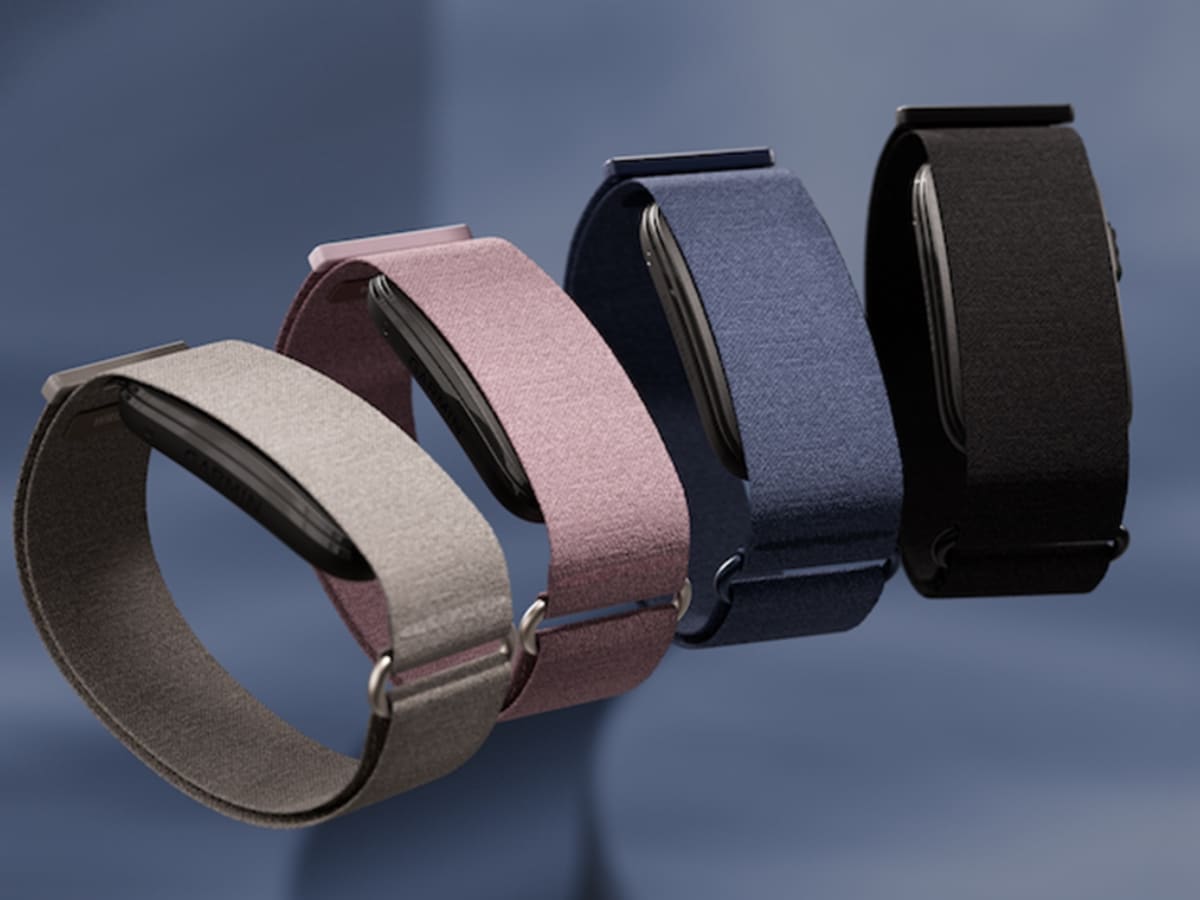
Furthermore, the CIRQA’s design makes it an attractive option for the professional world. In corporate environments where a bulky sports watch might clash with professional attire, the CIRQA can be hidden under a shirt sleeve or worn as a discreet band. This expands Garmin’s reach beyond the core athlete demographic and into the general wellness and corporate health sectors.
Official Responses and Availability
While Garmin executives have emphasized that the CIRQA is not intended to replace the smartwatch, they have highlighted its role in providing a "complete picture" of health. "The CIRQA is about filling the gaps," a company representative noted during a pre-launch briefing. "It’s for the hours of the day when you aren’t ‘training’ but your body is still working, recovering, and reacting to stress."
The Garmin CIRQA Smart Band will be available in several colorways, including Black, Captain Blue, Mauve, and French Grey. Orders in Australia are set to open on July 24 through Garmin’s official website and select retail partners. As the wearable market continues to evolve, the CIRQA stands as a testament to the idea that sometimes, less really is more. By removing the screen, Garmin has created a device that prioritizes the user’s physical well-being over their digital distractions, marking a new chapter in the company’s storied history of innovation.



 Yuyun Lusiyani
 Joko Widodo
 Eva Lovia
 Pevita Pearce
 admin
admin