
 Lina Irawan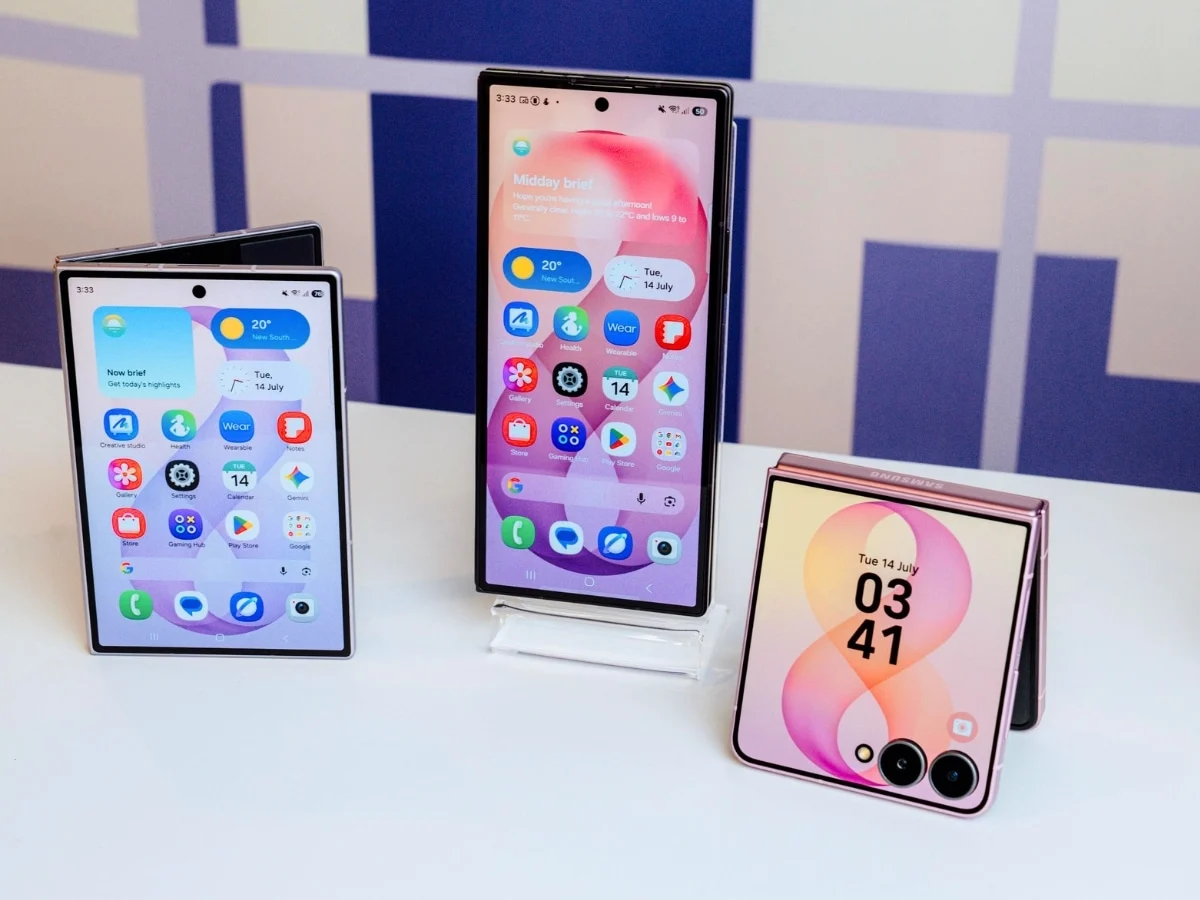
Samsung Electronics officially expanded its leadership in the foldable smartphone market during its global Unpacked 2026 event held in London, introducing a restructured lineup designed to transition foldable technology from a niche enthusiast category into the mainstream consumer segment. The South Korean technology giant unveiled three distinct devices: the Galaxy Z Flip8, the Galaxy Z Fold8 Ultra, and an entirely new form factor, the Galaxy Z Fold8. This strategic expansion marks the first time Samsung has offered three folding handsets simultaneously, signaling a shift in its product roadmap to address varying consumer needs for portability, productivity, and content consumption. The event, held at a high-profile venue in the British capital, served as a platform for Samsung to showcase its latest engineering breakthrough, "Flex Titanium," a material-science innovation intended to resolve long-standing consumer concerns regarding the durability and weight of folding screens.
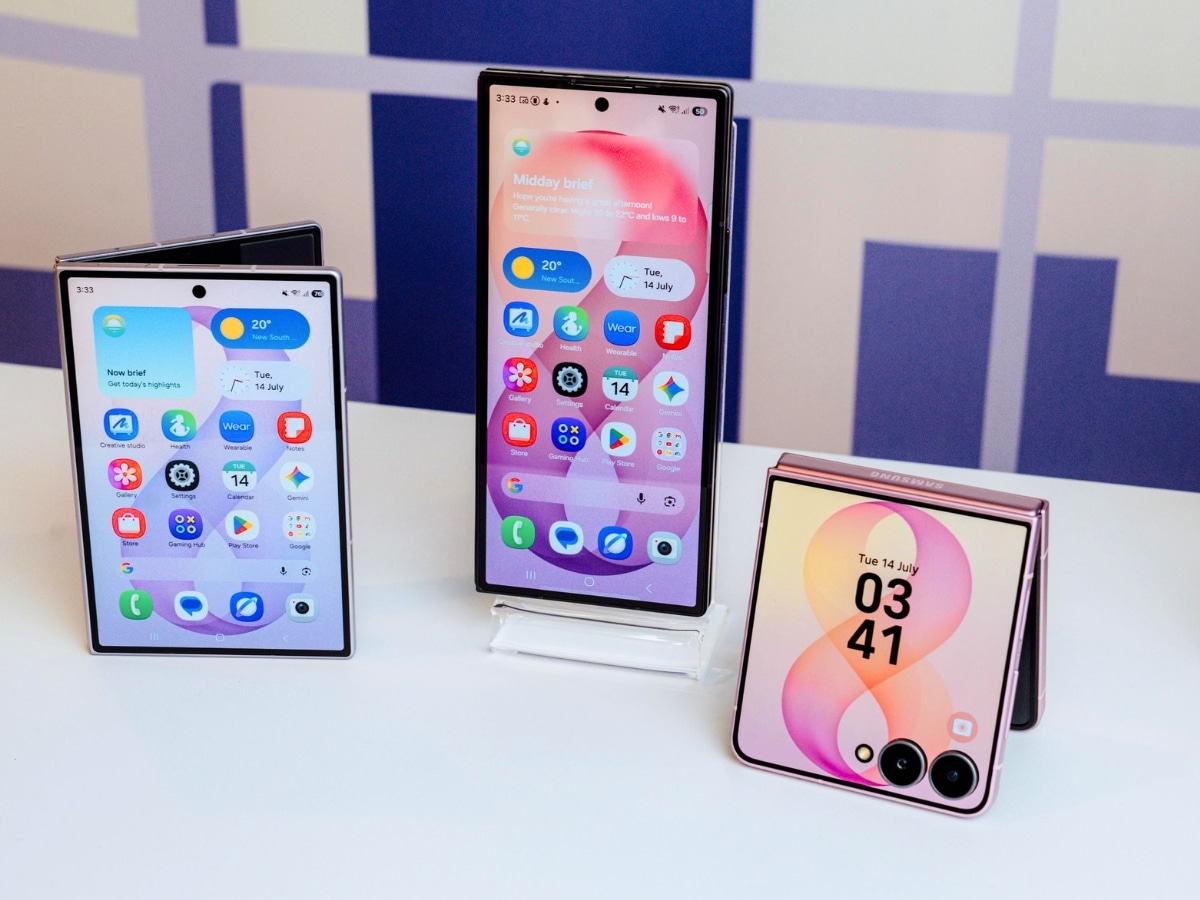
The flagship announcement centered on the Galaxy Z Fold8, a device that introduces a wallet-shaped build specifically engineered to optimize the experience of reading and social media interaction. By moving away from the narrower aspect ratios of previous generations, the Fold8 approximates the dimensions of a standard e-reader when unfolded, featuring a 7.6-inch 4:3 main screen complemented by a 5.5-inch 10:16 cover screen. This new entry sits between the pocketable Flip8 and the productivity-focused Fold8 Ultra, targeting a "Goldilocks zone" for users who desire a larger canvas without the bulk traditionally associated with the Fold series. Weighing 201 grams, the Fold8 is significantly lighter than previous iterations of the Fold series, a feat achieved through the debut of Flex Titanium technology.
Flex Titanium represents a comprehensive reengineering of the internal display structure. Samsung engineers combined a titanium alloy film with an enhanced titanium support plate to create a chassis that is both thinner and more resilient than the aluminum structures used in prior models. According to technical specifications shared during the event, this new structure is designed to better absorb pressure and impact while significantly reducing the visibility of the internal screen’s crease over time. The hinge mechanics have also been refined, utilizing a combination of display tension and magnetic force to provide a smoother unfolding motion that offers tactile resistance without requiring excessive force. This engineering shift is part of Samsung’s broader effort to make foldables feel as polished and reliable as traditional "slab" smartphones.

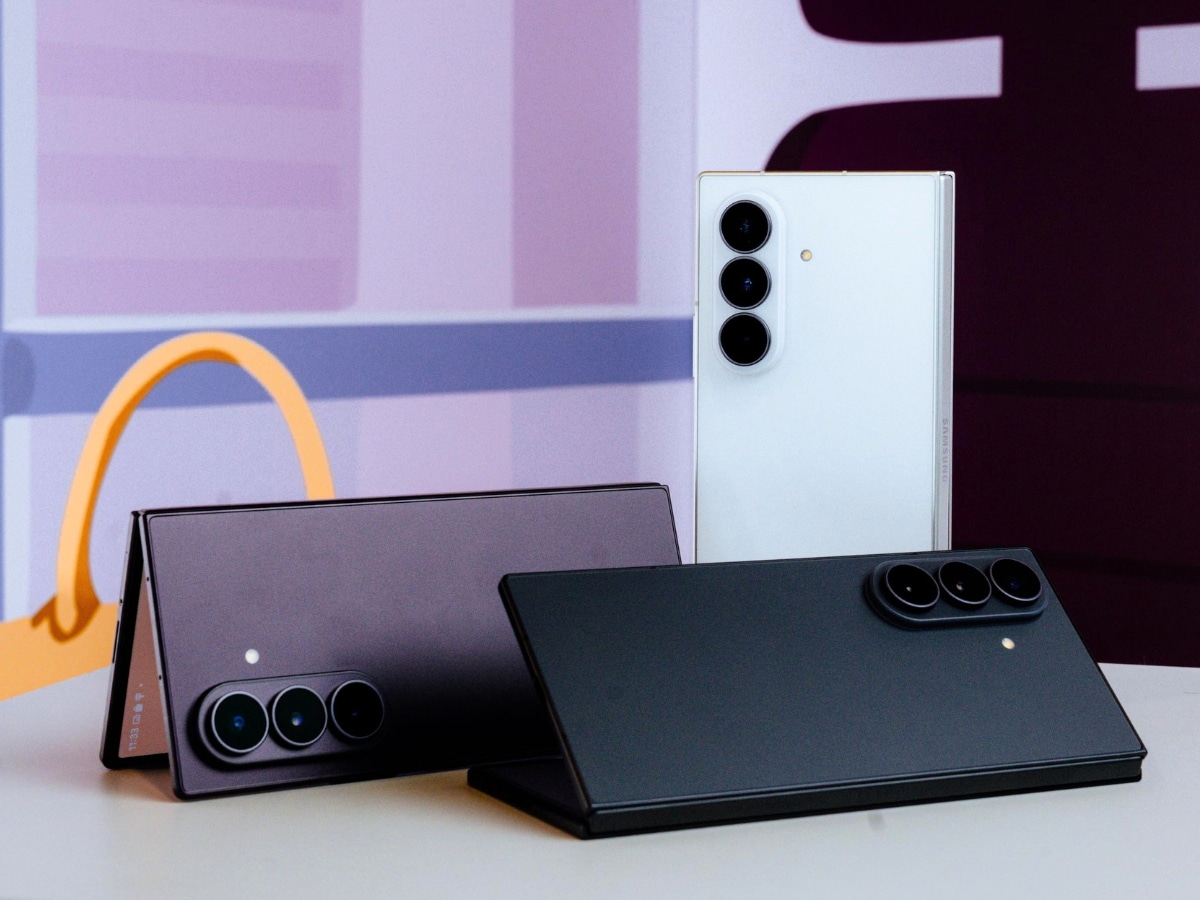
The Galaxy Z Fold8 Ultra represents the pinnacle of Samsung’s mobile engineering for 2026, succeeding the Fold7 with a focus on professional-grade hardware. For the first time, Samsung has applied the "Ultra" branding to its foldable line, bringing it into parity with the S-series flagships. The Fold8 Ultra retains the 6.5-inch cover screen and 8.0-inch main screen of its predecessor but achieves a record-thin profile of 4.1 mm when unfolded. Under the hood, the device is powered by the Snapdragon 8 Elite Gen 5 for Galaxy, a chipset optimized specifically for the high-demand multitasking required by a foldable interface. The battery capacity has been upgraded to 5,000 mAh, a significant increase from the 4,400 mAh found in the Fold7, addressing one of the primary criticisms of the previous generation.
In terms of optics, the Fold8 Ultra inherits the camera system of the S26 Ultra, featuring a 200 MP wide lens, a 50 MP ultra-wide lens, and a 10 MP telephoto lens. This marks a departure from previous years where the Fold line often trailed behind the S-series in camera performance. The inclusion of the new APV (Advanced Professional Video) codec allows for 8K video recording with higher bitrates, positioning the Fold8 Ultra as a primary tool for mobile content creators. The device also supports advanced multitasking software, allowing users to run three simultaneous applications on the main screen with minimal latency, bolstered by the Gen 5 NPU (Neural Processing Unit) for AI-driven task management.
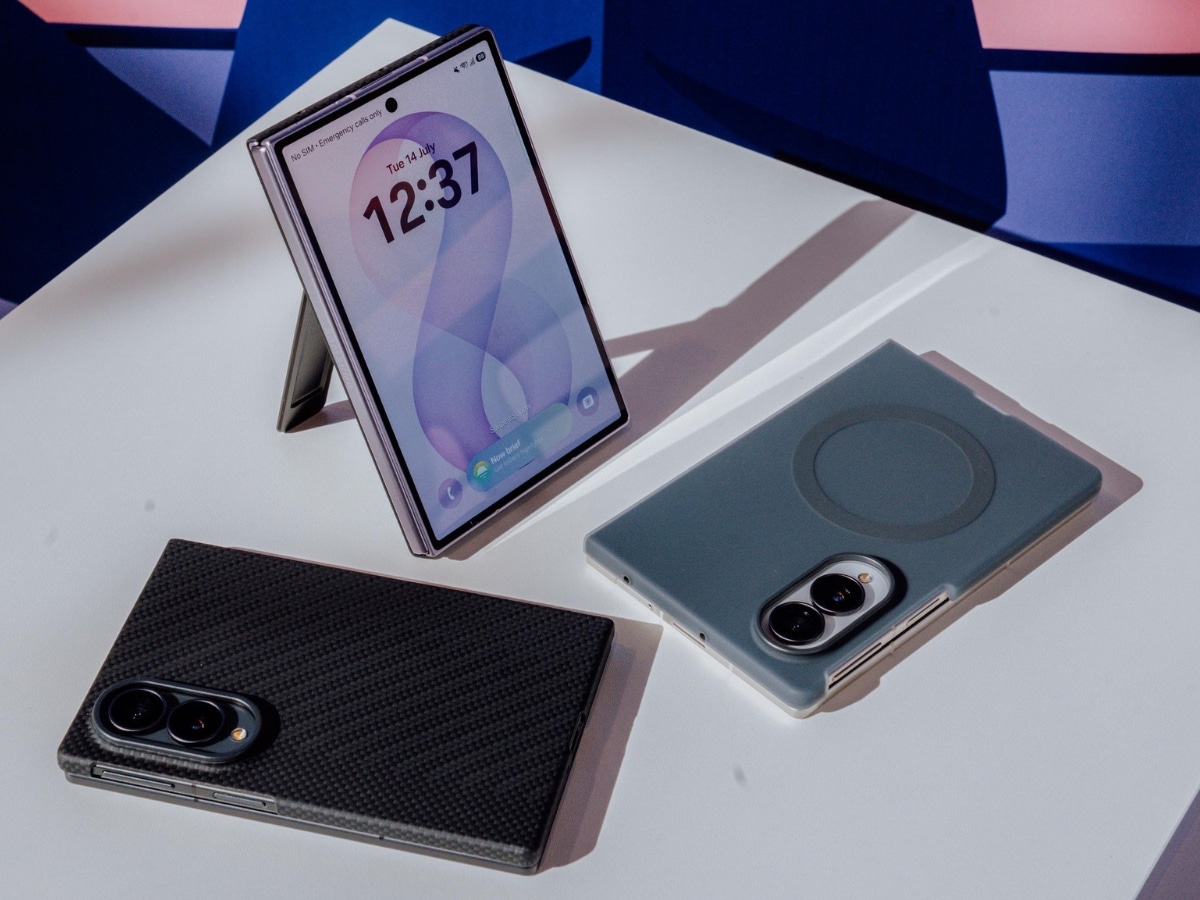
The Galaxy Z Flip8 continues to serve as the brand’s entry point into the foldable ecosystem, focusing on portability and lifestyle features. The Flip8 has been refined to be the slimmest and lightest in the series, weighing 180 grams and measuring 13.1 mm when folded. A major software addition to this model is "Now Brief" technology, which is integrated into the external FlexWindow (cover screen). Now Brief uses on-device artificial intelligence to analyze incoming notifications, calendar events, and health data, presenting a summarized "briefing" to the user without requiring them to unfold the device. This focus on "glanceability" is intended to reduce screen time and improve user efficiency.
The Flip8 also receives a camera upgrade to a 50 MP sensor equipped with the ProVisual Engine. This software-hardware integration is designed to improve skin tone reproduction and low-light performance in portraits. A unique "Camcorder Grip" mode has been introduced, which utilizes the phone’s semi-folded state to mimic the ergonomics of a classic handheld camcorder, complete with a digital zoom rocker on the screen interface. Starting at AUD$1,949, the Flip8 remains the most accessible model in the lineup, aimed at a younger, social-media-centric demographic.
The context of these releases is rooted in a rapidly maturing market. Samsung reported that the Galaxy Z Fold7 sold 48 percent more units than the Fold6, indicating that consumer skepticism regarding foldables is waning as the technology matures. However, the 2026 launch comes at a critical juncture for the industry. Market analysts and industry insiders have long speculated that Apple will enter the foldable market in late 2026 or early 2027. By diversifying its lineup now, Samsung is effectively "flooding the zone" with multiple form factors and price points to solidify its market share before its primary competitor enters the fray.
Industry analysts suggest that the introduction of the mid-tier Fold8 is a calculated move to capture the segment of the market that finds the Flip too small for productivity but the Fold8 Ultra too expensive or bulky. The AUD$2,699 starting price for the Fold8 remains high compared to traditional flagship phones, but Samsung appears to be betting on the "lifestyle productivity" appeal of the e-reader form factor to justify the premium. The company has also emphasized its sustainability goals during the Unpacked event, noting that a significant percentage of the titanium and glass components in the 2026 lineup are sourced from recycled materials, aligning with global ESG (Environmental, Social, and Governance) trends.
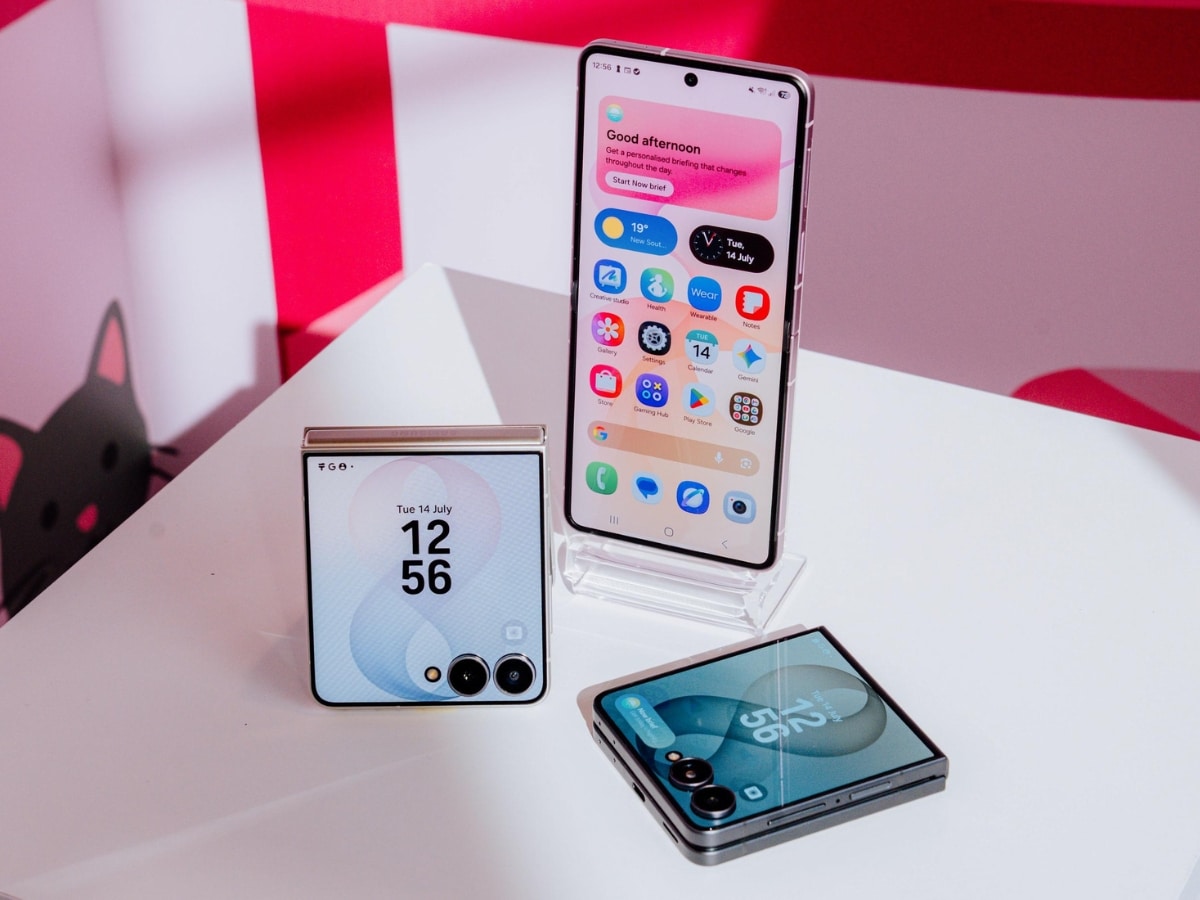
The broader implications for the smartphone industry are significant. As Samsung pushes the boundaries of material science with Flex Titanium and integrates more sophisticated AI into its foldable interfaces, the gap between tablets and smartphones continues to blur. The 2026 lineup suggests that Samsung no longer views foldables as a secondary experiment but as the future of its mobile business. The shift toward specialized software like "My FanCam"—which uses AI to automatically track subjects and reframe footage for social media—indicates that Samsung is focusing on the "creator economy" to drive adoption.
In conclusion, the Unpacked 2026 event in London has established a new baseline for the mobile industry. By offering three distinct folding options—the lifestyle-oriented Flip8, the content-focused Fold8, and the professional-grade Fold8 Ultra—Samsung is attempting to address every corner of the high-end smartphone market. While the high price points (ranging from AUD$1,949 to AUD$2,999) remain a barrier to total market saturation, the technological advancements in durability and weight suggest that the "foldable compromise" is nearing its end. As the industry moves toward the end of 2026, the focus will likely shift to how competitors respond to Samsung’s aggressive hardware expansion and whether the new "wallet" form factor of the Fold8 can become the new standard for mobile consumption.



 Yuyun Lusiyani
 Joko Widodo
 Eva Lovia
 Pevita Pearce
 admin
admin