
 Nana Wu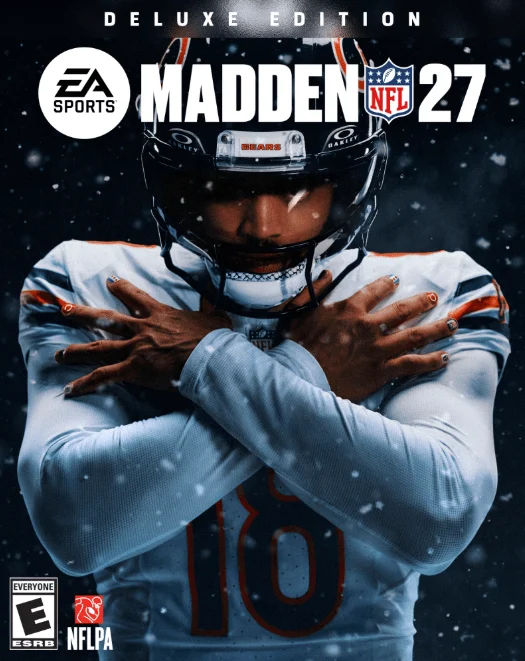
The world of sports nicknames, often a colorful tapestry woven from athletic prowess and fan adoration, has unexpectedly found itself at the center of a complex legal battle over trademark rights. At the heart of this dispute is the moniker "Iceman," a nickname famously associated with basketball Hall of Famer George Gervin and now claimed by incoming NFL quarterback Caleb Williams. Adding another layer to this unfolding saga is LaCrosse Footwear, a company that holds a registered trademark for "Iceman" for its line of insulated boots. This multi-faceted conflict highlights the intricate challenges of intellectual property law in the digital age, where names and brands transcend their original contexts and can become valuable assets.
The Genesis of "Iceman": A Tale of Two Athletes
The nickname "Iceman" carries significant historical weight in the sports arena. George Gervin, a legendary shooting guard who dominated the NBA in the 1970s and 1980s, earned this moniker due to his unflappable demeanor on the court. His calm, collected, and focused play, even under immense pressure, led fans and media to dub him the "Iceman." This nickname became so ingrained in his identity that it was prominently featured in iconic promotional materials, including widely distributed posters that cemented his association with the moniker. Gervin’s legacy as "The Iceman" is a testament to how a well-placed nickname can become synonymous with an athlete’s brand and career.
More recently, Caleb Williams, a highly touted quarterback expected to be a top pick in the upcoming NFL Draft, has also embraced the nickname "Iceman." His on-field performance, characterized by poise and precision, has drawn comparisons to Gervin, leading to the adoption of the same nickname. This association has reached a significant milestone, with Williams himself appearing on the cover of the latest edition of the popular Madden NFL video game, where the "Iceman" moniker is visibly integrated into his branding. This prominent placement underscores the growing connection between Williams and his chosen nickname, signaling its importance to his emerging professional identity.
The Trademark Application Cascade: A Legal Chess Match
The current dispute began when Caleb Williams, recognizing the growing significance of "Iceman" to his personal brand, initiated the process of securing federal trademarks for the term. His applications reportedly encompassed various categories, including clothing and apparel, reflecting a desire to protect his intellectual property across potential commercial ventures. These applications aimed to establish legal ownership of the "Iceman" name in specific commercial contexts.
George Gervin, despite his long-standing association with the nickname, had not previously sought to trademark it. However, upon learning of Williams’s applications, Gervin took steps to file his own trademark applications for "Iceman" and variations thereof, arguing for his prior established use of the name. This move set the stage for a direct confrontation between the two athletes over who holds the primary claim to the "Iceman" identity in the trademark landscape.

The United States Patent and Trademark Office (USPTO) has played a pivotal role in this unfolding drama. Both Williams’s and Gervin’s initial trademark applications have faced rejection. Crucially, these rejections were not directly due to the conflict between the two athletes. Instead, the USPTO cited a pre-existing trademark held by LaCrosse Footwear for the "Iceman" brand, specifically for their line of insulated boots and boot liners.
LaCrosse Footwear’s "Iceman" and the USPTO’s Stance
LaCrosse Footwear, an Oregon-based company, has held the trademark for "Iceman" for its boot products for a considerable period. The USPTO’s refusal letters, as detailed in reports, indicated that the marks applied for by both Williams and Gervin were "identical in appearance, sound and meaning" to LaCrosse’s existing registration. The office further stated that due to this identity, the marks were likely to create "the same connotation and overall commercial impression" when associated with the respective goods and services. This broad interpretation by the USPTO suggests a stringent approach to preventing consumer confusion between dissimilar product categories.
The USPTO’s decision to refuse both athletes’ applications based on LaCrosse’s existing trademark highlights a common practice in trademark examination. It is not uncommon for initial trademark applications to be rejected if the USPTO identifies any potential for confusion with existing registrations, even if the goods or services are not directly competitive. This initial rejection serves as a preliminary screening mechanism, prompting applicants to either abandon their applications or pursue an appeal to argue against the likelihood of confusion.
The Legal Nuances: First-to-Use vs. First-to-File and the Burden of Proof
The American trademark system operates on a "first-to-use" principle, meaning that the party who can demonstrate prior use of a mark in commerce generally has a stronger claim. This contrasts with a "first-to-file" system, where the initial application secures priority. In the case of Williams and Gervin, the fact that Williams filed his applications before Gervin’s subsequent filings is a significant factor. However, Gervin’s argument hinges on his long-standing and widely recognized use of the "Iceman" nickname, which predates Williams’s formal trademark attempts.
For Gervin to successfully challenge Williams’s claim based on prior use, he would need to provide substantial evidence of continuous and active commercial use of the "Iceman" mark. Legal analysts suggest that simply having a nickname associated with an athlete, even for decades, may not be sufficient to defeat a subsequent trademark application if that use has not been actively commercialized. Reports indicate that Gervin’s current commercial use of the "Iceman" brand, particularly for clothing categories similar to those Williams is seeking to trademark, appears limited. Some of his own trademark application filings have reportedly acknowledged a lack of active use in commerce for certain goods.
This lack of active, ongoing commercial engagement could weaken Gervin’s claim of priority, especially when contrasted with Caleb Williams’s proactive approach to securing trademarks for his emerging brand. The USPTO’s examiner has also noted that should both athletes appeal and prevail, Gervin’s application could still be denied if Williams’s prior filing is upheld. This sets up a potential legal showdown where Gervin would need to demonstrate not only prior use but also that his use was sufficiently continuous and commercial to establish superior rights.

Implications and Potential Outcomes
The outcome of this trademark dispute has several potential implications. Firstly, it underscores the commercial value of athletic nicknames and the increasing importance for athletes to proactively manage their personal brands through intellectual property protection. The Madden NFL cover appearance for Williams, for instance, signifies the nickname’s growing marketability.
Secondly, the involvement of LaCrosse Footwear, a non-competing entity in the athletic performance realm, presents an interesting dynamic. Legal experts suggest that while the USPTO’s broad refusal is common, the likelihood of confusion between an NFL star’s personal brand and insulated boots is arguably low. This could provide an avenue for Williams and Gervin to argue for the distinctiveness of their respective uses, potentially leading to the separation of trademark rights for different categories of goods.
Josh Gerben, a trademark attorney, commented on the situation, noting that the LaCrosse trademark is for a "very limited product line" of insulated boots. He suggests that while this might complicate registration for clothing items, Williams may still have options for other aspects of his application. The USPTO’s examiner’s warning about Gervin’s application potentially being denied if Williams wins his appeal further complicates the landscape for the NBA legend.
Ultimately, the situation presents a crossroads. One path involves a protracted legal battle, potentially involving appeals and even litigation, to determine who truly owns the "Iceman" moniker in the commercial sphere. Another, perhaps more amicable, resolution could involve the parties finding a way to coexist, acknowledging the historical significance of Gervin’s nickname while respecting Williams’s efforts to establish his own brand identity. The legal framework, however, suggests that Williams, with his proactive filing and potentially stronger evidence of current commercial intent, may be in a more advantageous position, particularly if Gervin cannot conclusively demonstrate continuous and active commercial use of the "Iceman" mark. The boot manufacturer’s claim, though seemingly disparate, currently stands as the most significant hurdle for both athletes seeking exclusive rights to the cool and collected moniker.




 Yuyun Lusiyani
 Joko Widodo
 Eva Lovia
 Pevita Pearce
 admin
admin
 Lina Irawan