
 Pevita Pearce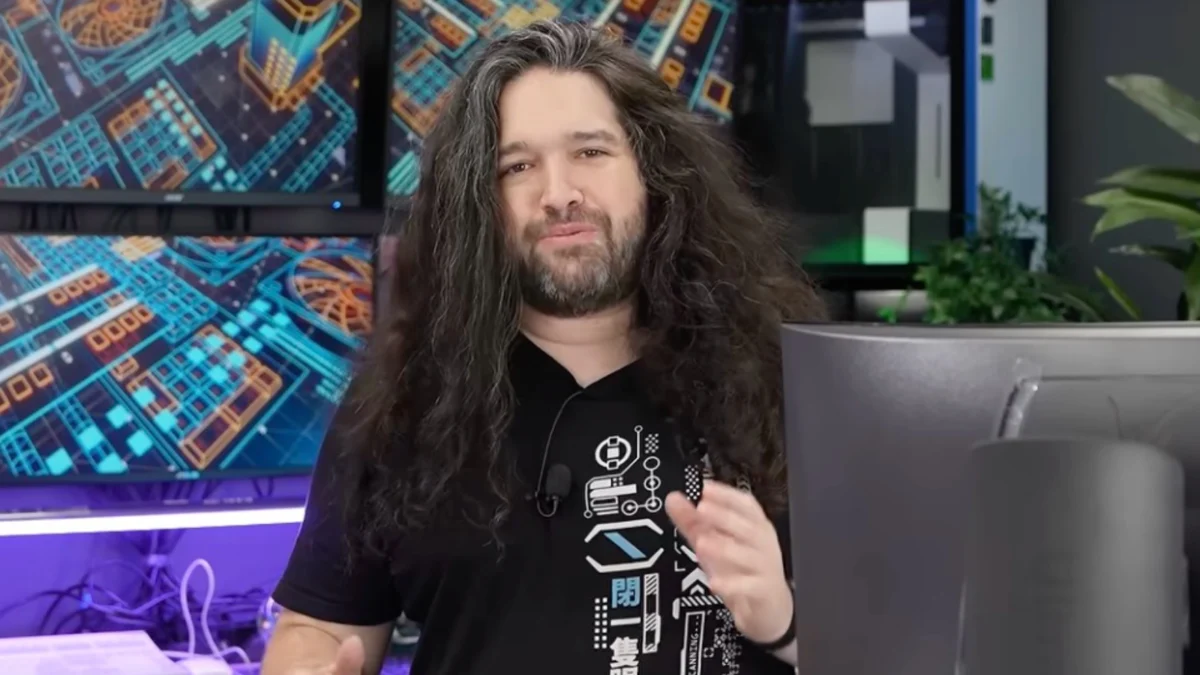
Microsoft Corporation has officially confirmed that LG Electronics has agreed to cease the distribution of third-party antivirus advertisements through its monitor utility software after a wave of consumer complaints and a high-profile investigation by independent hardware analysts. The controversy centered on the LG Monitor App Installer, a utility that many users discovered was being automatically delivered to their Windows systems via Windows Update without their explicit request or prior notification. Once resident on the system, the application began serving persistent pop-up advertisements for McAfee antivirus software, leading to widespread criticism regarding the "bloatware" nature of modern hardware drivers and the perceived overreach of hardware manufacturers within the Windows ecosystem.
The issue reached a boiling point following a detailed investigative report by the technology-focused YouTube channel Gamers Nexus, which documented the behavior across multiple test benches and consumer environments. The investigation revealed that simply connecting a compatible LG monitor—specifically models within the popular UltraGear gaming lineup—triggered a background installation process that bypassed traditional user consent prompts for software installation. This sparked a debate concerning the sanctity of the Windows desktop and the responsibilities of both Microsoft and its hardware partners in maintaining a clean, advertisement-free user experience.
The Mechanics of Automatic Installation via Hardware Support Apps
The technical vehicle for this controversial installation is Microsoft’s Hardware Support App (HSA) framework. Designed to streamline the user experience, the HSA framework allows Windows to automatically download and install companion applications for specific hardware components discovered via the Plug and Play (PnP) system. When a user connects a device, such as a high-end gaming monitor, Windows Update identifies the hardware ID and retrieves the corresponding driver. Under the HSA model, if a manufacturer has registered a companion app in the Microsoft Store, Windows can automatically trigger the installation of that app to ensure the user has access to full hardware functionality, such as OnScreen Control or color calibration tools.
While the framework was intended to eliminate the need for users to manually hunt for drivers on manufacturer websites, it has inadvertently created a loophole for the delivery of promotional content. In the case of LG, the "LG Monitor App Installer" was delivered as a legitimate support utility. However, users reported that the software’s primary function appeared to be the solicitation of McAfee antivirus trials. This marks a significant departure from the intended use of HSAs, which are supposed to provide utility and control for the specific hardware being utilized.
Gamers Nexus Investigation and Findings
The investigation led by Steve Burke of Gamers Nexus provided the empirical data necessary to bring the issue to Microsoft’s attention. The outlet reproduced the installation behavior on several clean installations of Windows 11. According to their findings, the LG Monitor App Installer would appear in the system tray shortly after a monitor was connected. Upon the next system reboot, and frequently thereafter, a large pop-up window would appear on the desktop, encouraging the user to "Protect your PC with McAfee."
Beyond the antivirus promotions, the Gamers Nexus team observed that the installer served as a gateway for other LG-branded software, including LG Switch, LG Calibration Studio, and LG Dual Controller. While these tools offer legitimate utility for some users, the lack of an "opt-in" mechanism at the point of installation was the primary point of contention. The investigation noted that the advertisements were not one-time notifications but recurring elements of the user interface, which many categorized as "adware" or "nagware."
Microsoft’s Response and Executive Intervention
The public pressure generated by the hardware community prompted a direct response from Microsoft’s leadership. Pavan Davuluri, Microsoft’s Executive Vice President of Windows and Devices, addressed the situation via social media, acknowledging the friction caused by the LG software. Davuluri stated that Microsoft had initiated high-level discussions with LG to rectify the situation and restore the integrity of the user experience.
"We’ve connected with the team at LG and as an immediate next step, they have agreed to disable the McAfee pop-up from their app," Davuluri wrote. He emphasized that Microsoft’s goal is to ensure a "better experience for our mutual customers" and committed to continued improvements in how the Windows ecosystem handles hardware-related software. This intervention is seen by industry analysts as a rare but necessary move by Microsoft to police its hardware partners, who often rely on software bundling as a secondary revenue stream.
For its part, LG issued a statement clarifying that the installer does not "force-install" the antivirus software itself. The company maintained that the pop-ups were promotional in nature and that the actual installation of McAfee required a user to click through and agree to the terms of service. However, LG acknowledged the negative feedback regarding the intrusiveness of the prompts and agreed to remove the specific McAfee advertisements from the installer’s rotation.
Historical Context: The Persistent Battle Against Bloatware
The incident with LG and Microsoft is the latest chapter in a decades-long struggle against "bloatware"—unwanted software pre-installed on new computers or bundled with drivers. Historically, PC manufacturers (OEMs) have accepted payments from software companies like McAfee, Norton, or various cloud storage providers to include trial versions of their products on new machines. These subsidies allow OEMs to lower the retail price of hardware, but they often come at the cost of system performance and user satisfaction.
In 2015, the industry faced a similar crisis with the Lenovo "Superfish" scandal, where a third-party advertising software pre-installed on laptops was found to compromise web security by injecting ads into encrypted traffic. While the LG situation is less severe from a security standpoint, it touches on the same underlying issue: the monetization of the user’s desktop environment by hardware vendors.
Microsoft has made several attempts to curb these practices over the years. The introduction of "Signature Edition" PCs and the move toward the Microsoft Store were both intended to provide a cleaner Windows experience. However, as the LG case demonstrates, the complexity of modern driver delivery systems provides new avenues for manufacturers to reintroduce promotional content.
Technical and Ethical Implications for the Windows Ecosystem
The controversy raises significant questions about the ethics of "stealth" software delivery. When a user buys a monitor, the expectation is that the hardware will function with the operating system without requiring the user to navigate a gauntlet of third-party software pitches. The use of Windows Update—a tool primarily associated with critical security and stability patches—to deliver advertisements is particularly galling to many enthusiasts and professional users.
From a technical perspective, the incident highlights a potential vulnerability in the trust model of Windows Update. If users begin to view Windows Update as a source of advertisements rather than a source of essential system maintenance, they may be more inclined to disable or delay updates, which has dire consequences for cybersecurity. Cybersecurity experts argue that the "sanctity of the update stream" must be preserved at all costs to ensure that users remain protected from legitimate threats.
Furthermore, the impact on system resources cannot be ignored. Each "companion app" and "installer utility" that runs in the background consumes CPU cycles and memory. For gamers and creative professionals who invest in high-end monitors like the LG UltraGear series, these background processes can interfere with system latency and overall performance, ironically degrading the very experience the hardware was designed to provide.
Chronology of the LG/McAfee Ad Controversy
To understand the speed at which this issue evolved, a timeline of events is essential:
- Early July 2024: Users on platforms like Reddit and the Microsoft Support forums began reporting the unexpected appearance of an LG-branded installer and McAfee pop-ups on systems that had previously been "clean."
- July 15-20, 2024: Gamers Nexus began a formal investigation after receiving numerous tips. They successfully reproduced the behavior and identified the Hardware Support App framework as the delivery mechanism.
- July 21, 2024: Gamers Nexus published their findings, sparking a massive backlash on social media and technology news outlets. The report specifically called out the "automatic" nature of the installation.
- July 22, 2024: Pavan Davuluri of Microsoft publicly responded to the reports, confirming that Microsoft was in contact with LG.
- July 23, 2024: LG officially agreed to disable the McAfee advertisements within the app installer.
- Late July 2024: Microsoft began reviewing HSA policies to prevent similar occurrences with other hardware partners.
Analysis of Future Policy Shifts
The resolution of this specific incident is unlikely to be the end of the conversation. Industry observers expect Microsoft to tighten the requirements for the Hardware Support App framework. Possible changes could include stricter "Utility Only" clauses for apps delivered via Windows Update, prohibiting any third-party software promotions or revenue-sharing links within those specific packages.
There is also a broader discussion regarding "Software as a Service" (SaaS) and the evolving nature of Windows. As Microsoft itself integrates more promotional content into the Start Menu and Lock Screen, it finds itself in a precarious position when trying to tell partners like LG that they cannot do the same. This "glass house" scenario complicates the enforcement of clean desktop standards.
However, the swift action taken in this case suggests that Microsoft is aware of the sensitivity of the Windows Update channel. By forcing LG to retreat, Microsoft has sent a signal to other OEMs that using system-level update tools for aggressive monetization will not be tolerated, at least when it generates significant public friction.
Final Thoughts for Consumers
For users currently affected by the LG Monitor App Installer, the removal of the McAfee pop-ups will likely occur via a software update to the installer itself. Users who wish to maintain a completely clean system are advised to check their "Apps & Features" settings and uninstall any "LG Monitor App Installer" or "OnScreen Control" software if they do not require the specific features they provide.
The incident serves as a reminder to the hardware industry that the modern consumer is increasingly weary of intrusive advertising. In an era where privacy and system performance are paramount, the "bundling" strategies of the past are facing unprecedented scrutiny. The success of the Gamers Nexus investigation and the subsequent intervention by Microsoft demonstrate the power of community-driven accountability in the technology sector. As hardware becomes more software-dependent, the boundary between a "driver" and "adware" must be clearly defined and strictly enforced to maintain consumer trust.



 Yuyun Lusiyani
 Joko Widodo
 Eva Lovia
 admin
admin
 Lina Irawan