
 Lina Irawan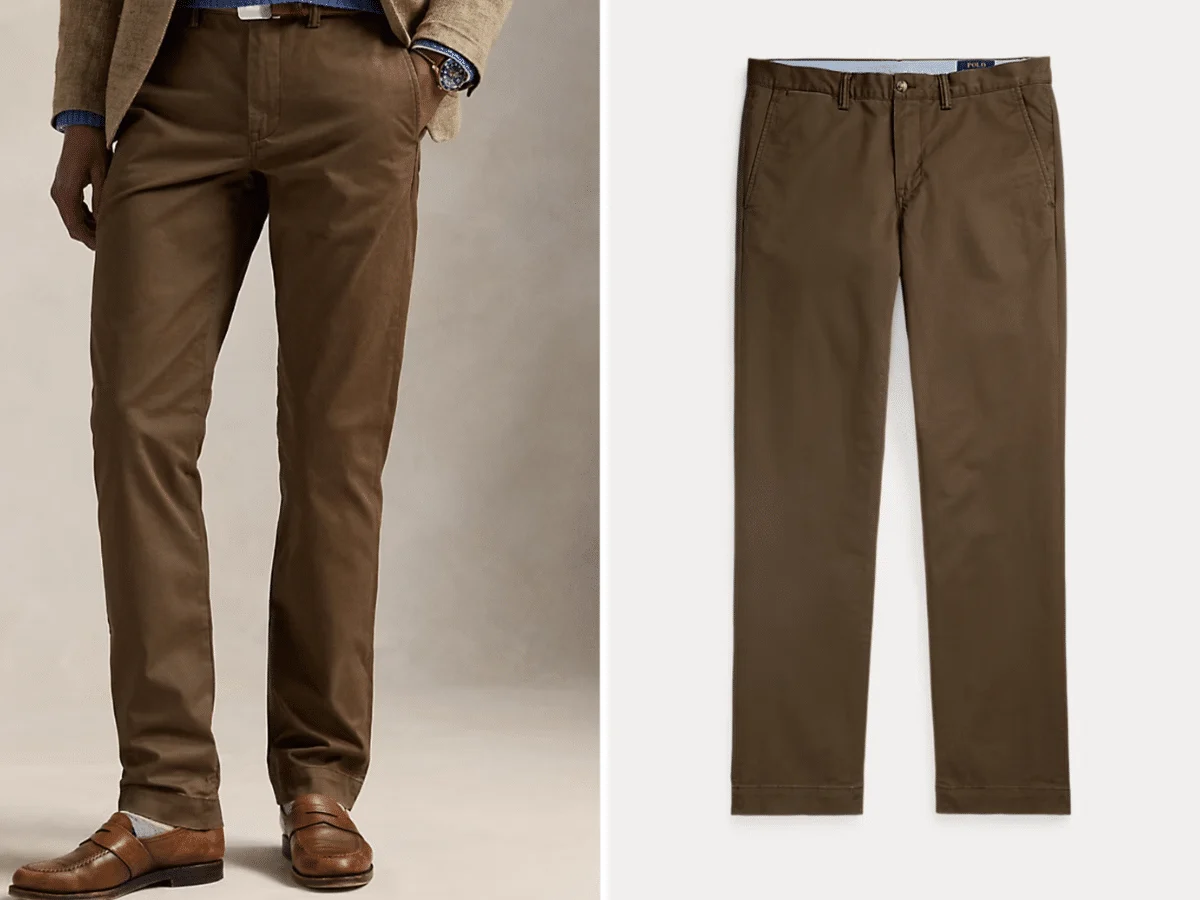
The modern menswear landscape is defined by a pursuit of versatility, where the boundaries between professional attire and casual comfort have become increasingly porous. Within this shifting paradigm, the chino occupies a unique and indispensable position. Positioned strategically between the rugged informality of denim and the rigid structure of tailored trousers, chinos have emerged as the primary solution for the contemporary male wardrobe. As corporate dress codes continue to relax and the "work-from-anywhere" culture persists, the demand for high-quality, adaptable legwear has reached a historic peak. This report examines the current market leaders in the chino category, the historical context of the garment, and the technical considerations that define a superior pair of trousers.
The Historical Trajectory: From Military Utility to Ivy League Essential
The chino’s journey to the forefront of fashion began in the mid-19th century, rooted in military necessity rather than aesthetic preference. In 1848, Sir Harry Lumsden, an officer in the British Indian Army, sought to replace traditional white uniforms with something more practical for the dusty environment of the Punjab region. By dyeing the fabric with a combination of river mud and plant extracts, he created "khaki"—a Persian word for "dust."
The term "chino" itself emerged during the Spanish-American War in 1898. American soldiers stationed in the Philippines wore trousers made from durable cotton twill sourced from China. The Spanish word for "Chinese" was applied to the pants, and the name endured. Following World War II, returning veterans brought these functional garments into civilian life, particularly to university campuses. The Ivy League aesthetic of the 1950s and 60s cemented the chino as a symbol of "preppy" sophistication, a status it maintained until the late 20th century when it became the uniform of the "Business Casual" movement.

Today, the chino has been liberated from its reputation as a mundane corporate staple. Designers are now experimenting with varied silhouettes—from extreme wide-leg cuts to traditional tapers—and utilizing advanced textile technology to enhance comfort and durability.
Market Analysis and Consumer Trends
According to recent apparel industry data, the global men’s trousers market is projected to see continued growth as consumers move away from formal suits toward "separates." Market research indicates that modern consumers prioritize three key factors: fabric performance (stretch and breathability), ethical sourcing, and silhouette versatility.
The shift toward "Workleisure"—a hybrid of workwear and leisurewear—has significantly impacted production. Major retailers have reported a 25% increase in the sales of non-denim casual trousers over the last three years. This trend is driven by a younger demographic that values garments capable of transitioning from a professional environment to a social setting without a change of clothes.
Leading Selections for the Modern Wardrobe
The current market offers a diverse range of options catering to different body types, budgets, and style preferences. Below are the top-rated chinos currently available, categorized by their specific strengths.
1. Best Overall: Ralph Lauren Stretch Straight Fit Washed Chino
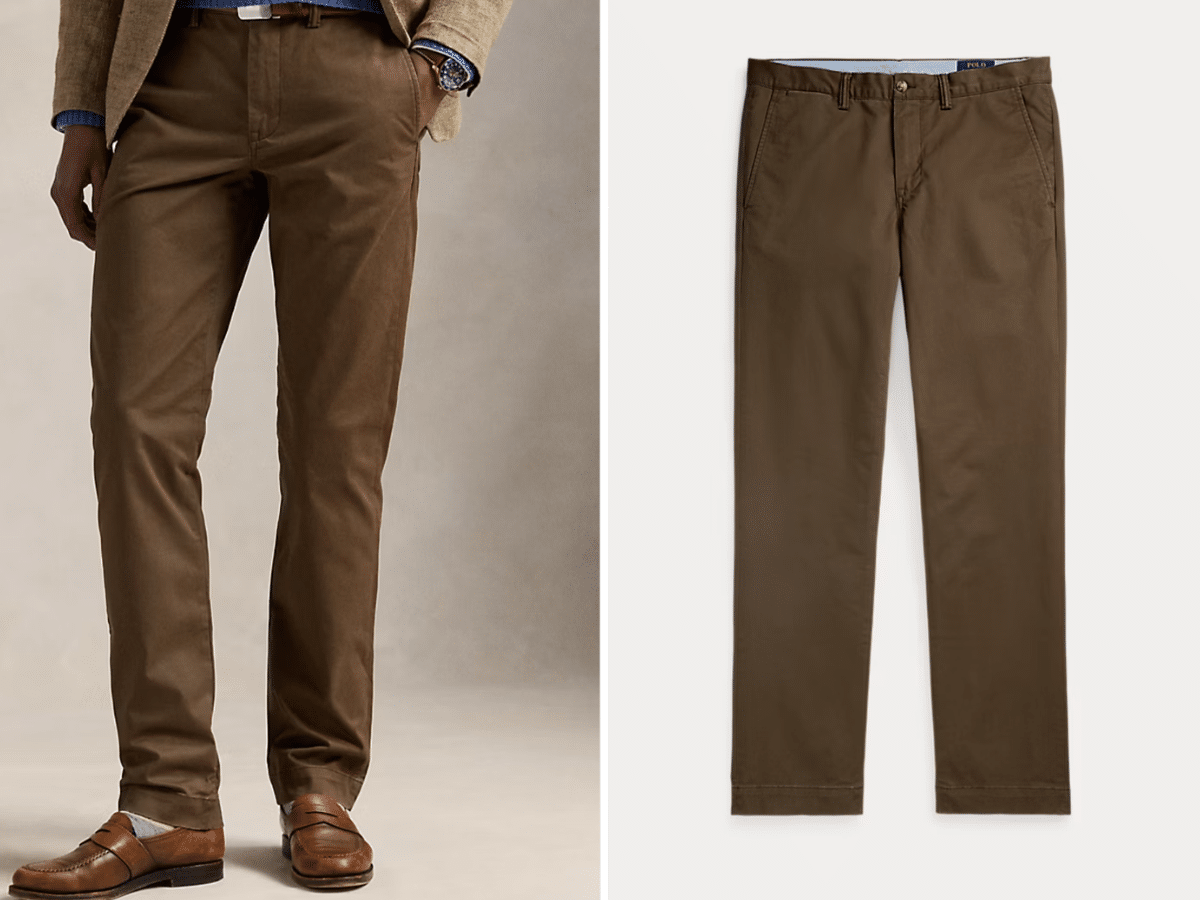
Ralph Lauren remains the standard-bearer for the "New England" aesthetic, and their Stretch Straight Fit Washed Chino exemplifies the brand’s mastery of the category. These trousers undergo a specific washing process to achieve a "timeworn" feel, bypassing the uncomfortable break-in period associated with heavy twill. The inclusion of a small percentage of elastane provides mobility without compromising the classic straight-leg silhouette. Industry analysts often cite Ralph Lauren’s consistency in sizing and fabric weight as the primary reasons for its enduring market dominance.
2. Best Value: Uniqlo Slim Fit Chino Pants
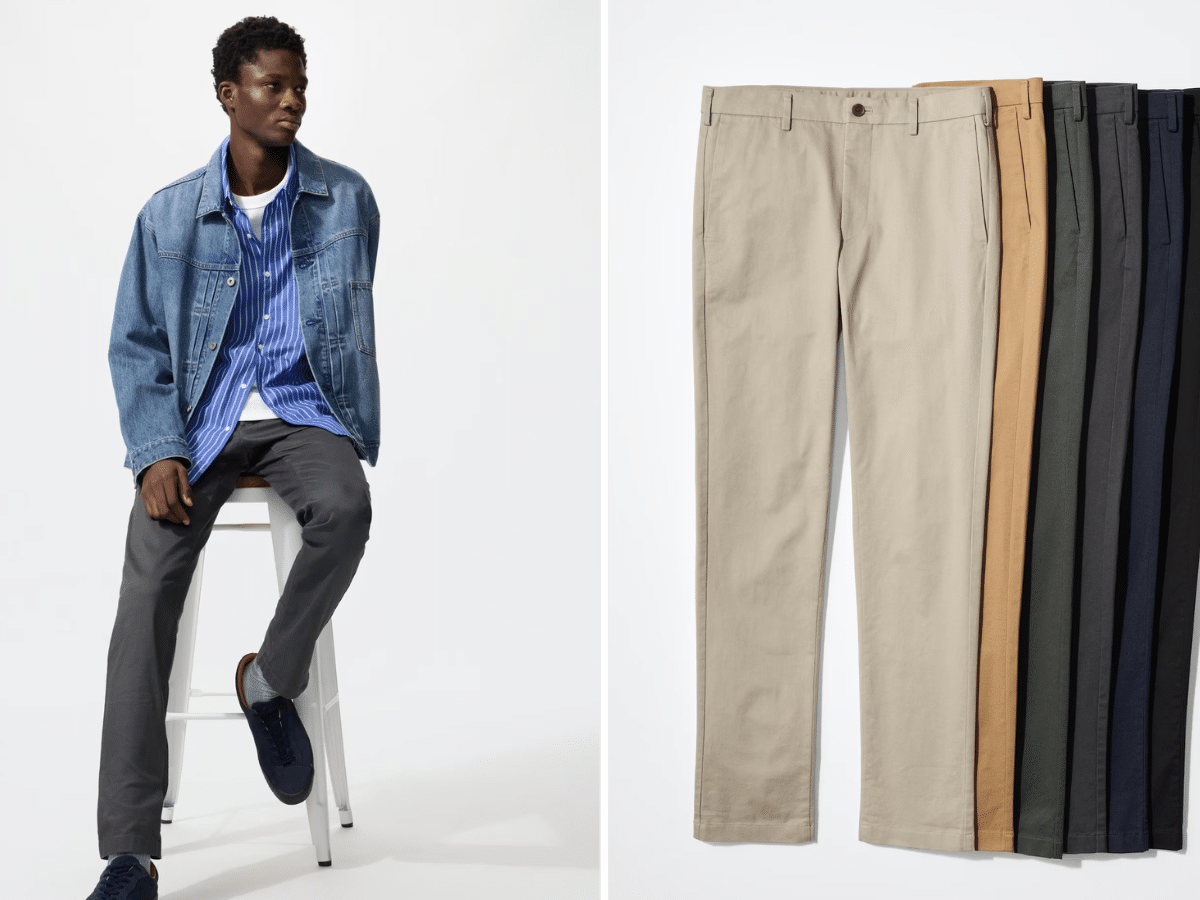
Uniqlo has disrupted the mid-market segment by offering high-specification garments at a price point below $60 AUD. Their Slim Fit Chino is constructed from a dense, high-thread-count cotton twill. The technical achievement here lies in the 3% elastane blend, which allows the garment to retain its shape after multiple washes—a common failure point for budget-tier trousers. Uniqlo’s global supply chain efficiency allows them to offer these in a vast array of colors, making them the preferred choice for consumers building a foundational wardrobe.
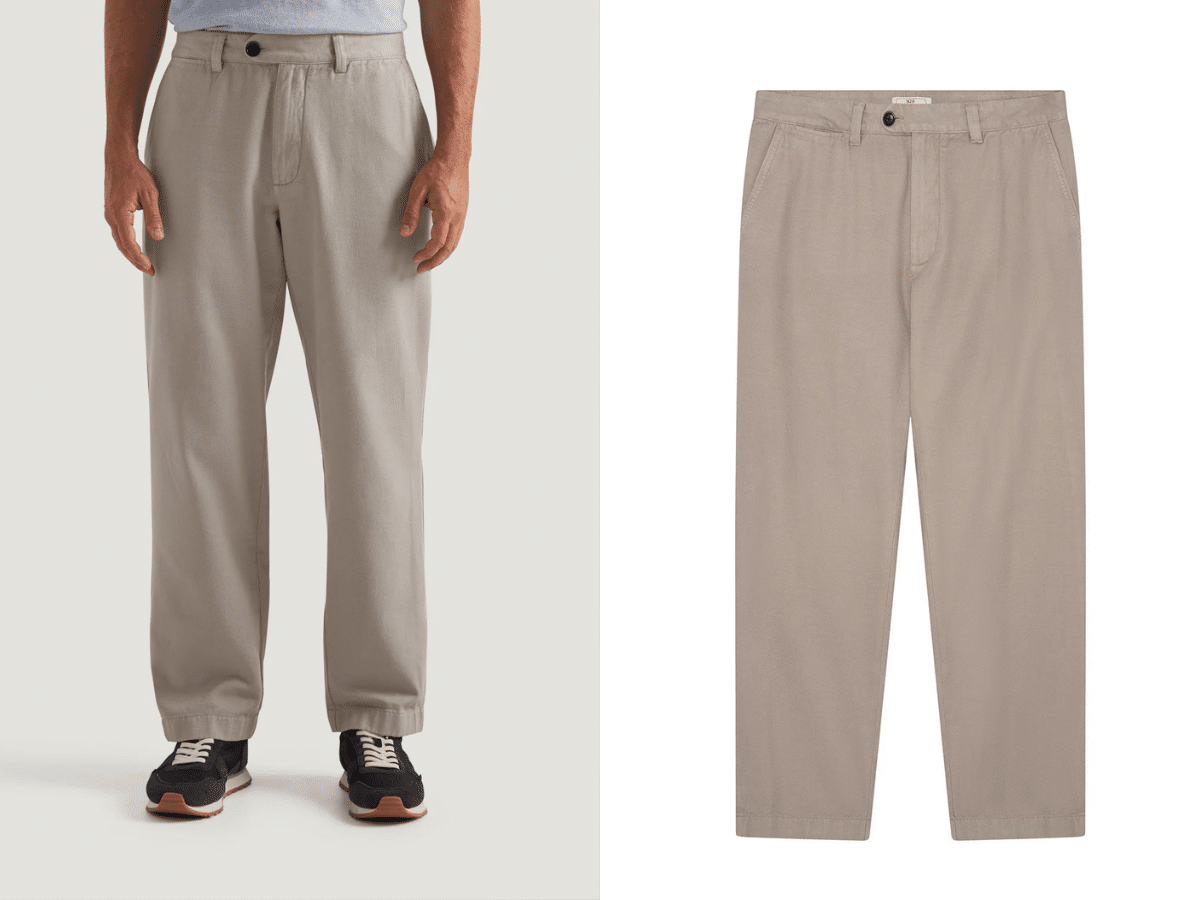
3. Best Wide-Leg: M.J. Bale Rawlands Wide Leg Chino
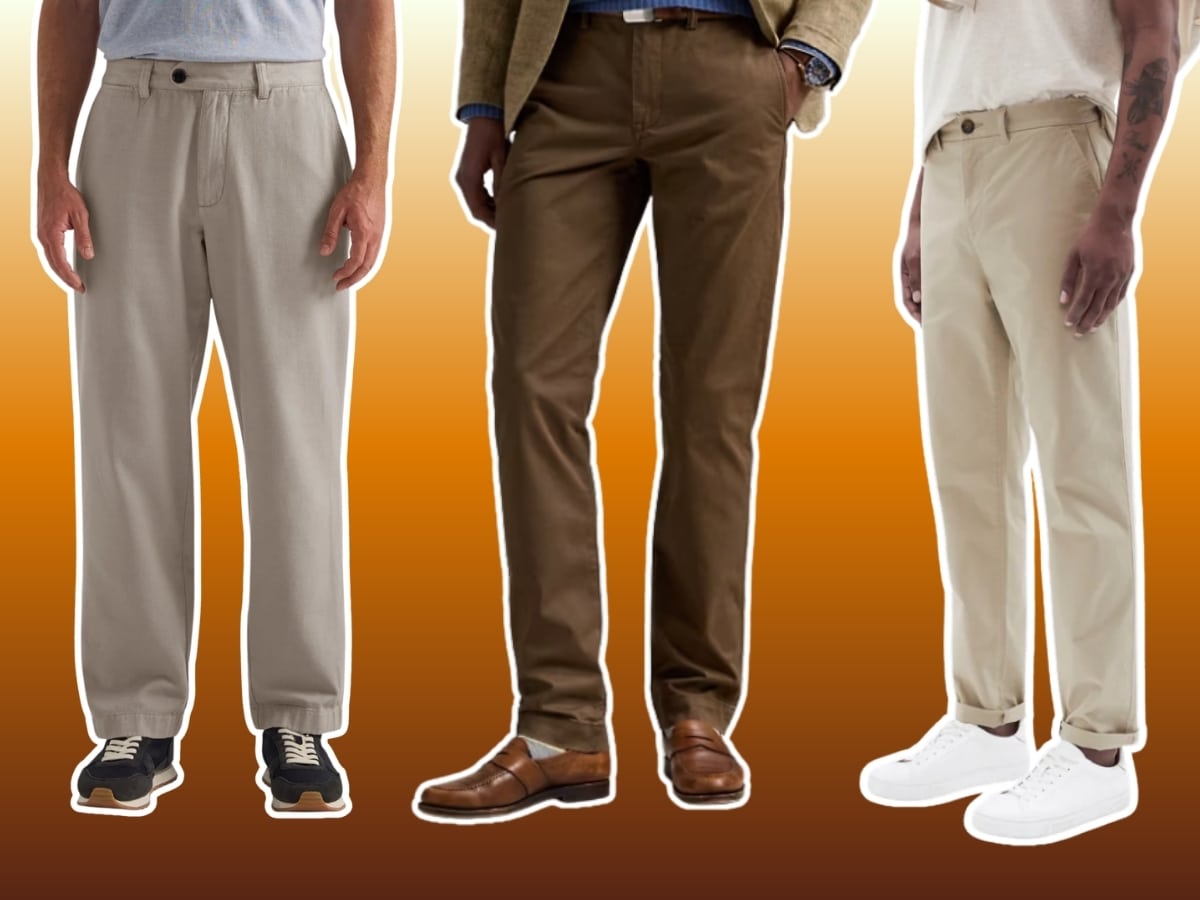
As the fashion cycle moves away from the "skinny" silhouettes of the 2010s, M.J. Bale has embraced the return of volume. The Rawlands Wide Leg Chino features a heavier cotton weight and a flat front, reminiscent of mid-century military uniforms. This silhouette provides better airflow and a more dramatic drape, appealing to the fashion-forward consumer who seeks a departure from standard slim-fit offerings.
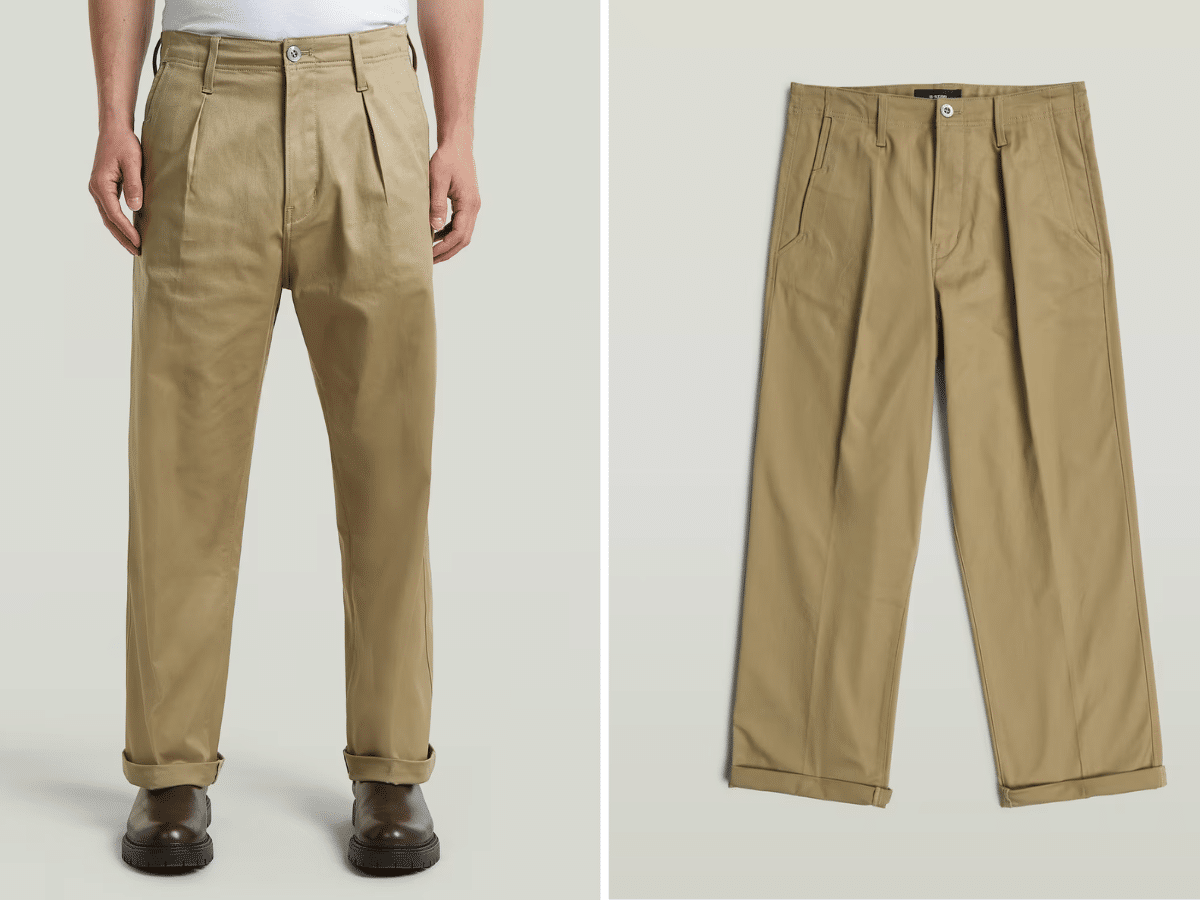
4. Best Pleated: G-Star RAW Pleated Chino Relaxed
Pleated trousers have undergone a significant resurgence. G-Star RAW’s implementation of double pleats adds visual interest and functional room in the hip and thigh area. While pleats were once considered "dated," their return signals a broader industry move toward more traditional, tailored elements in casual clothing.
5. Best Premium Upgrade: Jac + Jack Henri Cotton Chino
For consumers focused on textile provenance, the Jac + Jack Henri Chino utilizes premium Japanese cotton. Japanese mills are internationally recognized for their superior weaving techniques and dye consistency. The Henri Chino offers a "natural drape," a term used by tailors to describe how fabric follows the body’s lines without clinging. This makes it an ideal candidate for pairing with unstructured blazers in semi-formal settings.
6. Best Tapered Fit: Levi’s XX Chino Standard Taper
Levi Strauss & Co., though primarily known for denim, has successfully translated its "lived-in" philosophy to the XX Chino line. The Standard Taper is designed for individuals with more muscular builds who require room in the seat and thigh but prefer a narrow leg opening. This "V-shape" cut reduces the need for aftermarket tailoring, a significant value proposition for the average consumer.
Technical Analysis: Fabric Composition and Construction
The quality of a chino is fundamentally determined by its weave and material. Most high-quality chinos utilize a "left-hand" or "right-hand" twill weave, characterized by diagonal ribbing.
- 100% Cotton Twill: The traditional choice. It is highly breathable and develops a unique patina over time. However, it is prone to wrinkling and lacks the flexibility required for active commutes.
- Cotton-Elastane Blends: Usually featuring 2% to 5% polyurethane (elastane/spandex). This is the industry standard for "performance" chinos. It offers "four-way stretch" and superior wrinkle recovery.
- Japanese Twill: Known for being woven on vintage shuttle looms, resulting in a tighter, more durable fabric with a distinct texture.
- Organic and Recycled Cotton: Increasingly prevalent as brands face pressure to meet ESG (Environmental, Social, and Governance) targets. Organic cotton uses significantly less water and avoids synthetic pesticides.
Styling Paradigms and Social Implications
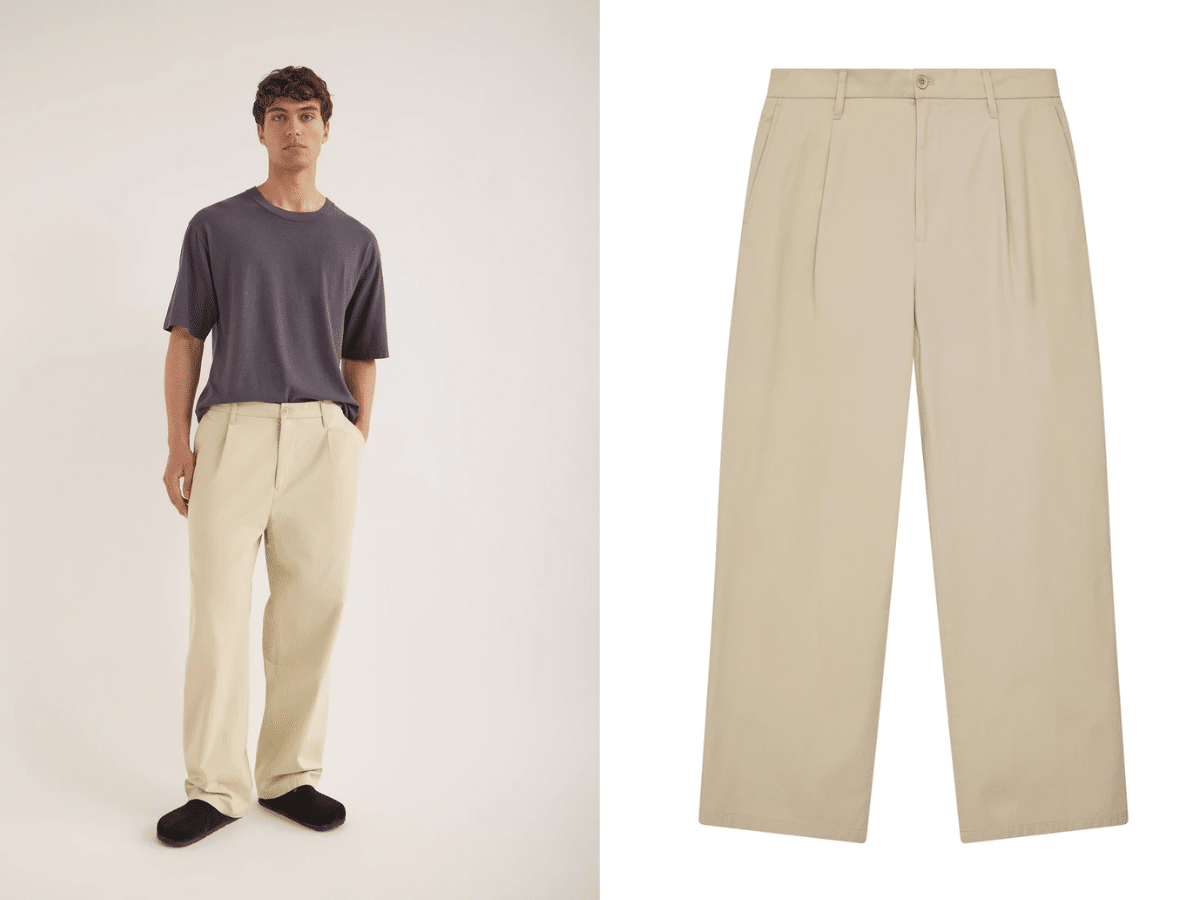
The versatility of the chino has led to a standardization of "Smart Casual" dress codes across the globe. Professional stylists suggest that the choice of footwear dictates the chino’s formality. Pairing a slim-fit chino with leather loafers or Chelsea boots elevates the garment for evening wear or corporate meetings. Conversely, pairing a relaxed or wide-leg chino with high-top sneakers or "chunky" leather boots aligns with contemporary streetwear trends.
The decline of the traditional suit has economic implications for the textile industry. As demand for worsted wool declines, the demand for high-grade cotton and performance blends increases. This shift has forced traditional tailoring houses to pivot, with many now offering "luxury chinos" to retain their client base.
Broader Impact: The Future of Menswear
The continued evolution of the chino suggests that the future of menswear lies in "modular" dressing. Consumers are increasingly seeking a "capsule wardrobe"—a small collection of high-quality, interchangeable pieces. The chino serves as the anchor of this philosophy.
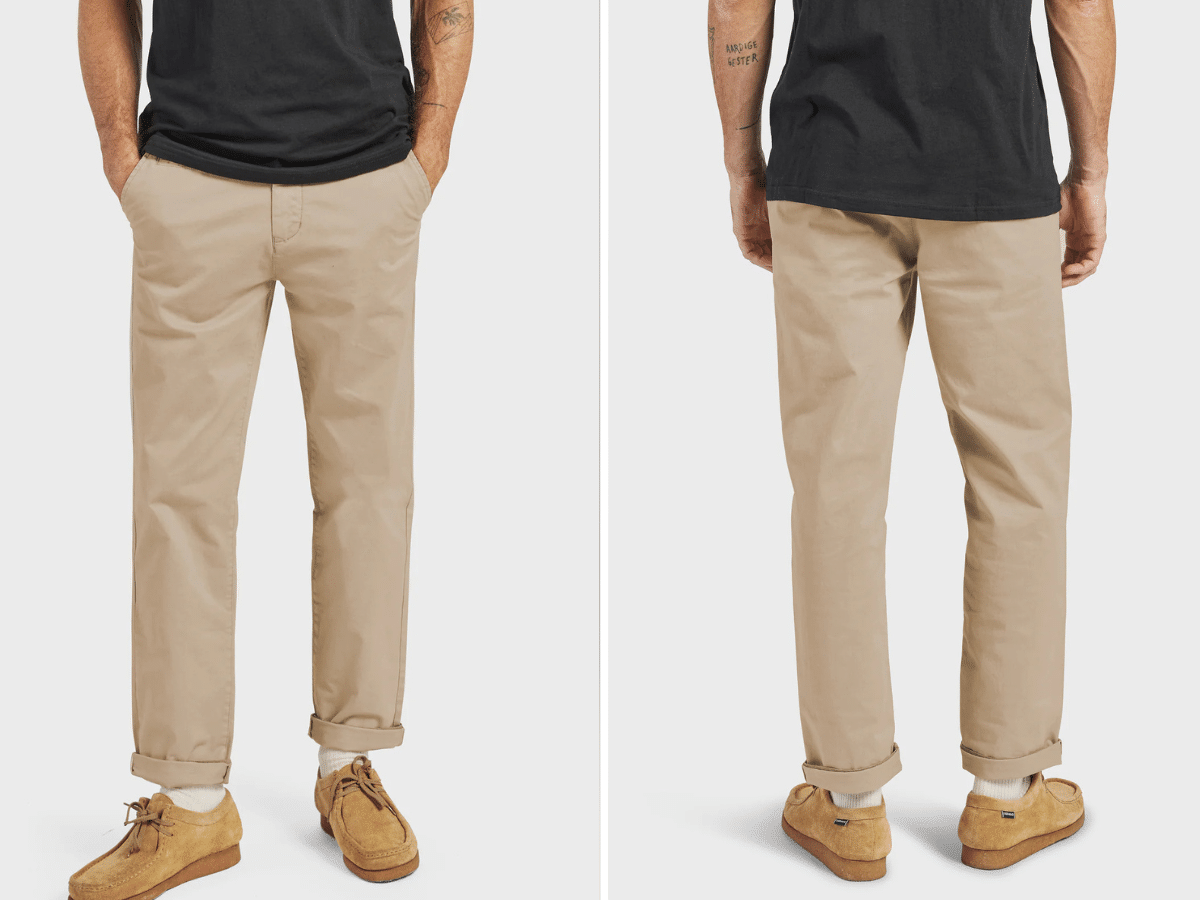
Future developments in the category are expected to focus on "smart fabrics," including antimicrobial coatings to reduce the need for washing and moisture-wicking properties adapted from athletic wear. As sustainability becomes a non-negotiable factor for the modern shopper, we will likely see a rise in "circular" chino production, where garments are designed to be fully recycled at the end of their lifespan.
In conclusion, the chino is no longer a mere alternative to jeans or dress pants; it is a sophisticated garment that reflects the history of military utility, the prestige of academic tradition, and the technical innovation of the modern textile industry. Whether at a budget or premium price point, the chino remains the most hardworking element of the 21st-century male wardrobe.


 Yuyun Lusiyani
 Joko Widodo
 Eva Lovia
 Pevita Pearce
 admin
admin