
 Eva Lovia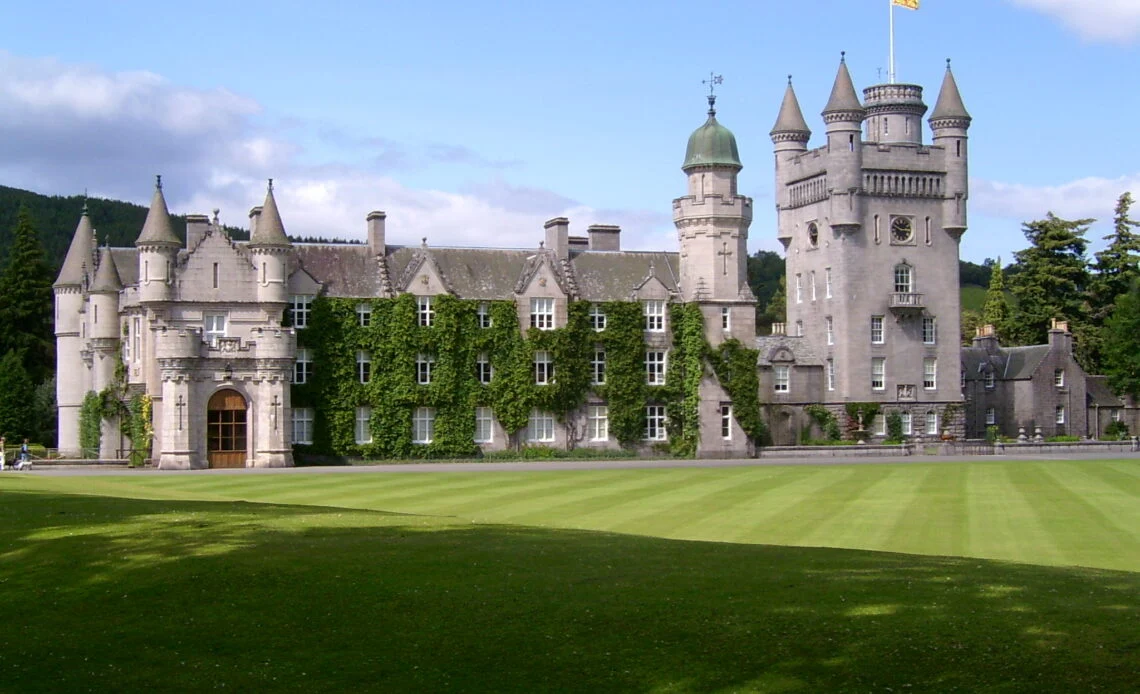
As the British summer unfolds, the nation’s attention, particularly among royal enthusiasts, invariably turns towards the enduring tradition of King Charles III’s annual sojourn at Balmoral Castle in Aberdeenshire, Scotland. While the exact date of the monarch’s arrival remains a closely guarded detail, it is widely anticipated that His Majesty will commence his customary summer residency in mid to late August. This period typically follows the winding down of his official engagements, marking a significant shift in the Royal Family’s annual calendar.
Last year, King Charles officially inaugurated his summer retreat at Balmoral on August 18th. The commencement of his stay was marked by a traditional military ceremony at the castle gates, a poignant display of royal custom and military precision. His Majesty, in his capacity as Colonel-in-Chief of The Royal Regiment of Scotland, inspected a Guard of Honour presented by Balaklava Company, 5th Battalion. The ceremony was further enlivened by the presence of Corporal Cruachan IV, the regiment’s distinguished Shetland pony mascot, a cherished figure in military parades. The stirring sounds of pipes and drums from across the regiment filled the air, underscoring the solemnity and tradition of the occasion as the monarch formally began his annual period of residence.
During the ceremony, King Charles proudly wore his Coronation tartan, a specially commissioned fabric designed to commemorate his accession to the throne in 2023. This sartorial choice not only signified his royal status but also highlighted a significant moment in his reign. Following the formal inspection and presentation, the King graciously greeted the well-wishers and tourists who had gathered outside the estate to catch a glimpse of the royal proceedings and offer their greetings. This interaction underscored the personal connection the monarch shares with the public, even during his private retreat.
The day prior to the formal welcome, both King Charles and Queen Camilla attended a Sunday service at the nearby Crathie Kirk. This historic parish church has long been a spiritual anchor for the Royal Family during their stays at Balmoral, reflecting a deep-seated connection to the local community and its traditions. The attendance at Crathie Kirk serves as a reminder of the enduring faith and personal routines that accompany the royals, even amidst their more public duties.
The Historical Significance of Balmoral Castle
Balmoral Castle has held a special place in the hearts of the Royal Family for generations, serving as their cherished Scottish home since its acquisition by Queen Victoria and Prince Albert in 1852. The estate, nestled within the breathtaking Scottish Highlands, was purchased by Prince Albert on behalf of Queen Victoria, who had taken a great liking to the area during her visits. The original castle was deemed too small for the growing royal family and their extensive retinue, prompting the construction of the current Balmoral Castle, which was completed in 1855. This grand estate has since become synonymous with royal holidays and a place of respite from the rigours of public life.
Today, Balmoral remains one of King Charles III’s most beloved residences, offering him a sanctuary in the majestic Highlands. It provides a crucial opportunity to escape the relentless pressures of official duties and reconnect with nature and family in a more informal setting. The rugged beauty of the surrounding landscape, with its rolling hills, ancient forests, and pristine rivers, has undoubtedly contributed to its enduring appeal for the Royal Family, offering both peace and inspiration.
Beyond Relaxation: The Working Royal at Balmoral
While often colloquially referred to as the Royal Family’s "summer holiday," the King’s time at Balmoral is far from an extended period of complete leisure. The monarch continues to engage with the responsibilities of his office, albeit in a modified capacity. Throughout his stay, he diligently receives and reviews government papers, ensuring he remains abreast of national affairs. Furthermore, he holds audiences with the Prime Minister, as and when required, maintaining the vital constitutional link between the Sovereign and his government. A limited number of official engagements may also be undertaken, demonstrating his ongoing commitment to his role. This blend of private retreat and continued official duty highlights the unique nature of royal life, where the personal and public spheres often overlap.
Family Gatherings and the Continuation of Tradition
Balmoral Castle is not solely a retreat for the King and Queen; it serves as a focal point for extended family gatherings during the late summer and early autumn months. It is a cherished tradition for the King’s children and grandchildren to join him and Queen Camilla at the estate. These visits often coincide with the school holidays, providing invaluable opportunities for younger members of the Royal Family to spend quality time with their grandparents in a relaxed and informal environment. These family reunions are crucial for fostering familial bonds and passing down the traditions associated with Balmoral and the Royal Family itself. The image of the extended royal family enjoying the Scottish landscape is a recurring and beloved element of their public narrative.
Anticipation for 2026 and the Royal Calendar
Looking ahead, a similar timetable is anticipated for King Charles’s residence at Balmoral in 2026. It is highly probable that His Majesty will arrive at the Aberdeenshire estate around the middle or latter part of August. However, the precise date of his arrival will only be officially confirmed once Buckingham Palace announces his official engagements or when the traditional arrival ceremony takes place. This gradual revelation of the royal schedule is a customary practice, allowing for flexibility and ensuring that official duties are managed seamlessly alongside personal and family time. The consistent adherence to this late-summer tradition underscores its deep importance within the fabric of the British monarchy and its enduring appeal to the public.
Supporting Data and Context
The Balmoral estate encompasses approximately 50,000 acres of stunning Scottish countryside. Its acquisition by Prince Albert marked a significant expansion of royal landholdings and solidified Scotland’s place as a key location for the monarchy. The castle itself, while a private residence, is a significant architectural landmark and a testament to Victorian design and engineering. Its historical significance is further amplified by the fact that it has been the private home of the monarch for over 170 years, witnessing numerous historical events and private family moments.
The tradition of the monarch spending time in Scotland dates back much further than Queen Victoria’s purchase of Balmoral. Scottish monarchs have long had royal residences in the country, and the union of the Scottish and English crowns in 1603, followed by the Act of Union in 1707, solidified the monarch’s connection to both nations. Balmoral, however, represents a more personal and intimate royal presence in Scotland, a stark contrast to the more formal and public nature of Buckingham Palace.
The military ceremony marking the King’s arrival is a carefully choreographed event that reflects the strong ties between the monarchy and the armed forces. The Royal Regiment of Scotland, as a proud constituent of the British Army, plays a vital role in these ceremonial duties. The presence of Corporal Cruachan IV, the regiment’s mascot, adds a unique and charming element, humanizing the military display and showcasing a cherished tradition within the armed forces. The Coronation tartan, a symbol of the King’s recent accession, further imbues the occasion with historical and personal significance.
Analysis of Implications
The King’s annual stay at Balmoral serves multiple purposes, both symbolically and practically. Symbolically, it reinforces the United Kingdom’s identity as a union of nations, with the monarch demonstrating his connection to Scotland. It allows the Royal Family to engage with the Scottish landscape and culture in a way that is distinct from their engagements in England. Practically, it provides a much-needed period of respite for the King and Queen, allowing them to recharge and attend to personal matters away from the constant glare of public scrutiny.
The continuation of this tradition also speaks to the enduring appeal of the monarchy. In an era of rapid societal change, these long-standing customs provide a sense of continuity and stability. The public’s interest in the Royal Family’s activities at Balmoral highlights their fascination with the private lives of public figures and their appreciation for royal heritage. The fact that the King continues to engage with governmental duties even during his private retreat underscores the unwavering commitment of the monarch to his responsibilities, regardless of his location.
Furthermore, the Royal Family’s presence in Aberdeenshire has a positive economic impact on the local area, particularly through tourism and the employment of estate staff. The estate itself is a significant employer and contributes to the local economy through various operations. The annual arrival of the Royal Family brings a surge of interest and visitors, benefiting local businesses and showcasing the region’s natural beauty and hospitality.
The presence of younger generations of the Royal Family at Balmoral also serves as an important element in their upbringing and education. It provides them with a grounding in the traditions and history of their family and country, fostering a sense of duty and responsibility from an early age. These formative experiences at Balmoral undoubtedly shape their understanding of their roles and their connection to the British people. The continuity of these family traditions, passed down through generations, is a hallmark of the British monarchy and contributes to its enduring legacy. The image of the Royal Family at Balmoral, engaged in both private leisure and ongoing duty, remains a powerful and enduring symbol of the institution.



 Jia Lissa
 Yuyun Lusiyani
 Joko Widodo

 Pevita Pearce