
 Lina Irawan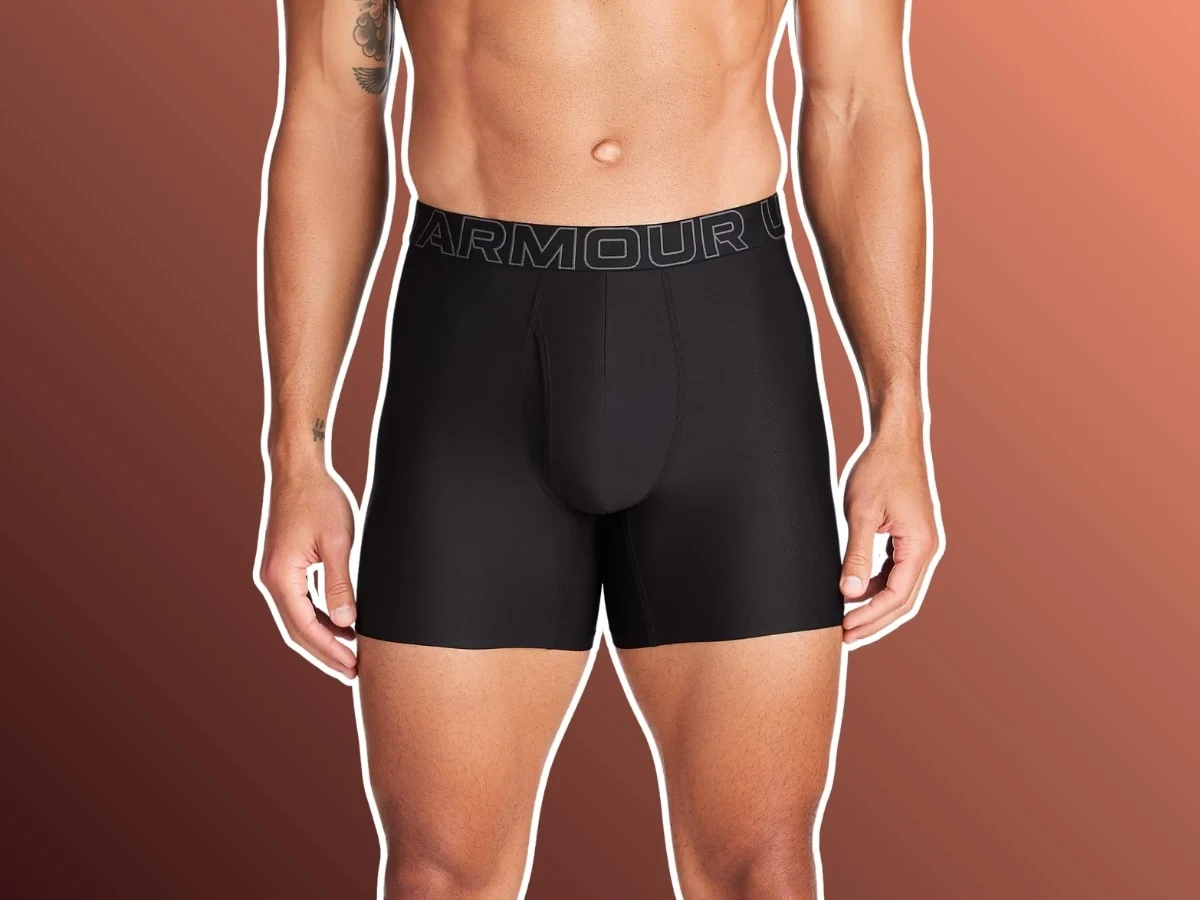
The global men’s underwear market has undergone a radical transformation over the last decade, shifting from a commodity-driven sector dominated by supermarket multi-packs to a sophisticated landscape of technical performance and luxury textiles. Once an afterthought in the male wardrobe, undergarments are now viewed as a critical foundation for daily comfort, athletic performance, and long-term skin health. As consumer awareness regarding fabric science and ergonomic design grows, the industry is seeing a surge in specialized brands that prioritize moisture-wicking properties, anti-chafing technology, and sustainable manufacturing. This evolution reflects a broader trend in men’s fashion: the "premiumization" of basics, where durability and specialized utility justify a higher price point.
The Shift Toward Technical Excellence and Ergonomic Design
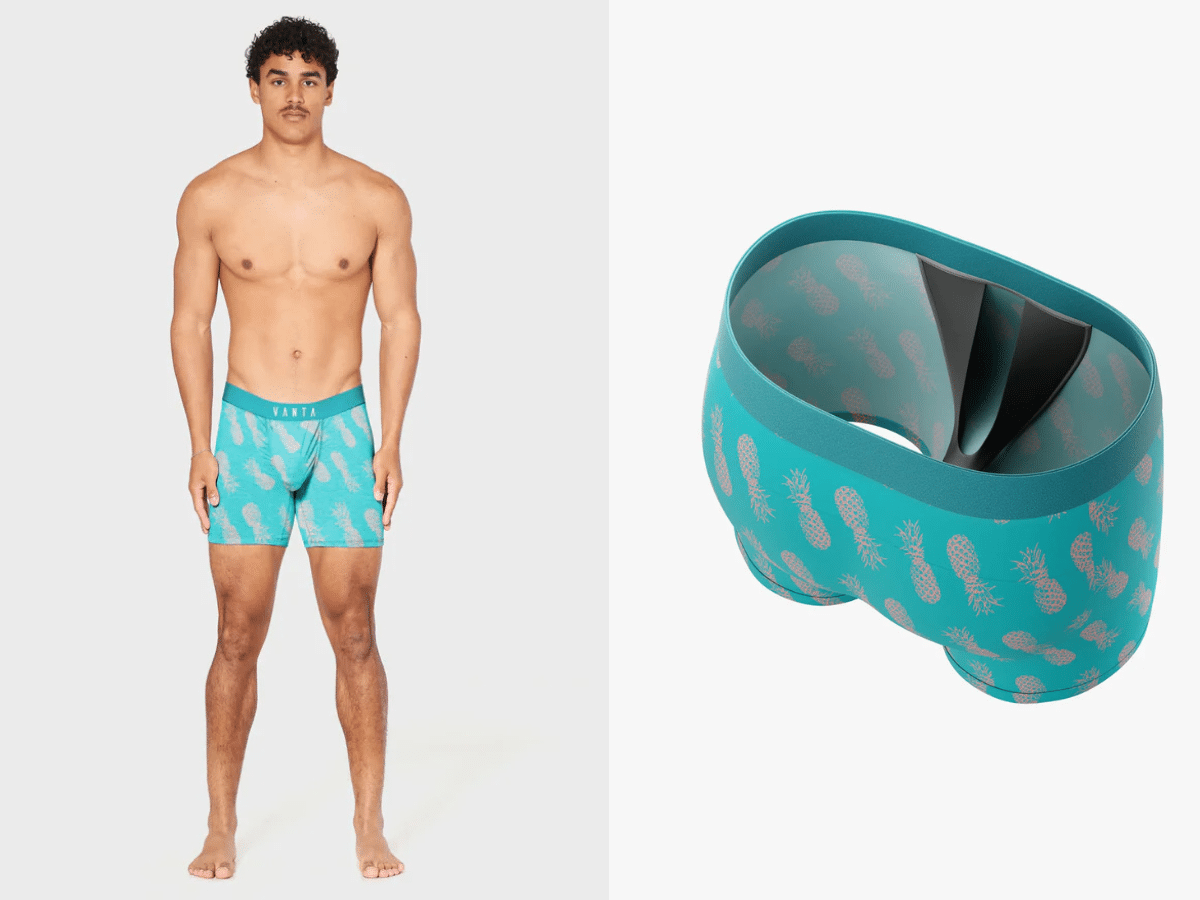
For decades, the standard for men’s underwear was 100% cotton in a few basic cuts. However, the modern market has diversified to address specific physiological needs, such as heat regulation and friction reduction. The most significant innovation in recent years is the introduction of "pouch technology." Brands like Vanta have pioneered designs that incorporate internal hammocks or specialized compartments to isolate male anatomy from the thighs. This structural change effectively eliminates skin-on-skin contact, which is the primary cause of heat traps and chafing.
Vanta’s "Kanga Pouch Tech" serves as a benchmark for this innovation. By keeping the "package" front and center, these designs mitigate the need for manual adjustments throughout the day. This is particularly beneficial for professionals in high-activity roles or those living in humid climates. The Vanta Bamboo Series further enhances this utility by utilizing bamboo viscose, a textile known for its superior breathability and soft hand-feel compared to traditional cotton. The extended leg length in their "Long" series addresses another common complaint: the "ride-up" effect, where fabric bunches at the groin during movement.
Material Science: Beyond the Cotton Standard
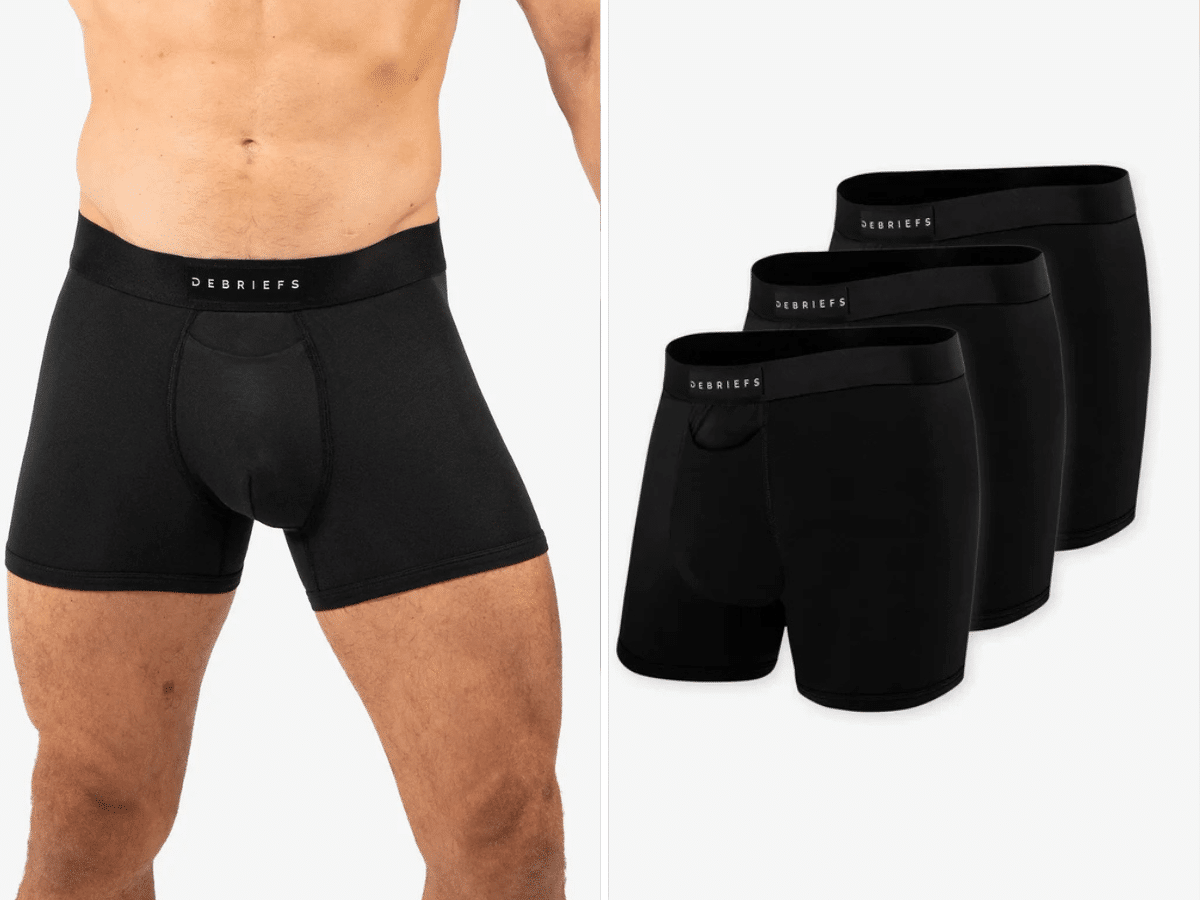
The selection of fabric is no longer a binary choice between cotton and synthetic polyester. The rise of semi-synthetic cellulose fibers, such as Modal and MicroModal, has redefined the "comfort" category. Derived from beechwood pulp, MicroModal is significantly finer than silk and more absorbent than cotton. Debriefs, a prominent player in the premium space, utilizes this fabric to create a "second-skin" feel.
Beyond the fabric, Debriefs has addressed a functional pain point with the introduction of the horizontal fly. While traditional vertical slits can be cumbersome and require loosening the waistband, the top-loading horizontal fly offers intuitive access. This design choice reflects a broader industry move toward "utility-first" engineering, where every seam and opening is scrutinized for efficiency.

Legacy Brands and Market Longevity
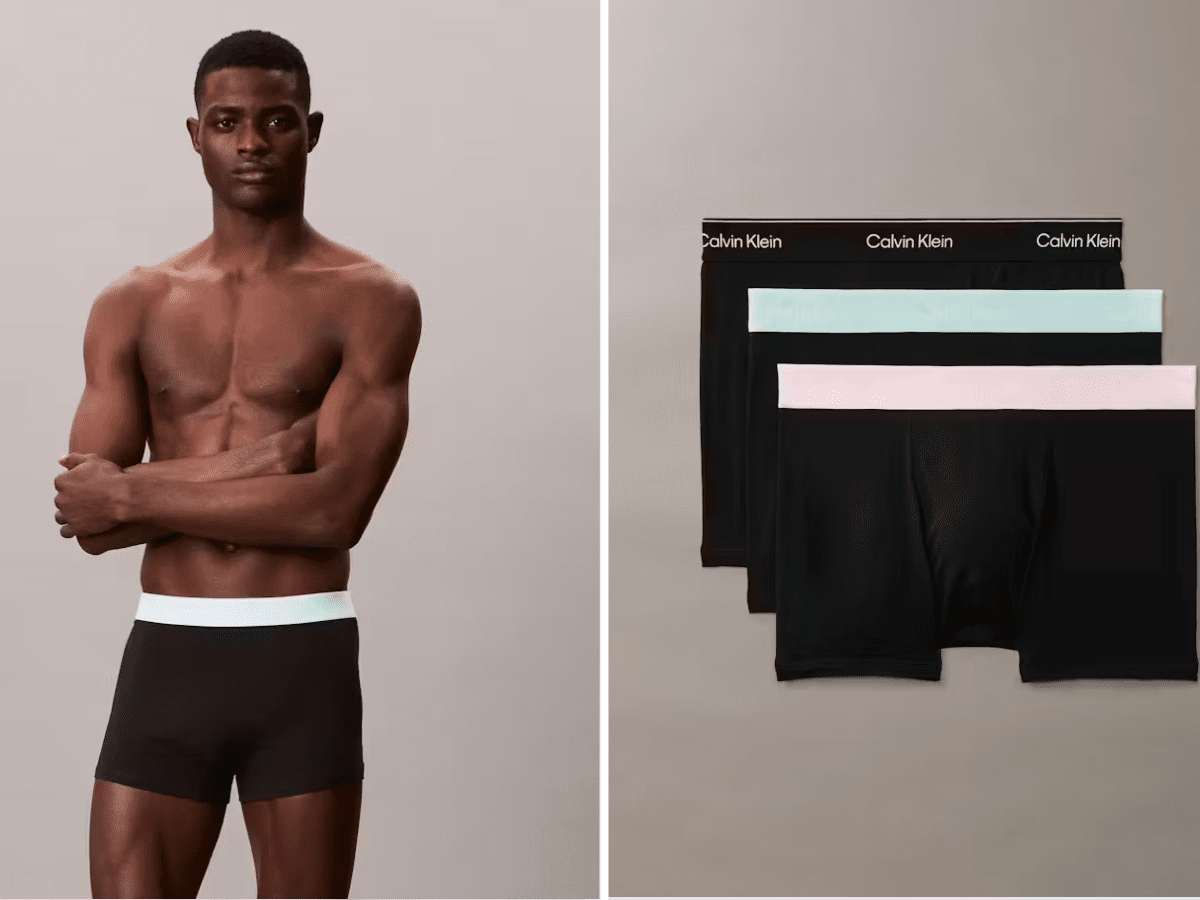
Despite the influx of direct-to-consumer (DTC) disruptors, legacy brands like Calvin Klein continue to maintain a dominant market share. The enduring success of Calvin Klein is attributed to a combination of aggressive, celebrity-driven marketing—such as the recent Spring 2025 campaign featuring Bad Bunny—and a reputation for structural integrity. In an era of "fast fashion," Calvin Klein’s Icon Cotton Stretch trunks are frequently cited for their ability to withstand hundreds of wash cycles without losing elasticity or shape.
Calvin Klein has also diversified its portfolio to compete with technical brands. Their "Air FX" line incorporates breathable mesh panels for thermoregulation, while the "Micro Low Rise" series uses microfibre blends to provide a seamless look under slim-fit trousers. This adaptability has allowed legacy players to retain the loyalty of older demographics while capturing younger consumers who value both brand prestige and performance.
The Intersection of Athleisure and Underwear
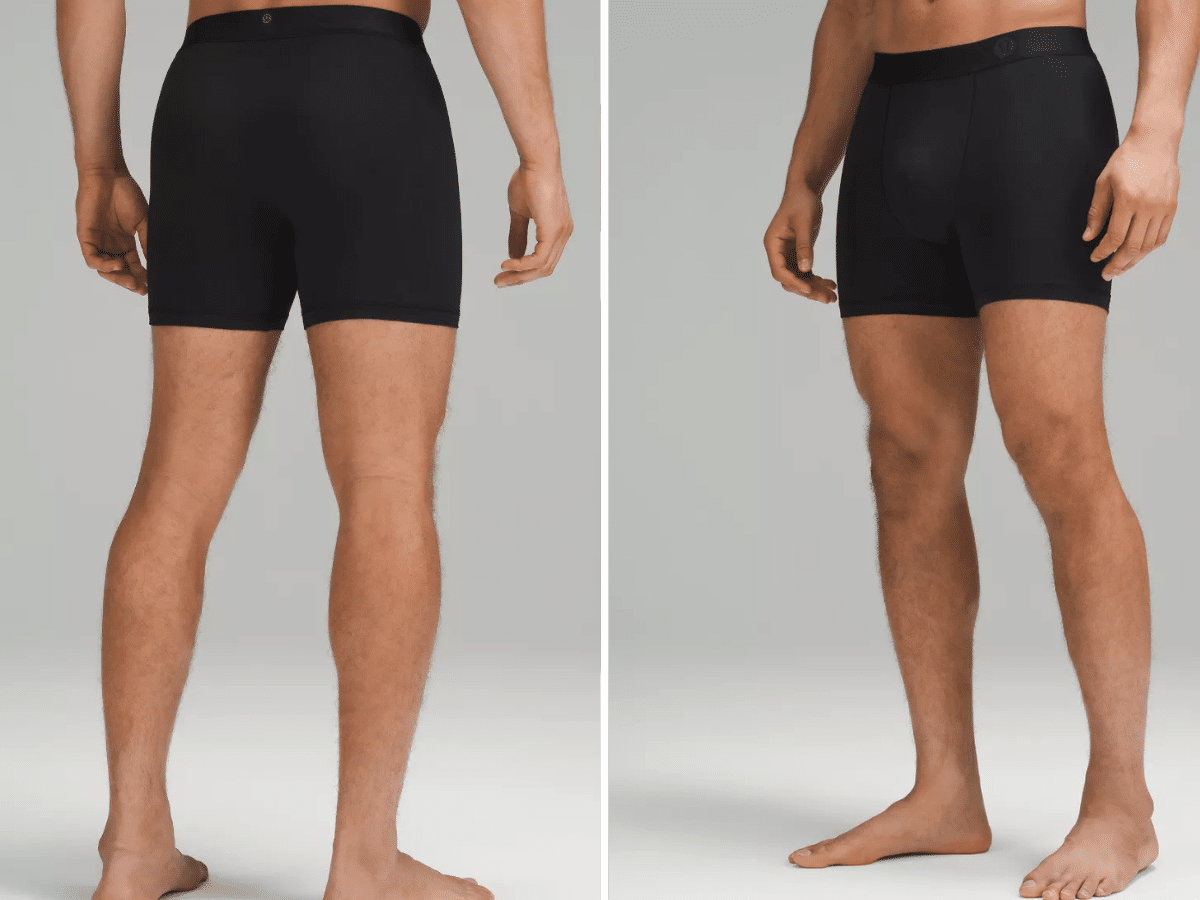
The rise of the "athleisure" trend has blurred the lines between gym wear and daily essentials. Lululemon, a brand that built its empire on yoga leggings, has successfully translated its textile expertise to men’s underwear. The "Always In Motion" boxer brief is engineered from a lightweight modal blend designed specifically for movement. Market analysts note that Lululemon’s entry into the men’s space has forced traditional athletic brands to upgrade their offerings.
Similarly, Step One has capitalized on the anti-chafe market, particularly in Australia and the United Kingdom. Their proprietary "UltraGlide" panels—friction-free fabric sewn between the thighs—target the "thigh burn" experienced by men with muscular builds or those who work on their feet. Step One’s aggressive marketing strategy, which focuses on solving the physical discomfort of "chafing," has resonated with a broad audience, proving that men are willing to pay a premium for solutions to specific physical irritations.
Budget Engineering and High-Volume Value
For the price-conscious consumer, the challenge has historically been finding quality without the $40-per-pair price tag. Uniqlo has filled this gap with its AIRism series. Utilizing Japanese textile engineering, AIRism is a synthetic blend that mimics the cooling properties of natural fibers while maintaining a "seamless" profile. By eliminating bulky seams, Uniqlo has created a product that appeals to men wearing tailored clothing. However, industry experts often advise consumers to pay close attention to sizing, as Japanese-engineered garments typically feature a slimmer cut than Western counterparts.
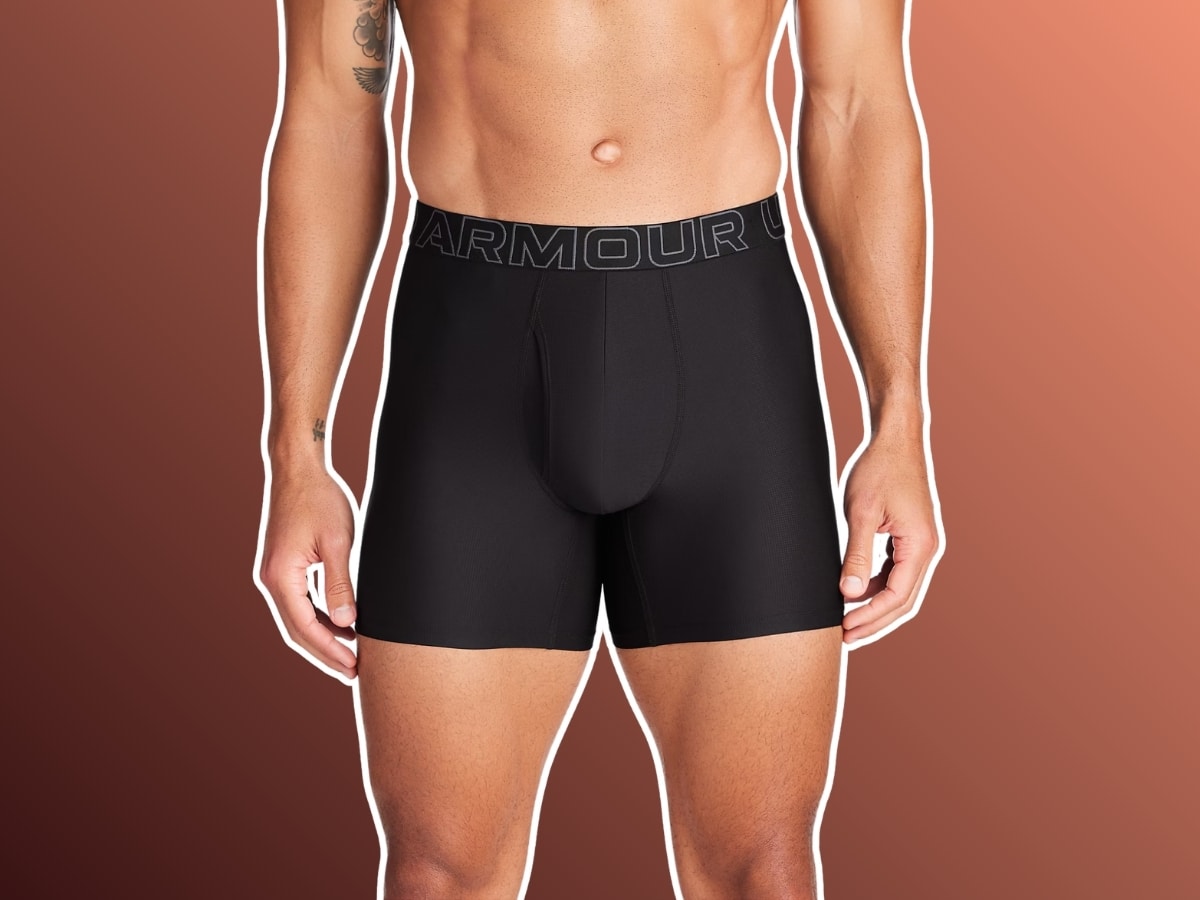
In the pure performance category, Under Armour remains a staple for athletes. The "Performance Tech Boxerjock" is built from high-grade synthetics that prioritize moisture transport over soft-touch comfort. In a high-intensity environment like a gym, cotton becomes a liability as it retains sweat and becomes heavy; Under Armour’s synthetic approach ensures the garment remains light and dries rapidly, preventing the skin irritation associated with damp fabric.
Comparative Fabric Analysis and Performance Metrics
To understand the current market, one must look at the technical specifications of the materials used. The following table outlines the performance metrics of the leading fabrics in 2024:
| Fabric Type | Primary Use Case | Moisture Management | Durability |
|---|---|---|---|
| 100% Cotton | Sensitive skin / Casual | Low (Absorbs but stays wet) | Moderate |
| MicroModal | Luxury / Office wear | High (Breathable) | Moderate (Requires care) |
| Bamboo Viscose | Humidity / Hot climates | Very High (Cooling) | High |
| Synthetic (Poly) | Sports / Heavy activity | Superior (Wicking) | Very High |
| Seamless Nylon | Tailored clothing | Moderate | High |
The Economics of Men’s Underwear: A Growing Global Sector
Market research firms, including Mordor Intelligence and Statista, project the global men’s underwear market to reach a valuation of approximately USD 45 billion by 2028. This growth is driven by several factors:
- Increased Disposable Income: Men are spending more on "self-care" and personal comfort.
- E-commerce Expansion: The rise of subscription models (e.g., MeUndies, Step One) has simplified the replenishment process.
- Health Awareness: Growing understanding of how improper underwear can contribute to fungal infections, chafing, and even fertility issues due to heat.
Industry analysts suggest that the "cost-per-wear" argument is winning over consumers. While a $15 three-pack from a department store is cheaper upfront, the tendency for these garments to lose shape within six months makes them more expensive over a two-year period compared to a $35 pair of high-quality modal trunks that can last 24 months.
Official Responses and Consumer Sentiment
In response to the growing demand for sustainability, many brands have issued statements regarding their supply chains. Lululemon and Step One have both emphasized the use of FSC-certified (Forest Stewardship Council) wood pulp for their modal and bamboo fabrics, ensuring that the production of these "natural" synthetics does not contribute to deforestation.
Consumer feedback across major retail platforms indicates that the "waistband roll" remains the number one complaint in the industry. Brands are responding by developing wider, "no-roll" elastic bands made from high-density polymers that maintain their tension even after repeated stretching. This focus on "micro-engineering" is what currently separates the top-tier brands from generic competitors.
Broader Impact and Future Implications
The evolution of men’s underwear is more than a fashion trend; it is a shift in how men perceive personal maintenance. The move toward specialized fabrics and ergonomic cuts suggests a future where "smart fabrics" may eventually play a role. We are already seeing the integration of silver-ion technology for permanent anti-odor properties, and the next frontier likely involves fabrics that can actively monitor skin temperature or integrate with wearable health tech.
For the average consumer, the immediate takeaway is clear: the era of the "one-size-fits-all" cotton brief is ending. Whether driven by the need for gym performance, office comfort, or anti-chafe protection, the modern man now has access to an unprecedented level of choice and technology in his most basic layer of clothing. As the industry continues to innovate, the focus will remain on the intersection of sustainability, durability, and the relentless pursuit of the perfect fit.



 Yuyun Lusiyani
 Joko Widodo
 Eva Lovia
 Pevita Pearce
 admin
admin