
 Amara Maple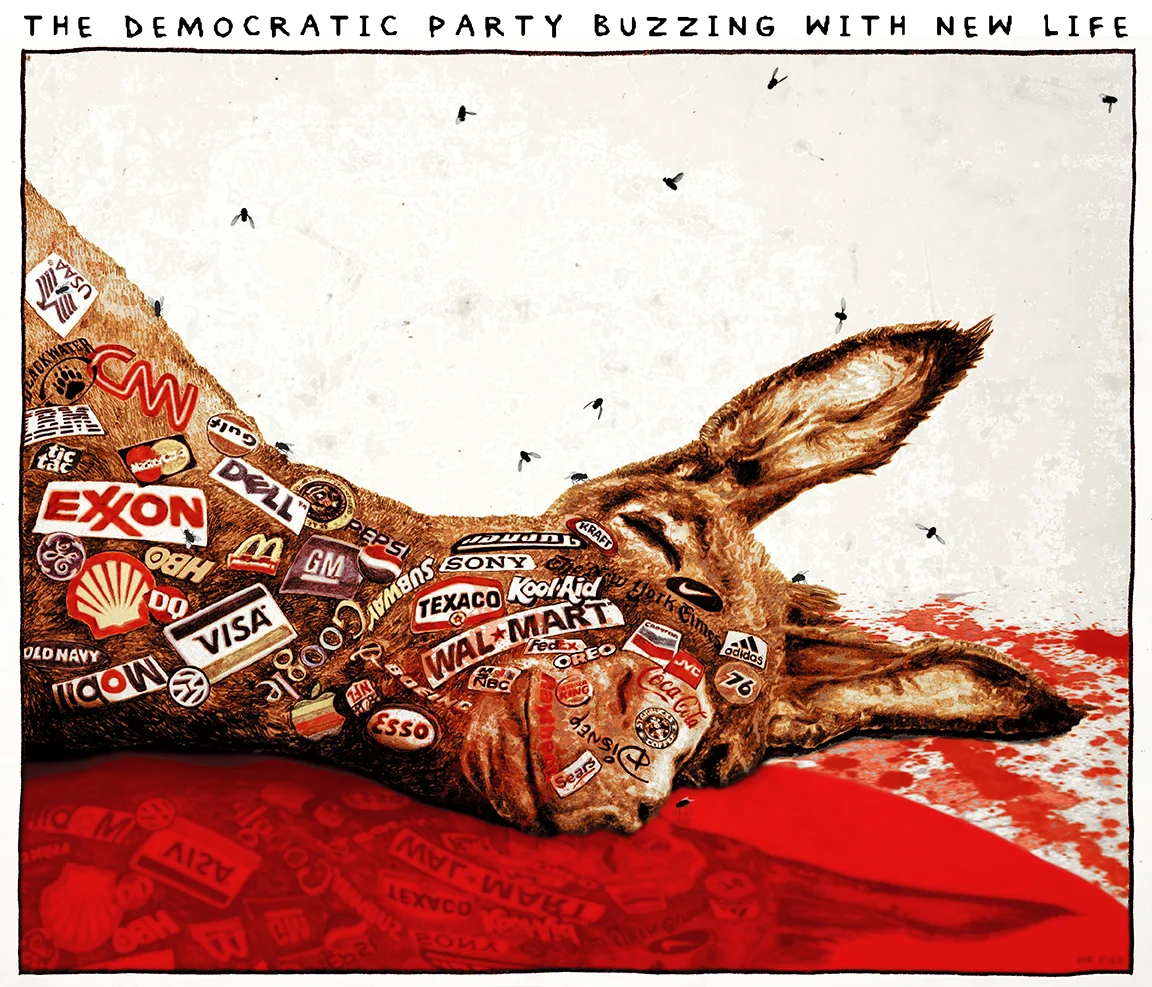
The landscape of American healthcare advocacy is experiencing a significant ideological schism, spearheaded by veteran single-payer advocate Ana Malinow, a retired pediatrician who once led the nation’s foremost single-payer organization, Physicians for a National Health Program (PNHP). In 2007, Malinow was at the helm of PNHP, a group widely recognized for its intellectual contributions and sustained push for a national health insurance system. However, in recent years, Malinow has become a pivotal figure in the establishment of a new entity, National Single Payer, which distinguishes itself by its independence from the Democratic Party and its readiness to engage with broader geopolitical issues, including outspoken criticism of the conflict in Gaza. This divergence highlights a growing debate within the movement: whether incremental reform within established political frameworks is sufficient, or if a more radical, confrontational approach is necessary to dismantle what advocates term the "medical-industrial complex."
The Genesis of a Split: From PNHP to National Single Payer
Ana Malinow’s journey from a leading voice within PNHP to a co-founder of National Single Payer reflects a profound shift in strategic thinking within the single-payer movement. PNHP, established in 1987, has long been the intellectual and advocacy backbone for universal healthcare in the United States, championing a single-payer model akin to Canada’s. For decades, it has served as a crucial source of research, policy proposals, and professional endorsements for Medicare for All. Malinow’s presidency in 2007-2008 marked a period where the organization solidified its influence among medical professionals and policymakers, advocating for comprehensive national health insurance.
Despite her deep roots and continued, albeit marginal, membership in PNHP, Malinow felt a growing imperative for a new kind of advocacy. The fundamental difference between PNHP and National Single Payer, as articulated by Malinow, lies in their political alignment. PNHP has maintained a close relationship with the Democratic Party, often working within the party’s legislative efforts and strategic initiatives. This alignment, while providing access and potential pathways for legislative progress, has also, according to critics like Malinow, constrained the movement’s ability to challenge the status quo comprehensively. National Single Payer, in contrast, explicitly positions itself as independent of partisan political machines, aiming for a more uncompromised and grassroots-driven advocacy.
Diverging Paths: Political Alignment and Moral Stances
The ideological chasm became particularly pronounced over the issue of the Gaza conflict. In an email last week responding to an article critical of PNHP’s approach, Malinow expressed gratitude for the piece, titled Genocide the Non Profit Industrial Complex and the Democratic Party. She commended the call to hold organizations accountable for "lacking the moral courage to speak out against the genocide in Gaza." This statement encapsulates the core divergence: while PNHP, as a national body, maintained official silence on the conflict—a stance often attributed to its alignment with the Democratic Party, which has largely supported the Biden administration’s foreign policy—National Single Payer took an immediate and unequivocal position.
In November 2023, National Single Payer issued a forceful statement condemning the Israeli targeting of hospitals in Gaza and the perceived U.S. complicity in what it termed a genocide. This was followed by subsequent statements on other international issues, including Iran and Venezuela, and a delegation to Cuba in 2024 to deliver medicine and study its healthcare system. National Single Payer also aligned itself with broader movements like Doctors Against Genocide and the Sanctions Kill campaign, explicitly linking the "violence of this medical industrial complex to the broader machinery of empire." Malinow stated, "The same political system willing to fund wars, sanctions, occupation and genocide, also accepts this mass suffering in the United States. Violence abroad and austerity at home are part of the same ideological structure." This holistic critique positions National Single Payer not merely as a healthcare advocacy group, but as a component of a larger anti-imperialist and social justice movement.
This bold stance, however, was not without its internal challenges. Malinow revealed that National Single Payer experienced "backlash," with some members opting to leave the organization, disagreeing with the decision to take such explicit political positions on international conflicts. Nevertheless, the organization also received praise for its moral clarity, suggesting that a segment of the single-payer movement yearns for a more outspoken and ethically driven advocacy. Interestingly, while national PNHP remained silent, several local and state PNHP chapters, including Metro NYC PNHP and PNHP Bay Area, did issue strong statements condemning the violence in Gaza, indicating a grassroots desire for moral engagement even within the more established organization.
Beyond Insurance: Reimagining Healthcare Delivery
The strategic divergence extends beyond political alignment and foreign policy to the very definition and scope of single-payer healthcare. While PNHP has largely focused on the financing aspect—replacing private insurance with a government-run system—National Single Payer argues for a more fundamental transformation of the healthcare delivery system itself.
Current single-payer bills in Congress, such as HR 3069, primarily aim to eliminate private insurance and establish a comprehensive national health insurance program, allowing Medicare to negotiate drug prices. While these are crucial steps, Malinow points out a significant limitation: "Unfortunately, it does not call for the conversion from for profit to not for profit status of the hospitals for example. It does not put the screws on not for profit health systems." This means that the actual delivery of healthcare—hospitals, clinics, nursing homes, dialysis centers—would largely remain in private, often for-profit, hands. The rise of large corporations like Optum (a UnitedHealthcare subsidiary) controlling vast networks of doctors, and the increasing penetration of private equity into emergency rooms, hospice care, and nursing homes, exemplify the profit-driven nature of the delivery system.
Malinow argues that a single-payer financing system, without addressing the for-profit delivery infrastructure, risks becoming "a public subsidy of this medical industrial complex." This critique echoes sentiments expressed by experts like Steffie Woolhandler and David Himmelstein, who, in their Nation article "Medicare for All is Not Enough," advocate for community ownership of healthcare facilities. This perspective revives elements of earlier, more radical legislative proposals, such as HR 676, introduced by the late Representative John Conyers, which did call for the conversion of healthcare facilities from for-profit to not-for-profit status—a step closer to a National Health Service model like the UK, where hospitals are government-owned and healthcare professionals are government employees.
The "Declaration of Independence" Campaign and the Medical-Industrial Complex
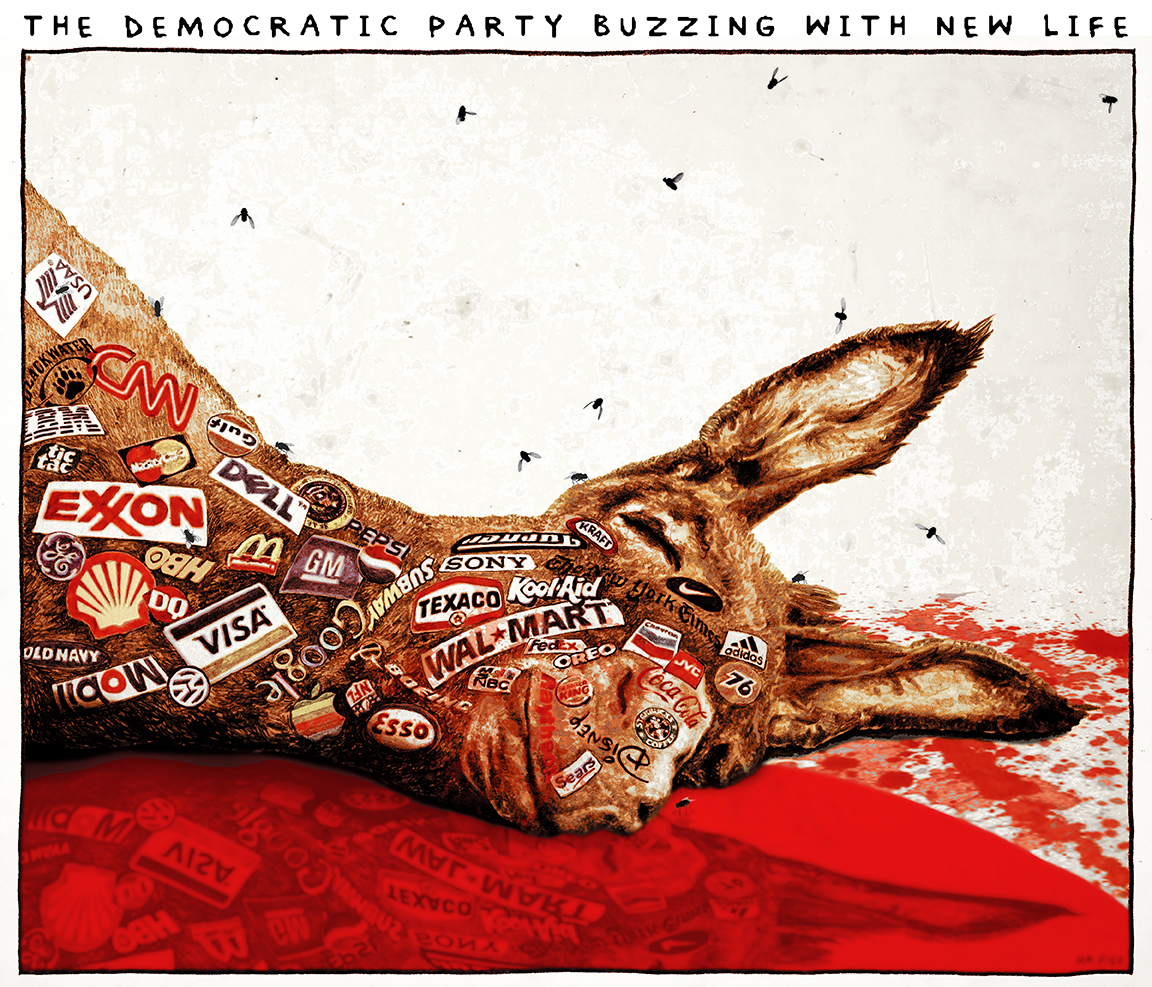
To underscore this broader vision, National Single Payer has launched a campaign titled "The Declaration of Independence from the Medical-Industrial Complex," strategically timed to coincide with the nation’s 250th anniversary of the Declaration of Independence in 2026. This initiative is a rallying cry for the public to "rise up, organize, take control of the healthcare system, and run it in the interest of the public instead of in the interest of profit." It champions "comprehensive, universal, national Medicare for All, free from profit."
The campaign’s name explicitly links the medical-industrial complex to the military-industrial complex, identifying both as "profit driven machines functioning exactly as designed – enriching corporations as people suffer." This framing places healthcare reform within a larger struggle against corporate power and systemic injustice, highlighting how the diversion of resources into these complexes depletes public services and exacerbates suffering both domestically and internationally. The United States, for example, consistently spends more on healthcare per capita than any other developed nation—over $12,900 per person in 2022, amounting to approximately 17.3% of its GDP—yet lags in many health outcomes, including life expectancy and infant mortality. A significant portion of this spending goes towards administrative costs, corporate profits, and executive compensation within the complex web of private insurers, pharmaceutical companies, and for-profit hospital systems. The pharmaceutical industry alone generated over $500 billion in revenue in the U.S. in 2023, often justified by high R&D costs, yet critics point to exorbitant drug prices compared to other nations.
Critiquing Incrementalism: The Democratic "Off-Ramps"
Malinow is highly critical of what she perceives as "half-measures" and "off-ramps" proposed by Democrats, particularly as the 2028 general election approaches. She argues that proposals like those aiming to "lower the cost of health insurance" (e.g., Senator Ron Wyden’s efforts) or "Medicare by Choice" (championed by Wendell Potter’s Center for Health and Democracy) are deceptive. "Medicare by Choice," which allows individuals to enroll in traditional Medicare regardless of age, is dismissed as a "rerun of the public option."
The historical context of these "off-ramps" is crucial. During the debates leading to the Affordable Care Act (ACA) in 2010, the "public option"—a government-run insurance plan to compete with private insurers—was widely promoted but ultimately dropped from the final legislation. Advocates like Malinow argue that such proposals are designed to "preserve private insurance dominance while creating the illusion of reform," with rules often structured to favor private plans and undermine public alternatives. The ACA, while expanding coverage, largely reinforced the private insurance industry, requiring individuals to purchase private plans and providing subsidies to make them more affordable, rather than replacing them. This, Malinow asserts, set the single-payer movement back "another fifteen years."
National Single Payer advocates for immediate, uncompromising action. Malinow proposes concrete improvements to current Medicare for All legislation, including mandating the conversion of for-profit delivery systems to not-for-profit, ensuring a "just transition" for workers in the private health insurance industry who would lose jobs, shortening the proposed transition time (rejecting Sanders’ two-to-four-year timeline), excluding public options, and implementing progressive tax funding. Furthermore, she calls for elected officials who sign onto single-payer bills to actively champion them through town halls and special order speeches, rather than merely using them as political gestures.
The Financial and Political Landscape of US Healthcare
The entrenched nature of the U.S. healthcare system makes comprehensive reform exceptionally challenging. The medical-industrial complex is a formidable lobbying force in Washington D.C., spending billions annually to influence legislation. In 2023 alone, the pharmaceutical and health product industry spent over $370 million on lobbying, while hospitals and nursing homes spent over $100 million, and health services and HMOs contributed another significant sum. These expenditures far outstrip those of consumer advocacy groups, creating an uneven playing field for reform efforts. This financial power often translates into policy outcomes that favor corporate profits over public health, perpetuating a system where millions remain uninsured or underinsured, and medical debt is a leading cause of bankruptcy.
The total U.S. healthcare market is projected to reach nearly $6.2 trillion by 2028, making it an economic powerhouse with vast vested interests. The average American family’s health insurance premiums for employer-sponsored plans reached over $22,000 annually in 2023, a cost that continues to rise faster than wages. Despite these expenditures, an estimated 25 million Americans remain uninsured, and many more are underinsured, facing prohibitive costs for necessary care. These statistics underscore the urgency of the reform debate and the immense pressure on political figures to address the crisis.
The Road Ahead: Challenges and Opportunities
The emergence of National Single Payer, driven by figures like Ana Malinow, represents a critical juncture for the single-payer movement. It signifies a growing frustration with incrementalism and a demand for a more radical, ethically engaged, and politically independent approach. While the splintering of advocacy efforts could potentially dilute their collective power, it also reflects a maturation of the movement, forcing a re-evaluation of strategies and priorities.
The challenge for National Single Payer lies in building a broad-based, powerful grassroots movement capable of directly confronting the formidable medical-industrial complex and influencing policy without relying on traditional partisan alliances. The opportunity lies in mobilizing a segment of the public and healthcare professionals who are disillusioned with existing political pathways and are ready for a more uncompromising fight for healthcare as a fundamental human right, free from the dictates of profit. As Malinow asserts, "It is critical for us to go on the offensive now, before we lose this window of opportunity, and politicians (and the non-profit industrial complex, which we call out in the Declaration) derail our movement again." The coming years, leading up to the 2028 general election, will reveal whether this bolder, more independent approach can fundamentally reshape the debate and drive the United States towards a truly universal, non-profit healthcare system.




 Yuyun Lusiyani
 Joko Widodo
 Eva Lovia
 Pevita Pearce
 admin
admin
 Lina Irawan