
 Pevita Pearce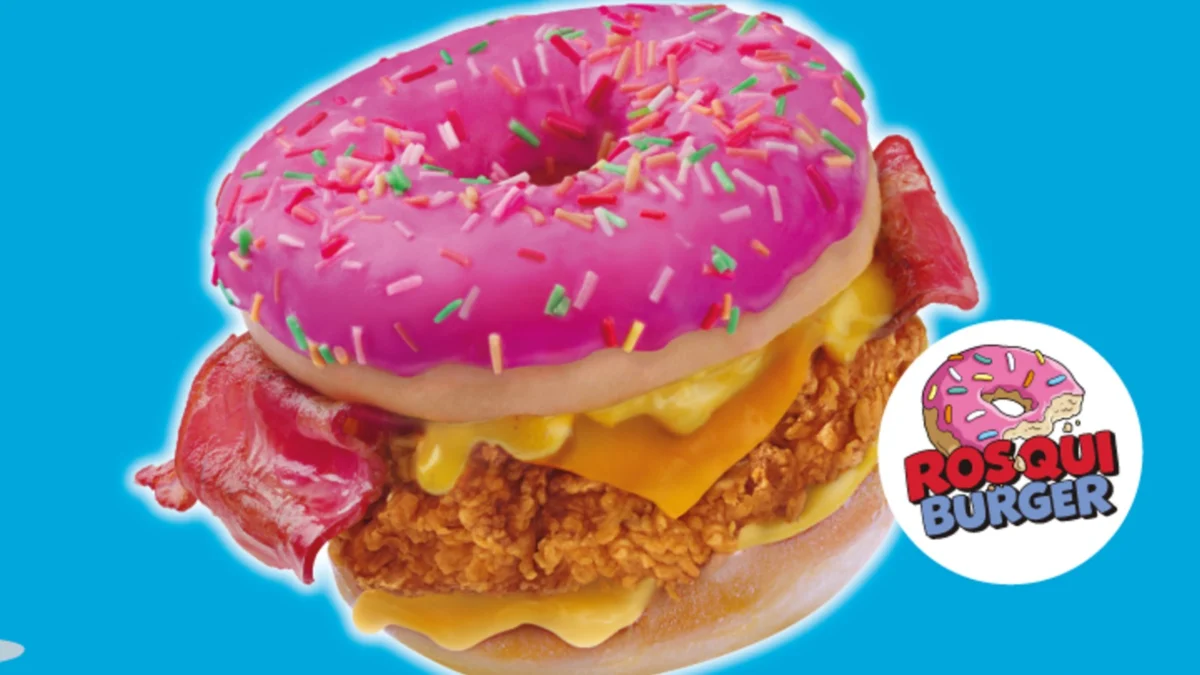
KFC has officially launched a comprehensive collaborative campaign with the long-running animated series The Simpsons, introducing a specialized menu and a suite of collectible items across its locations in Spain and Portugal. This strategic partnership leverages the immense cultural capital of the Fox-produced sitcom, which has remained a staple of global television for over three decades. The collaboration, which debuted in late July 2024, focuses on "deep-cut" references that resonate with the show’s dedicated fanbase, moving beyond surface-level branding to incorporate specific plot points and recurring gags into the culinary experience.
The centerpiece of the promotional menu is the Rosquiburger, a novelty item that replaces traditional sesame seed buns with glazed donuts. This creation is a direct homage to Homer Simpson’s well-documented obsession with pink-frosted donuts. The Rosquiburger features a combination of KFC’s signature fried chicken, bacon, and cheese, creating a sweet-and-savory profile that has become a hallmark of experimental fast-food "stunt" items. This release marks a significant move for KFC Iberia, as it attempts to capture the attention of younger demographics and "kidult" consumers who value both nostalgia and social-media-worthy food experiences.
Culinary Integration of Iconic Series Tropes
The Simpsons menu at KFC is not limited to the Rosquiburger; it extends to several side items and condiments that reference specific episodes from the show’s "Golden Era." One such addition is the "Chillibites of Madness." These spicy cheese bites are inspired by the Season 8 episode "The Mysterious Voyage of Our Homer," in which the protagonist consumes a "Guatemalan Insanity Pepper" at a chili cook-off, leading to a psychedelic hallucination. While the KFC version is designed for general consumer palates, the marketing materials emphasize the heat levels as a nod to the episode’s legendary status among fans.
Furthermore, the beverage selection has been updated to include a frozen blueberry drink designed to mimic the "Squishee," the slushy beverage sold at the fictional Kwik-E-Mart. In the show, the Squishee is often depicted as having dangerously high sugar content and surreal colors; KFC’s iteration provides a tangible version of this fictional staple. Even the packaging has been modified for the event; ketchup sachets have been rebranded as "Catsup," a reference to a scene in which Mr. Burns becomes confused by the different naming conventions of the condiment while attempting to shop like a commoner.
Collectibles and the Strategy of "Nostalgia Bait"
A critical component of the KFC and The Simpsons partnership is the inclusion of limited-edition collectibles, which are available as part of a "Box Meal" or for individual purchase. Unlike standard fast-food toys, these items are designed with high-fidelity references to the show’s lore. The collection includes:
- The Plutonium Fuel Rod: A replica of the glowing green rod that Homer Simpson famously drops down his shirt in the show’s opening credits.
- The "Bort" License Plate: A reference to the Season 6 episode "Itchy & Scratchy Land," where Bart discovers that the gift shop is sold out of "Bart" plates but has plenty of "Bort" plates—a gag that has since become a real-world meme.
- Mr. Sparkle Detergent Box: A miniature replica of the Japanese dishwashing detergent that features a mascot bearing an uncanny resemblance to Homer Simpson.
Industry analysts suggest that the inclusion of these specific items indicates a shift in fast-food marketing. By selecting references that require a degree of "insider knowledge," KFC is targeting the millennial and Gen X demographics who grew up with the show, rather than just children. This "nostalgia bait" strategy is designed to drive foot traffic through exclusivity and the desire for "Instagrammable" memorabilia.
Chronology of KFC’s Global Pop-Culture Collaborations
The launch of The Simpsons menu in Spain and Portugal follows a pattern of localized, high-profile collaborations by KFC. Only days prior to the Iberian launch, KFC Hong Kong announced a partnership with the iconic anime series Neon Genesis Evangelion. That campaign featured purple-themed burgers and desserts, reflecting the color palette of the series’ lead mecha, Unit-01.
In recent years, KFC has aggressively pursued partnerships within the gaming and animation sectors. Previous collaborations include:
- Genshin Impact (2021/2024): A global phenomenon that saw fans lining up for hours to receive in-game items and themed buckets.
- Final Fantasy XIV: A recurring partnership in Japan and other regions that integrated the game’s "Chocobo" mascot into KFC branding.
- Diablo IV (2023): A partnership in the United States that offered early beta access and in-game cosmetics to customers.
These events demonstrate a decentralized marketing strategy where regional branches of KFC (owned by Yum! Brands) are given the autonomy to partner with intellectual properties (IP) that have high local relevance. The Simpsons remains particularly popular in Spain, where it has been broadcast daily on major networks for decades, making it an ideal candidate for such a localized campaign.

Market Context and the Rise of Limited-Time Offers (LTOs)
The fast-food industry is currently navigating a complex economic landscape characterized by rising ingredient costs and shifting consumer habits. In this environment, Limited-Time Offers (LTOs) like The Simpsons menu serve several functions. First, they create a sense of urgency, encouraging customers to visit before the items disappear. Second, they allow brands to test unconventional flavor profiles—like the donut-based Rosquiburger—without committing to a permanent menu change.
According to data from market research firms such as Technomic, LTOs can increase restaurant traffic by 10% to 15% during the promotional period. For KFC, which competes with other global giants like McDonald’s and Burger King, these "cultural moments" are essential for maintaining brand relevance. McDonald’s saw similar success with its "Adult Happy Meals" and the "Grimace Shake" campaign, proving that there is a significant market for adult-oriented nostalgia in the quick-service restaurant (QSR) sector.
Official Responses and Consumer Reception
While KFC has not released specific sales figures for the first week of the campaign, social media activity in Spain and Portugal indicates a high level of engagement. The official KFC Portugal website has dedicated a landing page to the menu, though it notably lacks a definitive end date for the promotion, stating only that it is available "while stocks last."
Fans in other regions, particularly the United States and the United Kingdom, have expressed a mixture of excitement and frustration on platforms like X (formerly Twitter) and Reddit. Many users have questioned why a quintessentially American show like The Simpsons is receiving a specialized menu in Europe before its home country. This regional exclusivity often leads to a secondary market for collectibles, with items like the "Bort" license plate and "Mr. Sparkle" box already appearing on auction sites like eBay at marked-up prices.
KFC corporate representatives have remained tight-lipped regarding a potential global rollout. Historically, some regional KFC successes have been adapted for other markets, but the licensing agreements for The Simpsons (now owned by Disney) are notoriously complex and vary by territory.
Broader Implications for the Fast-Food Landscape
The KFC-Simpsons collaboration represents the ongoing "entertainmentization" of the food industry. As consumers become more discerning and traditional advertising loses its efficacy, brands are forced to integrate themselves into the cultural fabric of their audience. By turning a meal into a "hunt" for collectibles and a "challenge" to eat a donut burger, KFC is transforming a routine transaction into an event.
Furthermore, this campaign highlights the enduring power of The Simpsons as a brand. Despite being on the air for 35 seasons, the show’s ability to drive consumer behavior remains potent. For Disney, these partnerships provide a way to keep the IP relevant to younger audiences who may not watch the show on linear television but are familiar with its characters through memes and streaming.
As the campaign continues in the Iberian Peninsula, industry observers will be watching closely to see if the "Rosquiburger" becomes a viral sensation akin to the Popeyes Chicken Sandwich or the Grimace Shake. If successful, it could signal a new wave of animation-themed fast-food crossovers across Europe and beyond, as brands seek to bridge the gap between digital content and physical consumption. For now, fans in Spain and Portugal are the only ones who can officially enjoy a "Squishee" and a donut burger, while the rest of the world waits to see if the "Catsup" will eventually make its way to their local KFC.



 Yuyun Lusiyani
 Joko Widodo
 Eva Lovia
 admin
admin
 Lina Irawan