
 Jia Lissa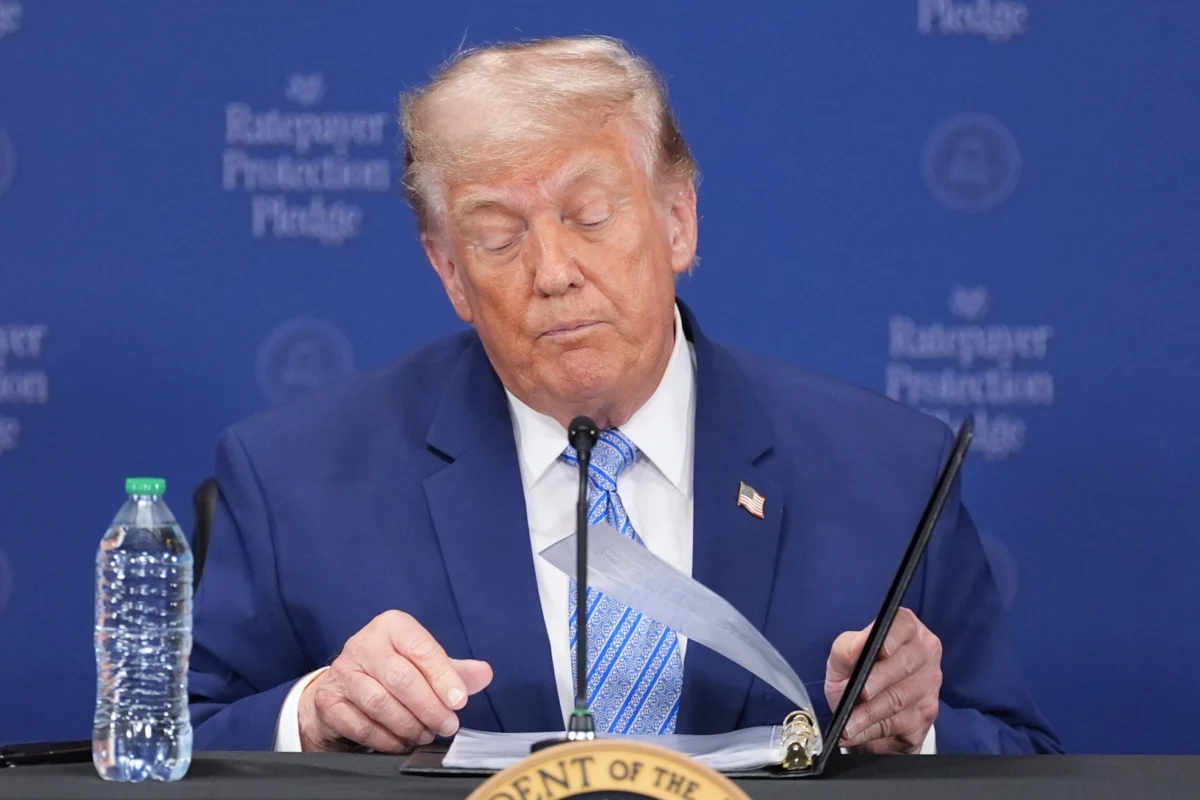
The political standing of President Donald Trump has hit a significant milestone in his second term, as a new CNN poll released Wednesday reveals his job approval rating has plummeted to 34%. This figure represents a return to the lowest point of his presidency, matching the approval rating recorded in the immediate aftermath of the January 6, 2021, insurrection at the close of his first administration. The data, collected between July 23 and July 27, 2026, underscores a period of intense domestic and international pressure, primarily driven by a burgeoning military conflict with Iran and a domestic economy that a majority of the electorate now views with skepticism.
The survey, conducted by SSRS with a margin of error of +/- 3.2 percentage points, paints a stark picture of a polarized and increasingly dissatisfied American public. Beyond the headline approval number, the depth of the opposition is particularly noteworthy: a record 50% of Americans now say they "strongly disapprove" of the president’s performance. Conversely, only 15% of respondents "strongly approve" of his actions, a record low for his tenure. These metrics suggest that the president’s base of fervent support, once considered an immovable bedrock of his political identity, may be showing signs of erosion as the nation grapples with complex global challenges.
A Historical Comparison: From 2021 to 2026
To understand the gravity of the current 34% approval rating, it is necessary to look back at the historical trajectory of President Trump’s polling. Throughout his first term, his approval remained remarkably stable, generally fluctuating between 38% and 46%. However, the events of early 2021 caused a precipitous drop. Following the challenges to the 2020 election results and the subsequent Capitol riot, his numbers fell to the mid-30s across several major outlets.
Upon his return to the White House following the 2024 election, his approval saw a brief "honeymoon" period, buoyed by a base energized by his political comeback. However, that momentum appears to have dissipated. The current dip to 34% signifies that the grievances currently held by the public—specifically regarding foreign policy and the cost of living—have reached a level of intensity comparable to the national crisis of January 2021. Political analysts note that while the 2021 low was driven by a singular, acute event, the 2026 low appears to be the result of a more protracted dissatisfaction with the administration’s fundamental policy directions.
The Iran Conflict: A Primary Driver of Discontent
Central to the president’s declining popularity is the ongoing conflict with Iran, a situation that has dominated the headlines throughout the summer of 2026. According to the CNN poll, 67% of respondents believe the president’s decisions regarding Iran have "hurt the U.S." This sentiment reflects a growing weariness among the American public toward military engagement in the Middle East, particularly as the objectives of the current conflict remain opaque to many.
Perhaps more damaging to the administration’s image is the perception of a lack of strategic foresight. The poll found that a staggering 74% of Americans believe President Trump does not have a clear plan for handling the Iran conflict. This lack of confidence spans across party lines, suggesting that even some Republican-leaning voters are concerned about the direction of the nation’s foreign policy. The perception of a "rudderless" approach to a potential full-scale war has historically been a precursor to significant electoral shifts, particularly as the 2026 midterm elections approach.
Economic Anxiety and Policy Impact
While foreign policy often dictates the news cycle, the domestic economy remains the most potent factor in presidential approval. The CNN poll indicates that the "Trump economy," which was a centerpiece of his 2024 campaign, is now viewed through a lens of frustration. Approximately 65% of Americans believe that the president’s current policies have "worsened economic conditions" in the country.
This dissatisfaction is likely tied to persistent inflationary pressures and the secondary economic effects of the Iran conflict, such as rising energy costs and supply chain disruptions. During his first term, the president often pointed to the stock market and low unemployment as evidence of his success. In 2026, however, the narrative has shifted toward the "kitchen table" issues of housing affordability and the cost of consumer goods. The data suggests that the administration’s efforts to frame the current economic climate as a period of "transition" or "recovery" have failed to resonate with a public feeling the pinch of a tightening economy.
Comparative Polling and the "Outlier" Debate
While the 34% figure is a significant blow, some administration allies point to other recent surveys as evidence that the CNN poll may be an outlier. A CBS News poll released just days prior placed the president’s approval at 39%, while the RealClearPolitics (RCP) average, which aggregates various major surveys, currently sits at 40.7%.
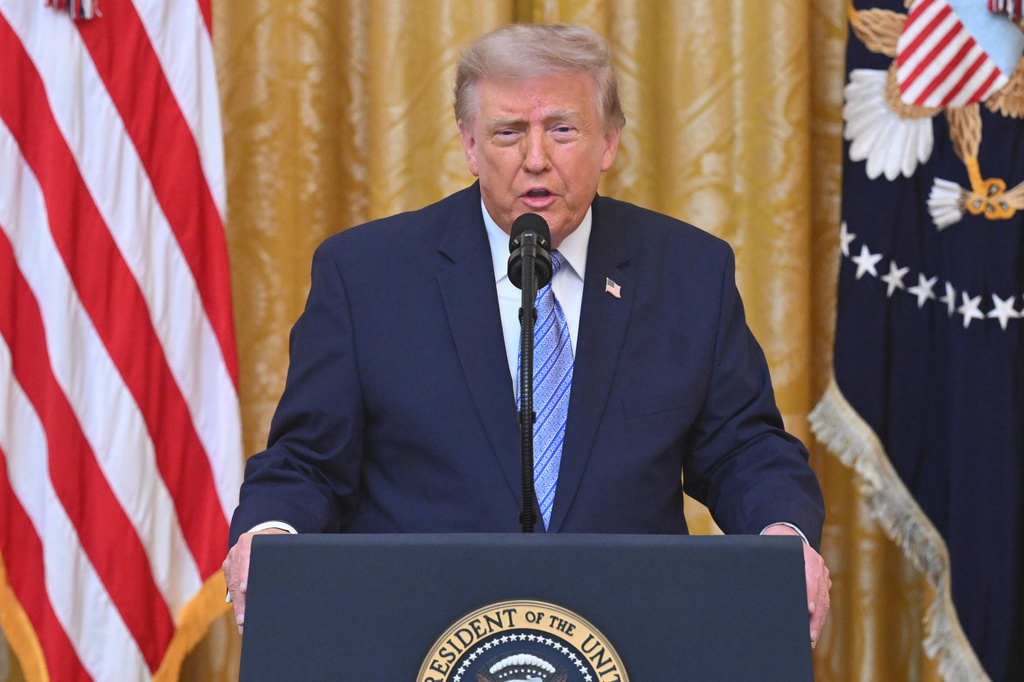
However, even these higher figures are low by historical standards for a president in the second year of a term. The gap between CNN’s 34% and the RCP average of 40.7% can be attributed to differences in methodology, such as the screening of "likely voters" versus "registered voters" or the specific wording of questions regarding the Iran war. Nevertheless, the downward trend is consistent across all major polling platforms. Since the beginning of the year, the president’s average approval has dropped nearly six points, indicating a broad-based decline in support rather than a momentary dip in a single poll.
Political Reactions and Washington Fallout
The reaction in Washington has been swift and divided. Democratic leaders have seized on the poll as a mandate for change. In a statement following the release of the data, the House Minority Leader suggested that the 34% approval rating is a "clear signal that the American people are tired of the chaos and the lack of a coherent strategy, both at home and abroad."
On the other side of the aisle, Republican reactions have been more measured. While some staunch allies of the president have dismissed the CNN poll as "fake news" or biased sampling, others have privately expressed concern about the implications for the upcoming midterm elections. Historically, a president with an approval rating below 40% faces significant losses for their party in Congress. If these numbers hold through November, the GOP’s hold on the House and Senate could be in serious jeopardy.
The White House Press Office has yet to comment specifically on the 34% figure, though the President took to social media earlier in the day to tout his administration’s "strength" in the face of Iranian "aggression," largely ignoring the domestic economic metrics cited in the survey.
Demographic Breakdown: Where the Support is Eroding
A closer look at the CNN data reveals where the president is losing ground. Most concerning for the Trump campaign is the decline among independent voters and suburban women—two groups that were pivotal in his 2024 victory. Among independents, approval has fallen to 29%, a figure that makes a legislative agenda difficult to maintain.
Furthermore, there are signs of softening support among white working-class voters in the "Rust Belt" states of Pennsylvania, Michigan, and Wisconsin. In these regions, the combination of economic anxiety and the threat of a prolonged foreign war appears to be tempering the enthusiasm that characterized his previous campaigns. While he maintains a strong majority among self-identified Republicans, the "strongly approve" category among this group has dipped, suggesting that even his most loyal supporters are adopting a "wait and see" approach to his second-term policies.
Implications for the 2026 Midterm Elections
With the 2026 midterms looming, the CNN poll serves as a warning for the Republican party. Presidential approval is often the single most reliable predictor of midterm outcomes. At 34%, the president is currently polling lower than George W. Bush did prior to the 2006 "thumping" and lower than Barack Obama prior to the 2010 "shellacking."
Candidates in swing districts are already beginning to distance themselves from the administration’s more controversial stances, particularly regarding the escalation of the conflict in Iran. The poll’s finding that 74% of Americans see no clear plan for the war is a data point that Democratic challengers are expected to use extensively in campaign advertisements.
Conclusion: A Turning Point for the Administration?
The 34% approval rating marks a perilous moment for the Trump presidency. It reflects a nation that is not only divided but increasingly skeptical of the administration’s ability to navigate a dual crisis of war and economic instability. Whether this represents a "bottoming out" or the start of a further decline will likely depend on the developments in the Middle East over the coming months and the administration’s ability to provide tangible economic relief to the American middle class.
As the summer of 2026 progresses, the White House finds itself in a defensive posture, tasked with rebuilding public trust at a time when half the country strongly disapproves of its leadership. For a president who has historically defied the gravity of traditional polling, the current numbers represent one of the most significant challenges of his political career.

 Yuyun Lusiyani
 Joko Widodo
 Pevita Pearce
 admin
admin
