
 Pevita Pearce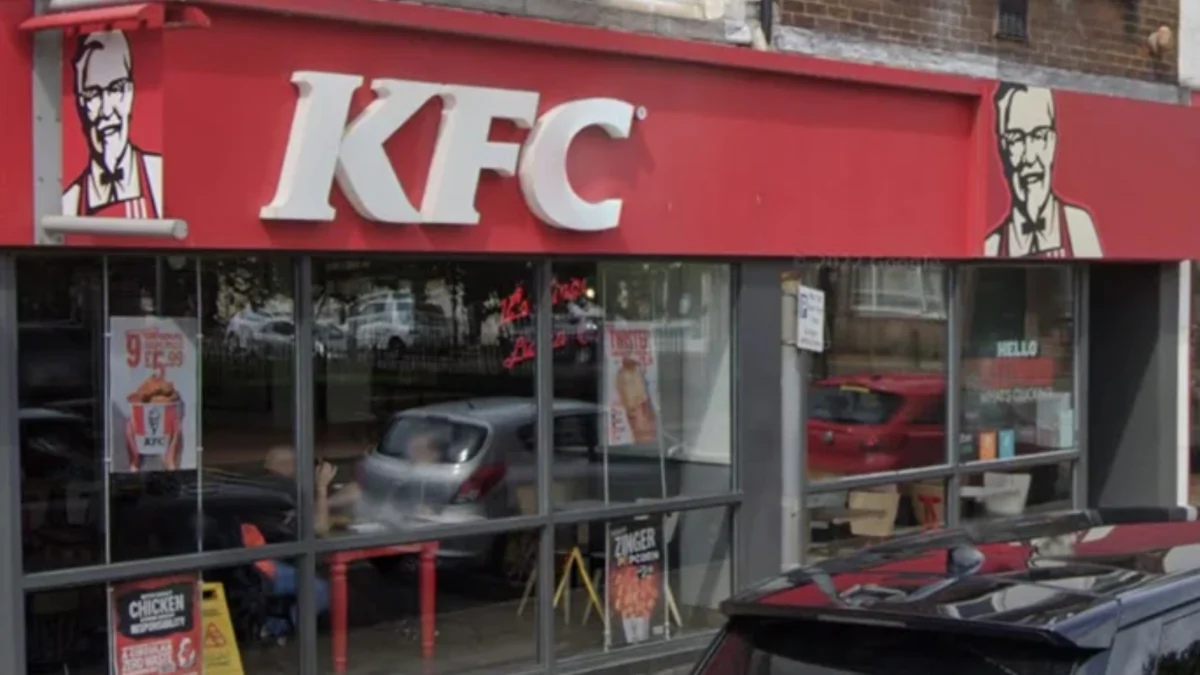
The global animal rights organization People for the Ethical Treatment of Animals (PETA) has officially announced a proposal to acquire a vacant former KFC restaurant in Fleetwood, Lancashire, with the intent of transforming the site into the world’s first Chicken Empathy Museum. The ambitious project seeks to repurpose a space formerly dedicated to the consumption of poultry into an educational center designed to highlight the intelligence, social complexity, and emotional lives of chickens. By replacing deep fryers and service counters with interactive exhibits and historical displays, PETA aims to shift the narrative from commercial exploitation to biological appreciation and ethical consideration.
The targeted property is located on Lord Street, a prominent thoroughfare in the coastal town of Fleetwood. The building, which spans approximately 2,126 square feet across two interconnected retail units, has remained vacant for a significant period following the closure of the KFC franchise. In its previous life, the restaurant accommodated up to 62 diners, serving as a local hub for fast-food consumption. PETA’s vision involves a total overhaul of the interior, stripping away the branding of the multinational fast-food giant and installing a series of exhibits that the organization describes as both educational and provocative.
The Concept of the Chicken Empathy Museum
The proposed museum is designed to serve as a multi-sensory experience for visitors. According to PETA, the primary objective is to foster a sense of connection between humans and chickens, animals that are frequently viewed through a purely industrial lens. The exhibits would focus on the cognitive abilities of chickens, which research has shown include the ability to recognize more than 100 individual faces, understand cause-and-effect relationships, and demonstrate self-control when presented with delayed gratification.
In addition to celebrating the birds’ natural behaviors and social bonds, the museum would also feature more harrowing displays. PETA intends to include authentic slaughterhouse equipment, such as "kill cones" and shackles, to provide a stark look at the industrial processes involved in modern poultry production. This "shock advocacy" approach is a hallmark of PETA’s campaigning style, intended to force a confrontation between the consumer and the origin of their food.
The facility would also serve as a plant-based culinary center. PETA plans to offer a variety of vegan food options on-site, demonstrating that the flavors associated with fried chicken can be replicated using sustainable, plant-derived ingredients. The organization’s chicken mascot—a character that has previously been the subject of high-profile digital campaigns—would also feature prominently as part of the museum’s branding and outreach efforts.
Legal and Real Estate Challenges
Despite the detailed proposal, the project has already encountered significant administrative hurdles. PETA initially reached out to Landwood Property Auctions via a formal letter, inquiring whether the owner of the Lord Street property would be willing to lend or donate the space for educational purposes. Dawn Carr, PETA’s Vice President of Vegan Projects, expressed the organization’s enthusiasm for the site, stating that transforming a location once linked to animal suffering into a place of compassion would be a poetic and practical use of the vacant real estate.
However, Landwood Property Auctions informed the organization that the building was sold during the summer of the previous year. The auction house clarified that it no longer manages the property and advised PETA to consult the UK Land Registry to identify and contact the current private owner. This development places the project in a state of uncertainty, as the new owner’s intentions for the site remain unknown. Whether the current proprietor would be open to a lease agreement with an animal rights group—or if they have their own commercial redevelopment plans—remains the primary obstacle to the museum’s realization.

Local Reaction and Economic Context in Fleetwood
The proposal has drawn a range of reactions from local officials and residents in Fleetwood. The town, like many coastal communities in the United Kingdom, has struggled with the decline of the traditional high street, leading to an increase in vacant commercial properties. The loss of a major brand like KFC often leaves a void that is difficult to fill, particularly in a challenging economic climate.
Councillor Mary Belshaw, representing the local area, has expressed a cautious but open-minded view of the proposal. In an interview with the BBC, Belshaw described the Chicken Empathy Museum as a "novel idea." She noted that from a municipal perspective, an active, unique attraction is often preferable to a derelict storefront. "I would rather have a chicken empathy museum than another large empty property on our high street," Belshaw stated, adding that the unconventional nature of the project could potentially draw tourists to the town, providing a boost to other local businesses.
This sentiment reflects a broader trend in urban planning where "pop-up" museums and experiential attractions are used to revitalize struggling retail districts. While a museum dedicated to chicken empathy may be polarizing, its potential to generate foot traffic and national media attention is a factor that local stakeholders are weighing against the more traditional goal of attracting another retail or dining chain.
PETA’s History of Unconventional Activism
The Fleetwood proposal is the latest in a long history of provocative campaigns orchestrated by PETA. The organization is well-known for its "guerrilla marketing" tactics and its willingness to engage with pop culture and the gaming industry to spread its message. By targeting a former KFC, PETA is leaning into a decades-long rivalry with the fast-food chain, which has been the subject of the organization’s "Kentucky Fried Cruelty" campaign since the early 2000s.
Recent PETA initiatives have included:
- Gaming Industry Outreach: PETA famously petitioned Nintendo to add its chicken mascot to the roster of Super Smash Bros. Ultimate and requested the removal of a cow’s nose ring in Mario Kart 8 Deluxe, citing concerns over the normalization of animal mutilation.
- Digital Guides: Following the viral success of the video game Palworld, which features creature-capturing mechanics, PETA released a "vegan guide" for players who wished to complete the game without harming the digital "Pals."
- Media Challenges: In 2023, PETA publicly urged Sean Evans, the host of the popular YouTube series Hot Ones, to switch from traditional chicken wings to vegan cauliflower or plant-based wings to reflect changing consumer ethics.
These campaigns are designed to generate "earned media"—publicity gained through promotional efforts other than advertising. By proposing a museum in a former fried chicken restaurant, PETA ensures that the conversation regarding animal welfare remains tied to a highly recognizable commercial symbol.
Poultry Production and Consumption Data in the UK
To understand the context of PETA’s mission, it is necessary to examine the scale of the poultry industry in the United Kingdom. According to data from the Department for Environment, Food & Rural Affairs (Defra), the UK slaughters approximately 1.1 billion chickens annually for human consumption. Poultry remains the most popular meat in the country, accounting for nearly half of all meat purchased by households.
However, the industry has faced increasing scrutiny over animal welfare standards and environmental impact. Issues such as "stocking density" (the number of birds kept in a specific area) and the use of fast-growing breeds have been central to debates between animal rights groups and the British Poultry Council. PETA’s museum aims to highlight these industrial realities, contrasting them with the biological potential of the birds when raised in non-industrial environments.

Simultaneously, the UK has seen a significant rise in the "flexitarian" and vegan populations. Market research indicates that roughly 2-3% of the UK population identifies as vegan, while a much larger percentage—up to 25%—claims to be actively reducing their meat intake. This shift in consumer behavior provides the cultural backdrop for PETA’s belief that a museum dedicated to chicken empathy could find a receptive audience.
Analysis of Potential Implications
If PETA successfully secures the Lord Street site, the Chicken Empathy Museum would represent a significant shift in the use of public commercial space. It would be a rare example of a "permanent" protest installation—a site where the medium (the building) is as much a part of the message as the content inside.
From a sociological perspective, the museum could serve as a case study in "moral shocks," a term used by researchers to describe how social movements use vivid imagery to recruit members or change public opinion. However, the inclusion of graphic slaughterhouse equipment in a high-street location could also face opposition from residents concerned about the appropriateness of such displays for children or the general public.
Furthermore, the project highlights the ongoing tension between global corporate interests and local activism. For PETA, the museum is a victory over the legacy of factory farming. For the town of Fleetwood, it is a potential economic catalyst. For the poultry industry, it is a direct challenge to their social license to operate.
Future Outlook
The immediate future of the Chicken Empathy Museum depends entirely on PETA’s ability to track down the current owner of the former KFC building. The UK Land Registry process can be time-consuming, and there is no guarantee that the owner will be sympathetic to PETA’s cause. If the owner intends to reopen the site as a restaurant or convert it into residential units, PETA may be forced to look for an alternative location.
Regardless of whether the museum opens on Lord Street, the proposal itself has succeeded in its secondary goal: generating a national conversation about the ethics of food production and the repurposing of urban spaces. As the organization continues its search for the property owner, the vacant KFC in Fleetwood stands as a silent monument to a larger cultural debate regarding the relationship between humans and the animals they consume.



 Yuyun Lusiyani
 Joko Widodo
 Eva Lovia
 admin
admin
 Lina Irawan