
 Eva Lovia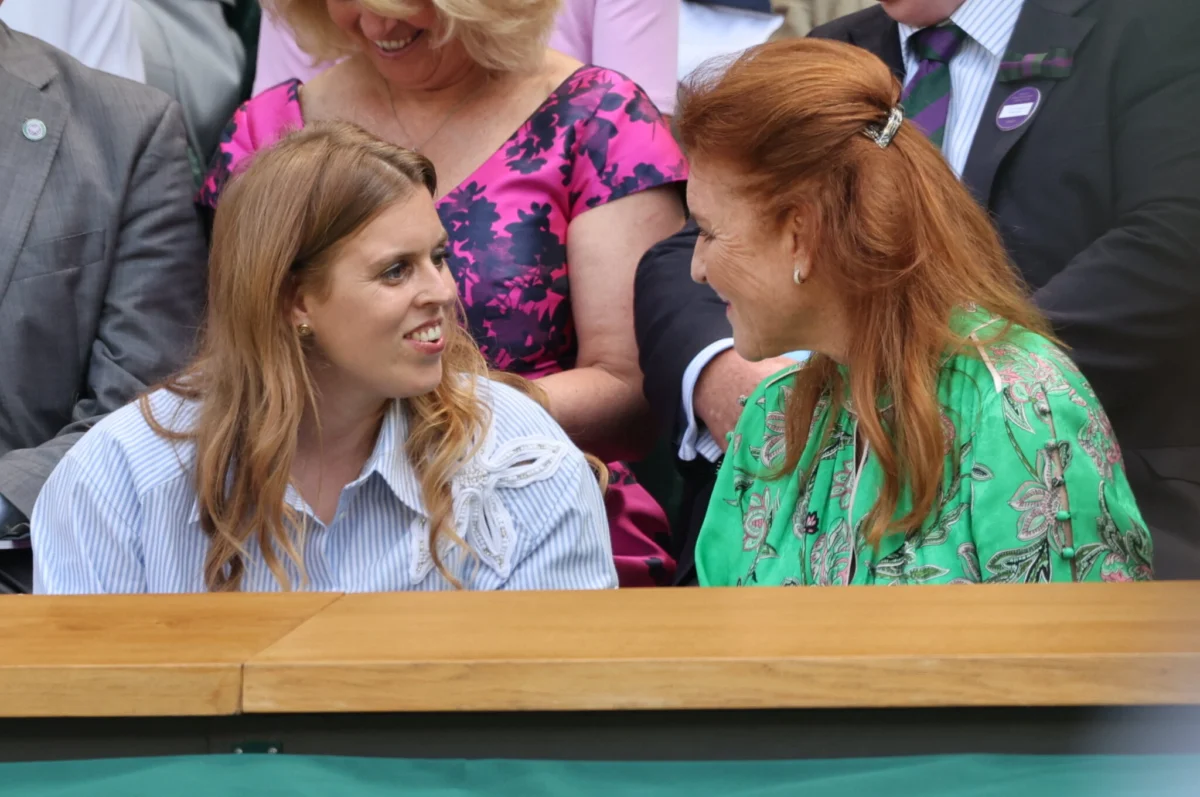
Princess Beatrice and Princess Eugenie, the daughters of Prince Andrew and Sarah Ferguson, continue to hold their esteemed royal titles of HRH and Princess, a distinction that underscores the complex and evolving nature of royal privilege within the British monarchy. This retention of their titles stands in stark contrast to the recent stripping of their father’s ducal and princely honours, a move that signals a significant recalibration of Prince Andrew’s public standing and his relationship with the Crown. While the princesses’ public profiles may be less prominent than in previous years, their inherited titles remain unchanged, a testament to a long-standing tradition rooted in royal lineage and monarchical prerogative.
The Foundation of Royal Titles: A Historical Perspective
The titles held by Princess Beatrice, ninth in line to the throne, and Princess Eugenie, twelfth in line, trace their origins back to specific Letters Patent issued by King George V in 1917. This foundational decree established that all legitimate grandchildren of a monarch in the male line would be styled as HRH, Prince, or Princess. As grandchildren of Queen Elizabeth II, both Beatrice and Eugenie automatically qualified for these designations upon their births in 1988 and 1990, respectively. This established a precedent that their parents, Prince Andrew and Sarah Ferguson, chose to follow, allowing their daughters to bear regal titles from birth.

A Timeline of Royal Honours and Repercussions
The current situation is largely shaped by events that unfolded in November of the previous year. Prince Andrew and Sarah Ferguson voluntarily relinquished their royal honours. This personal decision preceded an official announcement from King Charles III, who formally requested the removal of Prince Andrew’s titles – Duke of York, Earl of Inverness, and Baron Killyleagh – from the Roll of Peerage. Furthermore, King Charles issued Letters Patent that revoked Prince Andrew’s HRH status and his title of Prince.
While Prince Andrew and Sarah Ferguson have consequently ceased to use their honorifics, their daughters, Princess Beatrice and Princess Eugenie, have retained theirs. This distinction highlights that while royal titles are often inherited, their continuation is ultimately subject to the reigning monarch’s discretion. The King’s decisive action regarding his brother serves as a potent reminder that the granting and continuation of royal status are not immutable rights but rather privileges bestowed and maintained by the sovereign.
The Monarch’s Prerogative: The Power of Letters Patent
The ability of the reigning monarch to alter the status of royal titles is a significant aspect of the British constitution. King Charles III’s decision to issue Letters Patent removing Prince Andrew’s HRH and princely titles demonstrates this power in practice. Should His Majesty deem it appropriate, he possesses the authority to issue fresh Letters Patent that could, in theory, alter or revoke the titles of Princess Beatrice and Princess Eugenie. This power extends to any individual holding a title derived from King George V’s 1917 Letters Patent, underscoring the dynamic nature of royal precedence and the ultimate authority of the Crown.

Succession to the Throne: A More Entrenched Position
While the retention of their titles remains a matter of royal prerogative, the princesses’ positions within the line of succession to the throne are governed by different constitutional mechanisms. Prince Andrew, despite the removal of his titles, remains eighth in line to the throne. Removing him from this line of succession would necessitate an Act of Parliament and, crucially, the agreement of all the Commonwealth realms where King Charles III is the monarch.
Recent political sentiment in Canada, Australia, and New Zealand has indicated a willingness among leading politicians to support such a removal, particularly following Prince Andrew’s arrest and subsequent investigation into alleged misconduct in public office. The intensified scrutiny surrounding his past activities and associations has seemingly eroded any remaining political capital he might have held in these realms regarding his position in the succession.
The Shadow of Scandal and its Impact on the House of York
The circumstances surrounding Prince Andrew have cast a long shadow over the entire "House of York." His former residence at Royal Lodge, a sprawling thirty-room mansion in Windsor Great Park, was searched by officers investigating the allegations. Prince Andrew had vacated this residence at the end of January, surrendering the lease on the property, which is part of the Crown Estate. He has since relocated to a smaller residence on the Sandringham estate, the King’s personal property in Norfolk. This new Norfolk home was also subjected to a search by investigators as part of the ongoing probe.

The princesses’ attendance at Christmas gatherings with the Royal Family was widely interpreted as a clear signal of their solidarity with the institution and their decision to support the Crown during a period of intense familial disgrace. However, the long-term implications for their own royal standing, while currently secure, remain a subject of ongoing observation as the fortunes of the House of York continue to be shaped by these significant events. The intricate web of royal titles, succession, and public perception ensures that the future trajectory of the York family within the monarchy remains a topic of considerable interest.
The Broader Implications: Royal Status and Public Duty
The contrasting fates of Prince Andrew and his daughters highlight a crucial distinction between personal titles and positions within the line of succession. While the former can be influenced by monarchical decree and public scandal, the latter are more deeply entrenched in constitutional law. The events of the past year have served to reinforce the monarch’s ultimate authority over the bestowal and removal of royal titles, a power that can be wielded to uphold the dignity and integrity of the Crown.
For Princess Beatrice and Princess Eugenie, their continued status as HRH and Princess offers a degree of continuity amidst the upheaval. However, their public roles and the extent to which they engage in official duties are likely to be carefully managed, reflecting the desire to distance the active monarchy from the controversies surrounding their father. The coming years will undoubtedly see a continued evolution in how the British Royal Family navigates the complexities of tradition, public service, and the enduring impact of personal conduct on royal standing. The ability of the monarchy to adapt and maintain public trust will be tested, with the York sisters’ position serving as a focal point in this ongoing narrative.


 Jia Lissa
 Yuyun Lusiyani
 Joko Widodo

 Pevita Pearce