
 Joko Widodo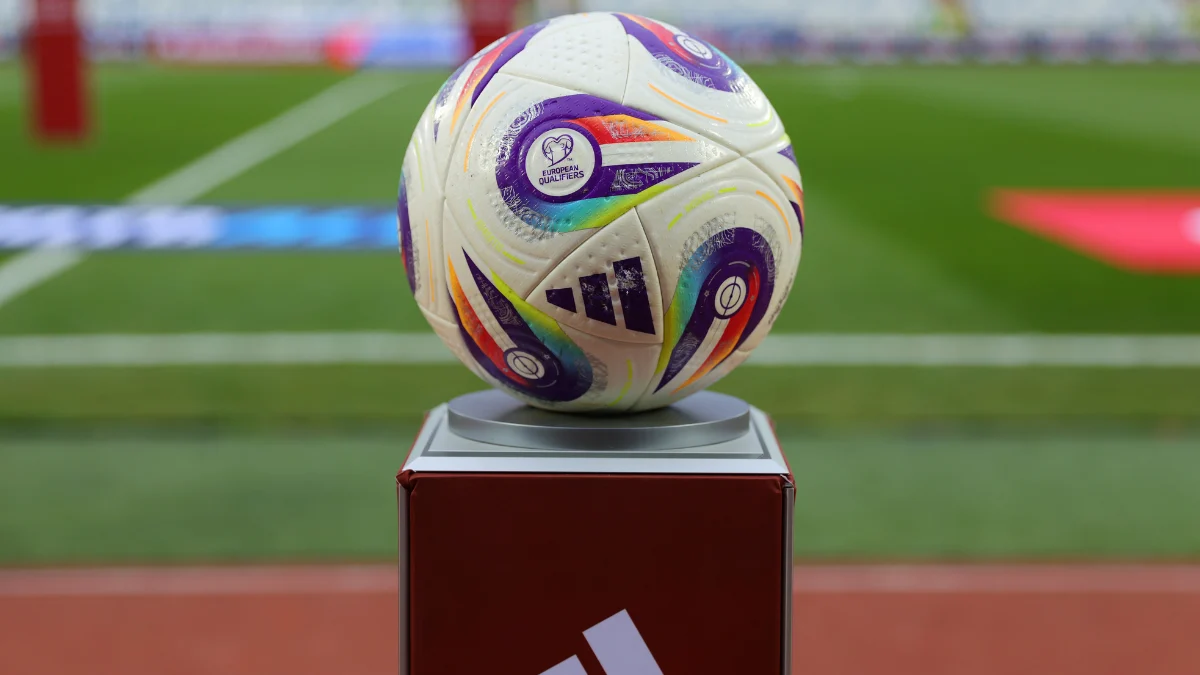
The unified opposition from all 55 UEFA member nations against FIFA’s controversial plan to sell stakes in the World Cup and other major competitions has sent shockwaves through the global football governing body. In a decisive move, UEFA has issued a stark warning, indicating a potential boycott of all FIFA tournaments if President Gianni Infantino proceeds with the proposed venture, known as FIFA Forward Enterprise (FFE). This unprecedented level of solidarity among European footballing powers signals a deep rift and a significant challenge to FIFA’s strategic direction and its relationship with its most influential confederation.
Genesis of the Conflict: A Proposed Commercial Overhaul
The controversy erupted following reports that FIFA, under the leadership of Gianni Infantino, was exploring the possibility of divesting commercial rights linked to its flagship tournament, the World Cup, and potentially other global competitions. The core of the proposal, as understood, involves the creation of a new entity, FIFA Forward Enterprise (FFE), designed to attract private investment. This entity would reportedly oversee the sale of commercial interests, with FIFA aiming to raise an estimated $4.2 billion (£3.1 billion) through these private stakes.
The rationale behind such a move, from FIFA’s perspective, is likely rooted in the desire to secure substantial upfront capital that could be reinvested into football development programs worldwide, potentially accelerating infrastructure projects, grassroots initiatives, and technological advancements. FIFA has often emphasized its commitment to expanding the reach and accessibility of football, and securing significant financial resources is crucial for achieving these ambitious goals. However, the specifics of how these funds would be allocated, the degree of control private investors would gain, and the long-term implications for the integrity and ownership of the World Cup have evidently raised profound concerns among UEFA member nations.
A Swift and Decisive UEFA Response
The swiftness and unanimity of UEFA’s reaction underscore the gravity with which the confederation views FIFA’s proposal. The emergency meeting, convened to address the emerging reports, saw all 55 member nations unequivocally vote to oppose Infantino’s plans. This collective stance was formalized in a statement released by UEFA on Thursday, which left no room for ambiguity.
The official UEFA statement declared: "We unanimously and unequivocally reject FIFA’s proposal to transfer ownership interests in the World Cup and other FIFA competitions to private investors." This strong repudiation highlights a fundamental disagreement over the commercialization of football’s most prestigious assets. The implication is that UEFA perceives the World Cup and other FIFA competitions not merely as commercial products but as intrinsic elements of the global footballing heritage, belonging to the sport and its fans, rather than assets to be parceled off to external stakeholders.
High-Level Representation and United Front
The emergency meeting was attended by key representatives from across Europe, including spokespersons from each national association. Notable attendees included FA chief executive Mark Bullingham and FA chair and FIFA vice president Debbie Hewitt, indicating the high-level engagement and the importance attached to this issue. The presence of individuals holding dual roles within national football associations and FIFA itself underscores the complex dynamics at play and the potential for internal conflict.
Following the vote, the Football Association (FA) of England released a statement reinforcing the collective position. An FA spokesperson stated: "We stand shoulder to shoulder with our European colleagues and fully support the collective view. We oppose FIFA’s plans. The FIFA World Cup belongs to football and always will." This statement from a prominent European footballing nation further solidifies the united front presented by UEFA.
Similarly, a spokesperson from the Scottish Football Association articulated concerns regarding the process, stating: "We agree unequivocally with concerns raised by all members over the manner in which these proposals have been issued, and the deadline set, without a full consultation process or consideration of good governance." This comment points to potential procedural issues, suggesting that UEFA believes the proposals were advanced without adequate transparency, consultation, or adherence to principles of good governance, further fueling their opposition.
The Shadow of a Boycott: Escalating Tensions
The most significant threat emanating from UEFA’s unified stance is the explicit warning of a potential boycott. According to reports from Sky Sports, if FIFA President Gianni Infantino persists with his plans, UEFA member associations are prepared to withdraw from all FIFA tournaments. This represents an extreme measure, capable of crippling FIFA’s global event calendar and significantly undermining its authority and revenue streams.
A boycott by all UEFA nations would have profound implications. It would mean that European powerhouses – including traditional footballing giants like Germany, Brazil (though not UEFA, their absence would be keenly felt), France, Spain, Italy, and England – would not participate in future FIFA World Cups, FIFA Club World Cups, or any other FIFA-sanctioned events. This would drastically diminish the competitive and commercial appeal of these tournaments, potentially leading to a catastrophic loss of viewership, sponsorship, and broadcast revenue for FIFA.
Background and Historical Context
The relationship between FIFA and its continental confederations, particularly UEFA, has historically been characterized by a delicate balance of power. UEFA, representing the wealthiest and most competitive footballing nations, often wields considerable influence within FIFA. Disputes over revenue sharing, tournament formats, and governance have been recurring themes throughout FIFA’s history.
However, the current situation appears to be a significant escalation. FIFA’s previous attempts at commercial restructuring or introducing new revenue streams have often met with resistance, but rarely has the opposition been as unified and as explicit in its threat of a boycott. The current FIFA administration, under Infantino, has pursued a more assertive and ambitious commercial agenda, including exploring the expansion of the Club World Cup and the controversial proposal for a biennial World Cup. These initiatives, while aimed at increasing global football’s reach and revenue, have often been met with skepticism and opposition from established footballing stakeholders.
The structure of FIFA governance itself is a complex web of confederations, national associations, and various committees. UEFA, as the largest and most financially powerful confederation, holds a significant number of votes within FIFA’s Congress, the ultimate decision-making body. A united bloc of 55 nations within UEFA represents a substantial voting bloc that FIFA cannot easily disregard.
Implications and Future Outlook
The immediate implication of UEFA’s stance is a severe challenge to FIFA’s proposed commercial strategy. The $4.2 billion target for private investment is contingent on securing the rights and investor confidence, which would be severely jeopardized by the prospect of a UEFA boycott. This could force FIFA to either abandon its plans, significantly alter them to address UEFA’s concerns, or risk a prolonged and damaging conflict.
From a broader perspective, this dispute highlights fundamental questions about the ownership, control, and commercialization of the sport’s most cherished events. UEFA’s emphasis on the World Cup belonging to "football" suggests a preference for a model that prioritizes sporting integrity and tradition over maximizing private financial returns. This contrasts with what some might perceive as FIFA’s more commercially driven approach.
The lack of a public comment from FIFA addressing UEFA’s decision is notable. This silence could indicate a period of internal deliberation, a strategic pause, or a refusal to engage directly with the threat of a boycott. However, prolonged silence is unlikely to de-escalate the situation.
Potential Scenarios:
- Negotiation and Compromise: FIFA could initiate direct negotiations with UEFA to understand their specific concerns and explore modifications to the FFE proposal. This might involve guarantees regarding investor control, revenue distribution, and the protection of the World Cup’s sporting legacy.
- Stalemate and Escalation: If FIFA remains resolute and UEFA sticks to its threat, the situation could devolve into a protracted conflict, potentially leading to legal challenges, internal political maneuvering within FIFA, and further damage to the global footballing landscape.
- FIFA Reconsidering: Faced with the immense pressure and the potential economic fallout of a UEFA boycott, FIFA might reconsider the feasibility and desirability of the FFE proposal altogether, opting for alternative methods of fundraising or development.
The ultimate outcome will depend on the resolve of both parties and their willingness to engage in constructive dialogue. The unified voice of UEFA serves as a powerful reminder that the confederations are not mere subordinates to FIFA but crucial stakeholders whose consensus is vital for the stability and growth of global football. The coming weeks and months will be critical in determining whether this dispute leads to a damaging schism or a renewed understanding of shared responsibilities and objectives within the world of football. The integrity and future commercial model of the FIFA World Cup, and indeed other FIFA competitions, hang in the balance.



 Jia Lissa
 Yuyun Lusiyani
 Eva Lovia

 Pevita Pearce