
 Lina Irawan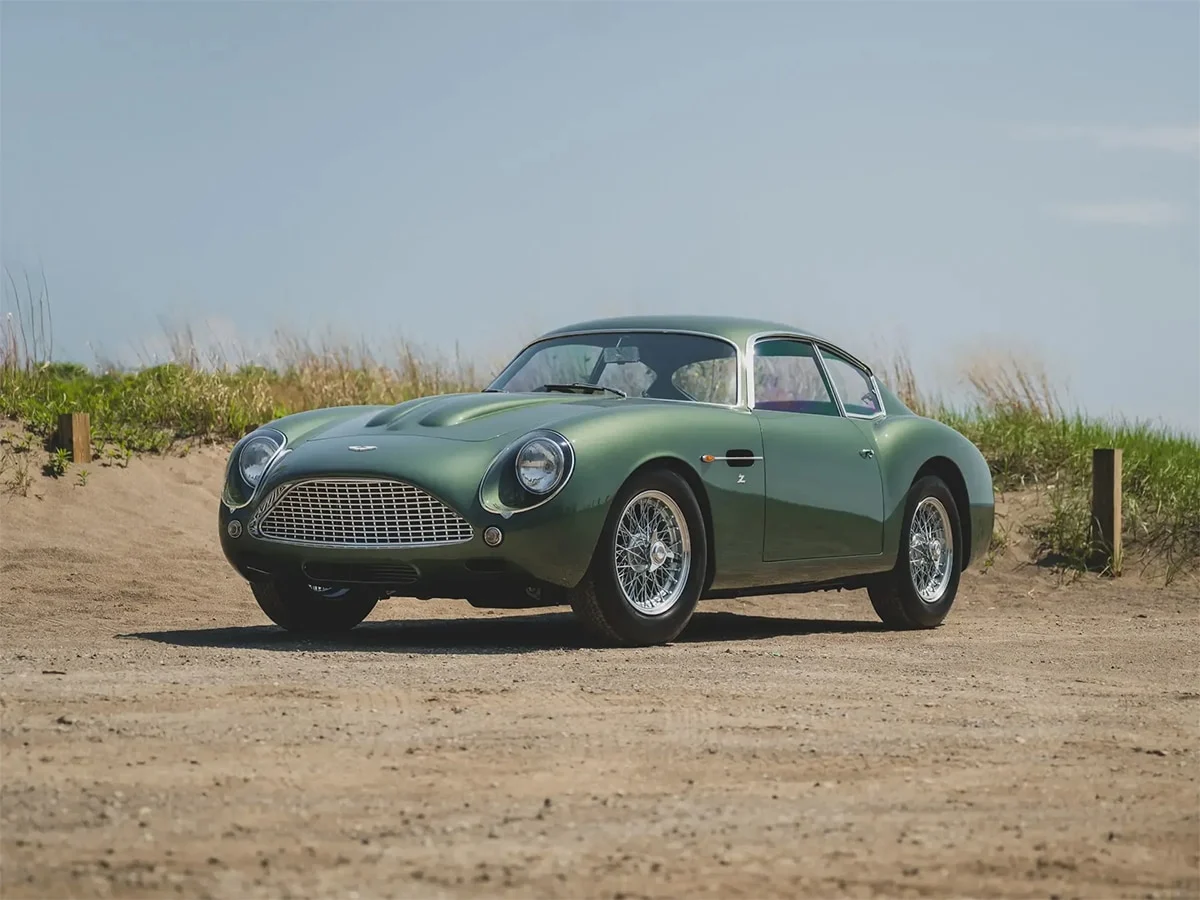
The Monterey Peninsula is poised to reclaim its status as the epicenter of the global automotive market this August, as the 2026 Monterey Car Week prepares to host an unprecedented assembly of historic and rare machinery. While the Pebble Beach Concours d’Elegance remains the week’s aesthetic centerpiece, the surrounding auction stages managed by RM Sotheby’s, Gooding & Company, and Broad Arrow are expected to generate hundreds of millions of dollars in sales. This year’s event is particularly significant as it coincides with the 75th anniversary of the Pebble Beach Concours, a milestone that has encouraged collectors to release long-held "blue chip" assets into the public market.
The 2026 slate is defined by a shift toward vehicles with impeccable provenance and documented competition history. Industry analysts suggest that the total sales across all major auction houses could surpass previous records, driven by a rare convergence of pre-war coachbuilt icons, mid-century endurance champions, and the increasingly dominant sector of 1990s-era "analogue" supercars. As the global collector base expands to include younger, tech-wealthy enthusiasts, the demand for vehicles that bridge the gap between historical significance and modern performance has reached an all-time high.
A Decisive Moment for the Global Collector Market
The auctions scheduled for August 7 through August 16, 2026, arrive at a time of stabilization in the high-end asset market. After several years of fluctuating values, the 2026 Monterey sales are viewed by many as a litmus test for the enduring value of internal combustion masterpieces. The presence of nine-figure total estimates across the various catalogues reflects a confidence in the "top tier" of the market—cars valued at $10 million and above—which has historically remained insulated from broader economic volatility.

The week’s events follow a successful Goodwood Festival of Speed, but Monterey represents a different tier of financial commitment. Here, the focus is less on the spectacle of motion and more on the verification of history. For the 2026 season, the "Big Three" auction houses have curated selections that emphasize "firsts" and "onlys"—the first mid-engine Ferrari prototype, the only Shelby-retained Daytona Coupe, and the first development chassis for the McLaren F1 GTR.
Chronology of Monterey Car Week 2026
The ten-day event follows a traditional progression that builds in intensity and value:
- Friday, August 7: The Monterey Kick-Off in downtown Monterey serves as the public opening, featuring a parade of race cars and local enthusiasts.
- Monday, August 10 – Wednesday, August 12: The Monterey Jet Center and various preview events allow registered bidders to inspect the lots under studio conditions.
- Thursday, August 13: Broad Arrow Auctions begins its primary sessions at the Quail Lodge in Carmel, focusing on a mix of European sports cars and high-concept prototypes.
- Friday, August 14: RM Sotheby’s opens its flagship sale at the Monterey Conference Centre, while Bonhams hosts its long-standing event at the WeatherTech Raceway Laguna Seca.
- Saturday, August 15: The peak of the auction cycle, with headline lots from Gooding & Company and RM Sotheby’s expected to cross the block during evening sessions.
- Sunday, August 16: The 75th Anniversary Pebble Beach Concours d’Elegance concludes the week on the 18th fairway of Pebble Beach Golf Links.
The Endurance Legends: Ferrari, McLaren, and Porsche
The 2026 catalogues are headlined by a trio of endurance racing titans that represent the evolution of the sport over three decades.
The most significant Ferrari to reach the market in years is the 1963 Ferrari 250 P, chassis 0810. With a pre-sale estimate of $15 million to $20 million, this vehicle is the first mid-engine V-12 prototype ever built by Scuderia Ferrari. Its existence fundamentally altered the trajectory of the brand, leading directly to the 250 LM and the legendary P-series racers. Chassis 0810 holds a podium pedigree, having secured second overall at the 12 Hours of Sebring and third at the 24 Hours of Le Mans in 1963. Experts note that the sale of 0810 is a rare opportunity for a collector to acquire a "blueprint" car—a machine that served as the mechanical foundation for an entire era of racing dominance.
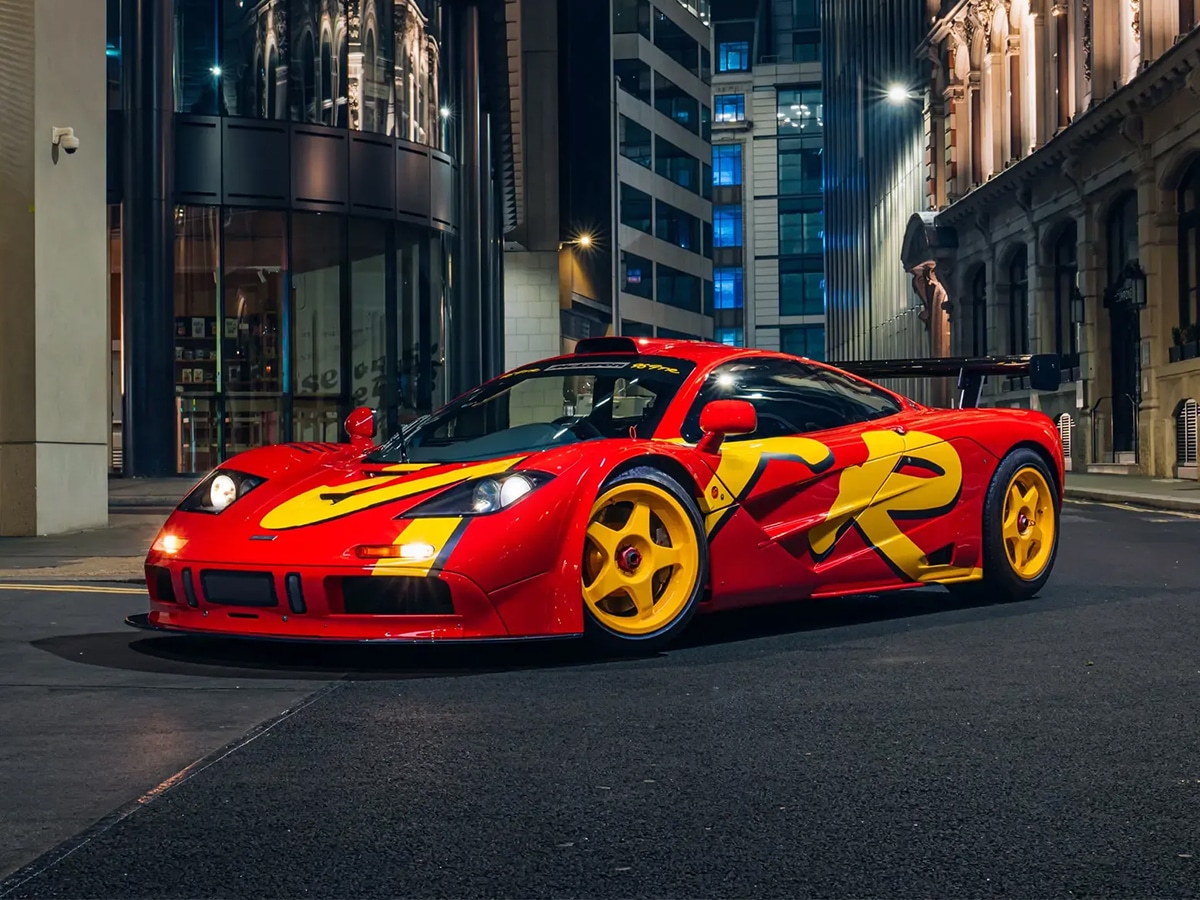
Parallel to the Ferrari is the 1996 McLaren F1 GTR, known as the "Pop Art F1." Estimated at $35 million, chassis 10R was the first GTR built to the 1996 "longtail" aerodynamic specifications. Designed by Gordon Murray and owned for 25 years by Nick Mason of Pink Floyd, the car is a cultural as well as a mechanical icon. The $35 million estimate reflects the current market’s obsession with the McLaren F1, which has surpassed many vintage Ferraris to become the ultimate "holy grail" for modern collectors.
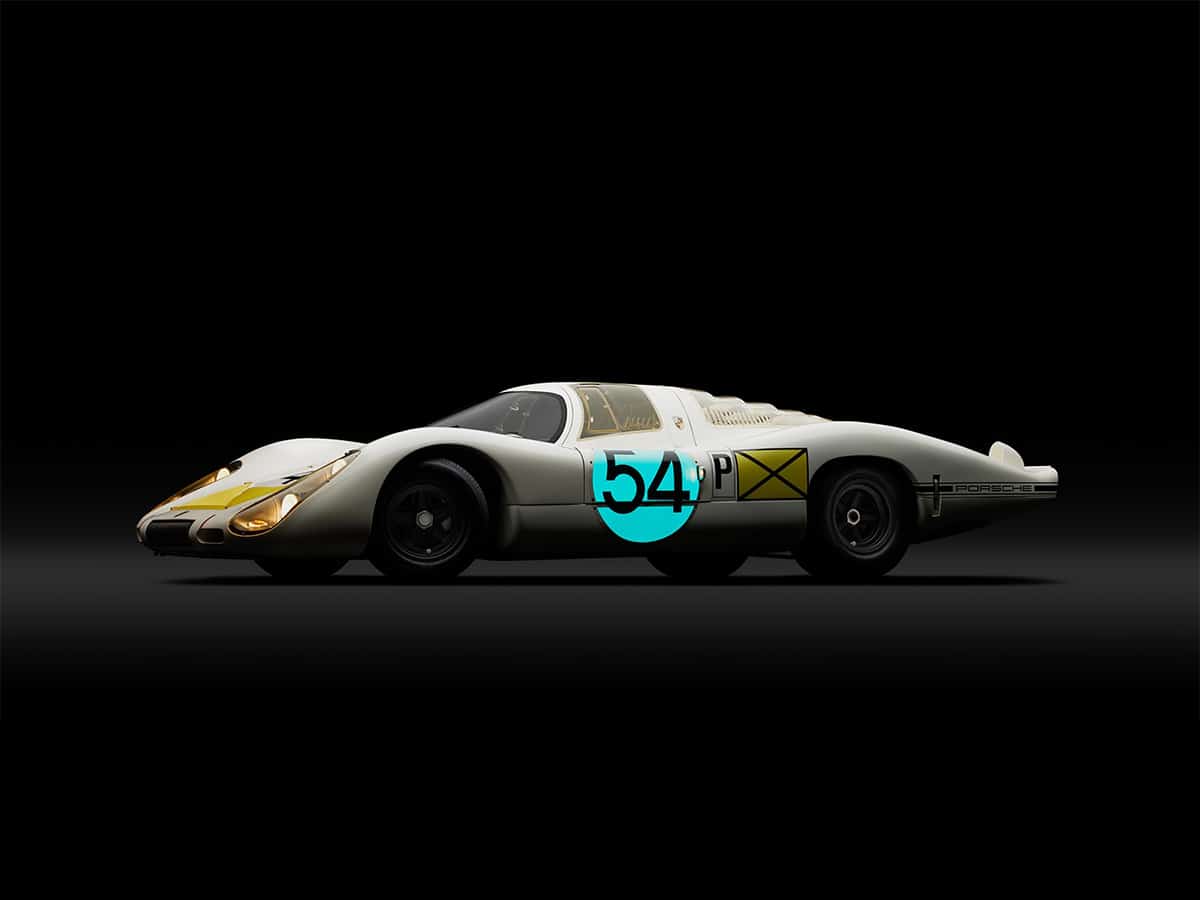
Rounding out the endurance highlights is Jerry Seinfeld’s 1968 Porsche 907 Langheck. Estimated at $4.5 million to $5.5 million, this car (chassis 907-005) was the first Porsche to win a 24-hour race outright, leading a 1-2-3 sweep at Daytona. The car’s provenance is bolstered by a decade-long restoration and its inclusion of the original Rolex Daytona watch awarded to driver Vic Elford.
American Muscle and Secret Programs
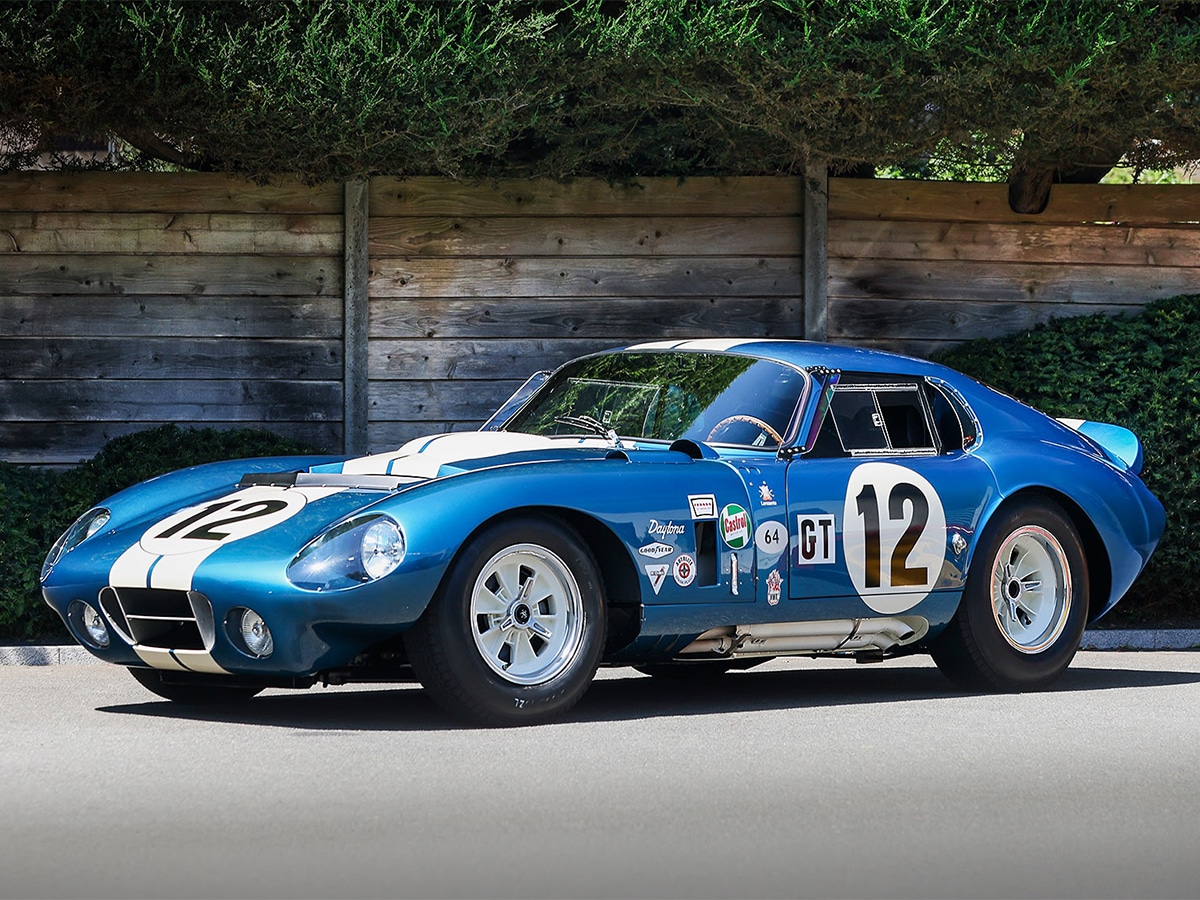
American automotive history is represented by two of the most aggressive racing projects of the 1960s. The 1964 Shelby Cobra Daytona Coupe (chassis CSX2300) is expected to exceed $25 million. As the only example retained by Carroll Shelby himself, its personal connection to the creator adds a layer of value that transcends its racing record. If it meets its estimate, it will become the most expensive American car ever sold at auction, a title currently held by the first Shelby Cobra (CSX2000).
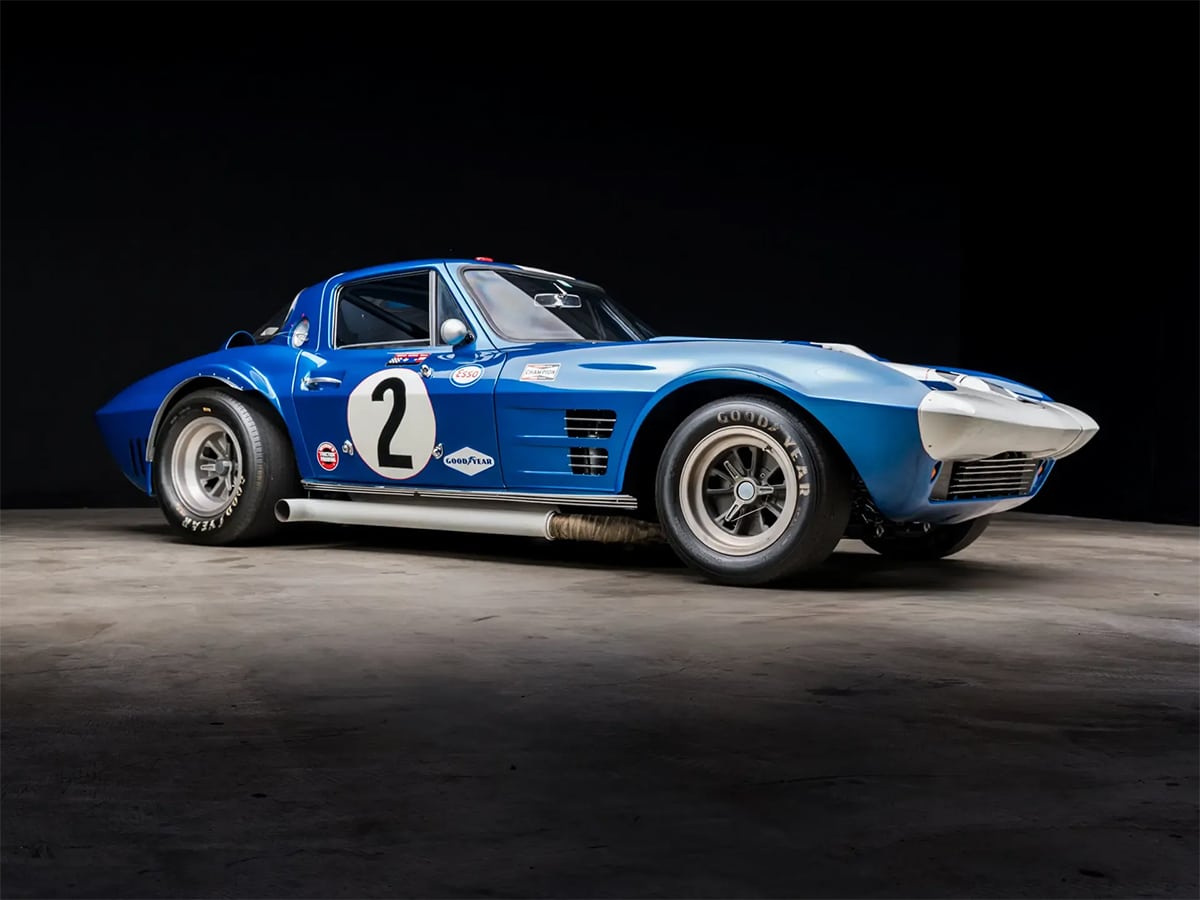
Equally rare is the 1963 Chevrolet Corvette Grand Sport, chassis 003. Born from Zora Arkus-Duntov’s secret plan to circumvent GM’s ban on factory racing, only five were built before the program was terminated. Estimated at $11 million to $13 million, this 550-horsepower, ultra-lightweight machine represents the "what if" of American motorsport history. Its paper-thin fiberglass body and aluminum spaceframe make it a fragile but ferociously fast artifact of the Cold War era of racing.
Hollywood Glamour and International Rarity
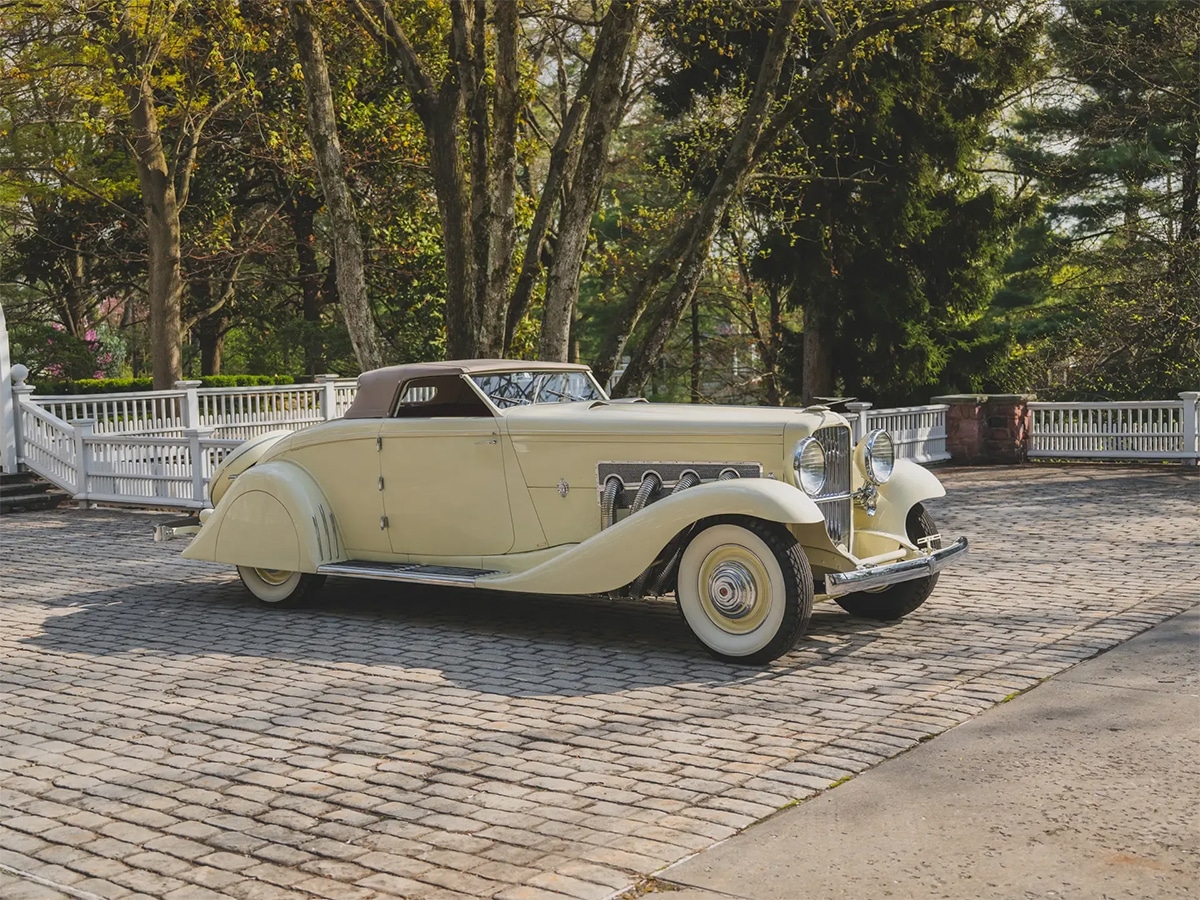
The 2026 auctions also cater to the traditional Concours audience with high-value coachbuilt entries. The 1935 Duesenberg Model JN Convertible Coupe, once owned by Clark Gable, carries an estimate of $5.75 million to $8 million. The car features custom bodywork by Rollston and personal styling touches requested by Gable himself. Its appearance in Monterey highlights the intersection of celebrity culture and the pinnacle of the American "Classic Era."
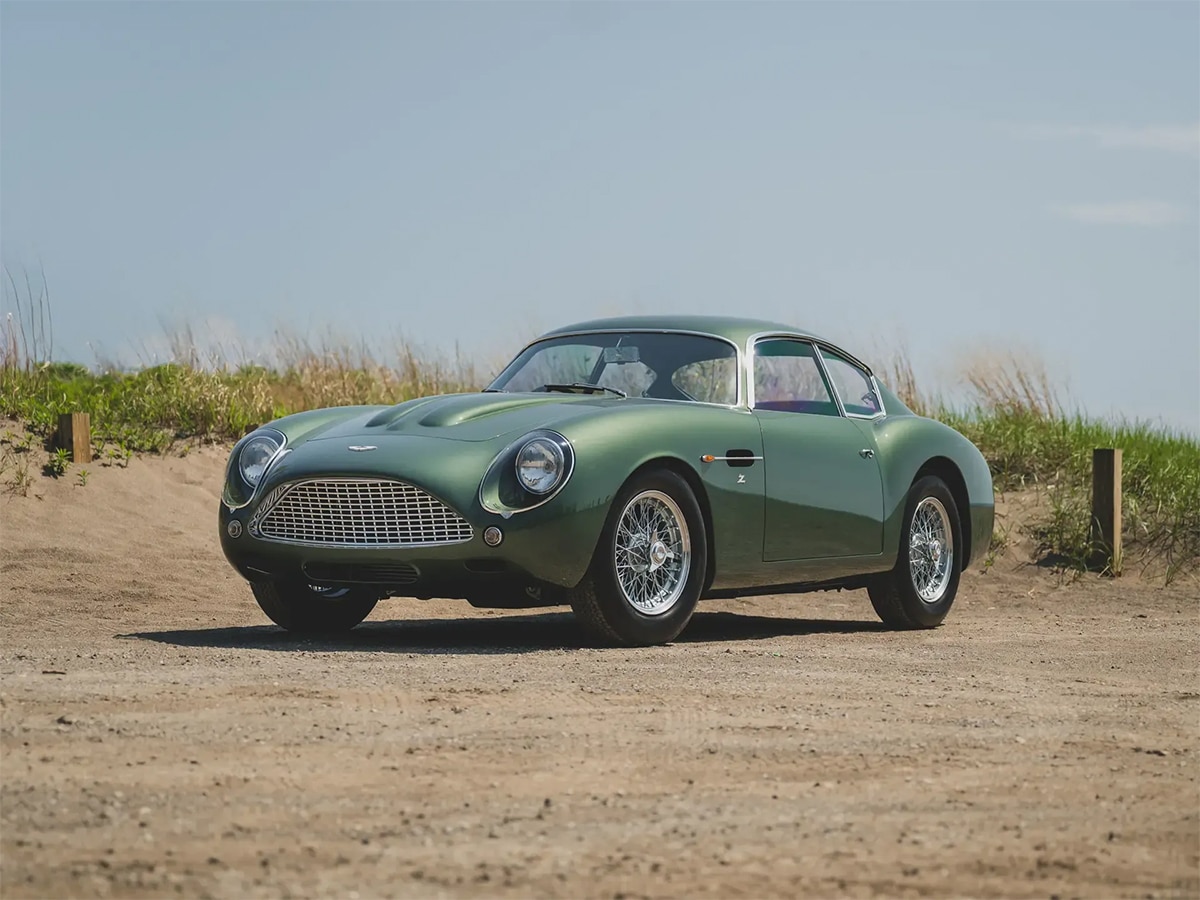
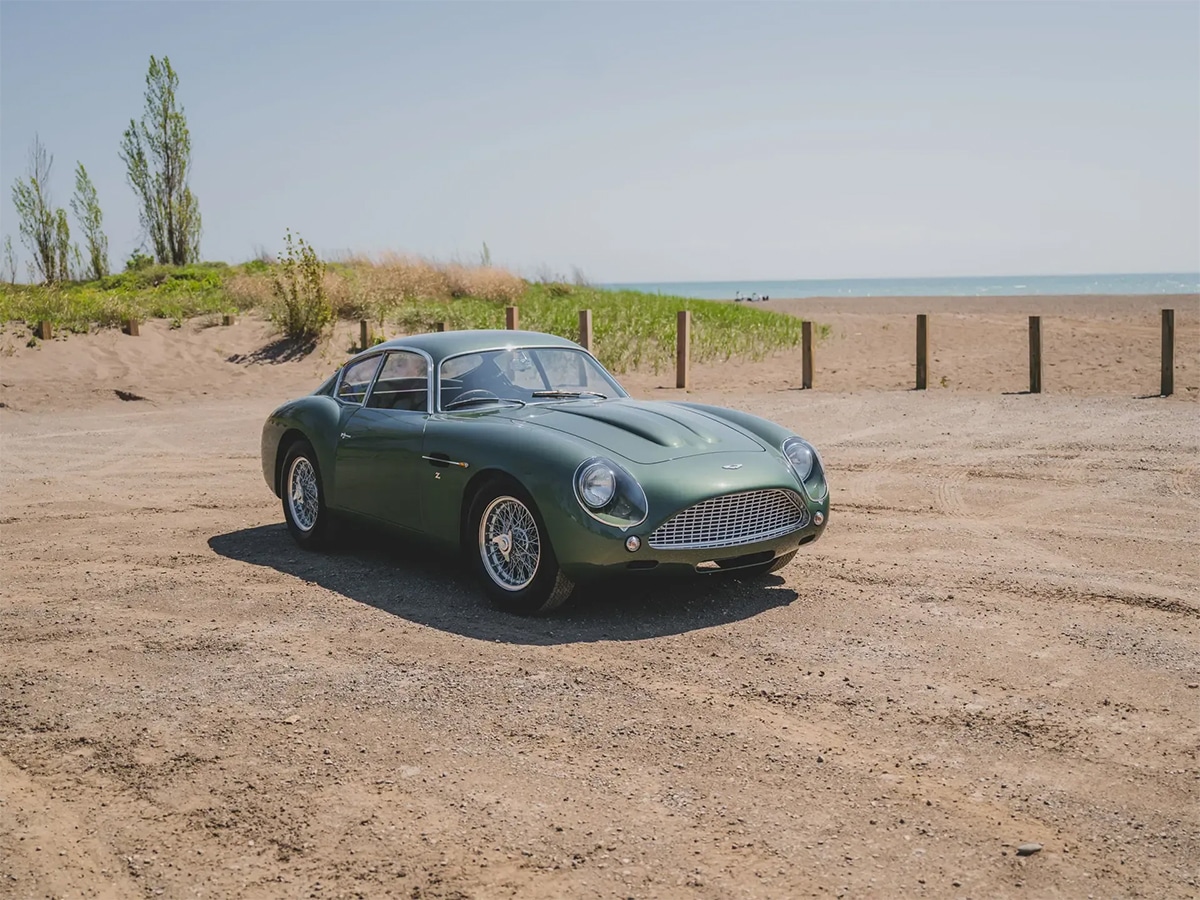
From the European continent comes the 1962 Aston Martin DB4 GT Zagato, chassis 0186/R. As the only example originally delivered to Australia, it carries a unique history of Southern Hemisphere racing dominance under driver Doug Whiteford. With an estimate of $12 million to $15 million, it remains one of the most desirable post-war GT cars in existence, blending British engineering with Italian design.
Technical Curiosities and Concept Designs
Beyond the eight-figure titans, the 2026 auctions feature several lots that offer insight into specific subcultures of automotive history.
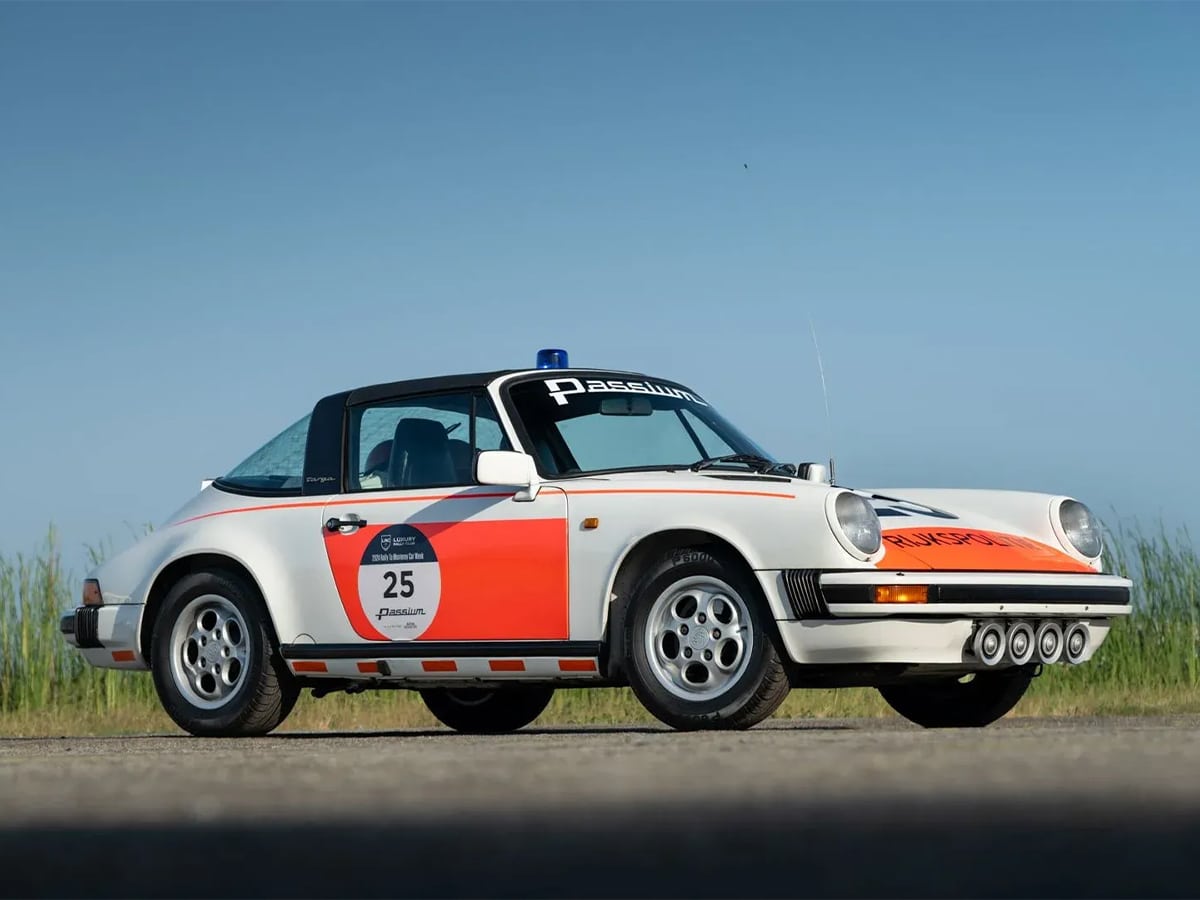
- The 1989 Porsche 911 Carrera Targa "Rijkspolitie": Estimated at $125,000 to $150,000, this authentic Dutch highway patrol vehicle served for five years. It retains its original sirens, radio, and specialized storage for police gear, representing a niche but growing market for "as-delivered" service vehicles.
- The 1970 Pontiac One Concept: This vehicle, designed by Harry Bentley Bradley (the designer of the original Hot Wheels), is a functional concept car that nearly became a GM factory display. Estimated at $200,000 to $250,000, it serves as a bridge between the toy industry and real-world automotive design.
- The 1929 Alfa Romeo 6C 1500 SS "Testa Fissa": A pre-war masterpiece estimated at $1 million to $1.5 million. This car won the 1929 Brooklands Double Twelve and features the rare "fixed head" engine configuration designed for maximum reliability under racing stress.
Market Analysis and Economic Implications
The 2026 Monterey Car Week is occurring against a backdrop of shifting investment strategies. With interest rates stabilizing in major economies, high-net-worth individuals are increasingly looking toward tangible assets. However, the market has become more discerning. "The days of a ‘rising tide lifts all boats’ are over," says one senior specialist at a major auction house. "In 2026, the market is focused on ‘the best of the best.’ A car with a questionable history or a subpar restoration will struggle, while a car like the 250 P or the Shelby Daytona will see fierce competition because they are essentially irreplaceable."
The estimated total for the week across all houses is projected to fall between $450 million and $490 million. This would represent a healthy growth over 2025 and signal a robust appetite for high-end collectibles. Furthermore, the 75th anniversary of the Concours d’Elegance acts as a powerful marketing tool, drawing a record number of international bidders from emerging markets in Asia and the Middle East, who are increasingly interested in the prestige associated with Pebble Beach-provenance vehicles.
Official Responses and Industry Outlook
Representatives from RM Sotheby’s and Gooding & Company have expressed optimism regarding the 2026 catalogue. In a preliminary statement, David Gooding noted that the 2026 selection represents "a decade’s worth of sourcing efforts coming to fruition." The sentiment among collectors is one of cautious excitement; while the prices are daunting, the quality of the machinery crossing the block is considered the highest in a generation.
As the industry looks toward the opening of the gates in August, the 2026 Monterey Car Week stands as a testament to the enduring allure of the automobile. Whether it is a $35 million McLaren or a $125,000 police Porsche, these vehicles are no longer viewed merely as transportation, but as historical documents and works of industrial art. The results of this week will not only set the market for the next year but will also define which eras of automotive history are deemed most significant by the next generation of global custodians.


 Yuyun Lusiyani
 Joko Widodo
 Eva Lovia
 Pevita Pearce
 admin
admin