
 Jia Lissa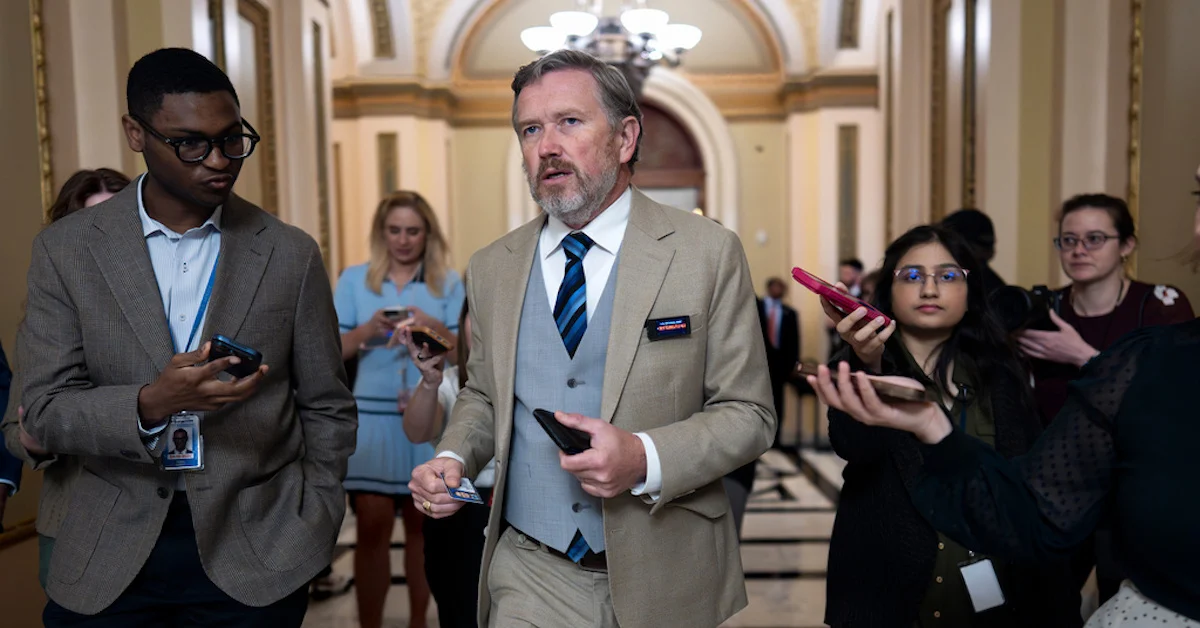
Representative Thomas Massie (R-KY) has intensified his long-standing critique of Republican congressional leadership, accusing the party of failing to capitalize on its current political trifecta. In a series of public statements issued on July 31, 2026, the libertarian-leaning lawmaker highlighted what he described as a "squandered" opportunity, pointing to a legislative calendar that features a remarkably low number of working days leading up to the pivotal 2026 midterm elections. Massie’s remarks come at a time of heightened internal friction within the GOP, as various factions vie for control over the party’s legislative agenda and strategic direction.
The controversy began when Massie took to the social media platform X to share a color-coded congressional schedule, which detailed the remaining "work days" for the House of Representatives. According to Massie’s analysis of the official calendar, there are only eight full work days and eight half-days scheduled before the midterm elections in November. The schedule includes a planned October recess, a standard practice intended to allow members of Congress to return to their districts to campaign, but one that Massie argues is a dereliction of duty given the party’s control of the White House, the House, and the Senate.
"Waiting for y’all to discover Republican leaders in DC have also scheduled an October recess," Massie wrote. "It looks like we’re intent on squandering a majority, until you understand Uniparty IS always the majority."
The Context of the Republican Trifecta
Massie’s criticism was prompted by a social media post from Andrew Kolvet, a spokesperson for Turning Point USA, who emphasized the historical rarity of the current Republican position. Kolvet noted that a Republican "trifecta"—simultaneous control of the executive and both chambers of the legislative branch—has occurred only five times in the last century. This rare alignment of power is often seen by political strategists as a limited window to enact sweeping policy changes before the natural pendulum of American politics potentially shifts during a midterm cycle.
The urgency expressed by Kolvet and echoed by Massie reflects a broader sentiment among the populist and libertarian wings of the party. These groups argue that the "establishment" or "institutional" wing of the GOP is too hesitant to use its power aggressively. Kolvet specifically called for the replacement of Senate Majority Leader John Thune (R-SD), the cancellation of the August recess, and the immediate passage of the SAVE America Act, a piece of legislation focused on election integrity and proof of citizenship for voting.
The SAVE America Act has become a litmus test for many conservative activists. Proponents argue it is essential for securing future elections, while critics within the party and the opposition suggest it targets a problem—non-citizen voting—that is already illegal and statistically rare. The delay in bringing such high-profile bills to a final vote has fueled the "Uniparty" narrative championed by Massie, which suggests that the leadership of both major parties often works in tandem to maintain the status quo and avoid disruptive legislative battles.
Internal Party Dynamics and the 2026 Midterm Outlook
The timing of Massie’s critique is particularly poignant given the current state of House leadership. Speaker Mike Johnson (R-LA) has faced consistent pressure from his right flank since assuming the gavel. The House has recently been entangled in complex negotiations over Homeland Security funding and various appropriations bills, leading to a perceived standstill in the legislative process. For lawmakers like Massie, the sight of a Republican-controlled chamber struggling to pass its own funding priorities while heading into a lengthy recess is a sign of strategic failure.
Historically, the party in power during a midterm election faces significant headwinds. Data from the last several decades suggests that the President’s party almost always loses seats in Congress during the first midterm of a term. With the GOP currently holding slim majorities, any loss of seats could result in the loss of the House or Senate, effectively ending the trifecta and ushering in a period of divided government. This reality forms the basis of the "precious window" argument: that every day not spent passing landmark legislation is a day wasted.
The Massie-Trump Relationship and the Primary Defeat
Representative Massie’s willingness to "roast" his own party leadership may be influenced by his own impending departure from Congress. Massie is currently serving out the remainder of his term after a bruising primary defeat earlier in the year. He was unseated by Ed Gallrein, a candidate who enjoyed the full-throated endorsement of President Donald Trump.
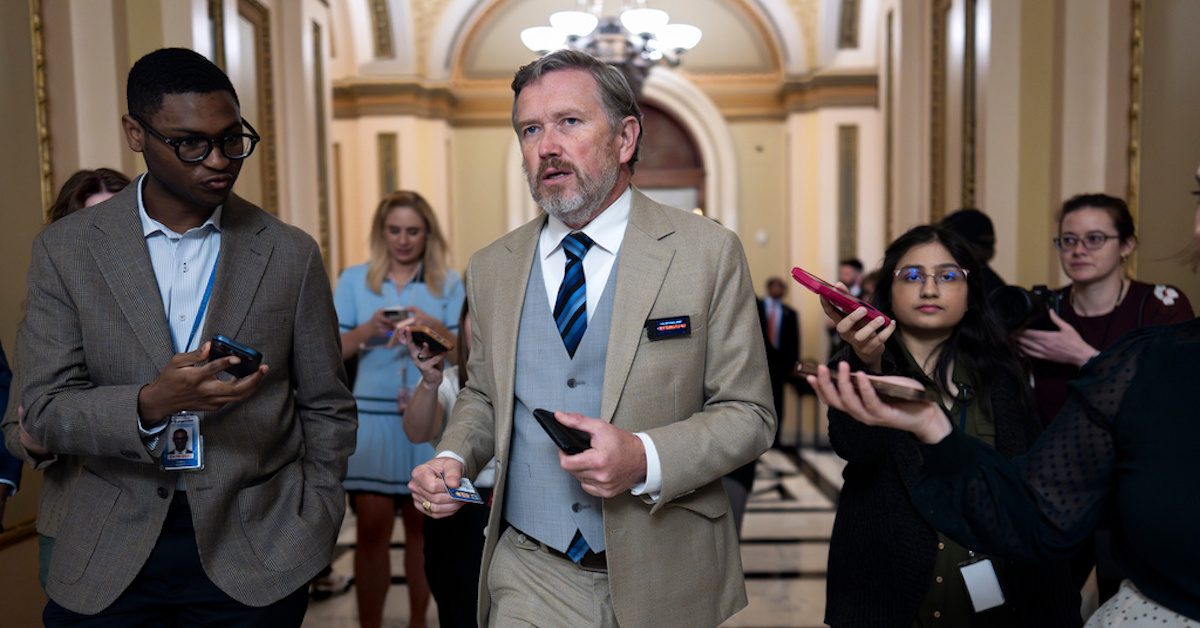
The relationship between Massie and Trump has been fraught with public animosity. Despite Massie’s generally conservative and libertarian voting record, he has frequently broken with the Trump administration and the broader party on specific issues, such as foreign aid, surveillance powers, and fiscal policy. Trump’s criticism of Massie reached a fever pitch in May 2026, when the President labeled him "The Worst Republican Congressman in History" on Truth Social.
Trump’s grievances with Massie were multifaceted, ranging from Massie’s votes against border wall funding and certain tax cuts to his demands for transparency regarding the "Epstein files." In his endorsement of Gallrein, Trump urged Kentucky voters to "vote the bum out," describing Massie as a "true negative force" and a "troublemaker." Massie’s loss in what was described as one of the most expensive House primary races in history has left him with little to lose politically, allowing him to speak more freely against the party hierarchy.
Legislative Productivity and the "Uniparty" Critique
The concept of the "Uniparty" is a central theme in Massie’s political philosophy. It posits that despite the outward appearance of partisan warfare, the leadership of both the Republican and Democratic parties shares an underlying commitment to increasing federal spending, maintaining military interventions abroad, and protecting the interests of the administrative state.
By highlighting the October recess and the limited number of work days, Massie is attempting to provide empirical evidence for this theory. From his perspective, if the Republican leadership were truly committed to a conservative revolution, they would be working through the weekends and canceling recesses to pass the SAVE America Act, finalize border security measures, and drastically cut federal spending. The decision to follow a traditional campaign-heavy calendar is, to Massie, proof that the leadership is more interested in maintaining their own positions than in utilizing their power for substantive change.
Broader Implications for the GOP
The internal criticism leveled by Massie and Turning Point USA highlights a significant challenge for the GOP heading into the 2026 midterms. The party must balance the demands of its base—which expects aggressive legislative action—with the institutional realities of governing with a slim majority.
Speaker Mike Johnson and Senate Leader John Thune must navigate a narrow path. If they push too hard on controversial legislation, they risk alienating moderate members whose seats are essential for maintaining the majority. However, if they fail to deliver on key promises like the SAVE America Act, they risk depressing turnout among the base and fueling the narrative that Republican leadership is ineffective.
Furthermore, the influence of outside organizations like Turning Point USA cannot be understated. These groups have significant reach among younger voters and grassroots activists, and their calls for leadership changes or legislative ultimatums can create real pressure on the floor of the House and Senate.
Chronology of Recent Legislative Friction
The current tension is the culmination of several months of legislative hurdles:
- April 2026: Work in the House comes to a near-standstill as Speaker Mike Johnson and conservative lawmakers clash over Homeland Security funds and international aid packages.
- May 2026: President Trump ramps up his rhetoric against "non-compliant" Republicans, leading to the primary defeat of Thomas Massie in Kentucky.
- June 2026: Debates over the SAVE America Act begin to dominate the conservative media landscape, with activists demanding it be tied to essential spending bills.
- July 31, 2026: Representative Massie releases the congressional calendar on social media, sparking a fresh wave of criticism regarding the party’s work ethic and strategic priorities.
Analysis of the Road Ahead
As the 2026 midterm elections approach, the Republican party finds itself in a paradoxical position. It holds all the levers of power in Washington, yet it remains deeply divided over how to use that power. Thomas Massie’s critique serves as a reminder of the volatility within the conservative movement. While his time in Congress is drawing to a close, the "Uniparty" narrative he championed is likely to persist, especially if the current Republican majority fails to deliver high-profile legislative victories before the October recess.
The coming months will determine whether the GOP can unify its various factions or if the internal "roasting" of leadership will lead to a fractured front at the ballot box. For voters, the question remains whether the limited number of work days cited by Massie will be enough to fulfill the promises made during the last election cycle, or if the "precious window" of the trifecta will indeed be squandered.



 Yuyun Lusiyani
 Joko Widodo
 Pevita Pearce
 admin
admin
