
 Pevita Pearce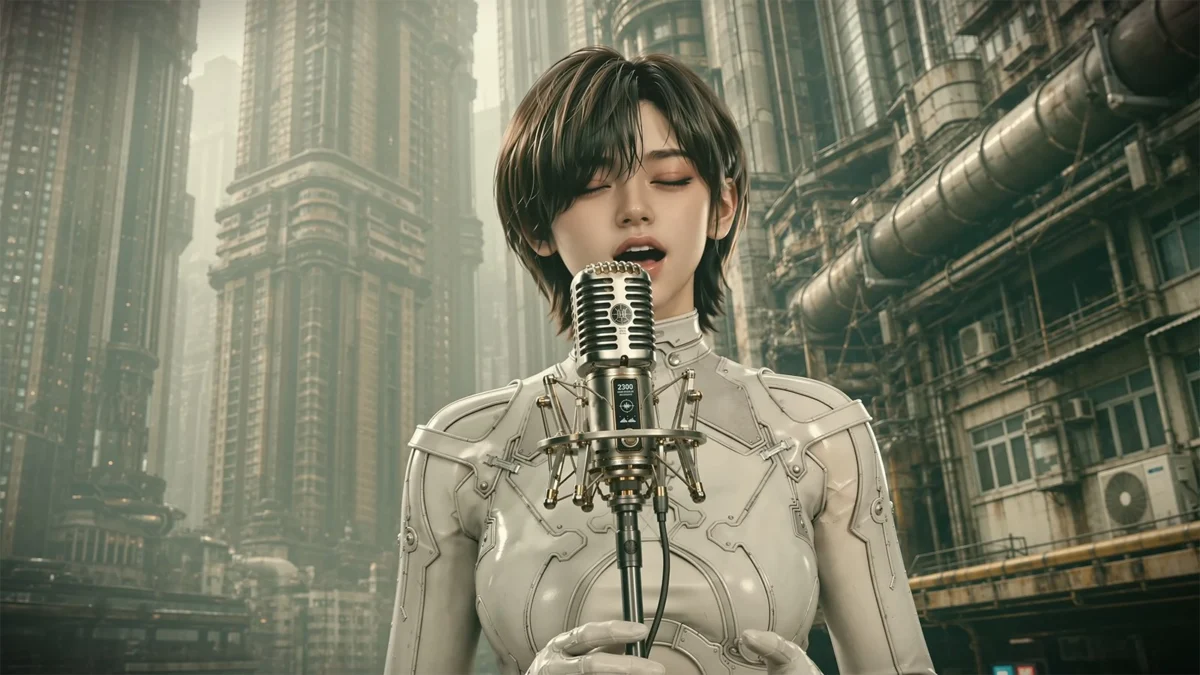
The developer of the critically acclaimed action title Stellar Blade has ignited a significant conversation regarding the role of generative artificial intelligence in high-budget game production following the release of a new music video for its upcoming project, Stellar Blade: Blood Rain. The video, titled "Wanna be in LOVE," serves as a promotional showcase for the sequel’s new protagonist, Evie, yet the focus of the gaming community has shifted rapidly from character design to the controversial methods used to produce the visual content. Director Kim Hyung-tae, who gained international recognition for the aesthetic direction of the original Stellar Blade, shared the video on social media, inviting feedback on a production that explicitly utilizes Shift Up’s internal AI Labs division.
The Release and Technical Disclosures
The three-minute music video follows Evie through a vibrant, neon-drenched urban environment, a setting that mirrors the cyberpunk-inspired aesthetics established in the first game. As the character performs the track, the video concludes with prominent logos for Second Eve Studio and Shift Up’s AI Labs, confirming the involvement of the company’s specialized artificial intelligence department. Furthermore, the upload on YouTube carries an automated disclosure tag, notifying viewers that the content was "altered or fully generated" by AI, a transparency measure recently implemented by the platform to combat misinformation and clarify the origin of digital media.
The reaction from the audience was almost instantaneous, with a significant portion of the fanbase expressing disappointment. Observers quickly identified several "hallucinations" and artifacts common in generative video technology. These included background characters with duplicated or merging limbs, garbled text on environmental signage that failed to form coherent Korean or Chinese characters, and subtle but distracting "morphing" of Evie’s facial features between different camera angles. These technical inconsistencies led to a polarizing reception on platforms like X (formerly Twitter) and Reddit, where critics characterized the output as lacking the artisanal polish typically associated with Kim Hyung-tae’s meticulously crafted character designs.
Chronology of Shift Up’s AI Integration
The decision to utilize generative AI for Stellar Blade: Blood Rain’s marketing is not an isolated incident but rather the culmination of a strategic pivot within Shift Up that has been visible for several years.
- Early 2021: During the mid-development phase of the original Stellar Blade (then known as Project Eve), Shift Up began exploring automated rigging and animation tools to accelerate the production of its high-fidelity character models.
- January 2024: Director Kim Hyung-tae made headlines during a press tour by advocating for the efficiency of AI. He argued that the technology could allow a single developer to perform the workload of 100 people, framing AI not as a replacement for creativity but as a force multiplier for a studio’s vision.
- April 2024: Stellar Blade launched on the PlayStation 5 to commercial and critical success, selling over one million units in its first two months. The success solidified Shift Up’s position as a major player in the global market.
- June 2024: The reveal trailer for Stellar Blade: Blood Rain was released. While visually impressive, it faced initial scrutiny from eagle-eyed fans who suspected that certain environmental assets and background animations were AI-assisted.
- Current Event: The release of "Wanna be in LOVE" marks the first time the studio has overtly branded a major promotional piece as an AI-generated product, sparking a broader debate on the ethics and quality of AI in the AAA gaming space.
Technical Analysis: The "Uncanny Valley" and Generative Artifacts
The controversy surrounding the music video highlights a growing tension between studio efficiency and consumer expectations for "hand-crafted" art. In the case of "Wanna be in LOVE," the AI-generated nature of the video resulted in several specific technical lapses that fans cited as detrimental to the immersion of the Stellar Blade universe.
In digital art, the "Uncanny Valley" refers to the point where a humanoid object looks almost—but not quite—human, causing a feeling of unease in the viewer. Critics argue that the generative video tools used by Shift Up’s AI Labs struggle with temporal consistency, meaning that the details of a character’s face or clothing change slightly from frame to frame. In a game franchise where the protagonist’s appearance is a central selling point, these fluctuations are particularly noticeable.
Supporting data from the digital entertainment industry suggests that while AI can reduce the cost of rendering by up to 60%, the "cleanup" phase—where human artists must fix AI errors—can often negate these savings if the initial output is too disorganized. The presence of garbled text in the background of the video suggests that the production bypassed this human-led refinement stage, leading to the "slop" characterization provided by some critics.
Official Stance and Industry Context
Shift Up has remained firm in its trajectory despite the mixed reception. Director Kim Hyung-tae’s public request for thoughts on the video indicates a desire to gauge the "tolerance threshold" of the audience for AI-generated content. This strategy aligns with other industry leaders who are pushing for the normalization of AI in game development.
Tim Sweeney, CEO of Epic Games and the creator of the Unreal Engine (which powers Stellar Blade), has been a vocal proponent of AI integration. Sweeney has previously criticized platforms like Steam for their cautious approach to AI-generated assets, suggesting that as long as the final product is functional and engaging, the tools used to create it should be secondary. Similarly, major publishers like Ubisoft and Electronic Arts have recently unveiled "Neo NPC" and "generative scriptwriting" initiatives, signaling a broader industry shift toward automation to combat the skyrocketing costs of AAA game development.
The economic pressure on Shift Up is also a factor. Following the studio’s successful Initial Public Offering (IPO) on the Korea Exchange, the company is under increased scrutiny from investors to maintain high margins and frequent content releases. AI offers a pathway to scaling production without the linear increase in headcount that traditionally accompanies large-scale sequels.
Broader Implications and Fan Sentiment
The backlash to the Evie music video underscores a unique challenge for Shift Up. Unlike many other developers, Shift Up’s brand is built heavily on the personal artistic reputation of Kim Hyung-tae. As a renowned illustrator, Kim’s "human touch" is what many fans believe justifies the premium price point of the studio’s titles. By delegating the portrayal of a new heroine to an algorithm, some fans feel that the studio is diluting its core value proposition.
Professional reactions from the concept art community have also been wary. Many artists argue that when a major studio utilizes AI for public-facing marketing, it sets a precedent that devalues the work of storyboard artists, animators, and cinematographers. There are also ongoing legal concerns regarding the datasets used to train these AI models; if the AI was trained on copyrighted works without permission, it could lead to future litigation—a risk that many Western studios are currently trying to navigate through internal, "clean" AI datasets.
Future Outlook for Stellar Blade: Blood Rain
As Shift Up continues development on Stellar Blade: Blood Rain, the studio faces a crossroads. The data from this music video release suggests that while a segment of the audience is indifferent to the tools used, a vocal and influential core of the fanbase views generative AI as a step backward in quality.
The implications for the final game are significant. If Shift Up utilizes similar generative techniques for in-game cinematics or environmental textures, it may face continued scrutiny regarding the "soul" and "authenticity" of its world-building. However, if the studio uses the feedback from this music video to refine its AI pipeline—perhaps by implementing more rigorous human oversight and manual "over-painting"—it could potentially pioneer a hybrid model of development that satisfies both efficiency requirements and aesthetic standards.
For now, the "Wanna be in LOVE" music video stands as a landmark moment in the transition of AI from a behind-the-scenes experimental tool to a front-and-center marketing instrument. Whether this move will bolster Shift Up’s reputation as a tech-forward innovator or alienate the fans who fell in love with the hand-drawn precision of its earlier works remains to be seen. The discourse surrounding Evie’s debut serves as a microcosm of the larger tensions currently defining the intersection of technology, art, and commerce in the global gaming industry.



 Yuyun Lusiyani
 Joko Widodo
 Jia Lissa
 admin
admin
