
 Joko Widodo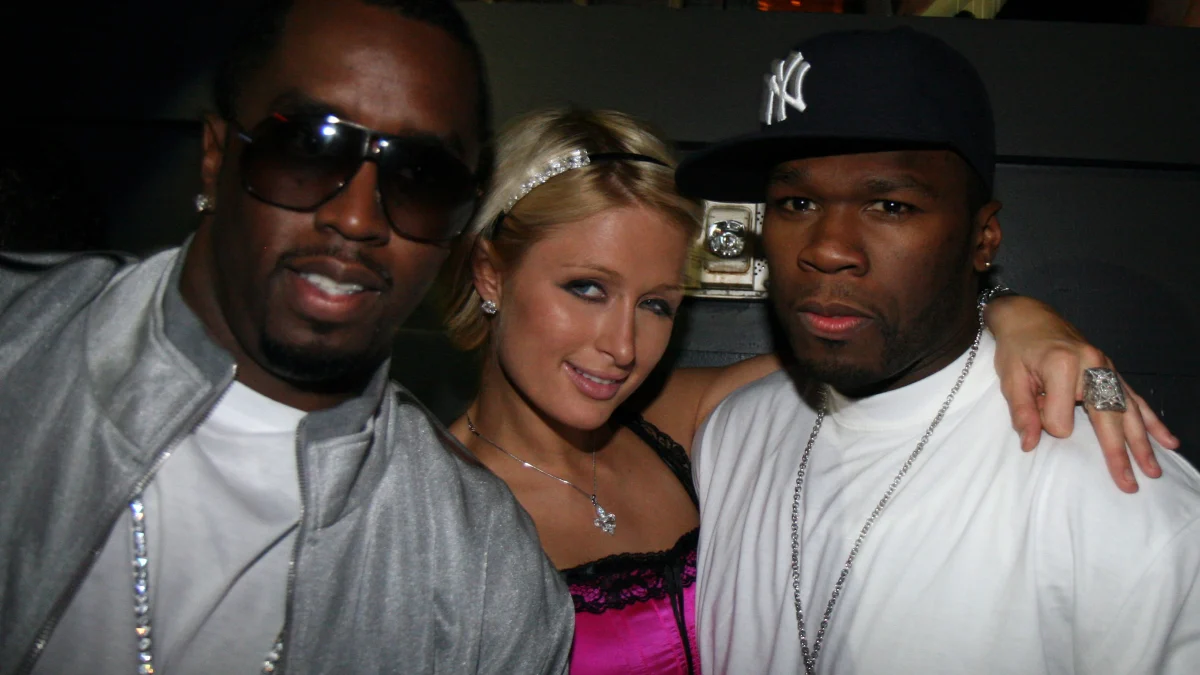
Rapper and entrepreneur Curtis "50 Cent" Jackson has reignited public discussion surrounding Sean "Diddy" Combs, offering a provocative new perspective on the silence that surrounded the music mogul for years. In a recent interview with GQ, Jackson posited that Combs was never truly hidden from public scrutiny, but rather his alleged transgressions were conspicuously apparent, yet largely ignored by the hip-hop industry due to its pursuit of financial gain and aspirational success. Jackson’s comments come in the wake of the federal investigation and subsequent legal troubles faced by Combs, and in the context of the Emmy-nominated Netflix docuseries "Sean Combs: The Reckoning," which Jackson executive produced.
Jackson’s theory centers on what he perceives as a pervasive culture within hip-hop that prioritizes financial prosperity and industry aspiration over ethical considerations or a willingness to confront uncomfortable truths. He articulated this viewpoint by stating, "He wasn’t in the closet. He was, like, in the hallway where you could see that there’s something going on, but you just don’t know what exactly to say." This analogy suggests that Combs’ alleged behaviors were not clandestine but rather exist in a liminal space, observable but unaddressed, a dynamic Jackson attributes to the industry’s financial incentives.
The rapper elaborated on this notion, explaining, "And in hip-hop, it follows aspiration. As long as you’re financially in a spot where they aspire to you, they won’t be sure if they don’t like what your choices are. They’ll look and go, ‘Well, maybe.’ You know? So they didn’t say anything about it." This suggests a transactional relationship where the allure of wealth and the desire to emulate success could overshadow any moral or ethical reservations individuals might have harbored about Combs’ alleged conduct.
A History of Public Scrutiny and Speculation
50 Cent has been a vocal critic of Sean "Diddy" Combs for many years, often using social media and public statements to express his suspicions and criticisms. This long-standing feud has frequently placed both artists in the public eye, fueling speculation and debate within the entertainment industry and among fans. Jackson’s latest remarks represent a significant articulation of his long-held beliefs, providing a more detailed framework for his observations.
The context for these recent comments is particularly charged. Sean "Diddy" Combs has been facing intensifying legal scrutiny. In March 2024, federal agents executed search warrants at his Los Angeles and Miami homes as part of a federal sex trafficking investigation. This investigation followed a series of civil lawsuits filed against Combs, including one by his former partner Cassie Ventura, who alleged widespread abuse and trafficking. While Combs has denied many of the allegations, the legal proceedings have brought renewed attention to his past and the environment surrounding his business dealings.
"The Reckoning": Examining the Mogul’s Influence
The docuseries "Sean Combs: The Reckoning," which Jackson executive produced, serves as a crucial backdrop to his recent interview. The four-part series, released in December 2023, delved into the accusations and controversies surrounding Combs, exploring his rise to prominence in the music industry and the allegations that have since surfaced. The project itself was nominated for multiple Emmy Awards, including Outstanding Documentary or Nonfiction Series, Outstanding Directing for a Documentary/Nonfiction Program, and Outstanding Picture Editing for a Nonfiction Program. The series’ critical acclaim and Emmy nominations underscore the significant public interest in understanding the narrative around Combs.
Jackson’s involvement in "The Reckoning" suggests a deep engagement with the subject matter and a desire to bring these narratives to a wider audience. His interview comments can be seen as an extension of the themes explored in the documentary, offering his personal interpretation of why the industry remained largely silent for so long. He recalled personal discomfort around Combs, stating, "I would always say… I’m not with that. I don’t like the boy’s vibes. He just was a little more touchy." This personal unease, coupled with his broader theory about industry dynamics, paints a picture of a calculated, yet observable, pattern of behavior that was tolerated due to Combs’ immense success.
Financial Ascendancy and Industry Complicity: A Deeper Dive
Jackson’s assertion that "hip-hop… follows aspiration" and that financial success can blind individuals to unethical conduct is a critique that resonates beyond the specific case of Diddy. The music industry, particularly in the hip-hop genre, has historically been characterized by a relentless pursuit of wealth and status. Record labels, artists, and associated businesses often operate within a highly competitive and financially driven ecosystem.
This environment can create a culture where success, regardless of how it is achieved, is often celebrated and emulated. For individuals aspiring to reach similar levels of financial independence and fame, there can be a strong incentive to overlook or downplay any questionable actions by those who have already achieved that status. This dynamic can foster a climate of silence, where dissent or criticism is perceived as a threat to one’s own aspirations or financial opportunities.
The timeline of allegations against Sean "Diddy" Combs spans decades. While the most recent and high-profile legal actions have occurred in the past few years, rumors and whispers about his behavior have circulated within the industry for a considerable period. Jackson’s comments suggest that these whispers were more than just gossip but represented a palpable undercurrent of unease that was never formally addressed.
Supporting Data and Industry Trends
While specific financial data directly linking industry silence to Combs’ financial standing is not publicly available, the broader financial landscape of the music industry provides a context for Jackson’s theory. The global music industry has seen substantial growth in recent years, largely driven by streaming services. In 2023, the IFPI Global Music Report indicated a 9.5% rise in global recorded music revenues, reaching $26.2 billion. Hip-hop and R&B consistently rank among the most popular genres, indicating the significant financial power wielded by artists and labels within this space.
Major figures like Sean "Diddy" Combs, who built empires through Bad Boy Records, fashion lines, and other ventures, represent the pinnacle of this financial success. Their influence extends beyond music, impacting fashion, media, and entrepreneurship. This broad influence and substantial wealth can create a powerful network of associates, employees, and business partners who may be hesitant to jeopardize their own livelihoods by speaking out against such a figure.
Furthermore, the concept of "following the money" is a well-documented phenomenon in various industries. In entertainment, the success of a major artist or producer often translates into lucrative opportunities for a wide range of professionals, from A&R representatives and producers to stylists and publicists. This economic interdependence can create a powerful disincentive for whistleblowing or public criticism.
Broader Implications for the Music Industry and Accountability
50 Cent’s statements raise critical questions about accountability and the ethical responsibilities within the entertainment industry. His assertion that Combs was "in the hallway" suggests a failure of collective moral courage. The music industry, like many other powerful sectors, faces ongoing scrutiny regarding its handling of allegations of misconduct, abuse, and exploitation.
The #MeToo movement, which gained significant momentum in 2017, highlighted systemic issues of sexual harassment and assault across various industries, including Hollywood and the music business. While the movement brought many previously silenced voices to the forefront, it also revealed the entrenched power structures that can protect perpetrators and silence victims. Jackson’s comments can be interpreted as a reflection of these ongoing challenges within hip-hop.
The implications of Jackson’s theory extend beyond Diddy. It suggests a potential for a pattern of behavior to be overlooked or tolerated as long as the individual in question remains financially successful and aspirational. This raises concerns about the safety and well-being of artists, industry professionals, and individuals who may come into contact with powerful figures.
Official Responses and Legal Ramifications
As of the time of this report, there have been no direct public statements from Sean "Diddy" Combs or his legal representatives specifically addressing 50 Cent’s "hallway" analogy or his theory about the industry’s silence. Combs has consistently denied many of the allegations made against him. His legal team has been actively responding to the civil lawsuits and the federal investigation.
The federal investigation is ongoing, and the outcomes of any potential charges remain to be seen. The civil lawsuits are also proceeding, with varying degrees of progress and settlement discussions. The legal ramifications for Combs are significant and could have a lasting impact on his career and legacy.
The Emmy nominations for "Sean Combs: The Reckoning" indicate that the public and industry are grappling with these complex issues. The docuseries itself is a testament to the growing desire for transparency and understanding regarding the alleged actions of powerful figures.
Conclusion: A Lingering Question of Morality and Aspiration
50 Cent’s latest comments on Diddy have injected a new layer of analysis into the ongoing public discourse. By framing Combs as being "in the hallway" rather than "in the closet," and by attributing the industry’s silence to its pursuit of aspiration and financial gain, Jackson presents a compelling, albeit controversial, explanation for why such allegations may have gone unaddressed for so long.
This perspective invites a broader examination of the ethical responsibilities within the music industry and highlights the complex interplay between financial success, power, and accountability. As legal proceedings continue and public scrutiny intensifies, the questions raised by Jackson’s theory are likely to remain a significant part of the conversation surrounding Sean "Diddy" Combs and the broader dynamics of the entertainment world. The ultimate impact of these revelations and the industry’s response will shape future perceptions of accountability and the ethical standards that govern the pursuit of success.




 Yuyun Lusiyani
 Eva Lovia
 Pevita Pearce
 admin
admin
 Lina Irawan