
 Pevita Pearce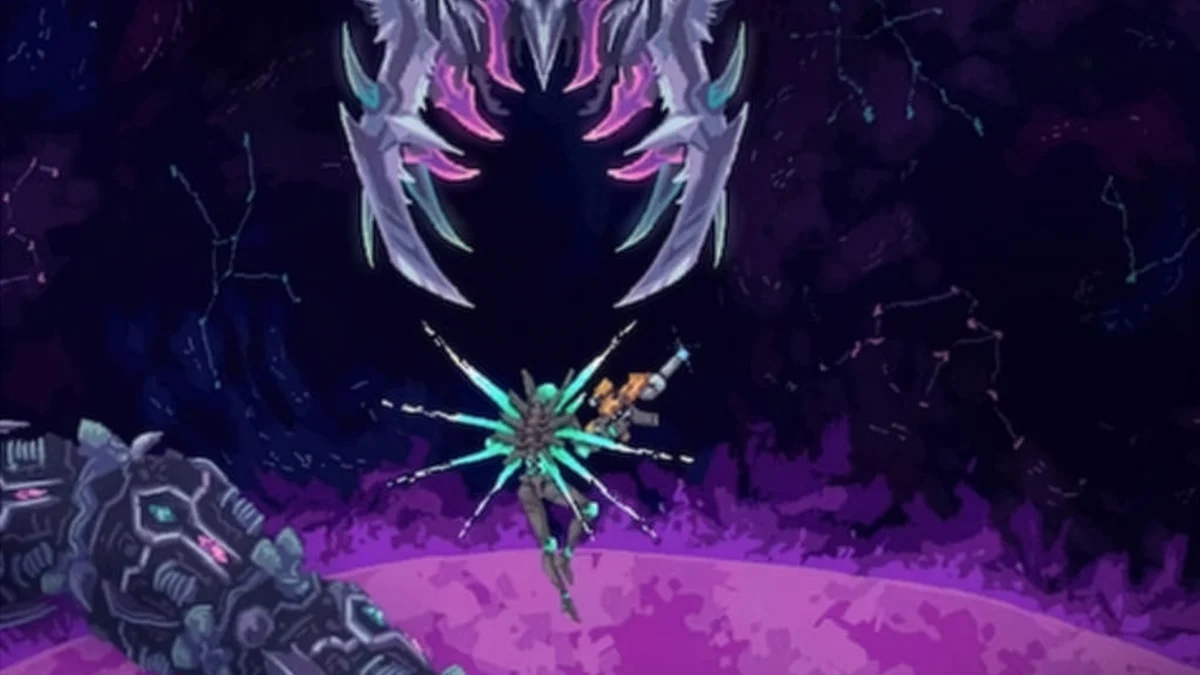
The landscape of independent game modification has been fundamentally altered following the abrupt and permanent dissolution of the Calamity Mod, arguably the most significant expansion in the history of the sandbox title Terraria. For over a decade, Calamity served as the gold standard for community-driven content, offering a scale of development that frequently rivaled the official updates provided by Re-Logic. However, the project’s cessation is not the result of creative exhaustion or technical limitations, but rather a catastrophic internal collapse triggered by severe allegations of misconduct against its current lead developer. The closure marks a somber turning point for one of gaming’s most dedicated modding communities, highlighting the precarious nature of large-scale fan projects that lack the formal oversight of traditional corporate structures.
The Magnitude of the Calamity Expansion
To understand the weight of the mod’s shutdown, one must first recognize its position within the Terraria ecosystem. Launched in 2016, Calamity was not merely a collection of items but a total overhaul of the game’s progression. It introduced over 25 new bosses, hundreds of enemies, and a completely new character class known as the "Rogue." Its complexity was such that it required its own wiki, a dedicated soundtrack, and a secondary modding layer to manage its unique difficulty settings, such as "Revengeance" and "Death" modes.
At the height of its popularity, Calamity boasted millions of downloads on the TModLoader platform. Its lore, which centered on the rise and fall of a tyrant named Yharim, became nearly as well-known among the fanbase as the base game’s own narrative. The mod was so influential that Re-Logic developers occasionally acknowledged its contributions to the community’s longevity. In July, when Re-Logic teased its "largest hotfix ever" for Terraria, many players viewed the news through the lens of how it would interact with Calamity, illustrating the mod’s status as an essential component of the modern Terraria experience.
Chronology of the Internal Collapse
The decline of the Calamity project began in earnest in early August, following a period of mounting tension within the development team. While the public initially suspected that the project was winding down due to the standard "burnout" that plagues long-term volunteer projects, a series of revelations on social media and community forums painted a far more distressing picture.
On August 8, a comprehensive investigation was published on Reddit, detailing a series of allegations against the project’s lead developer, known as Ozzatron. The report alleged that Ozzatron had engaged in behavior that endangered minors on the Discord messaging platform. Furthermore, the investigation claimed that when these issues were brought to the attention of other internal team members, efforts were made to suppress the information rather than address the underlying safety concerns.
The response from the team was swift but fractured. Within 48 hours of the investigation’s publication, the mod’s public-facing Discord server released a statement characterizing the project’s reputation as "irrecoverably tainted." The statement cited a "troubled past" and acknowledged that the project could no longer continue under the shadow of its leadership’s actions.
Resignations and the Dissolution of Sub-Projects
The impact of the allegations radiated outward, affecting not just the core Calamity mod but also its peripheral ecosystem. CD Music, the lead composer responsible for the mod’s iconic orchestral and metal-infused soundtrack, announced his immediate resignation from the project. His departure was a significant blow, as the music of Calamity was often cited as a primary reason for its immersive quality.
Simultaneously, the "Catalyst" project—a high-profile side-mod intended to reintroduce deleted content and expand upon Calamity’s endgame—was officially shelved. Planned updates that had been in development for months, including the highly anticipated "Sunken Sea" biome overhaul, were cancelled.
The most critical factor in the mod’s total shutdown, however, was the reaction of the individual contributors. Unlike a commercial game studio where the company owns all intellectual property, a community mod is often a patchwork of volunteered assets. Following the allegations, dozens of artists, coders, and writers requested that their work be removed from the mod entirely. Because the Calamity team no longer possessed the manpower or the organizational structure to selectively remove and replace thousands of lines of code and hundreds of sprites, they determined that the only ethical and logistical path forward was to cease all development and distribution.
Technical and Legal Deadlocks
The shutdown is complicated by the technical infrastructure of the mod. Ozzatron reportedly holds sole ownership of the mod’s GitHub repository, the central hub where the code is stored and managed. As of the time of the shutdown, Ozzatron has largely withdrawn from public communication, leaving the project’s future in a state of legal and technical limbo.

In a traditional software environment, a leadership change might allow a project to continue under new management. However, the Calamity team’s official stance is that the brand is too closely associated with the recent scandals to be salvaged. The team’s final statement noted that ending the project was "the closest thing we can do to fulfilling everybody’s requests," referring to the contributors who no longer wished to be associated with the project or its leadership.
A Recurring Pattern of Misconduct in Modding Communities
The Calamity scandal is not an isolated incident within the Terraria community or the broader gaming world. The mod’s original founder and former lead, Fabsol, was also the subject of controversy and misconduct claims several years prior, which eventually led to a shift in leadership. The fact that a second leader within the same project has faced similar allegations has led to a profound sense of disillusionment among longtime fans.
This event mirrors other recent fallouts in the gaming industry. In May, the Sea of Thieves community experienced a similar crisis when a prominent content creator and community figure was banned following allegations involving a minor. These recurring themes highlight a systemic vulnerability in fan-led communities. These groups often operate with immense influence and large budgets (often through Patreon or other crowdfunding sources) but lack the HR departments, background checks, and professional standards that govern traditional workplaces.
Broader Implications for the Modding Scene
The loss of Calamity leaves a significant void in the Terraria modding scene that is unlikely to be filled in the near future. While other notable mods such as "Thorium" and "Spirit" continue to exist, none possessed the sheer cultural weight or the "endgame" focus that Calamity provided.
The shutdown also raises questions about the preservation of digital content. If the mod is removed from official hosting platforms, ten years of community work could effectively vanish, leaving players with no way to access the content they have spent thousands of hours exploring. This highlights the fragility of the "modded" experience, where the longevity of a game’s content is entirely dependent on the personal conduct and stability of its volunteer creators.
From a sociological perspective, the Calamity collapse serves as a case study in the "cult of personality" that can form around lead developers in the indie space. When a single individual controls the technical keys to a project and acts as its public face, their personal failings can lead to the destruction of work contributed by hundreds of others.
Official Responses and Community Sentiment
While Re-Logic has not issued a formal corporate statement regarding the shutdown of the Calamity mod—likely to maintain professional distance from a third-party project—individual members of the Terraria development community have expressed shock. The sentiment on platforms like X (formerly Twitter) and Reddit has been one of mourning for the art, tempered by a firm stance against the alleged actions of the leadership.
The prevailing consensus among contributors is that the safety of the community must take precedence over the preservation of the mod. The decision to shut down, while painful for the players, is being framed by the remaining developers as a necessary act of accountability. By dismantling the project, they are effectively stripping the accused of their platform and their influence within the community.
Future Outlook
As the dust settles on the Calamity shutdown, the Terraria modding community faces a period of restructuring. There are already discussions within the community about creating new, decentralized projects with more robust oversight to prevent the consolidation of power that led to Calamity’s downfall.
However, the immediate future remains bleak for those who viewed Calamity as an inseparable part of the Terraria experience. The "Sunken Sea" remains unvisited, the "Tyrant" Yharim remains a legend without a final boss fight, and a decade of digital history stands on the brink of deletion. The fall of Calamity is a stark reminder that in the world of gaming, even the most massive and beloved empires can collapse overnight when the foundation of trust is broken.


 Yuyun Lusiyani
 Joko Widodo
 Jia Lissa
 admin
admin
