
 Eva Lovia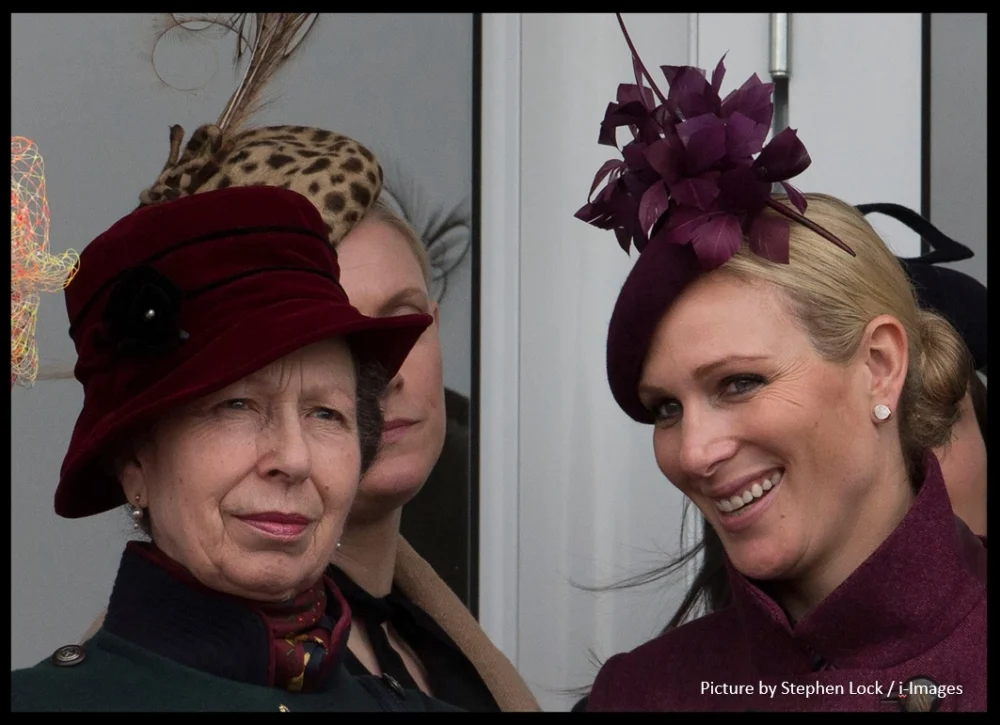
Cheltenham Racecourse has announced a significant and fitting tribute to one of Britain’s most dedicated and accomplished equestrians, Her Royal Highness The Princess Royal. From the 2026 Festival, the celebrated Hunters’ Chase at the prestigious event will be renamed the Princess Royal Challenge Cup Open Hunters’ Steeple Chase, honouring Princess Anne’s lifelong and profound commitment to equestrian sport. This esteemed race, long affectionately known as the "Amateurs’ Gold Cup," will now carry the name of a figure whose personal achievements and dedication have profoundly shaped the landscape of British horse riding. The renaming ceremony, set to take place from 2026, marks a pivotal moment in the history of the Cheltenham Festival, acknowledging a royal patron whose influence extends far beyond ceremonial duties.
A Legacy of Equestrian Excellence
The decision to rename the Hunters’ Chase is a direct recognition of Princess Anne’s unparalleled contributions to the equestrian world. Her journey as a rider began at a young age, and her dedication soon translated into remarkable success. A defining moment in her competitive career came in 1971 when she secured individual gold at the European Eventing Championships held at Burghley. This landmark achievement not only cemented her status as one of the nation’s foremost riders but also brought significant attention to the sport. The Princess Royal’s dedication did not wane, as she went on to represent Great Britain at the 1976 Montreal Olympic Games, a testament to her elite athletic capabilities.
Beyond her Olympic endeavours, Princess Anne continued to compete as an amateur jockey throughout the 1980s. During this period, she partnered numerous winners, demonstrating her skill and versatility both on the Flat and over fences. Her ability to compete at such a high level while balancing royal duties underscored her exceptional talent and unwavering passion for horse racing. The Hunters’ Chase, a race that celebrates the amateur spirit and the deep connection between horse and rider, is therefore a profoundly appropriate venue to bear her name. It is a contest that embodies the very essence of horsemanship and dedication that Princess Anne has exemplified throughout her life.
The Hunters’ Chase: A Festival Fixture
The Hunters’ Chase is a traditional and much-anticipated race at the Cheltenham Festival, held on the penultimate day of the meeting. Staged over the demanding three-and-a-quarter-mile trip, it mirrors the gruelling distance of jump racing’s blue riband event, the Cheltenham Gold Cup. This challenging course requires immense stamina, tactical acumen, and a deep understanding between horse and jockey. The race typically takes place immediately after the pinnacle event of the Festival, the Cheltenham Gold Cup, on Gold Cup Day, Friday. In 2026, this significant renaming will officially occur on Friday, March 13th, adding an extra layer of historical weight to the occasion.
The race has long been a breeding ground for talent and a showcase for the dedication of amateur riders. It provides a platform for riders who often balance their passion for racing with other professions, highlighting the commitment and sacrifice involved. The "Amateurs’ Gold Cup" moniker reflects the prestige and competitive spirit of this particular contest, often seen as a more accessible yet equally challenging equivalent to the professional Gold Cup. Its renaming signifies a move to elevate its profile further and to formally acknowledge the integral role that individuals like Princess Anne have played in fostering and championing equestrianism in the UK.
A Broader Royal Connection to Equestrianism
The renaming of the Hunters’ Chase is not the first time a Cheltenham Festival race has been honoured with a royal title. This tradition underscores the long-standing and deeply ingrained relationship between the British Royal Family and the sport of horse racing. In 1980, the iconic two-mile Champion Chase was retitled the Queen Mother Champion Chase. This alteration was made to commemorate the 80th birthday of Queen Elizabeth The Queen Mother, the beloved grandmother of Princess Anne. This precedent clearly demonstrates the significant regard in which the Royal Family is held within the racing community and their enduring influence on the sport’s heritage.
The current change also involves a reversion for another established race. As part of this significant renaming initiative, the National Hunt Chase, which has previously carried The Princess Royal’s name, will now revert to its historic and original the National Hunt Challenge Cup Novices’ Handicap Chase. This strategic adjustment ensures that each race retains its distinct identity and historical significance while also creating a dedicated and prominent platform to honour Princess Anne’s specific contributions. The National Hunt Challenge Cup, a race for novice horses, will continue to be a key fixture, but its naming will now reflect its original appellation, allowing the Hunters’ Chase to prominently bear the Princess Royal’s name.
Official Endorsement and Future Vision
Guy Lavender, the Chief Executive of Cheltenham Racecourse, expressed his enthusiasm and the rationale behind the significant decision. He stated that the renaming reflects a profound appreciation for both the rich heritage of horse racing and the exceptional skill of horsemanship. "The Hunters’ Chase at the Festival is a contest which recognises and celebrates the very origins of our great sport," Mr. Lavender remarked. He further elaborated, "We therefore feel it is very appropriate to stage it under the name of Her Royal Highness The Princess Royal – an outstanding all-round equestrian who has excelled in a wide range of disciplines."
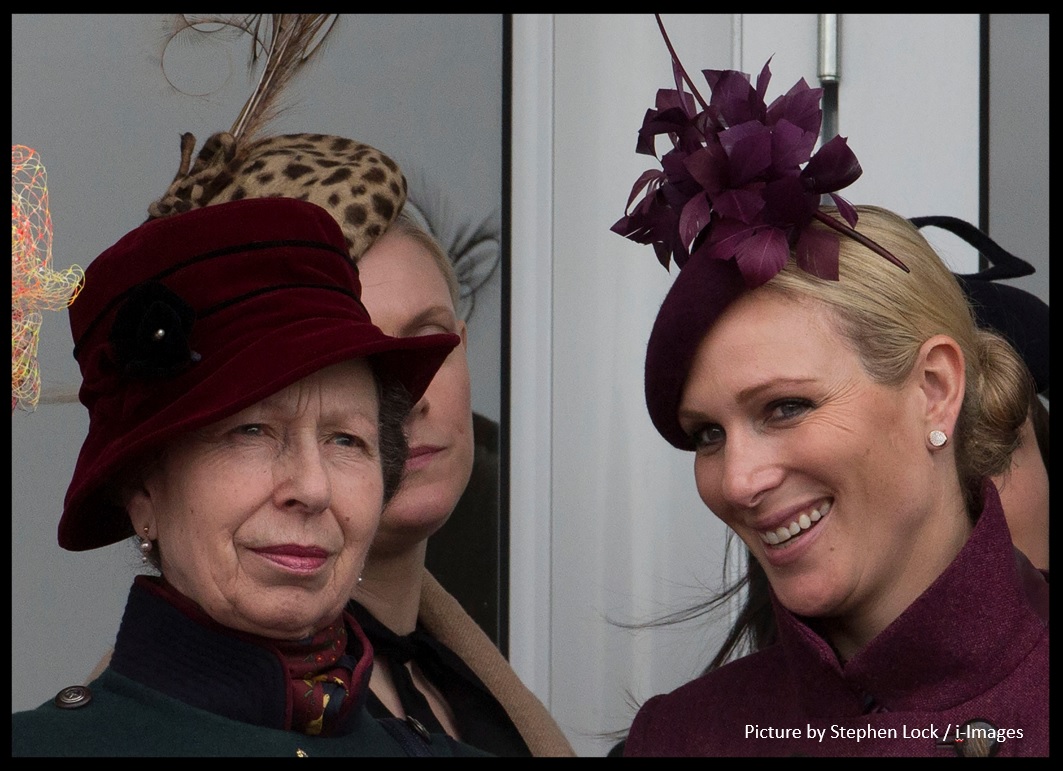
Mr. Lavender’s statement highlights the racecourse’s commitment to honouring figures who have shaped the sport. The Princess Royal’s "outstanding all-round equestrian" status is a well-earned descriptor, encompassing her achievements in eventing, racing, and her broader advocacy for equine welfare and accessibility. The choice of the Hunters’ Chase, a race steeped in tradition and amateur spirit, perfectly aligns with Princess Anne’s own journey and her enduring passion for horses. This renaming is seen not just as an honour but as a strategic move to further elevate the profile of the Hunters’ Chase and its connection to the foundational elements of jump racing.
Princess Anne’s Multifaceted Equestrian Impact
Princess Anne’s involvement with equestrianism extends far beyond her competitive achievements. Her dedication to promoting inclusivity and opportunity within the sport is equally remarkable. Since 1985, she has served as the President of the Riding for the Disabled Association (RDA). In this capacity, she has been a steadfast advocate for individuals with disabilities, championing initiatives that provide access to therapeutic and recreational horse riding. Her leadership has helped to foster a more inclusive environment, ensuring that the benefits of interacting with horses are available to a wider population. This long-standing commitment to the RDA showcases a profound understanding of the transformative power of horses and a desire to share that power with those who might otherwise be excluded.
Furthermore, Princess Anne remains a familiar and respected presence at Prestbury Park, the home of Cheltenham Racecourse. In 2015, she officially opened the Princess Royal Stand during the November Meeting. This significant development followed a substantial £45 million redevelopment of the course, aimed at enhancing facilities and spectator experience. Her presence at such events underscores her continued connection to the venue and her support for its ongoing evolution. The naming of the Hunters’ Chase further solidifies this deep and enduring relationship, linking her personal legacy directly to one of the Festival’s most cherished races.
A Family Affair: Zara Tindall’s Role
The Royal Family’s connection to equestrianism is clearly a multi-generational one. Princess Anne’s daughter, Zara Tindall, has also forged an impressive career as an accomplished event rider in her own right. Her success on the international stage, including a silver medal at the 2012 London Olympics in the team eventing competition, mirrors her mother’s sporting prowess. Zara Tindall’s involvement with Cheltenham Racecourse is also notable; she has served on the Cheltenham Racecourse Committee since 2019. This familial involvement further reinforces the deep-seated ties between the Royal Family and the sport of horse racing, particularly at such an iconic venue. Zara Tindall’s own experience as a leading rider provides a unique perspective and adds another layer of authenticity to the honour bestowed upon her mother. Her presence on the committee ensures that the voice of a modern, successful equestrian is heard in the strategic planning and operation of the racecourse.
Data and Context: The Cheltenham Festival and Hunters’ Chase
The Cheltenham Festival, held annually in March, is one of the pinnacles of the National Hunt racing calendar. It attracts hundreds of thousands of spectators and features some of the most prestigious races in jump racing. The Festival is renowned for its challenging courses, electric atmosphere, and the sheer quality of the horses and riders that compete. The Hunters’ Chase, while not holding the same global recognition as the Gold Cup or the Champion Hurdle, occupies a crucial place in the Festival’s narrative. It represents the heart and soul of amateur racing, a discipline that forms the bedrock of the sport.
The Hunters’ Chase typically features a field of experienced amateur riders, often well-known figures in the farming or business communities, who dedicate significant time and resources to their racing pursuits. The average prize money for the Hunters’ Chase has historically been substantial, reflecting its importance within the Festival programme, often in the region of £30,000 to £50,000. The field size for the race is usually capped, typically at 24 runners, ensuring a competitive and tactical contest over the demanding fences. The success of the Hunters’ Chase has been a barometer for the health of amateur racing, and its continued prominence at Cheltenham speaks to its enduring appeal. The renaming to the Princess Royal Challenge Cup Open Hunters’ Steeple Chase is expected to further enhance its prestige and attract even greater attention from both seasoned racing enthusiasts and a wider public audience. This move signifies a strategic enhancement of the race’s brand and its historical resonance.
Broader Implications and Future Outlook
The renaming of the Hunters’ Chase is more than just a symbolic gesture; it carries broader implications for the sport of horse racing in the United Kingdom. By associating a prestigious Festival race with a member of the Royal Family who has such a deep and personal connection to equestrianism, Cheltenham Racecourse is sending a powerful message about the sport’s heritage and its future. It highlights the importance of amateurism, dedication, and a lifelong commitment to horses. This initiative could inspire a new generation of riders and enthusiasts to engage with the sport, recognizing that excellence can be achieved through passion and hard work, regardless of professional status.
Furthermore, the decision reflects a growing trend in sports to honour individuals who have made significant and lasting contributions. In an era where sports figures are often celebrated for fleeting moments of fame, this renaming emphasizes the enduring legacy of Princess Anne’s multifaceted involvement. It reinforces the deep historical and cultural links between the Royal Family and equestrian pursuits, a connection that has long been a source of national pride. The Princess Royal Challenge Cup Open Hunters’ Steeple Chase is poised to become a race of even greater significance, not only for its competitive merit but also as a permanent testament to a remarkable equestrian life. The move is likely to be met with widespread approval within the racing community and beyond, celebrating a shared passion for horses and a mutual respect for sporting excellence.


 Jia Lissa
 Yuyun Lusiyani
 Joko Widodo

 Pevita Pearce