
 Lina Irawan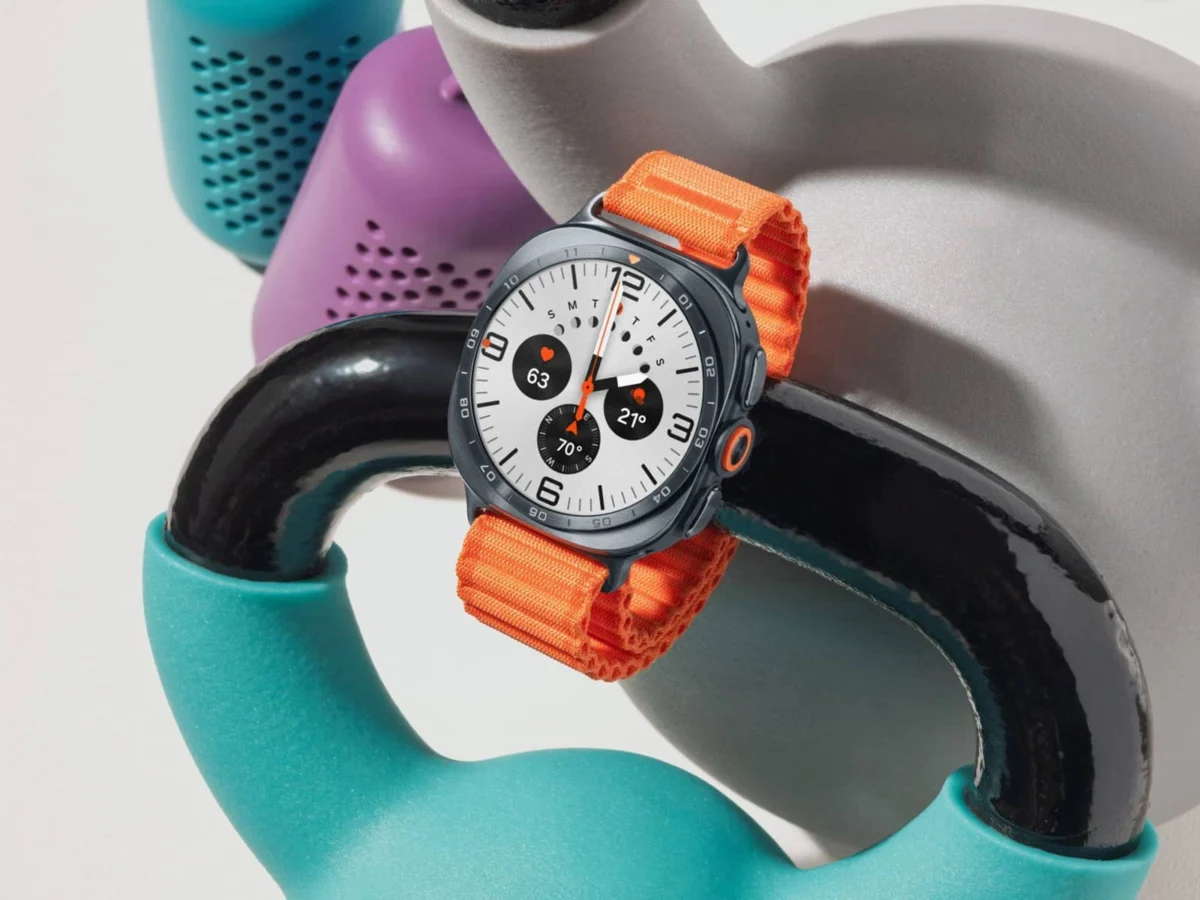
Samsung has officially overhauled its premium wearable portfolio with the simultaneous release of the Galaxy Watch Ultra2 and the Galaxy Watch9, signaling a strategic bifurcation of its smartwatch lineup. The South Korean technology giant has transitioned away from a singular flagship model, instead offering two distinct hardware paths tailored to divergent consumer needs: the ruggedized, high-enduration Galaxy Watch Ultra2 for extreme environments and the refined, health-focused Galaxy Watch9 for daily lifestyle integration. Both devices are scheduled to reach general availability in the Australian market on August 14, 2026, following a comprehensive pre-order window that commenced in late July.
The introduction of these models represents a significant shift in how Samsung approaches hardware differentiation. In a move that favors consumer transparency, the company has utilized an identical internal processing platform and sensor array across both the $649 entry-level model and the $1,299 premium variant. This ensures that the core health-tracking capabilities—the primary driver for most smartwatch purchases—remain consistent regardless of the price point. The substantial price delta is instead justified through structural integrity, battery capacity, and display performance, rather than artificial software tiering.
Chronology of the 2026 Galaxy Watch Launch
The rollout of the new Galaxy Watch series followed a structured timeline designed to capture early adopters while transitioning from the previous generation’s architecture. On July 22, 2026, Samsung published the finalized technical specifications for both the Ultra2 and the Watch9 series, highlighting the move to a more efficient 3nm semiconductor manufacturing process.
Pre-orders for the Australian market opened on July 23, 2026, supported by a range of trade-in incentives and accessory bundles. This period served as the primary introductory phase, allowing the company to gauge demand for the new "Ultra" form factor versus the traditional aluminum casing of the standard series. The general retail launch, set for August 14, 2026, marks the point where the devices become available through both the Samsung online store and major Australian telecommunications and electronics retailers. A secondary "launch offer" window is slated to run from the release date until September 9, 2026, providing a transition period for consumers who missed the initial pre-order incentives.
Technical Analysis: The Galaxy Watch Ultra2 as a Precision Instrument
The Galaxy Watch Ultra2 is positioned not merely as a smartwatch, but as a specialized instrument for endurance athletes and outdoor professionals. Constructed from aerospace-grade titanium, the 47mm chassis is designed to withstand environmental stressors that would typically compromise standard consumer electronics.

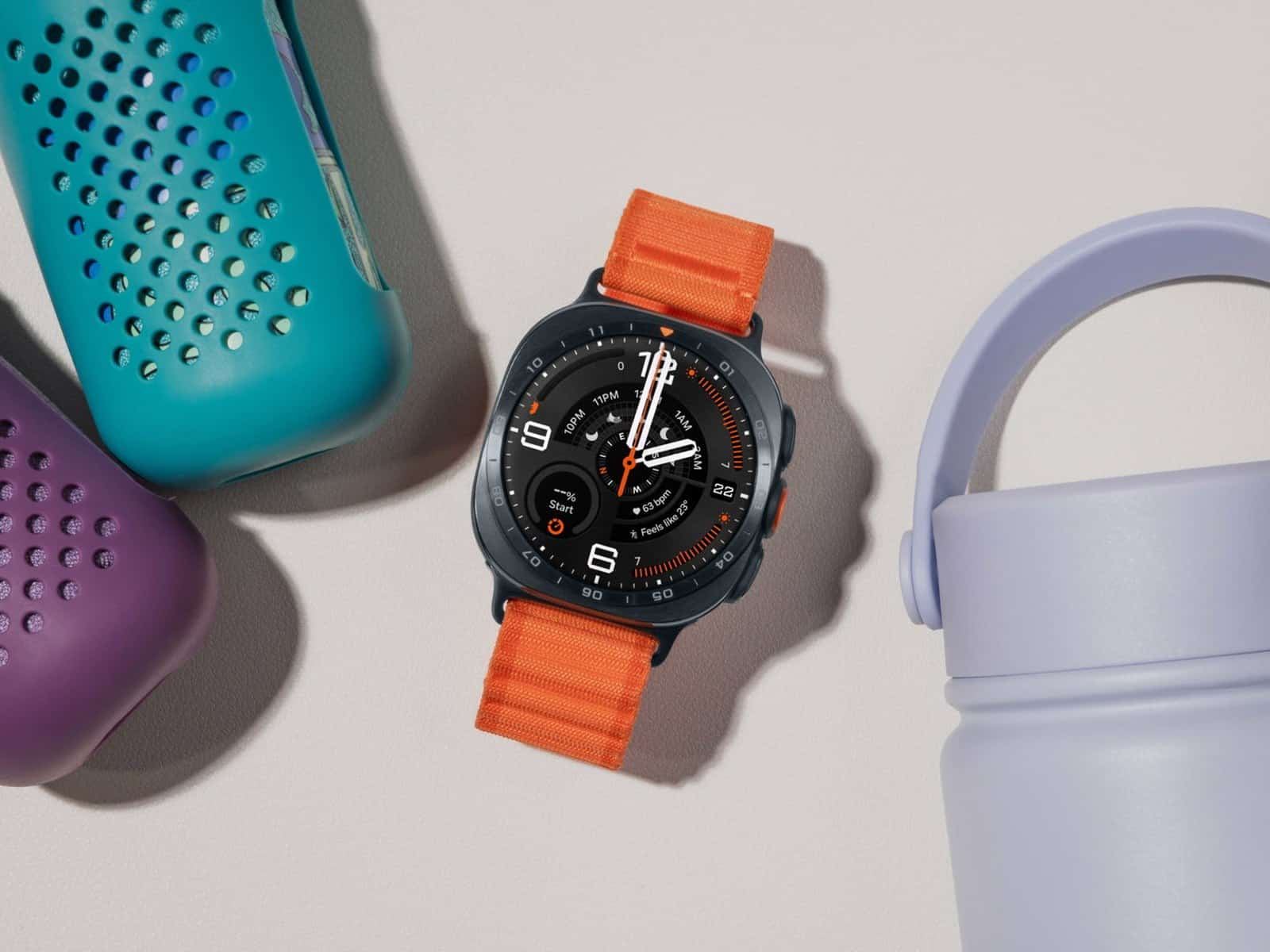
The most prominent hardware advancement in the Ultra2 is its 1.52-inch Super AMOLED display, which achieves a peak brightness of 5,000 nits. This specification is a critical metric for legibility in high-albedo environments, such as snow-covered trails or direct maritime sunlight, where lower-nit displays often suffer from "washout." To power this high-intensity display and support extended GPS tracking, Samsung has integrated an 800mAh battery. This represents a 35 percent increase in capacity over the first-generation Ultra, providing up to 60 hours of operational life with the Always-On Display (AOD) enabled—a duration sufficient for multi-day trekking without access to a power source.
Durability certifications for the Ultra2 extend beyond standard consumer ratings. While the IP69K and MIL-STD-810H ratings ensure resistance to dust, high-pressure water jets, and shock, the EN13319 certification is the most noteworthy for specialists. This European standard certifies the device as a legitimate diving instrument, allowing it to function as a dive computer that automatically logs depth, immersion time, and water temperature. For terrestrial athletes, the inclusion of dual-frequency L1+L5 GPS provides the precision necessary for accurate tracking in "urban canyons" or under dense forest canopies, where signal reflection often causes standard GPS to drift.
The Galaxy Watch9: Balancing Performance and Ergonomics
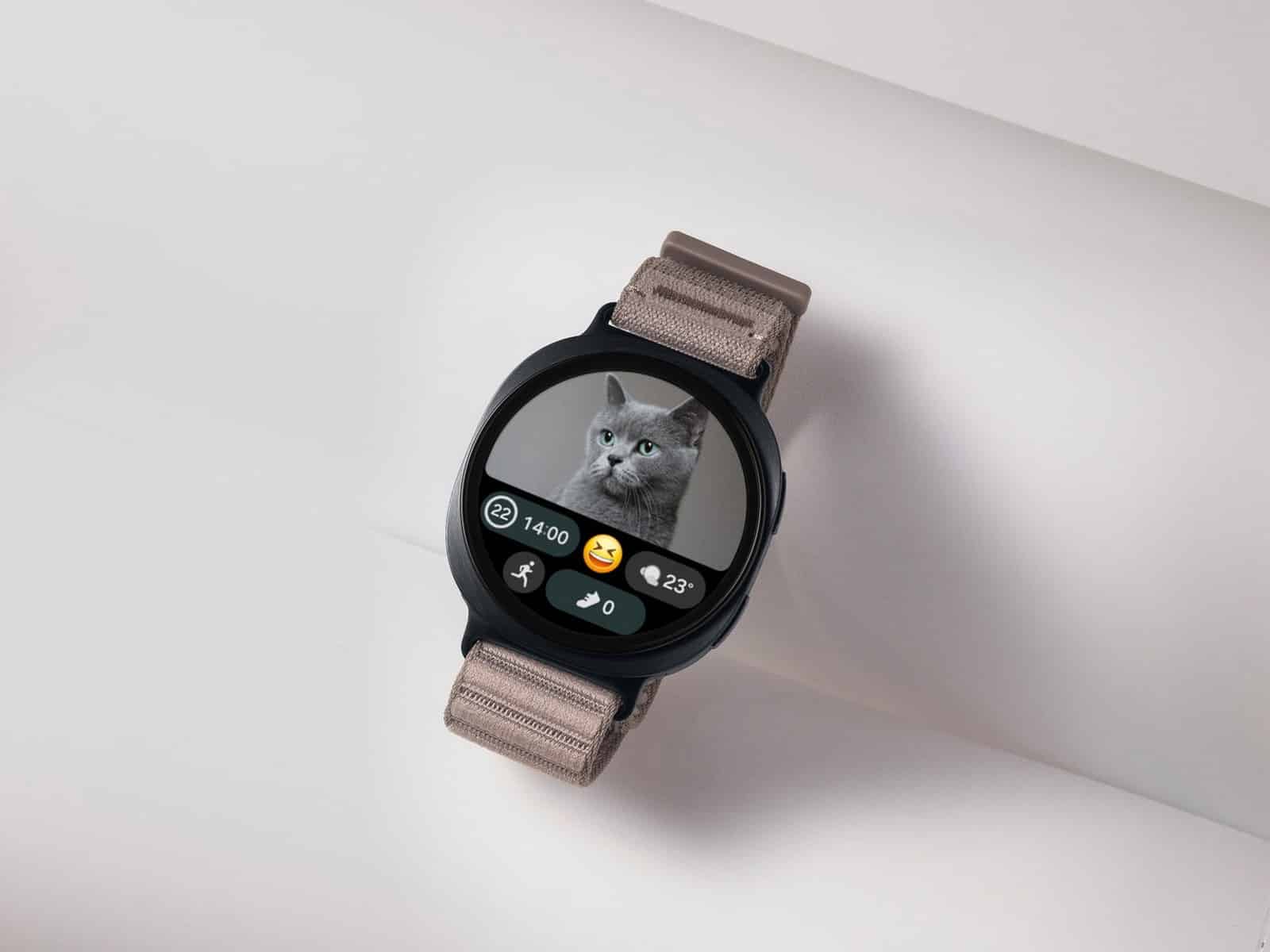
In contrast to the Ultra2’s focus on extreme durability, the Galaxy Watch9 is engineered for maximum user comfort and daily health monitoring. Available in 40mm and 44mm sizes, the Watch9 utilizes an aluminum case that significantly reduces the physical footprint on the wrist. The 40mm model weighs 31.5g—nearly half the mass of the 61.5g Ultra2—and maintains a slim 8.6mm profile.
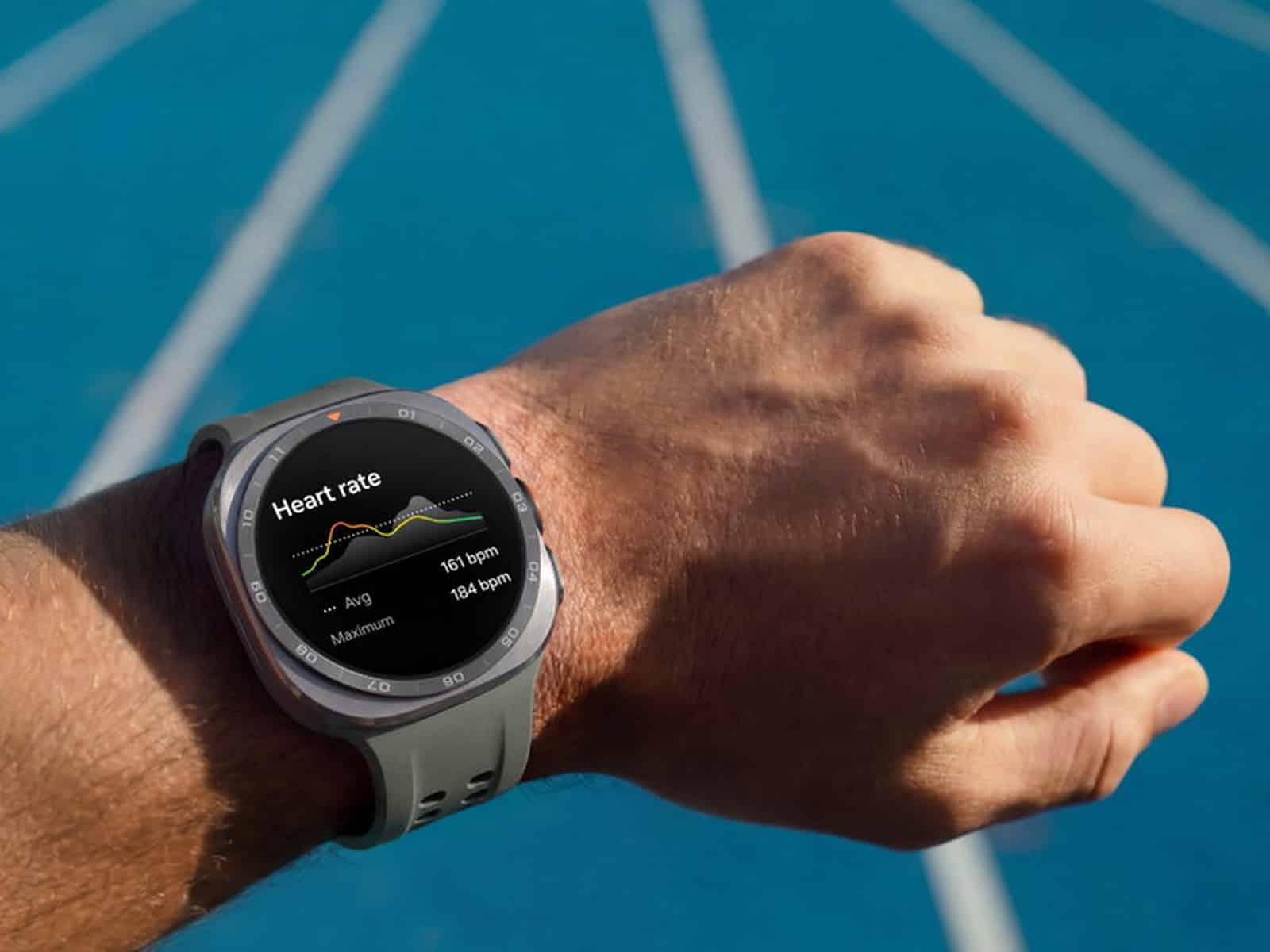
This focus on ergonomics is a calculated decision by Samsung to facilitate 24-hour wear. Given that sleep tracking and continuous heart rate variability (HRV) monitoring are cornerstone features of the new One UI 9 Watch software, a lighter device is more likely to be worn consistently throughout the night. Despite its smaller size, the Watch9 does not compromise on display quality, offering a 3,000-nit peak brightness that outperforms most flagship smartwatches from previous years.
The trade-off for this portability is found in endurance and structural limits. The Watch9 is rated for 5ATM water resistance, making it suitable for surface swimming but not for diving. Furthermore, its battery life is approximately half that of the Ultra2, rated at 30 hours with AOD active. For the average user, this necessitates a daily charging cadence, though the inclusion of fast-charging capabilities mitigates the downtime required between wear cycles.
Shared Architecture and Health Intelligence
Central to the success of both models is the new Qualcomm SDW6100 processor. This 3nm, 5-core chipset represents the current pinnacle of wearable silicon, offering enhanced power efficiency and smoother UI transitions compared to previous generations. By utilizing the same processor in both the $649 and $1,299 models, Samsung ensures that the user experience remains uniform across the entire 2026 lineup.
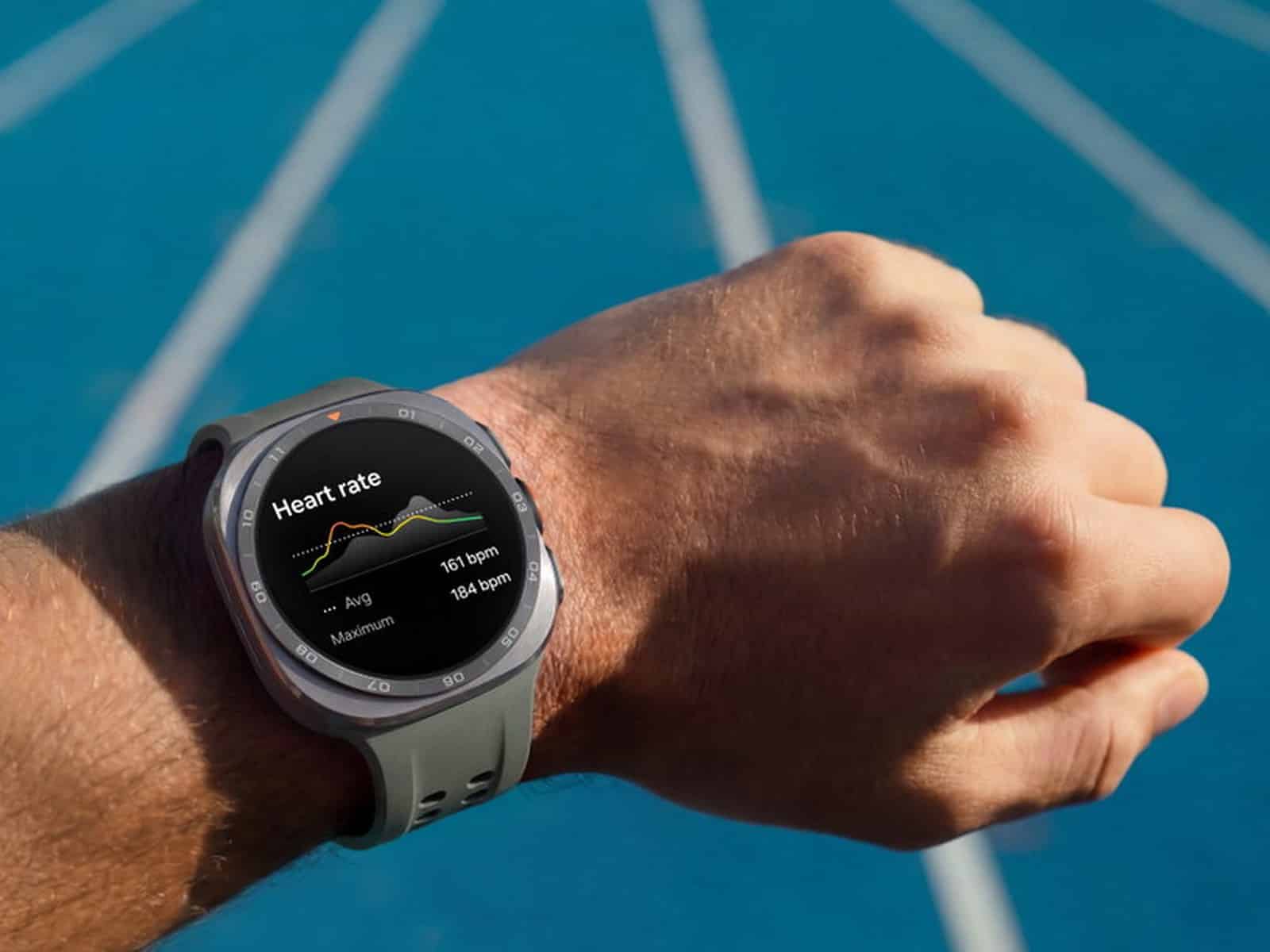
Both watches utilize the Samsung BioActive sensor stack, which combines three powerful health sensors: Optical Heart Rate, Electrical Heart Signal, and Bioelectrical Impedance Analysis. This allows for a comprehensive suite of health metrics, including:
- Vitals and Heart Health Score: Continuous monitoring of cardiovascular trends.
- Daily Cardio Load: An assessment of physical strain to prevent overtraining.
- Fitness Index: A proprietary metric designed to track long-term athletic progress.
- Hearing Health: Real-time monitoring of ambient noise levels to protect auditory health.
The Ultra2 adds specific software layers for high-intensity training, such as the "Trail Run" mode and "Nutrition Alert." The latter is particularly innovative, as it calculates sweat loss relative to body weight during a workout and provides real-time hydration prompts to the user.
The Persistence of the Galaxy Watch8 Classic
In an unusual move for the consumer electronics industry, Samsung has opted to keep the Galaxy Watch8 Classic in its active inventory alongside the new models. Priced at $899 for the 46mm Bluetooth variant, the Classic occupies the middle ground between the Watch9 and the Ultra2.
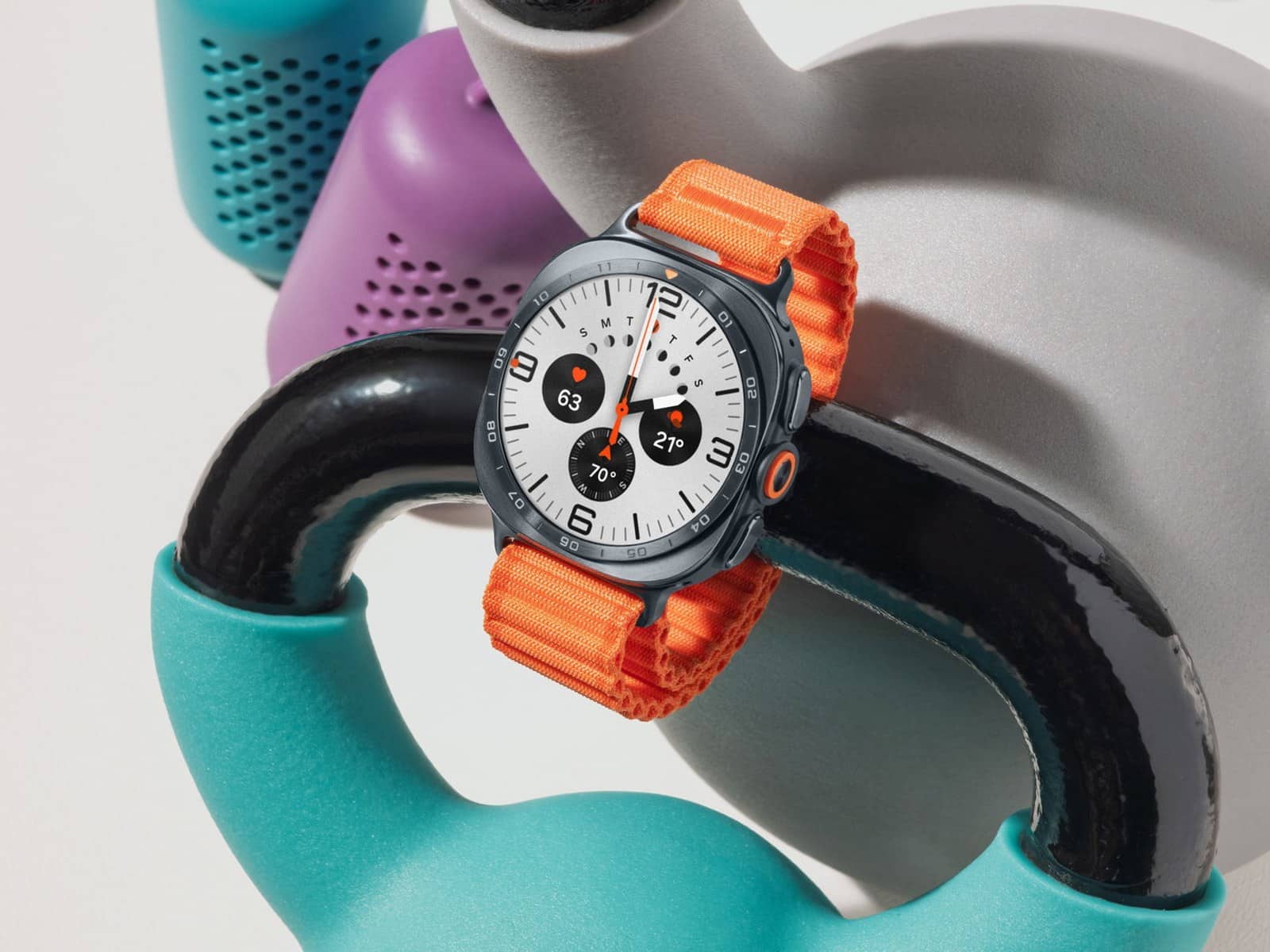
The retention of the Classic model serves a specific demographic: users who prefer the tactile feedback of the physical rotating bezel. While the Watch9 and Ultra2 utilize digital bezels and touch interfaces, the Watch8 Classic remains the only option for those who value the mechanical navigation system that defined earlier Samsung wearables. However, industry analysts note that consumers choosing the Classic are opting for older silicon (the previous generation’s platform) and lower peak brightness. The decision to buy the Classic is thus framed as a preference for design and interface over raw technical specifications.
Ecosystem Constraints and Market Implications
Samsung’s 2026 wearable strategy reinforces a "walled garden" approach to its mobile ecosystem. The Galaxy Watch9 and Ultra2 require a smartphone running Android 13.0 or higher with at least 1.5GB of RAM. Crucially, the watches must be paired with a device that supports Google Mobile Services (GMS) for activation and full feature utility.
This requirement explicitly excludes iPhone users, as Samsung has ceased all iOS compatibility for its latest wearable generations. This puts Samsung in direct competition with the Apple Watch Ultra 2 and the Apple Watch Series 9/10 within the high-end market, forcing a platform-based choice for consumers. For Android users who are not tethered to the Samsung brand, the competition comes from Garmin’s Fenix and Forerunner series. While Garmin offers superior battery life (often measured in weeks rather than hours) and deeper athletic analytics, Samsung counters with superior OLED display technology, LTE connectivity, and deeper integration with the broader Android app ecosystem.
Pricing and Consumer Guidance
The Australian pricing structure for the 2026 lineup is clearly delineated:
- Galaxy Watch Ultra2 (47mm, LTE): $1,299
- Galaxy Watch9 (44mm): $699 (Bluetooth) / $799 (LTE)
- Galaxy Watch9 (40mm): $649 (Bluetooth) / $749 (LTE)
For the majority of the consumer base, the Galaxy Watch9 represents the most logical acquisition. It provides the full suite of Samsung’s 2026 health intelligence and processing power at roughly half the cost of the flagship. The $650 premium for the Ultra2 is targeted specifically at a niche "prosumer" segment—those who require the specific EN13319 dive certification, the extreme 5,000-nit brightness for outdoor work, or the 60-hour battery life for endurance events.
As the August 14 launch date approaches, the market’s response to this tiered strategy will likely dictate Samsung’s future wearable development. By decoupling health features from luxury materials, Samsung has effectively democratized its most advanced medical-grade sensors while simultaneously creating a high-margin aspirational product in the Ultra2. This dual-track approach reflects a maturing smartwatch market where "one size fits all" is no longer a viable strategy for global leaders.



 Yuyun Lusiyani
 Joko Widodo
 Eva Lovia
 Pevita Pearce
 admin
admin