admin
admin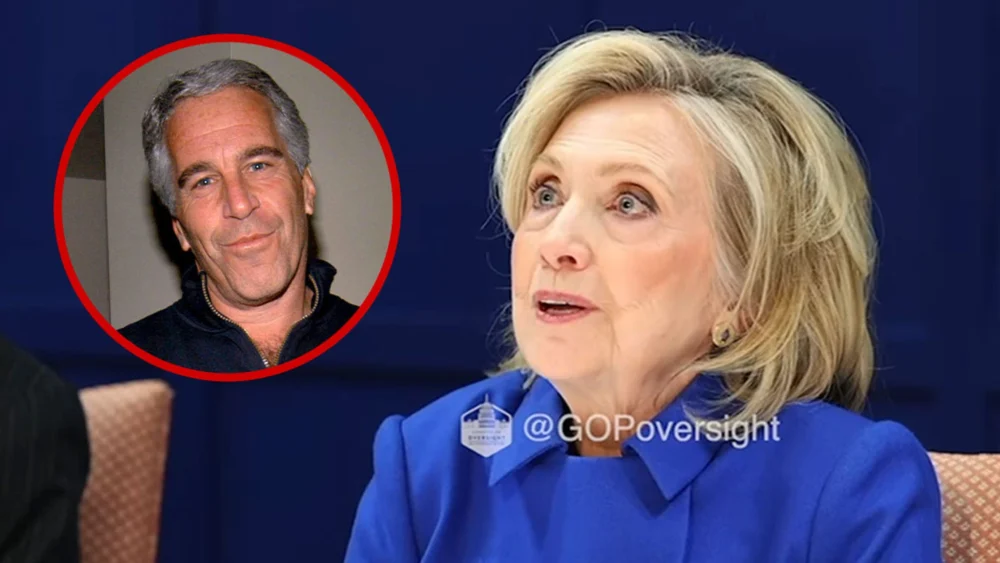
Former First Lady, Secretary of State, and presidential candidate Hillary Clinton has finally provided a detailed account regarding the controversial photograph depicting convicted sex trafficker Ghislaine Maxwell attending her daughter Chelsea Clinton’s wedding in 2010. During a recent deposition before the House Oversight Committee, Clinton asserted that she has no recollection of Maxwell being present, explaining that Maxwell was invited solely as a "plus-one" by a long-standing acquaintance of the family. This testimony, delivered last week and made public on March 2, 2026, marks the latest development in the ongoing public and political scrutiny surrounding the connections between prominent figures and the late financier Jeffrey Epstein and his associates.
Hillary Clinton’s Testimony: The ‘Plus-One’ Defense
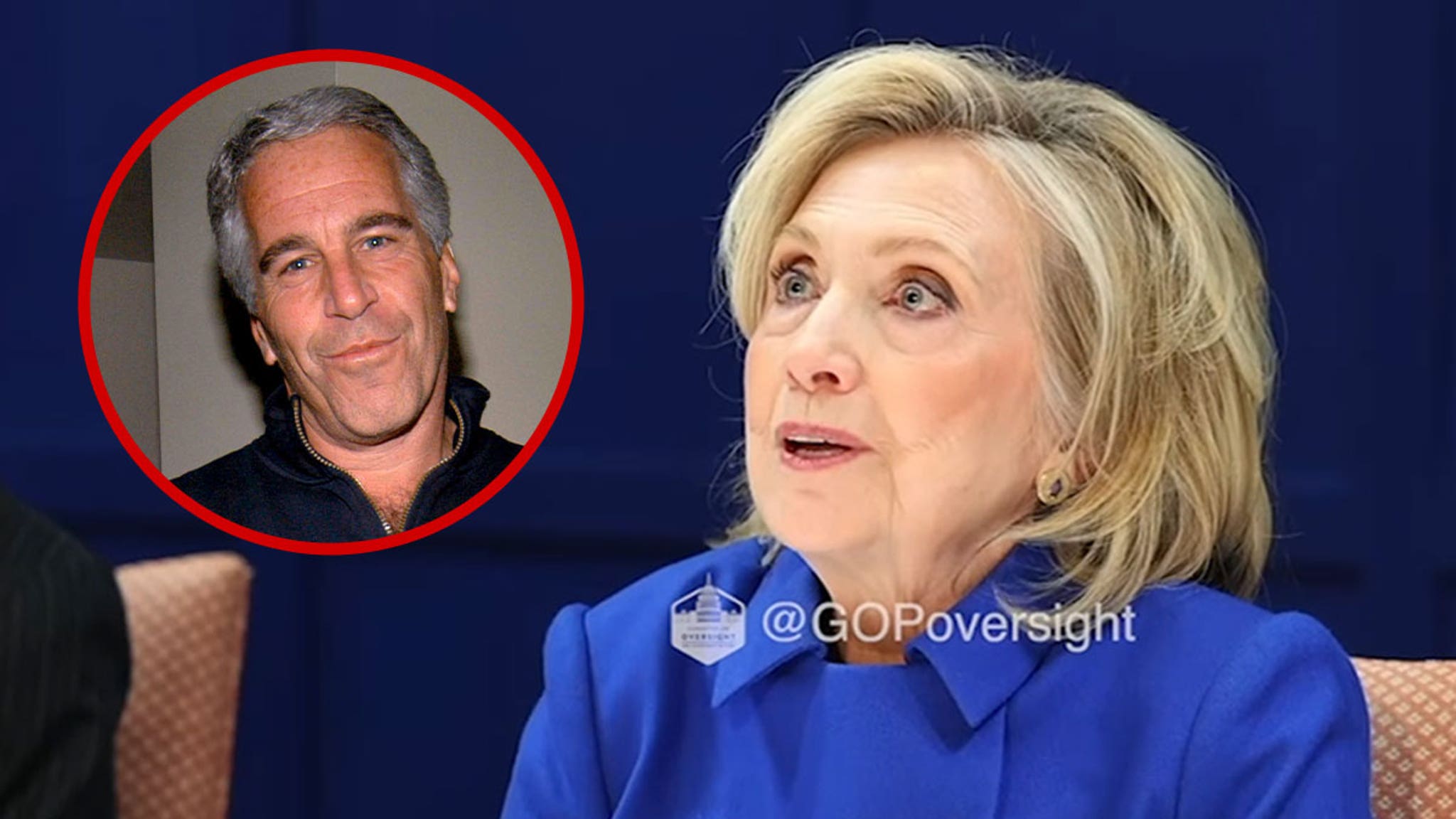
In her sworn testimony, Hillary Clinton addressed the widely circulated image showing Ghislaine Maxwell at Chelsea Clinton’s high-profile wedding. The event, held on July 31, 2010, at the Astor Courts estate in Rhinebeck, New York, was a meticulously planned affair attended by an estimated 500 guests. Clinton stated, "She was there as a guest of Ted Waitt — someone we had known for 30 years I believe — who was a strong supporter of my husband, and became a friend." This explanation positions Maxwell as a peripheral figure, not a direct invitee of the Clinton family, and underscores the potential for complex social dynamics at large-scale events involving extensive guest lists.
Clinton further elaborated on her limited awareness of Maxwell’s presence at the time, stating, "There were more than 500 people at the wedding, so other than that picture of her at the wedding, I have no recollection of talking with her. I was pretty focused on my daughter." This assertion suggests that in the whirlwind of a momentous family occasion, especially one of such significant scale and media attention, the host’s direct interaction or even awareness of every guest, particularly those attending as plus-ones, could be genuinely limited. The wedding, a grand celebration for Chelsea Clinton and Marc Mezvinsky, was a closely watched event, attracting considerable media interest and security, making the management of the guest list a complex logistical undertaking.
The Role of Ted Waitt: A Long-Standing Connection
The individual identified by Hillary Clinton as Ghislaine Maxwell’s inviter, Ted Waitt, is a notable figure in American business. Waitt is the co-founder of Gateway, Inc., a pioneering computer manufacturer that rose to prominence in the 1990s. His long-standing relationship with the Clinton family, particularly with former President Bill Clinton, has been documented over the years, often characterized by his financial support for Bill Clinton’s political campaigns and philanthropic endeavors. Waitt’s presence at such a significant family event underscores his close ties to the Clintons. The practice of allowing principal guests to bring a "plus-one" is common at weddings, and in high-profile social circles, these additional guests are often vetted less stringently than the primary invitees themselves. This mechanism, while standard, has inadvertently led to unexpected associations surfacing years later, as seen in this instance.
Ghislaine Maxwell and the Shadow of Jeffrey Epstein
The intense scrutiny over Ghislaine Maxwell’s attendance at the Clinton wedding stems directly from her central role in the sex trafficking network orchestrated by the late financier Jeffrey Epstein. Maxwell, the daughter of disgraced British media mogul Robert Maxwell, was Epstein’s long-time associate, confidante, and alleged procurer of underage girls. She was convicted in December 2021 on multiple counts of sex trafficking and conspiracy, subsequently sentenced to 20 years in prison. Her conviction solidified her image as a key enabler in Epstein’s horrific crimes, which spanned decades and involved numerous victims.
Jeffrey Epstein himself was a wealthy financier with an extensive network of high-profile contacts across politics, business, and entertainment. His crimes became widely known in the late 2000s, leading to a plea deal in Florida in 2008. However, further investigations led to his arrest on new federal charges in 2019, shortly before his death by suicide in a Manhattan correctional facility. The lingering questions surrounding Epstein’s network and Maxwell’s role have fueled numerous investigations, including those by congressional committees, aimed at understanding the full scope of their activities and the complicity of others. Any association, however indirect or incidental, with Maxwell or Epstein has become a significant liability for public figures.
Hillary Clinton’s Broader Denials and Political Allegations
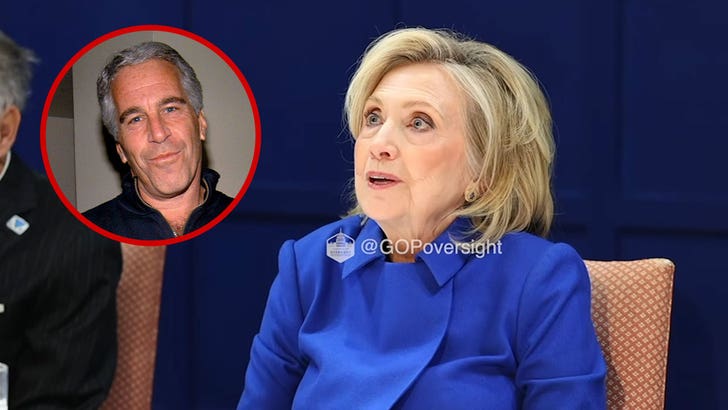
Beyond the specific incident of Maxwell’s wedding attendance, Hillary Clinton reiterated her broader stance regarding Jeffrey Epstein. She maintained her prior assertions that she does "not recall ever encountering" Epstein directly. This statement aligns with previous public comments from the Clinton camp, seeking to distance the former First Lady from any personal knowledge or involvement with Epstein’s illicit activities.
Clinton also used her deposition to express skepticism about the motives behind the House Oversight Committee’s inquiry into her connections, claiming that the committee used her testimony to "distract attention from President Trump’s actions." This allegation introduces a political dimension to the proceedings, suggesting that the investigation may be partially driven by partisan objectives rather than solely by a pursuit of truth regarding Epstein’s network. Such claims of political motivation are common in highly polarized environments, particularly when investigations touch upon figures associated with opposing political factions. The House Oversight Committee, tasked with overseeing the executive branch and investigating matters of public concern, has been actively pursuing various lines of inquiry, and its investigations often become points of contention between political parties.
Bill Clinton’s Separate Testimony and Claims of Ignorance
Hillary Clinton’s deposition follows a similar appearance by her husband, former President Bill Clinton, who also testified before the House Oversight Committee. Bill Clinton has acknowledged flying on Epstein’s private jet, dubbed the "Lolita Express," on several occasions in the early 2000s, and also admitted to being acquainted with Ghislaine Maxwell. However, in his deposition, he claimed ignorance of Epstein’s criminal activities until 2008. He asserted that by the time Epstein’s initial legal troubles and plea deal in Florida became public knowledge, he had already ceased associating with Epstein.
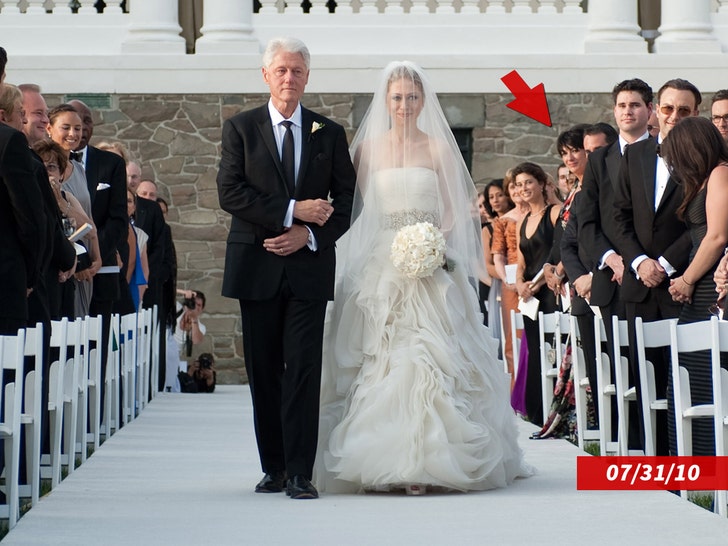
This timeline is crucial to the Clintons’ defense, as it attempts to draw a clear line between any past interactions with Epstein before his crimes were widely exposed and the subsequent period. However, the 2010 wedding attendance by Maxwell, two years after Epstein’s initial conviction, complicates this narrative for some observers, raising questions about the extent of the Clintons’ social circles and the vetting processes for guests at their events.
Claim of No Wrongdoing and Enduring Scrutiny
Both Bill and Hillary Clinton consistently claim no wrongdoing or knowledge of Epstein’s criminal enterprise. Their testimonies aim to establish a narrative of incidental contact or indirect association, rather than complicity or awareness. The legal strategy employed by high-profile individuals implicated in the broader Epstein scandal often revolves around denying direct knowledge of the criminal activities, focusing instead on the social connections that Epstein and Maxwell meticulously cultivated to lend themselves an air of legitimacy.
The controversy surrounding the Clintons’ connections to Maxwell and Epstein underscores the pervasive nature of the Epstein scandal and its enduring capacity to entangle prominent figures. The photo of Maxwell at Chelsea Clinton’s wedding first surfaced years ago, sparking public debate and becoming a recurring point of contention in media and political discourse. For critics, the image serves as potent symbolism of the alleged proximity between powerful elites and a notorious criminal network. For the Clintons and their supporters, it represents an innocent social interaction misconstrued and weaponized for political gain.
The House Oversight Committee’s continued investigation into the Epstein network signifies the ongoing effort to understand the full scope of his activities and hold accountable anyone who may have facilitated or enabled his crimes. While the Clintons maintain their innocence and distance from Epstein’s illicit world, the public scrutiny and demands for transparency are unlikely to subside, particularly as more details emerge from various investigations and legal proceedings related to the Epstein case. The "plus-one" defense, while legally plausible for a large event, highlights the complexities and reputational risks inherent in the social networks of globally recognized figures, especially when those networks intersect with individuals later exposed for egregious crimes. The implications of these testimonies extend beyond individual reputations, touching upon public trust in institutions and the accountability of those in positions of power.

 Yuyun Lusiyani
 Joko Widodo
 Eva Lovia
 Jia Lissa
 Pevita Pearce