admin
admin
The tragic disappearance of Alisa Goods, a 63-year-old grandmother from New York City, culminated in a somber discovery near Harry Reid International Airport in Las Vegas on Thursday, August 21, 2026, two weeks after she was reported missing. The case, which had captivated national attention due to perplexing circumstances including a bitcoin ransom demand, took a definitive turn when authorities located her body. Preliminary information suggests Goods’ demise may have been the result of an accidental fall, captured by airport surveillance footage, though a myriad of questions surrounding her final moments and the subsequent digital extortion attempts continue to confound investigators and her grieving family.
A Tragic Timeline Unfolds
The sequence of events leading to Alisa Goods’ discovery began innocuously on August 8, 2026. Goods, who was visiting a friend in the vibrant metropolis of Las Vegas, reportedly left her friend’s residence with the intention of going shopping at a nearby CVS pharmacy. This was the last confirmed sighting of her alive and well by anyone known to her. When she failed to return, concern quickly escalated into alarm, prompting her family and friends to initiate a frantic search and eventually file a missing person report with the Las Vegas Metropolitan Police Department (LVMPD).
Unbeknownst to her loved ones at the time, events far from any CVS were unfolding. According to revelations from the LVMPD, critical surveillance footage from the vicinity of Harry Reid International Airport captured a woman, strongly believed to be Goods, experiencing a severe incident on the very day she vanished. The footage reportedly shows the individual tumbling down a steep embankment, a treacherous slope often characterized by loose soil, rocks, and dense vegetation, typical of undeveloped land surrounding large transportation hubs. The video then depicts her struggling to regain her footing, successfully rising, only to collapse moments later. This collapse, occurring on August 8, marks a critical juncture in the timeline, suggesting a potential medical event, injury, or disorientation that incapacitated her and ultimately contributed to her being undiscovered for an extended period. The precise location and nature of this embankment underscore the inherent dangers of the terrain, particularly for someone who might be disoriented or in distress.
Days after her initial disappearance and the recorded fall, a disturbing new element emerged, adding a layer of sinister complexity to the already distressing situation. Messages began to emanate from Alisa Goods’ personal phone, directed at her family members. These communications, devoid of the expected pleas for help or explanations for her whereabouts, instead made a chilling demand: bitcoin. The digital currency, favored by cybercriminals for its pseudonymous nature and difficulty to trace, immediately raised red flags, suggesting a potential abduction or, at the very least, an opportunistic exploitation of her disappearance. This ransom demand significantly complicated the investigative landscape, forcing authorities to consider multiple scenarios, from a straightforward missing person case to one involving foul play and sophisticated digital extortion.
On August 21, 2026, nearly two weeks after her initial disappearance, the search for Alisa Goods tragically concluded. Guided by the crucial surveillance footage that depicted her fall and subsequent collapse, authorities pinpointed an area near Harry Reid International Airport. It was there that her body was discovered, bringing a heartbreaking end to the desperate search. The discovery confirmed the worst fears of her family and the public following the case, but it simultaneously deepened the mystery, raising more questions than it answered regarding the full circumstances of her death.
The Disappearance and Initial Search Efforts
Alisa Goods, described by those close to her as a beloved grandmother and a vibrant resident of New York City, had traveled to Las Vegas to enjoy time with a friend. Her visit was meant to be a period of relaxation and companionship, a stark contrast to the grim reality that would unfold. When she failed to return from her planned shopping trip, her friend immediately recognized the anomaly, as such behavior was uncharacteristic of Goods. The missing person report filed with the LVMPD initiated a preliminary search, though the initial scope would have been limited without specific leads.

The early days of the search were characterized by increasing public appeals. Family members, including an individual identified as Alana Calloway (from shared images, likely a daughter or close relative), took to social media and local news outlets, circulating photographs of Goods and pleading with the public for any information regarding her whereabouts. These efforts were amplified by the emotional toll her absence was taking on her family, who were desperate for answers and clung to the hope of her safe return. The case quickly transcended local interest, garnering national attention as news outlets highlighted the perplexing nature of a grandmother vanishing in a city known for its constant surveillance and bustling activity. The stark contrast between the vibrant image of Las Vegas and the quiet desperation of a family searching for a loved one resonated deeply with many.
During this period, law enforcement would have employed standard missing person protocols, including checking local hospitals, reviewing public transportation records, and canvassing the area around her friend’s residence and the intended CVS location. However, without any immediate signs of foul play or a clear trajectory, the investigation likely faced significant challenges in narrowing down the search radius. The sheer size and transient nature of Las Vegas, a city with millions of annual visitors and a complex urban sprawl, present formidable obstacles to locating a missing individual, especially one who may have become disoriented or incapacitated in an unexpected location.
A Disturbing Twist: The Bitcoin Ransom
The emergence of the bitcoin ransom demand from Alisa Goods’ phone introduced a profoundly disturbing and perplexing layer to the investigation. The timing of these messages, days after her disappearance, created a grim paradox: if Goods was already deceased, as suggested by the airport surveillance footage, who was operating her phone, and with what motive? The use of bitcoin, a cryptocurrency notorious for its anonymity and difficulty to trace, immediately pointed towards a criminal element, whether directly linked to her disappearance or an opportunistic act of digital exploitation.
For the family, these messages would have been a cruel emotional rollercoaster. They offered a glimmer of hope that Alisa might still be alive and in communication, albeit under duress, while simultaneously inflicting immense psychological distress. The dilemma of whether to engage with the demands, and the inherent risks of doing so, would have been agonizing. Law enforcement, in such scenarios, typically advises against paying ransoms, as it often emboldens criminals and does not guarantee the safe return of the victim. Instead, police would have initiated forensic analysis of the messages and phone activity, attempting to trace the sender, determine the phone’s last known location, and ascertain if the messages were indeed from Alisa or an imposter.
The LVMPD would have collaborated with federal agencies, such as the FBI, which possess specialized units for cybercrime and kidnapping for ransom investigations, particularly when interstate elements or sophisticated digital tools are involved. The primary objective would be to determine if the ransom demands were a genuine attempt at extortion following an abduction, or a callous "vulture" scam designed to prey on the family’s vulnerability, exploiting the highly publicized missing person case. This distinction is crucial for the direction of the investigation, as it fundamentally alters the nature of the crime being pursued. The fact that Goods was ultimately found deceased suggests the ransom demands were either a cruel hoax, or part of a larger, more complex criminal act where the perpetrators abandoned their plans after her death or never intended to return her. The investigation into who was behind these messages remains an active and critical component of the broader inquiry.
Discovery Near Harry Reid International Airport
The breakthrough in the search came from an unexpected yet technologically advanced source: airport surveillance footage. Las Vegas, a city heavily reliant on tourism and convention traffic, is equipped with an extensive network of security cameras, particularly in and around its main transportation hubs. It was this pervasive surveillance that ultimately provided the crucial lead that ended the two-week search. The footage, timestamped for August 8, showed a figure, later identified as Alisa Goods, in a precarious situation near the airport perimeter.
The specific details released by LVMPD indicate the footage captured Goods falling down an embankment. Such areas, often overlooked by the general public, can be surprisingly rugged and dangerous, featuring steep grades, loose rocks, and dense, thorny vegetation. The act of falling, then regaining consciousness or mobility to stand, only to collapse again, paints a picture of severe distress or injury. The two-week gap between this event and the discovery of her body suggests that the location was secluded and not routinely patrolled or visible to passersby. This period of exposure to the elements in the harsh Nevada desert environment would have further complicated any chances of survival, even if the initial fall was not immediately fatal.

Upon locating the body, crime scene investigators from LVMPD, alongside medical examiners, would have meticulously processed the area. The goal would be to collect all available evidence that could shed light on the circumstances of her death. This includes examining the body for signs of injury, conducting an autopsy to determine the precise cause and manner of death (e.g., accidental, natural, suicide, homicide), and performing toxicology tests. The environment itself would also be analyzed for any clues, such as disturbed ground, personal effects, or signs of struggle.
Police officials have, commendably, maintained a cautious stance on releasing specific details about the cause and manner of death, stating they are "playing this one close to the vest." This is a standard and responsible practice in complex investigations, designed to protect the integrity of the evidence, prevent misinformation, and ensure that any potential perpetrators are not alerted to the scope of the police’s knowledge. While the surveillance footage strongly suggests an accidental fall leading to collapse, the preceding bitcoin ransom demands necessitate a thorough and open-minded investigation into all possibilities.
A Web of Unanswered Questions
Despite the discovery of Alisa Goods’ body and the clarity offered by the surveillance footage regarding her fall, the case remains shrouded in significant mystery. The most pressing questions revolve around her presence at the airport in the first place. Why was she, intending to go to a CVS from her friend’s house, found near the airport perimeter, seemingly disoriented or in distress? Was she attempting to leave Las Vegas? Did she become lost? Was she suffering from a medical condition that led to disorientation? The distance between her friend’s residence and the airport, and the lack of a clear reason for her to be there, remain a central puzzle.
Furthermore, the two-week interval between her collapse and the discovery of her body raises critical questions about the search efforts and the potential for survival. Could she have been found sooner? What impact did the harsh desert environment have on her condition during those two weeks? The delay in discovery also complicates forensic analysis, as decomposition and environmental factors can obscure crucial evidence.
The identity and motive of the individual(s) behind the bitcoin ransom demands are another critical, unresolved aspect. Were these messages sent by someone directly involved in her disappearance or death, perhaps attempting to profit from a tragic situation or divert attention from the true circumstances? Or were they the work of an opportunistic scammer who, upon learning of a high-profile missing person case, decided to exploit the family’s vulnerability, unaware of Alisa Goods’ true fate? The resolution of this particular thread of the investigation is crucial for understanding the full scope of the events and whether additional criminal charges might be pursued.
The LVMPD’s decision to withhold details regarding the cause and manner of death, while understandable from an investigative standpoint, only heightens the public’s desire for answers. Family members, along with the national audience that has followed this poignant story, are desperate for closure and a complete understanding of what transpired. The interplay between an apparent accident, a missing person, and a digital extortion attempt creates a complex tapestry that investigators must meticulously unravel.
Family’s Plea and Community Response
The family of Alisa Goods has been plunged into profound grief and an agonizing wait for definitive answers. In the initial days of her disappearance, they mobilized extensive efforts, utilizing social media and public platforms to appeal for help. A GoFundMe campaign, often a recourse for families facing unexpected tragedies, was likely established to assist with search efforts, travel expenses, and now, regrettably, funeral costs. The emotional toll of not knowing, followed by the devastating confirmation of her death, coupled with the bizarre element of the bitcoin ransom, has undoubtedly been immense. Relatives like Alana Calloway, who shared images and likely provided statements to the media, represent the collective anguish and desperate need for clarity.
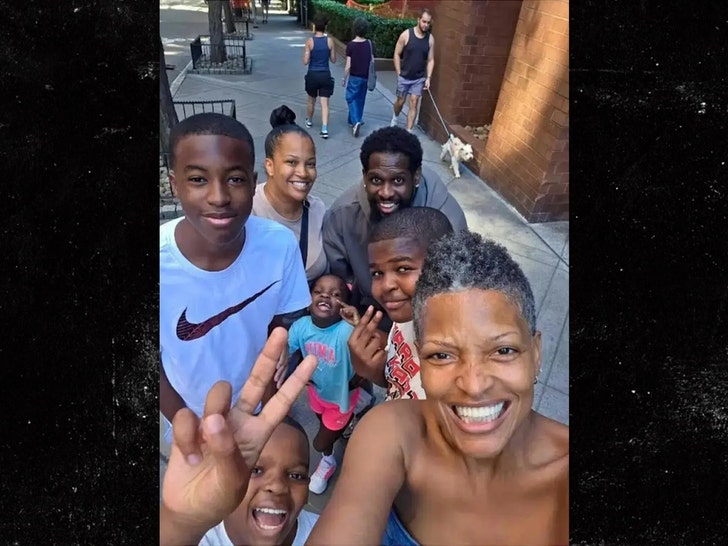
The story of Alisa Goods resonated deeply within communities, both in her native New York City and in Las Vegas. It sparked discussions about public safety, the vulnerability of individuals, particularly older adults, traveling alone, and the unforeseen dangers that can arise even in seemingly safe environments. The case garnered sympathy and concern, highlighting the universal fear of a loved one vanishing without a trace. The public’s sustained interest underscores a collective desire for justice and a complete understanding of such tragic events.
Broader Implications and Public Safety Concerns
The tragic case of Alisa Goods carries several broader implications, particularly concerning public safety and the complexities of modern criminal investigations. Her disappearance and subsequent death highlight the inherent vulnerabilities faced by individuals, especially those unfamiliar with a particular city, who may become disoriented or fall victim to unforeseen circumstances. Even in highly surveilled urban environments like Las Vegas, secluded areas can exist where an individual in distress might go unnoticed for extended periods. This underscores the importance of travel safety precautions, such as sharing itineraries, maintaining regular contact with friends or family, and being aware of one’s surroundings.
Furthermore, the bitcoin ransom demand serves as a stark reminder of the evolving landscape of criminal exploitation. Scammers and malicious actors are increasingly sophisticated, leveraging technology and public information to prey on vulnerable individuals and their distraught families. This element complicates missing person investigations, as authorities must distinguish between genuine threats and opportunistic hoaxes, dedicating valuable resources to tracing digital footprints. It reinforces the need for public awareness regarding online scams and digital security.
The role of technology, specifically airport surveillance, in ultimately leading to Goods’ discovery is also a significant takeaway. While the footage did not prevent the tragedy, it provided the critical piece of evidence needed to resolve the physical location of her body, demonstrating the invaluable, albeit sometimes delayed, contribution of such systems to criminal investigations. However, the two-week delay in identifying and acting on that footage also suggests potential areas for improvement in monitoring and rapid response protocols, particularly in areas bordering major infrastructure where individuals might inadvertently wander.
As the Las Vegas Metropolitan Police Department continues its investigation, the focus remains on piecing together the full narrative of Alisa Goods’ final moments. The community, both in Las Vegas and New York City, along with her heartbroken family, awaits the complete findings, hoping that the ongoing inquiry will provide the answers needed to bring a measure of closure to this deeply unsettling and tragic case. The complexities of her death, juxtaposed with the bizarre ransom demands, ensure that the case of the missing NYC grandma found near the Vegas airport will continue to be a subject of intense scrutiny until all questions are definitively answered.



 Yuyun Lusiyani
 Joko Widodo
 Jia Lissa
 Pevita Pearce