
 admin
admin
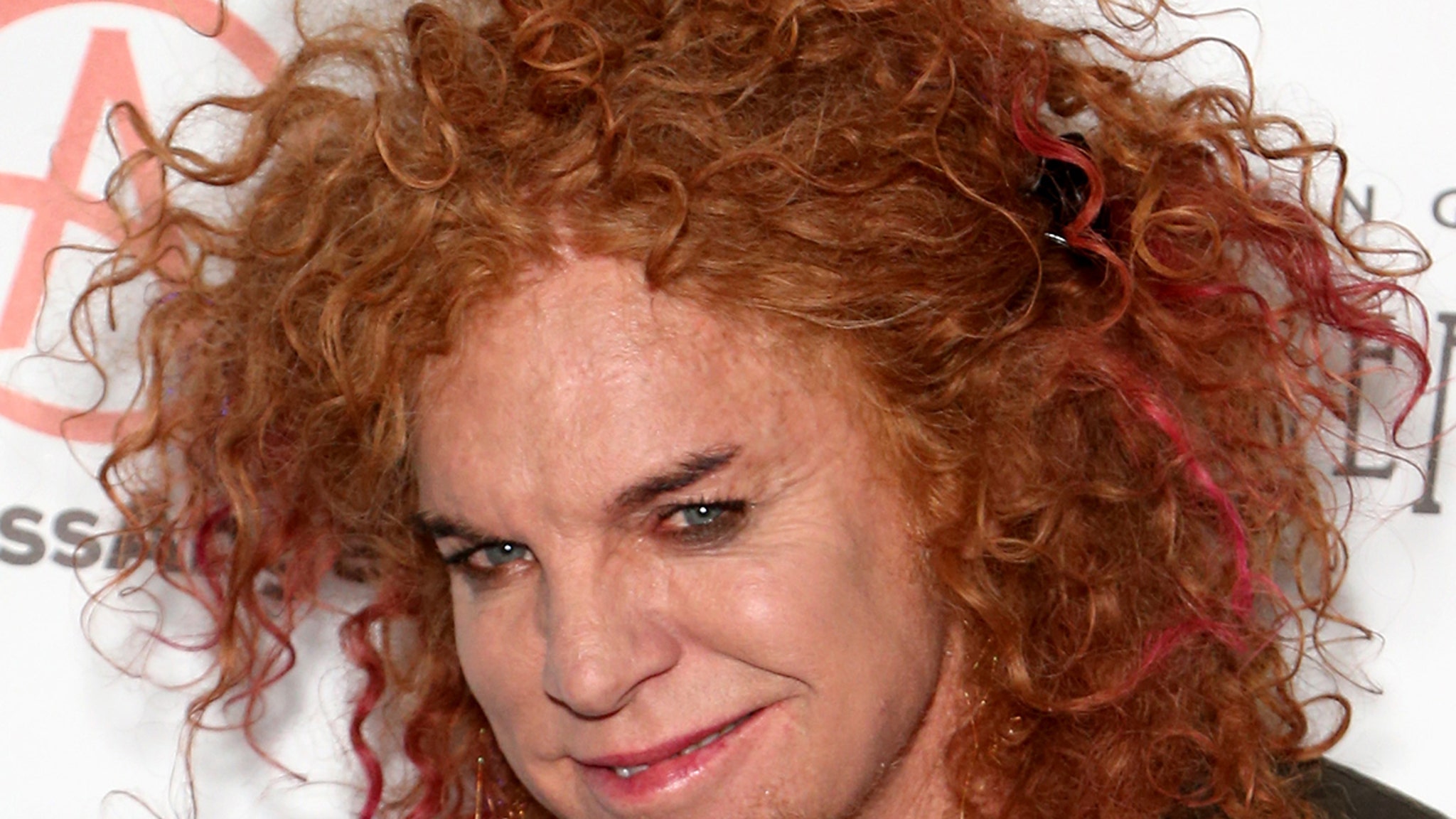
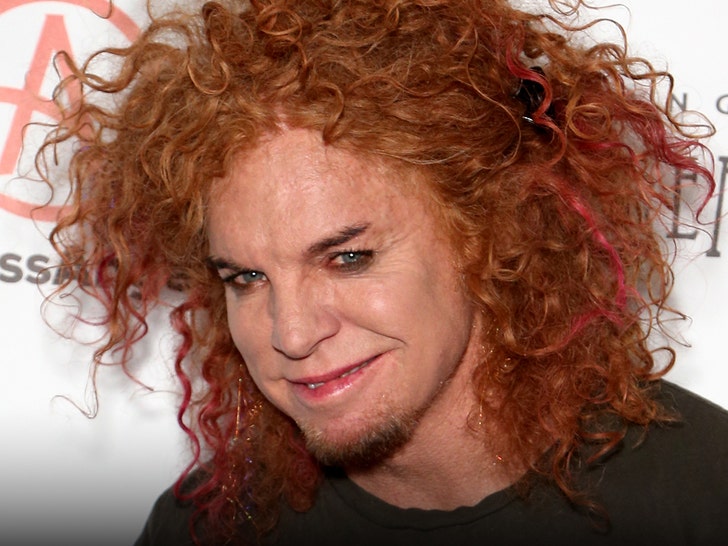
Veteran comedian Scott Thompson, famously known as Carrot Top, has been discharged from the hospital and is now recuperating at home with his family after a critical period following a suicide attempt. The news, initially reported by PEOPLE and confirmed by TMZ, brings a sense of relief to fans and the entertainment community who have been closely monitoring his condition since the alarming incident on September 18, 2026. Sources close to the entertainer confirm he is "doing well" and focusing on his recovery in the comfort of his Las Vegas residence.
The past week has been a harrowing ordeal for the iconic prop comic and those around him. His hospitalization stemmed from a suspected overdose at his home, which authorities responded to after a series of distressing communications from Thompson. This incident has cast a stark light on the immense pressures faced by public figures and underscored the critical importance of mental health awareness and intervention.
A Detailed Chronology of Events
The events leading to Carrot Top’s hospitalization unfolded rapidly on September 18th. The catalyst appears to have been a news article detailing allegations of "sexual inappropriateness" against the comedian. While the specifics of these allegations have not been widely detailed, their impact on Thompson was immediate and severe, according to police reports.
-
Pre-September 18th Context: Carrot Top, born Scott Thompson, has carved out a unique and enduring career in comedy, largely defined by his signature shock of red hair, muscular physique, and an elaborate array of props. He has been a staple in the entertainment industry for decades, gaining widespread recognition in the 1990s and cementing his status with a long-running and highly successful residency in Las Vegas. His shows are known for their high energy, visual gags, and audience interaction. The longevity of his career, especially in the competitive Las Vegas market, speaks to his dedication and connection with his audience. Such a career, however, also comes with intense public scrutiny and the constant pressure to perform and maintain a clean public image. Allegations of any kind, particularly those of a serious nature like sexual inappropriateness, can swiftly unravel years of reputation building and cause profound personal distress.
-
September 18th – The Precipitating Crisis: On the day of the incident, Thompson’s manager reportedly informed him about the published news article. The content of this conversation and Thompson’s immediate reaction painted a grim picture. According to a police report obtained by TMZ, Thompson expressed profound despair, stating that his show was "going to be over." He also made a deeply concerning comment, hoping a "third party and her daughter would be okay without him." This phrase strongly suggested suicidal ideation and concern for the well-being of others in his absence. Shortly thereafter, Thompson allegedly texted his manager with a terse, alarming message: "Done."
-
The Critical Intervention: Recognizing the gravity of Thompson’s statements and his inability to re-establish contact with the comedian, his manager took swift and decisive action, alerting authorities to check on his well-being. This proactive step proved to be crucial in potentially saving Thompson’s life. Simultaneously, an unnamed woman who went to check on Thompson also placed a frantic 911 call. Dispatch audio from this call, later released, captured her distressed voice describing Thompson as awake but "passing out," with his eyes rolling back and his face turning blue – clear indicators of a severe medical emergency.
-
Emergency Response and Hospitalization: Responding to the urgent calls, law enforcement officers arrived at Carrot Top’s Las Vegas residence. They discovered him unconscious, though still breathing, next to a pool in his backyard. Paramedics were immediately on scene, providing initial medical aid before rushing him to a local hospital. Upon arrival, his condition was described as critical, necessitating intensive medical care and close monitoring. For over a week, Thompson remained hospitalized, undergoing treatment not only for the physical effects of the overdose but also, presumably, receiving mental health evaluations and support. During this period, his management and family maintained a strict silence, prioritizing his privacy and recovery, a common and understandable approach in such sensitive situations.
-
September 26th – The Release: After a period of intense medical care and watchful waiting, the positive news of his discharge emerged. Thompson’s return home signifies a crucial step in his recovery journey. Being surrounded by family offers an invaluable support system for healing, both physically and emotionally. While the immediate danger has passed, the road to full recovery, particularly concerning mental health, is often long and requires ongoing care and support.
The Broader Context: Mental Health in the Spotlight
Carrot Top’s experience serves as a poignant reminder of the pervasive issue of mental health struggles, particularly within the high-pressure environment of the entertainment industry. Public figures, despite their perceived glamour and success, are not immune to profound psychological distress, often exacerbated by constant scrutiny, performance demands, and the immediate, sometimes brutal, impact of public opinion and allegations.
-
The Weight of Public Scrutiny: Celebrities live under a microscope, where every action, statement, and rumor can be amplified globally within moments. Accusations, even unverified ones, can trigger what is often referred to as "cancel culture," leading to immediate professional repercussions and intense public backlash. For someone whose livelihood and identity are intrinsically linked to public perception, such an event can be devastating, leading to feelings of isolation, shame, and hopelessness. Research consistently shows a strong correlation between public humiliation, social isolation, and increased risk of depression and suicide.
-
Mental Health Challenges in Entertainment: The entertainment industry is notorious for its demanding nature. Performers often face irregular schedules, financial instability (especially earlier in their careers), constant travel, and the pressure to maintain a specific image. Studies by organizations like the World Health Organization and various mental health advocacy groups highlight that individuals in creative professions often experience higher rates of anxiety, depression, and substance abuse compared to the general population. The constant need for validation, the fear of failure, and the intense competition contribute significantly to this vulnerability. The stigma surrounding mental illness often prevents individuals, especially public figures, from seeking help for fear it might negatively impact their careers.
-
The Importance of Intervention and Support Systems: This incident powerfully illustrates the vital role of a strong support system. The prompt actions of Carrot Top’s manager and the woman who discovered him were instrumental. Recognizing the warning signs – changes in mood, expressions of hopelessness, and explicit suicidal statements – and acting decisively are critical in preventing tragic outcomes. Organizations like the 988 Suicide & Crisis Lifeline emphasize that a timely intervention by a trusted friend, family member, or colleague can be the difference between life and death. The 988 service, mentioned in the original report, provides immediate, free, and confidential support to people in suicidal crisis or emotional distress.
Analysis of Implications and The Road Ahead
Carrot Top’s hospitalization and subsequent release carry significant implications, both for his personal journey and for the broader discussion on mental health and media ethics.
-
Personal Recovery and Professional Future: For Thompson, the immediate priority is comprehensive recovery, which will likely involve ongoing therapy, medical supervision, and a period of rest away from the demands of his public life. Returning to the stage after such a traumatic event will be a personal decision, and if he chooses to do so, it might be accompanied by a new perspective or a more open dialogue about his experiences. His long-standing residency in Las Vegas is a significant part of his career, and how this event impacts his future performances, if at all, remains to be seen. Many public figures who have navigated similar crises have found renewed purpose and connection with their audience by sharing their vulnerabilities.

-
Media Ethics and Responsible Reporting: The incident also prompts a critical reflection on media practices. While news organizations have a responsibility to report on allegations of public concern, the manner and timing of such reports, especially when they involve sensitive personal matters, must be carefully considered. The psychological toll that public allegations can take on an individual, particularly when their mental state is fragile, is immense. This case highlights the delicate balance between the public’s right to know and an individual’s right to privacy and mental well-being, urging media outlets to consider the potential human cost of their reporting.
-
Destigmatizing Mental Health: Perhaps the most enduring implication of this event is its potential to further destigmatize mental health issues. When a well-known personality like Carrot Top faces such a crisis, it can resonate deeply with the public, demonstrating that mental health challenges affect everyone, regardless of their status or apparent success. It opens a door for more compassionate conversations about depression, anxiety, and suicidal ideation, encouraging more individuals to seek help without shame or fear of judgment. Mental health advocates often stress that incidents like these, while tragic, can serve as powerful catalysts for public education and the promotion of available resources.
Moving Forward
As Carrot Top embarks on his recovery, the outpouring of concern and well wishes from fans and colleagues underscores the human element beneath the celebrity persona. His journey back to full health, both physical and mental, will undoubtedly be a process that requires patience, professional support, and the unwavering love of his family. The incident serves as a stark reminder to everyone – public figures and private citizens alike – of the fragility of mental well-being and the paramount importance of fostering environments where seeking help is not just accepted, but actively encouraged.
For those struggling or in crisis, help is always available. The 988 Suicide & Crisis Lifeline offers free, confidential support 24/7. Call or text 988, or chat online at 988lifeline.org.



 Jia Lissa
 Yuyun Lusiyani
 Joko Widodo
 Eva Lovia

 Pevita Pearce