
 Pevita Pearce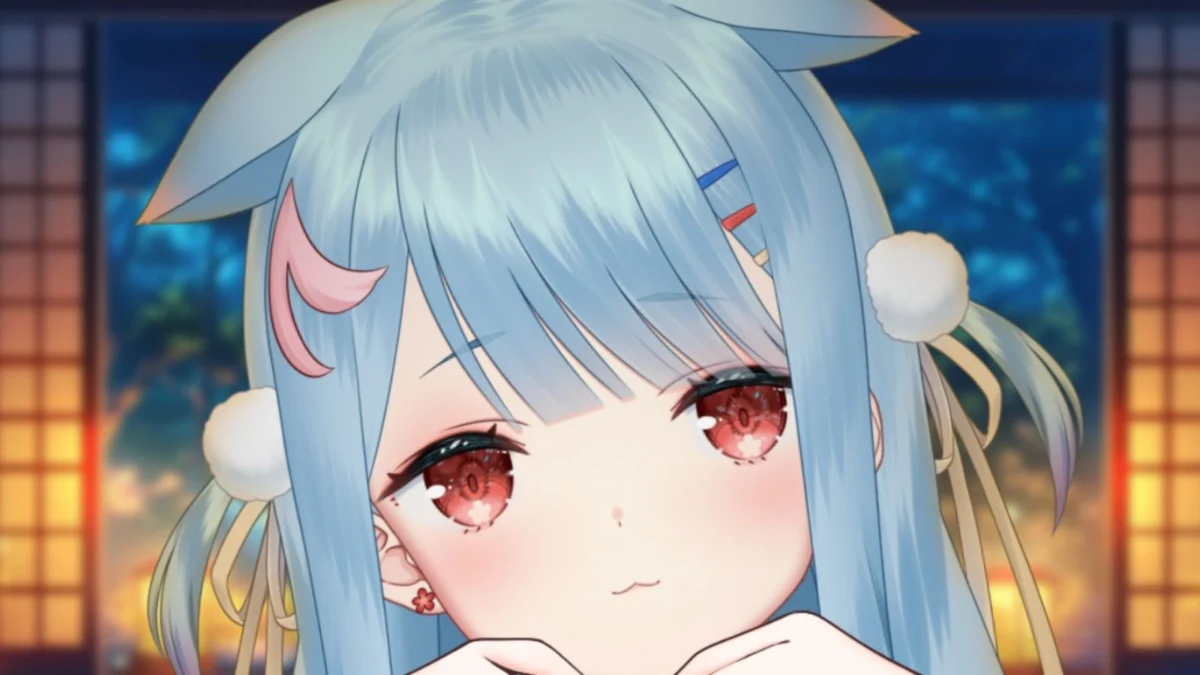
The virtual content creation landscape was recently shaken when Komai Ume, a veteran VTuber affiliated with the Varium agency, experienced a significant technical malfunction during a live broadcast. The incident, which resulted in a brief but clear exposure of the creator’s physical appearance, has ignited a global conversation regarding the precarious nature of digital privacy and the evolving relationship between virtual idols and their dedicated fanbases. Rather than the backlash or scrutiny that often follows such exposures in the broader celebrity world, the VTubing community has responded with an overwhelming wave of empathy, highlighting a maturing audience that prioritizes the well-being of creators over the "kayfabe" of their digital avatars.
The Mechanics of the Incident and Immediate Aftermath
For nearly four years, Komai Ume has built a successful career behind the persona of an animated avatar, establishing herself as a staple of the Varium talent roster. The incident occurred during a routine stream when a software or hardware failure bypassed the virtual filtering layers typically managed through programs like Live2D or VTube Studio. In a matter of seconds, the "mask" of the digital character was dropped, revealing the person behind the technology to thousands of live viewers.
Following the glitch, the broadcast was abruptly terminated. Ume subsequently took an unannounced 24-hour hiatus from all social media platforms and streaming activities, a move common among creators facing sudden digital crises. This period of silence sparked concern among her followers, who feared the incident might lead to a permanent "graduation"—the industry term for a VTuber’s retirement. However, Ume returned to the public eye shortly thereafter, addressing the situation with a formal statement that emphasized personal accountability and professional regret.
“I wasn’t able to sufficiently check the streaming setup, and as a result, an unintended issue occurred,” Ume wrote in a statement translated for her international audience. “I am truly sorry.” She further apologized for the sudden absence and pledged to implement more rigorous equipment checks to prevent a recurrence, expressing a desire to continue her journey with her community despite the breach of her private identity.
A Chronology of Virtual Identity Exposure
The exposure of a VTuber’s "real face" (often referred to as "the soul" in industry parlance) is considered one of the most critical risks in the profession. To understand the gravity of Komai Ume’s situation, one must look at the timeline of VTubing as a medium:
- The Early Era (2016–2018): Pioneered by Kizuna AI, the industry was built on the premise of total immersion. The person behind the avatar was strictly confidential, and any breach was seen as a career-ending event.
- The Expansion Era (2019–2021): With the rise of Hololive and NIJISANJI, the community grew exponentially. Technical glitches became more frequent as the number of streaming hours increased globally. Some creators, like Shylily, faced similar accidental reveals but managed to maintain their careers through transparent communication.
- The Contemporary Era (2022–Present): The line between the virtual and the physical has blurred. While anonymity remains the standard for safety and branding, the audience has become more protective of the person behind the model.
Komai Ume’s incident sits at a turning point where the "magic" of the avatar is no longer fragile. The 24-hour timeline from the glitch to her public apology and the subsequent community rally suggests a streamlined crisis management approach that prioritizes human connection over corporate damage control.
Analyzing the Technical Vulnerabilities of Virtual Streaming
The incident involving Komai Ume serves as a technical case study for the vulnerabilities inherent in modern streaming setups. Most VTubers utilize a complex "stack" of software:
- Tracking Software: Uses a webcam or iPhone (LiDAR) to track facial movements.
- Rendering Software: Translates those movements onto a 2D or 3D model.
- Broadcasting Software (OBS): Layers the model over gameplay or backgrounds.
A "face slip" typically occurs when the broadcasting software accidentally captures the "source" feed (the raw webcam) instead of the "processed" feed (the avatar). This can happen due to a misconfigured hotkey, a software crash that resets layer visibility, or a "leak" through the preview window. For a veteran like Ume, who has maintained her anonymity for four years, such a failure highlights that even the most experienced professionals are susceptible to the unpredictability of live digital environments.
Public Reaction and the Shift in Community Culture
The response to Ume’s apology was notably devoid of the vitriol often associated with internet "doxxing" or exposure events. On social media platforms like X (formerly Twitter) and Reddit, fans flooded her mentions with messages of reassurance.

“Mistakes happen, people need to understand that things like this are bound to happen while being a VTuber,” one prominent fan commented. “But please don’t be sorry! You’re a normal human being, we all are human beings.”
This sentiment reflects a broader shift in the VTubing ecosystem. In its infancy, the community often treated the avatar as the primary entity. However, as the medium has matured, the audience has developed deep parasocial bonds with the performer. This "human-first" approach means that when the virtual veil is accidentally lifted, the audience’s instinct is to protect the performer’s privacy rather than exploit the revelation. Many community members actively discouraged the sharing of screenshots from the incident, citing the importance of respecting Ume’s original intent to remain anonymous.
The "Ironmouse Philosophy" and the Right to Anonymity
The conversation surrounding Komai Ume inevitably draws comparisons to other major figures in the industry. Ironmouse, one of the most successful VTubers in the world, has frequently discussed her stance on face reveals. She has stated she will "never" do a face reveal, citing health reasons, personal safety, and the desire to be judged solely on her talent and personality rather than her physical appearance.
The importance of this anonymity cannot be overstated. For many creators, the avatar is a shield against the intense scrutiny and harassment often directed at female streamers. It allows them to separate their private lives from their public personas, providing a level of psychological safety that traditional "cam-ming" does not offer. When a glitch like Ume’s occurs, it is not just a branding issue; it is a breach of a safety mechanism. The community’s supportive reaction is, in many ways, a collective effort to repair that shield.
Broader Industry Implications and Future Outlook
The Varium agency and other similar organizations are likely to use this incident as a catalyst for stricter technical protocols. Industry analysts suggest several potential outcomes for the VTubing sector following this event:
1. Enhanced Fail-Safe Technologies
Developers of VTubing software may begin implementing "hardware-level" kill switches or "privacy curtains" that automatically black out the screen if the tracking software loses its connection to the avatar layer.
2. Legal and Ethical Frameworks
As VTubing becomes a mainstream form of entertainment, there is a growing call for platforms like YouTube and Twitch to implement stricter policies against the dissemination of "unintended face reveals." Treating such images as a form of non-consensual content could provide creators with more legal recourse.
3. Normalization of the "Soul"
Ume’s incident proves that a face reveal does not have to be a career-ending event. If a creator handles the situation with grace and the community responds with kindness, the "mystique" of the avatar can be successfully rebuilt. This may reduce the extreme pressure and anxiety many VTubers feel regarding the possibility of a technical error.
Conclusion
The story of Komai Ume’s technical mishap is ultimately one of resilience and community solidarity. While the glitch was an "unintended issue" that caused the creator significant distress, the aftermath has revealed the strength of the bond between VTubers and their fans. In an era where digital privacy is increasingly fragile, the VTubing community’s decision to look away from the "real face" and continue supporting the "virtual soul" marks a significant milestone in the evolution of online culture.
Komai Ume’s return to streaming signals that her career will not be defined by a few seconds of technical failure, but by the four years of content she has created and the loyal community she has fostered. As she moves forward with more thorough equipment checks and the unwavering support of her fans, the industry at large takes away a vital lesson: the avatar may be virtual, but the respect and empathy of the audience are very much real.




 Yuyun Lusiyani
 Ana Megawati
 Joko Widodo
 Eva Lovia
 Jia Lissa