
 Ana Megawati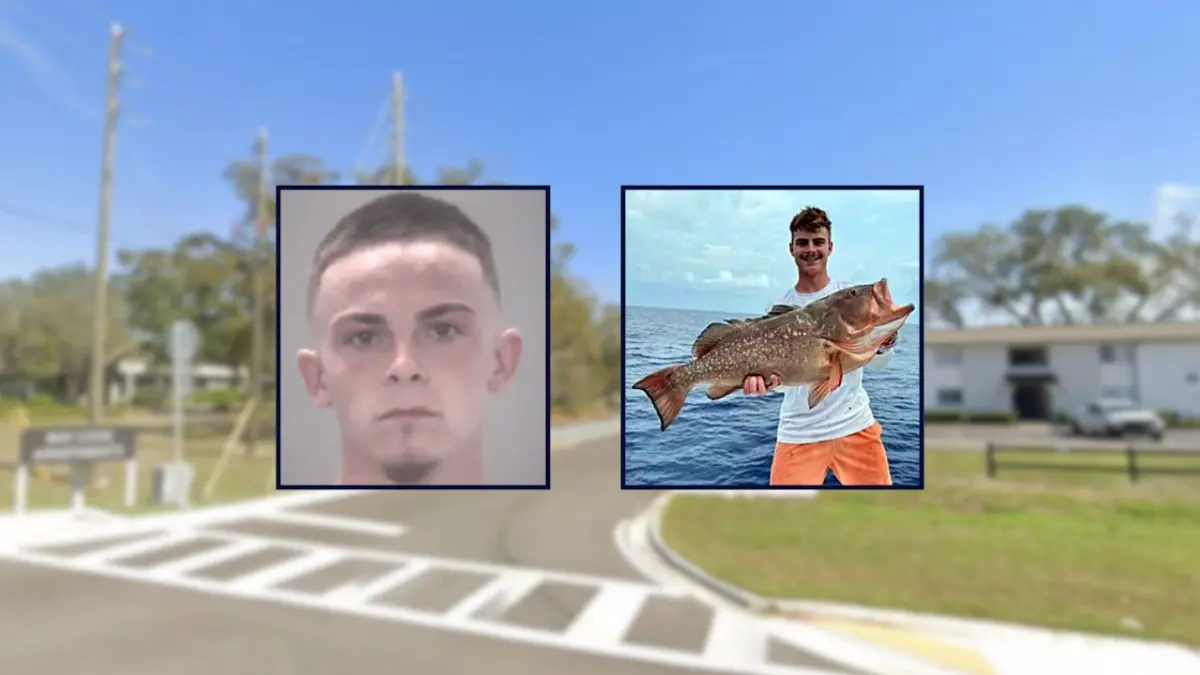
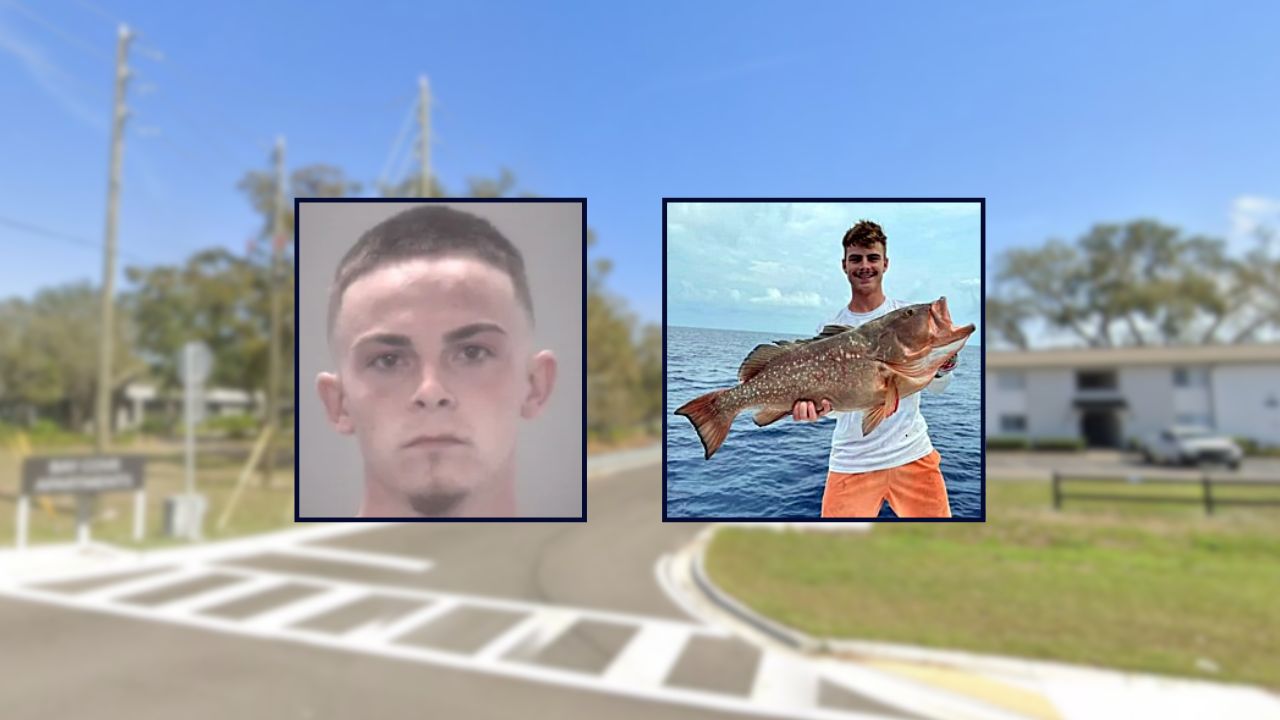
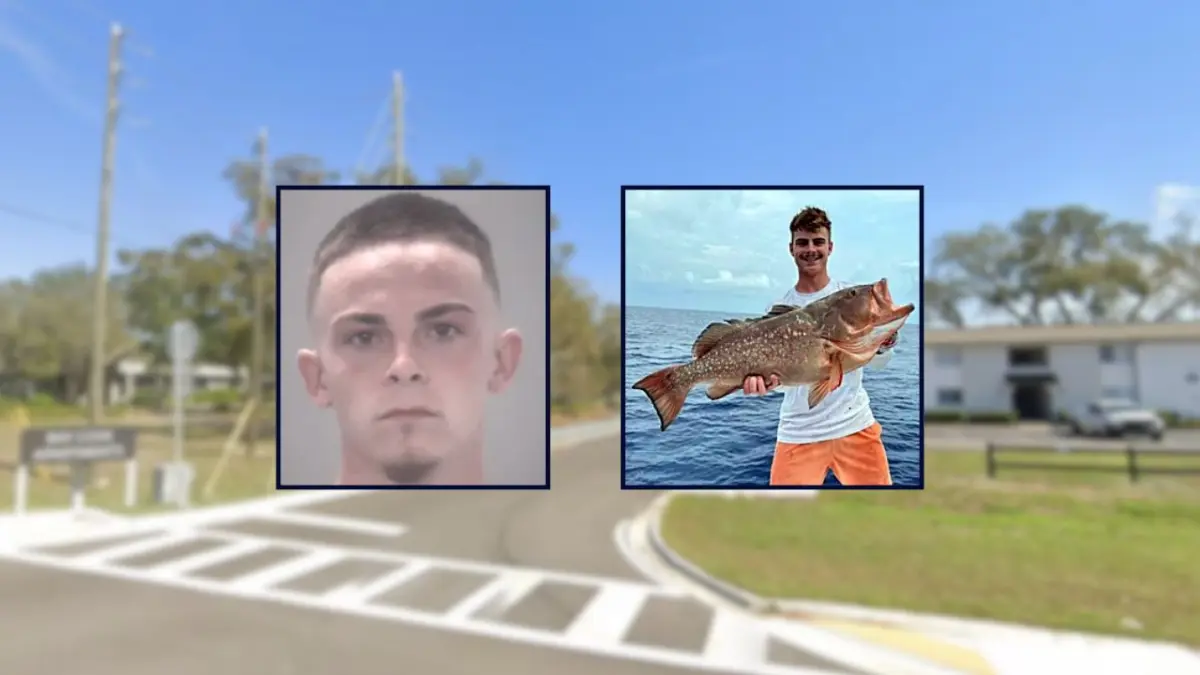
Clearwater, Florida – Stuart Beck, 25, has been sentenced to 30 years in state prison following his conviction for the second-degree murder of Michael Conrad, 20, an act stemming from a volatile love triangle that culminated in a fatal shooting in July 2022. The sentencing, handed down by Sixth Judicial Circuit Judge Philippe Matthey in Pinellas County, brings a degree of closure to a case marked by disputed narratives and profound loss. Beck’s conviction, delivered by a jury in July, signifies a legal system’s determination to hold individuals accountable for violence, even amidst claims of self-defense and passion.
The Tragic Events of July 6, 2022: A Disputed Confrontation
The fatal incident unfolded in the early morning hours of July 6, 2022, at the Bay Cove Apartments, located at 19135 U.S. Highway 19 North in Clearwater, a populous city situated approximately 20 miles west of Tampa. The apartment complex, since defunct, became the scene of a deadly confrontation between Beck and Conrad. At the heart of the dispute was a woman, Beck’s former girlfriend and Conrad’s new romantic interest, whose apartment was the epicenter of the violence.
According to initial reports and later trial testimony, Beck arrived at the apartment complex, ostensibly unaware of Conrad’s presence, though prosecutors later presented evidence to contradict this claim. The situation quickly escalated into a physical altercation, the precise nature and instigation of which remained a central point of contention throughout the legal proceedings. What is undisputed, however, is that during this confrontation, Beck discharged a firearm, striking and killing Conrad.
The Clearwater Police Department responded to reports of the shooting, initiating an immediate investigation that led to Beck’s arrest. The swift action by law enforcement set in motion a legal process that would span over a year, delving into the intricacies of human emotion, relationship dynamics, and the critical legal definitions of intent and self-defense.
A Shifting Narrative: From Accident to Intentional Shooting
From the moment of his arrest, Stuart Beck’s account of the shooting underwent significant changes, a factor that heavily influenced the prosecution’s case. Initially, Beck maintained that the shooting was accidental. This stance persisted through the initial phases of the investigation and his pre-trial detention. However, during his testimony on the witness stand, Beck presented a revised narrative, admitting that while he did not intend to kill Conrad, he did intend for the gun to discharge.
"I didn’t mean to kill him, but I meant for the gun to go off," Beck reportedly told the jury, a statement that became a critical piece of evidence in undermining his initial claims of a purely accidental discharge. This shift in testimony aimed to align with a self-defense argument, wherein Beck claimed to have been in fear for his life. He testified that he had been previously beaten by Conrad and two of his friends, leading him to believe he was in grave danger during the final confrontation in the bedroom.
Beck recounted a struggle for the gun, describing a desperate attempt to fend off Conrad. "We were basically wrestling for the gun and moving around the general area," he testified. "I had tried to raise my hand to get him to let go, and at that time he had his other hand on the gun, and I started losing grip, and I tried to hit him with the gun to get him to let go, and he didn’t let go. I felt it was in my best interest to shoot him at that time otherwise he would get the gun." This defense strategy centered on the notion that Beck acted out of an immediate necessity to protect himself from further harm or from Conrad gaining control of the weapon.
The Prosecution’s Counter-Narrative: Premeditation and Aggression
The state, represented by the Pinellas County State Attorney’s Office, vehemently challenged Beck’s self-defense claim, painting a picture of an aggressive and premeditated act. Prosecutors focused on the moments leading up to the shooting, emphasizing Beck’s actions as an intruder rather than a victim. Key to their argument was the testimony that Beck had forcibly entered the apartment by kicking in the door.
"You cannot break down a door, break into an apartment, point a gun at someone who has nothing on him," a prosecutor argued during the trial. "That’s not self-defense, members of the jury, that’s murder. You don’t get so close to somebody and put a pistol up against their chest as an accident." This line of argument aimed to dismantle the self-defense claim by establishing Beck as the aggressor who initiated the confrontation with lethal intent.
Furthermore, the prosecution presented testimony from the woman at the center of the dispute, Beck’s ex-girlfriend. She testified that the couple had broken up several months prior to the shooting, though Beck’s name remained on the lease. She had begun seeing Conrad, but also occasionally still interacted with Beck. Crucially, she testified that Beck had called her, indicating he knew Conrad was present at the apartment because he had seen Conrad’s truck parked outside. This directly contradicted Beck’s claim of being unaware of Conrad’s presence, suggesting a degree of intent and prior knowledge that undermined his defense. The prosecution sought to portray Beck’s actions as a deliberate act fueled by jealousy and rage over his ex-girlfriend’s new relationship.
The Legal Landscape: Murder in Florida
To understand the jury’s verdict, it’s essential to briefly consider Florida’s legal definitions of homicide:
- First-Degree Murder: Requires premeditation, meaning the killer formed an intent to kill before the act. It is often associated with a deliberate, calculated killing.
- Second-Degree Murder: Involves an intentional killing but without premeditation. It often arises from a sudden fit of passion or rage, or when an individual acts with a depraved mind, demonstrating a disregard for human life, but without prior planning.
- Manslaughter: Occurs when a person causes the death of another through negligence or in the heat of passion, but without the intent to kill. Defense attorney Scott Tremblay argued for this lesser charge, stating, "This is a heat-of-passion shooting; this is a love triangle. This is a manslaughter case at best."
The jury’s ultimate decision to convict Beck of second-degree murder reflects their assessment of the evidence. By rejecting a first-degree murder conviction, they indicated that they did not believe the prosecution had proven beyond a reasonable doubt that Beck acted with premeditation – that is, that he had a prior plan or intent to kill Conrad before arriving at the apartment. However, by rejecting manslaughter, they also dismissed the defense’s argument that the shooting was merely an accidental outcome of a struggle or solely a "heat-of-passion" incident without intent to cause death or grievous bodily harm. Instead, the verdict suggests the jury concluded that Beck intended to shoot Conrad and that his actions demonstrated a disregard for human life, even if the specific intent to kill was not pre-planned. This aligns with the prosecution’s argument that Beck was the aggressor who escalated the situation, despite his claims of self-defense.
The Verdict and Its Impact
Following intense deliberations, the jury largely sided with the state’s narrative, finding Stuart Beck guilty of murder in the second degree in July. This verdict underscored the jury’s belief that Beck’s actions were not justifiable self-defense, nor were they merely accidental, but rather a deliberate act that resulted in Conrad’s death, albeit without the element of premeditation necessary for a first-degree conviction.
For the family of Michael Conrad, the conviction brought a measure of justice, though it could never fully heal the wound of their loss. During the subsequent sentencing hearing, the emotional toll of Beck’s actions became palpable. One of Conrad’s aunts delivered a powerful victim impact statement, articulating the profound grief and void left by his death.
"You didn’t just kill him; you killed laughter in our home," she stated, her words resonating with the pain of a family forever altered. "You killed quiet moments that should have been filled with his voice. You condemned us to a lifetime of grief, and I hope you carry that same burden." Such statements are crucial components of the sentencing phase, providing the court with insight into the ripple effects of violent crime on victims’ loved ones and helping to inform the judge’s decision regarding the appropriate penalty.
Sentencing and Implications
Sixth Judicial Circuit Judge Philippe Matthey sentenced Stuart Beck to 30 years in state prison. This sentence falls within the typical range for second-degree murder convictions in Florida, which can carry penalties ranging from a minimum of 15 years to a maximum of life imprisonment, depending on the specifics of the case, the defendant’s criminal history, and aggravating or mitigating factors. The 30-year term reflects the gravity of Beck’s actions and the tragic loss of life, balanced against the jury’s finding of no premeditation.
This case highlights several broader societal implications:
- The Escalation of Domestic Disputes: The "love triangle" dynamic is a recurrent theme in violent crimes. This incident serves as a stark reminder of how relationship conflicts, particularly those involving jealousy and feelings of possessiveness, can tragically escalate to lethal outcomes when coupled with access to firearms and poor impulse control.
- Gun Violence: The presence of a firearm turned a volatile argument into a deadly confrontation. The ease with which a weapon was introduced and discharged underscores ongoing concerns about gun violence and its role in personal disputes.
- The Justice System’s Role: The trial and sentencing demonstrate the meticulous process by which the legal system attempts to reconstruct events, assess intent, and deliver justice. The distinction between first-degree, second-degree murder, and manslaughter, meticulously debated by both prosecution and defense, showcases the nuances of criminal law in determining culpability and appropriate punishment.
- Victim Impact: Beyond the legal definitions and courtroom procedures, the human cost of such crimes is immeasurable. Michael Conrad’s life was cut short at 20, leaving a family to grapple with unimaginable grief. The victim impact statements serve as a poignant reminder that behind every legal case are real lives profoundly affected.
Stuart Beck will now spend decades behind bars, a consequence of his actions on that fateful night in Clearwater. The Bay Cove Apartments, where the tragedy unfolded, may no longer stand, but the memory of Michael Conrad and the legal precedent set by Beck’s conviction will endure, serving as a somber reminder of the devastating consequences of unchecked anger and violence. The case underscores the critical importance of de-escalation in conflicts and the profound responsibility that comes with possessing a firearm.


 Yuyun Lusiyani
 Joko Widodo
 Eva Lovia
 Jia Lissa
 Pevita Pearce