
 Pevita Pearce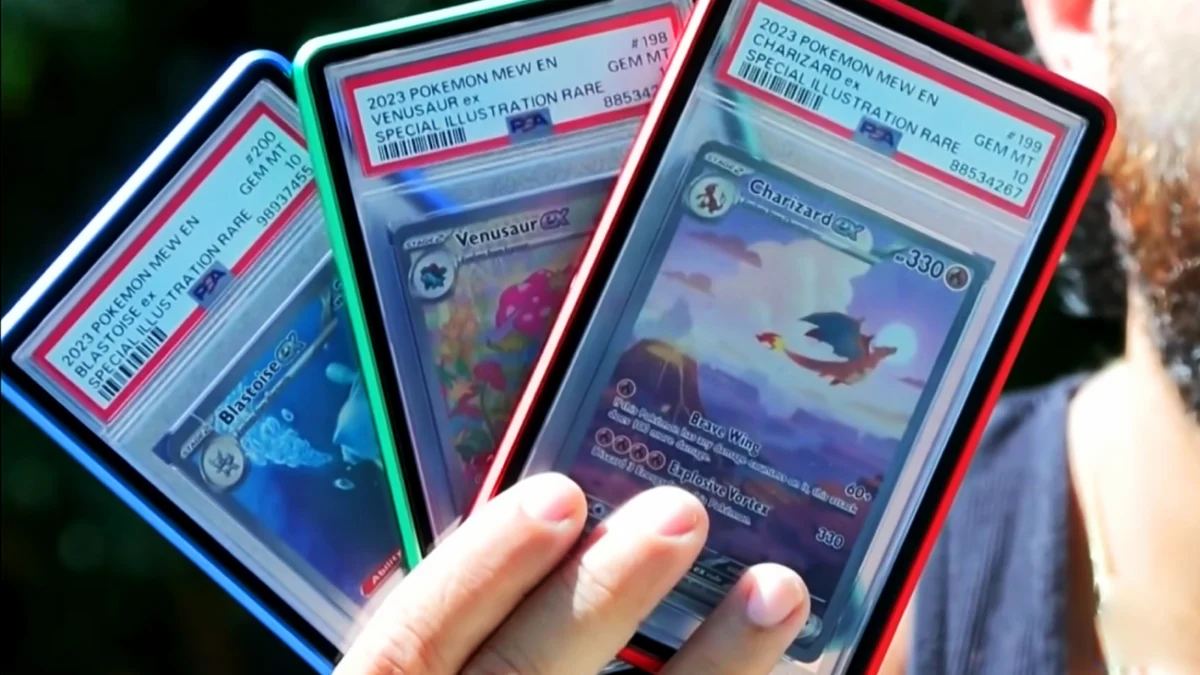
The secondary market for high-value collectibles has long been a target for opportunistic crime, but a recent incident in British Columbia highlights a remarkable intersection of brazen theft and digital negligence. Emilio Kihien, a dedicated Pokémon card collector based in Coquitlam, recently navigated a harrowing ordeal that began with a violent robbery and ended in a self-orchestrated sting operation at one of Canada’s largest shopping centers. The recovery of his stolen assets, valued in the thousands of dollars, was made possible by an oversight on the part of the alleged thieves: they attempted to resell the stolen goods on the same platform where they found their victim, utilizing Kihien’s own original listing photographs.
The incident began as a standard peer-to-peer transaction facilitated through Facebook Marketplace. Kihien had listed three rare Pokémon cards for sale, attracting a prospective buyer who agreed to a meeting at Kihien’s residence in Coquitlam. While home-based transactions are common in the hobbyist community, they carry inherent risks that Kihien would soon experience firsthand. Upon meeting the individual, the transaction appeared to proceed normally until the exchange of goods and currency took place. The buyer handed Kihien $4,000 in cash, but as soon as the cards were in the suspect’s possession, the situation turned from a business deal into a high-stakes robbery.
The Initial Theft and Physical Confrontation
As Kihien inspected the currency, he quickly realized the bills were counterfeit. Before he could voice his concerns, the suspect fled toward a waiting getaway vehicle. In a moment of adrenaline-fueled desperation, Kihien pursued the individual and attempted to stop the vehicle from departing. According to Kihien’s account provided to local media, he clung to the side of the car as it accelerated, eventually losing his grip and falling onto the pavement. The fall resulted in various physical injuries, including significant scrapes and road rash, though he avoided more life-threatening harm.
Following the escape of the suspects, Kihien reported the incident to the Coquitlam RCMP. However, the initial outlook for the recovery of the items was bleak. Digital transactions and physical handovers involving counterfeit currency often leave a cold trail, especially if the suspects utilize burner accounts or stolen vehicles. Law enforcement officials reportedly informed Kihien that immediate action was limited by the lack of identifying evidence at the time. This prompted a period of frustration for the collector, who saw both his physical well-being and his financial investment compromised.
A Crucial Mistake: The Digital Paper Trail
The trajectory of the case shifted dramatically just days later when Kihien’s network of fellow collectors and friends flagged a new listing on Facebook Marketplace. The listing featured the exact three cards that had been stolen from Kihien. In a move that Kihien later described as lacking intelligence, the individuals offering the cards had not taken new photos of the items. Instead, they had downloaded and reused the high-resolution images Kihien had originally used to advertise his collection. These photos contained specific identifiers—including the unique certification numbers on the professional grading slabs—that proved beyond any doubt that the items were his.
"I’m just thinking, you know what? These guys can’t be the most intelligent of people," Kihien remarked when reflecting on the discovery. The reuse of the photos provided Kihien with the leverage he needed to locate the suspects. Rather than waiting for the slow wheels of a formal investigation to turn, Kihien and a group of associates decided to take a proactive, albeit controversial, approach to reclaiming the property.
The Metropolis at Metrotown Sting
Posing as interested buyers, Kihien’s associates contacted the sellers and arranged a meeting at Metropolis at Metrotown, a major shopping mall in Burnaby. To ensure the encounter was documented, the group utilized modern surveillance technology, including a pair of sunglasses equipped with a built-in camera. This allowed them to record the interaction in real-time without alerting the suspects.
Upon arriving at the designated meeting spot, Kihien and his friends confronted the two individuals who appeared with the cards. The recorded footage captures a tense moment where Kihien informs the suspects that they are not permitted to leave, while instructing his companions to contact the Burnaby RCMP. "The mission was hold these guys down until the cops can get there and get my cards back," Kihien explained. The group managed to detain the suspects within the mall’s public space until uniformed officers arrived to take over the scene.
Law Enforcement Response and Official Warnings
The Burnaby RCMP confirmed that they responded to the call at the mall and subsequently arrested two individuals: one adult and one youth. The investigation is currently ongoing, with authorities considering various charges, including theft and the possession of counterfeit currency. While Kihien successfully recovered all three of his cards, the victory was bittersweet; the protective plastic cases, known as "slabs" in the hobby, had sustained damage during the ordeal. In the world of high-end collectibles, the condition of the case is often a reflection of the care given to the item, and damage to the slab can necessitate expensive re-grading services to maintain the card’s market value.
Despite the successful recovery, the Burnaby RCMP issued a stern warning regarding the risks of "vigilantism." Police spokesperson emphasized that such confrontations can escalate into violence, especially when the presence of weapons is unknown. "Vigilantism can only cause problems because no one knows who has weapons," the RCMP stated. Furthermore, law enforcement noted that victims who take the law into their own hands risk facing their own legal consequences if their actions result in injuries to the suspects.
The Context of the Pokémon Collectible Boom
To understand why three pieces of cardboard could lead to a violent robbery and a mall-based sting operation, one must look at the explosive growth of the Pokémon Trading Card Game (TCG) market. Since 2020, the value of rare Pokémon cards has skyrocketed, driven by a combination of nostalgia, pandemic-era disposable income, and the entry of high-profile investors into the hobby. Cards that were worth hundreds of dollars a decade ago now regularly command five- and six-figure sums at auction.
The cards involved in Kihien’s case were valued at approximately $4,000, but this is relatively modest compared to the "holy grails" of the hobby. For instance, a PSA 10 Grade 1st Edition Shadowless Charizard can sell for over $400,000. This high liquidity and the ease of transporting small, high-value items have made Pokémon collectors a primary target for specialized theft. Criminals recognize that these items are easier to move than jewelry or electronics and can be sold to unsuspecting buyers globally through platforms like eBay and Facebook Marketplace.
A Pattern of Targeted Thefts in the Lower Mainland
The incident involving Emilio Kihien is not an isolated event in the Vancouver area. In early 2026, the region saw a string of similar robberies that prompted a major police sting operation. In those cases, a serial robber utilized Facebook Marketplace to lure sellers to meetings before using bear spray—a potent chemical irritant—to incapacitate the victims and steal their collections.
In April 2026, the Vancouver Police Department (VPD) arrested three teenagers following an incident where a seller was bear-sprayed during a scheduled meeting to sell two cards valued at $7,000 each. These recurring incidents have led to increased pressure on local authorities to provide safer environments for digital commerce.
Safety Protocols and the Rise of Safe Exchange Zones
In response to the rise in marketplace-related crimes, many municipal police departments across Canada have established "Safe Exchange Zones." These are typically well-lit areas in police station parking lots or lobbies, monitored by 24-hour surveillance cameras. Law enforcement officials strongly urge the public to utilize these locations for any transaction involving a stranger, particularly when high-value items or large sums of cash are involved.
Kihien, reflecting on his experience, echoed this sentiment. He encouraged other collectors to prioritize security over convenience, suggesting that meetings should only take place in secure, public locations like police headquarters. Experts also recommend several other safety measures for marketplace users:
- Verify Currency: Use counterfeit detector pens or learn the security features of Canadian banknotes, such as the holographic strip and the transparent window.
- Vet the Buyer: Look for established profiles with positive feedback and avoid accounts that appear to be recently created or lack personal details.
- Bring a Companion: Never attend a meeting alone, and ensure a third party knows the location and timing of the exchange.
- Avoid High-Risk Locations: Never host a stranger at your home for a high-value transaction.
Legal and Economic Implications
The use of counterfeit currency in this theft adds a layer of federal legal complexity. In Canada, the creation, possession, and use of counterfeit money are serious offenses under the Criminal Code. If the suspects are found to be part of a larger counterfeiting ring, the investigation could expand beyond simple theft.
From an economic perspective, these incidents highlight the vulnerabilities of the "circular economy" facilitated by social media. While platforms like Facebook Marketplace provide a democratized space for trade, they lack the escrow protections and identity verification found on dedicated auction sites. As the value of collectibles continues to rise, the tension between the ease of peer-to-peer sales and the necessity of physical safety will likely result in a shift toward more formalized, secure exchange methods.
For Emilio Kihien, the ordeal serves as a cautionary tale for the global collecting community. While he managed to reclaim his property through a combination of luck and daring, the physical and emotional toll of the robbery remains a stark reminder of the risks inherent in the modern gold rush for Pokémon cards. The investigation into the two suspects continues, as the community watches to see if the legal system will provide a deterrent against the growing trend of marketplace violence.



 Yuyun Lusiyani
 Ana Megawati
 Joko Widodo
 Eva Lovia
 Jia Lissa