
 Nila Kartika Wati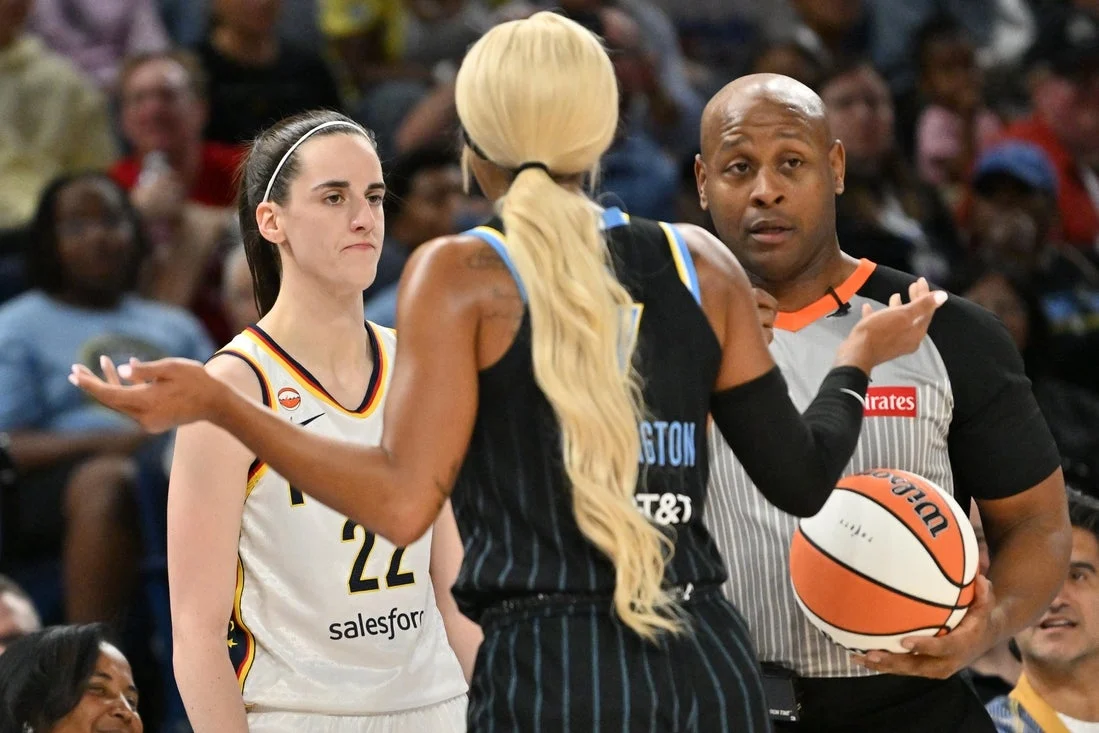
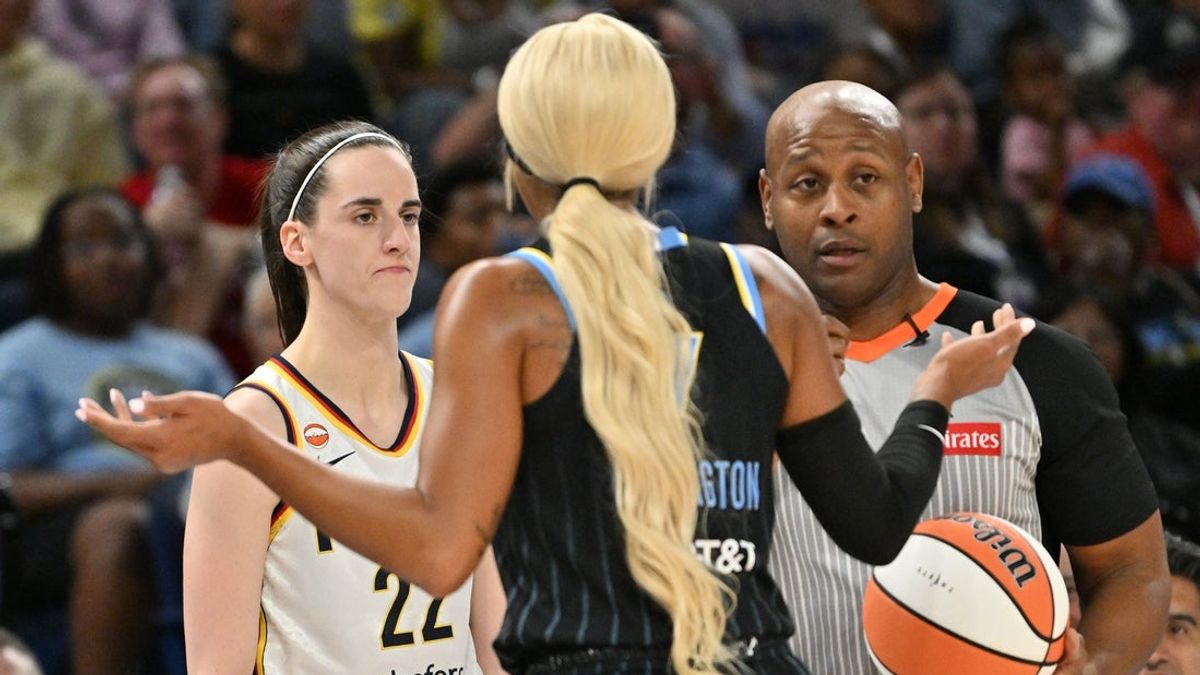
The Indiana Fever’s highly anticipated road matchup against the Chicago Sky on Sunday, August 23, 2026, etched its name into the WNBA record books, captivating an astounding average of 3.31 million viewers on NBC and Peacock. This monumental figure not only represents the most-watched regular-season game in the WNBA since the league’s inception in 1997 but also solidifies its position as the third most-watched regular-season game in the league’s storied history. The electric atmosphere at Wintrust Arena, amplified by the presence of basketball phenomenon Caitlin Clark and the simmering tension between the two franchises, clearly resonated with a massive national audience, underscoring the growing popularity and mainstream appeal of women’s professional basketball.
A New Era of WNBA Popularity
The unprecedented viewership numbers for the Indiana Fever vs. Chicago Sky game signal a significant turning point for the WNBA. This surge in interest is not an isolated incident but rather a culmination of several factors, most notably the electrifying presence of rookie sensation Caitlin Clark. Her collegiate dominance at the University of Iowa, where she shattered scoring records and captivated audiences, translated directly into immediate interest in her professional debut. The Fever, who secured the No. 1 pick in the WNBA Draft through the lottery, strategically selected Clark, anticipating a transformative impact on their franchise and the league as a whole.
The 3.31 million average viewers eclipses all but two regular-season games from the WNBA’s inaugural season. The opening day of the league on June 21, 1997, saw the New York Liberty and Los Angeles Sparks draw a remarkable 5.04 million viewers for their season-opener on NBC. The following day, the Charlotte Sting and Phoenix Mercury matchup garnered 3.59 million viewers, also broadcast on NBC. While these historical benchmarks highlight the initial excitement surrounding the league’s launch, the recent Fever-Sky game demonstrates a sustained and growing appetite for WNBA basketball, reaching a demographic that may not have been as heavily engaged during the league’s nascent stages.
The Rivalry Ignites: Beyond the Box Score
The context surrounding Sunday’s contest added an undeniable layer of intrigue, elevating it beyond a typical regular-season game. The rivalry between the Indiana Fever and the Chicago Sky had already been simmering, fueled by a contentious incident just days prior. On August 8, during a game where the Fever secured a 90-86 victory, Chicago Sky guard-forward DiJonai Carrington was ejected for a Flagrant 2 foul after fouling Indiana’s Sophie Cunningham on a breakaway play. This hard foul, which drew immediate condemnation and sparked debate across sports media, created palpable tension leading into their subsequent encounter.
This history of physical play and the potential for retribution undoubtedly contributed to the heightened anticipation. Fans were not only tuning in to witness Caitlin Clark’s offensive brilliance but also to see how the teams would navigate the lingering animosity. The narrative of a budding rivalry, coupled with the league’s most recognizable star, created a perfect storm for a viewership explosion.
Clark’s Stellar Performance Fuels the Flames
Adding to the spectacle, Caitlin Clark delivered a performance befitting the historic occasion. The dynamic guard poured in a career-best 37 points, including a remarkable eight successful three-pointers, leading the Indiana Fever to a decisive 113-90 victory over the Sky. This offensive outburst not only showcased Clark’s individual talent but also demonstrated her ability to perform under immense pressure and on a national stage. Her efficiency from beyond the arc, a signature of her game, was on full display, further captivating the record-breaking audience.
Clark’s offensive prowess in this game wasn’t just about individual statistics; it was a testament to her impact on the game’s momentum and the Fever’s overall success. Her ability to consistently hit clutch shots and dictate the offensive tempo provided constant entertainment for viewers, reinforcing her status as a generational talent. The synergy between her individual brilliance and the team’s collective effort created a compelling narrative that resonated deeply with fans.
Analyzing the Broader Implications
The record-shattering viewership for this single regular-season game carries significant implications for the WNBA and women’s sports at large. It provides concrete data to support the growing narrative of the league’s increasing popularity and commercial viability.
Increased Sponsorship Opportunities: The massive audience signals a lucrative opportunity for sponsors. Brands looking to align themselves with a growing, engaged, and increasingly diverse fanbase will find the WNBA an attractive proposition. This could lead to increased investment in the league, individual teams, and player endorsements, further fueling financial growth.
Media Rights Value: The surge in viewership will undoubtedly impact future media rights negotiations. As broadcast partners witness the league’s ability to draw such substantial numbers, the value of WNBA media rights is likely to increase significantly. This could lead to more lucrative deals, providing the league with greater financial resources for expansion, player salaries, and infrastructure development.
Player Empowerment and Visibility: Enhanced visibility translates to greater recognition and influence for WNBA players. This can lead to improved earning potential through endorsements, speaking engagements, and other entrepreneurial ventures. The increased attention also provides a platform for players to advocate for social causes and inspire future generations of athletes.
Growth of Women’s Sports: The WNBA’s success story serves as a powerful indicator of the broader trend in the growth of women’s sports. The record-breaking numbers can inspire investment and interest in other women’s professional leagues and collegiate sports, creating a more equitable landscape for female athletes across all disciplines.
Impact on Future Scheduling and Broadcasts: The success of this game may influence how future WNBA games are scheduled and broadcast. Leagues and networks may be more inclined to feature high-profile matchups, particularly those involving star players like Caitlin Clark, during prime-time slots and on major broadcast channels, ensuring wider accessibility and continued audience engagement.
A Timeline of Growing Interest
The journey to this record-breaking viewership has been a gradual but accelerating process. The WNBA, since its inception, has been building its fanbase and improving its product.
- 1997: The league launches with initial fanfare, attracting large audiences for its inaugural games on NBC, setting early benchmarks.
- Early 2000s: The WNBA experiences periods of fluctuating interest, grappling with establishing a consistent national following amidst other major sports.
- Mid-2010s: A new generation of talent emerges, and increased media coverage through digital platforms begins to cultivate a more dedicated fanbase.
- Late 2010s – Early 2020s: Increased focus on player activism, social media engagement, and the rise of stars like Breanna Stewart, A’ja Wilson, and others contributes to growing awareness and viewership.
- 2024-2026: The arrival of Caitlin Clark injects an unprecedented level of mainstream attention into the league. Her record-breaking collegiate career and high-profile draft selection create a surge in ticket sales, merchandise, and media consumption. Regular-season games, particularly those featuring Clark and the Indiana Fever, begin to see significant viewership increases, culminating in the record-setting performance on August 23, 2026.
Looking Ahead: Sustaining Momentum
While the 3.31 million viewers mark is a monumental achievement, the WNBA’s challenge now lies in sustaining this momentum. The league and its stakeholders will need to capitalize on this increased attention by continuing to:
- Invest in Player Development and Marketing: Ensuring a pipeline of exciting talent and effectively marketing the league’s stars will be crucial.
- Enhance Fan Experience: Providing engaging in-arena experiences and accessible digital content will foster long-term loyalty.
- Promote Diversity and Inclusion: The WNBA’s broad appeal across various demographics is a strength that should be continuously highlighted and celebrated.
- Strategic Partnerships: Collaborating with brands and media outlets that align with the league’s values and target audience will be key to sustained growth.
The Indiana Fever’s victory over the Chicago Sky on August 23, 2026, was more than just a game; it was a watershed moment for the WNBA. It demonstrated the league’s capacity to command a massive audience, solidify its place in the mainstream sports landscape, and inspire a new generation of fans. The future of women’s professional basketball appears brighter than ever.



 Yuyun Lusiyani
 Joko Widodo
 Eva Lovia
 Pevita Pearce
 admin
admin
 Lina Irawan