
 Joko Widodo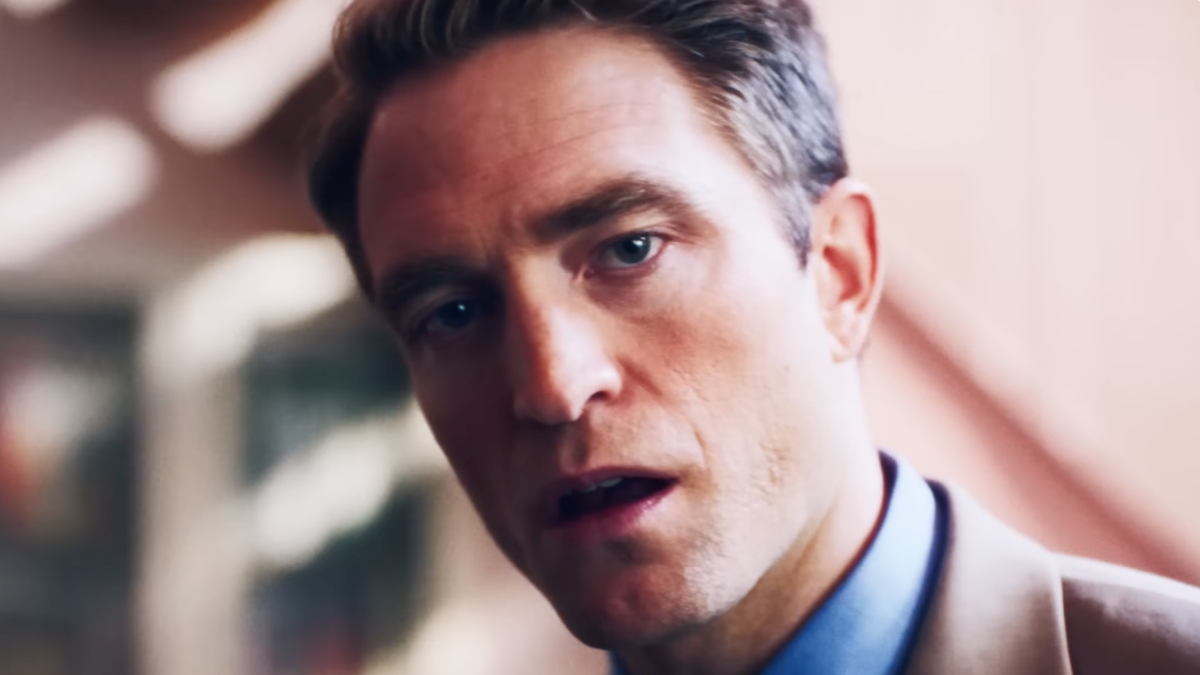
A brewing controversy has emerged surrounding A24’s upcoming biographical drama "Primetime," starring Robert Pattinson as former television host Chris Hansen. The dispute centers on a non-disclosure agreement (NDA) that Hansen was reportedly asked to sign prior to a private screening of the film. Hansen has publicly voiced strong objections to the document, alleging it demands he relinquish rights to his own life story. A24, in turn, contends that Hansen is misrepresenting the situation and omitting crucial details about the standard nature of the agreement. This disagreement casts a shadow over the highly anticipated film’s pre-release narrative.
The Core of the Conflict: A Contentious NDA
The friction between Chris Hansen and the independent studio A24 reportedly began when Hansen was presented with an NDA in anticipation of attending a private screening of "Primetime." The film itself is based on Hansen’s prominent role as the host of the investigative series "To Catch a Predator," a program that gained significant public attention for its efforts to expose individuals engaging in online child solicitation.
According to a report by TMZ, Hansen expressed his dismay over the terms of the NDA. He claimed that the document was drafted in such a way that it would compel him to surrender various rights pertaining to his personal life and experiences. Hansen characterized the studio’s actions as an attempt to "pull a fast one," indicating his belief that A24 was trying to leverage his participation for broader control over his narrative without adequate compensation or consideration for his rights. He stated his refusal to sign the document under these terms.
A critical point of contention appears to be Clause 5 of the alleged NDA. While the exact wording has not been fully disclosed publicly, Hansen indicated that this clause, in his interpretation, would require him to release A24 and its associated parties from any and all claims that could arise in connection with the project. This broad release, he argued, extended beyond the scope of a typical screening agreement and encroached upon his personal autonomy and the potential for future legal or commercial endeavors related to his life.
A24’s Counterpoint: Standard Procedure and Missed Opportunities
Sources close to A24 have offered a contrasting perspective on the situation. These sources suggest that the NDA in question was a standard document, routinely provided to individuals attending private screenings of films, especially those with sensitive subject matter or based on real-life figures. The studio’s representatives reportedly maintain that Hansen received the NDA approximately one week prior to the scheduled screening.
The studio’s account emphasizes that Hansen was not without recourse. He had the option to review the document, consult with legal counsel, and propose modifications or amendments. The expectation, according to the studio’s perspective, was that any concerns would be addressed through negotiation or revision. However, the studio source indicated that Hansen did not submit the document with any proposed changes. Instead, he reportedly arrived at the screening venue with the intention of attending the event without having signed the NDA, which is typically a prerequisite for entry and viewing under such circumstances.
This divergence in accounts suggests a breakdown in communication or a fundamental misunderstanding of expectations. Hansen appears to have viewed the NDA as an overreach, while A24 perceives his refusal to engage in the standard revision process as an unwillingness to adhere to established protocols.
The "Primetime" Phenomenon: Building Anticipation
The dispute over the NDA unfolds against a backdrop of growing public interest in "Primetime." The film, with Robert Pattinson in the lead role, has generated considerable buzz, particularly following the release of its trailer. Early reactions from viewers have been largely positive, with many commending Pattinson’s portrayal of Chris Hansen. The trailer offered glimpses into the intense and often dramatic nature of Hansen’s work on "To Catch a Predator," a show that captivated audiences and sparked national conversations about online safety and child protection.
The film’s narrative is expected to delve into the methodology and impact of Hansen’s investigative techniques, potentially exploring the psychological toll on both the subjects of the investigations and the host himself. The success of Pattinson’s performance is seen as crucial to the film’s overall reception, and early indications suggest he has captured the essence of Hansen’s public persona.
Chronology of Events: A Timeline of the Dispute
While the precise timeline of every interaction is not fully public, the sequence of events leading to the current impasse can be pieced together:
- Pre-Screening Period (Approximately One Week Before): A24 reportedly sends Chris Hansen a standard non-disclosure agreement (NDA) in advance of a private screening of "Primetime."
- Hansen’s Review and Objections: Hansen reviews the NDA and expresses significant reservations about its terms, particularly Clause 5, which he believes infringes upon his rights. He reportedly communicates his refusal to sign the document as is.
- Studio’s Response: A24, through sources, asserts that the NDA is standard and that Hansen had the opportunity to propose revisions or consult legal counsel, which he allegedly did not fully utilize.
- Screening Day: Hansen reportedly arrives at the screening venue intending to gain entry without having signed the NDA. This leads to a confrontation or denial of access, according to various reports.
- Public Statements: Hansen publicly shares his grievances regarding the NDA, framing it as an attempt by A24 to acquire rights to his life. A24, through anonymous sources, counters with their version of events, emphasizing the standard nature of the agreement and Hansen’s lack of engagement in the revision process.
- Current Status: The dispute remains unresolved, with both parties presenting divergent narratives. Hansen is reportedly now required to purchase a ticket if he wishes to view the film.
Broader Implications and Potential Ramifications
The conflict between Chris Hansen and A24 carries several implications, both for the individuals involved and for the broader landscape of biographical filmmaking.
For Chris Hansen: The dispute highlights the delicate balance individuals must strike when their life stories are adapted for the screen. While he may be recognized for his past work, the potential for his narrative to be controlled or misrepresented by a production company is a legitimate concern. His public stance suggests a commitment to protecting his personal brand and legacy. However, his refusal to engage with the standard revision process might be perceived by some as an inflexibility that has led to his current predicament. The requirement to purchase a ticket to see a film about his life, after being denied access due to an NDA dispute, is an ironic twist that underscores the complexities of intellectual property and personal rights in the entertainment industry.
For A24: The studio, known for its critically acclaimed and often unconventional films, faces a public relations challenge. While they assert they followed standard procedure, Hansen’s vocal opposition could generate negative sentiment or skepticism among some segments of the audience. The studio’s ability to navigate this controversy will likely influence how future subjects of their films perceive their approach to collaboration and rights management. The fact that the film is drawing significant attention, partly due to this dispute, could inadvertently serve as a form of publicity, albeit a contentious one.
For Biographical Filmmaking: This incident brings to the forefront the ongoing debate surrounding the rights of individuals whose lives are depicted in films. It raises questions about the extent to which subjects should have creative control or input, especially when the portrayal might be sensitive or controversial. The power dynamics between filmmakers and the subjects of their work are often complex, and NDAs serve as a tool to manage these relationships, but they can also become points of contention when perceived as overly restrictive or exploitative. The case of "Primetime" could serve as a case study for future biographical projects, influencing how studios draft agreements and how subjects approach these collaborations.
Supporting Data and Context:
- "To Catch a Predator" Impact: Chris Hansen’s "To Catch a Predator" aired from 2004 to 2007 and was a groundbreaking series that brought the issue of online child predation into mainstream public consciousness. It featured sting operations where individuals were lured to online "chat rooms" and then confronted by Hansen and law enforcement. The show’s format and its controversial nature sparked debates about entrapment, due process, and the effectiveness of such methods.
- A24’s Reputation: A24 has established itself as a leading independent film studio, known for its distinctive artistic vision and its ability to attract acclaimed talent. Their filmography includes critically lauded movies such as "Moonlight," "Lady Bird," "Everything Everywhere All at Once," and "The Whale." Their reputation for artistic integrity and challenging narratives makes "Primetime" a potentially significant addition to their catalog.
- Robert Pattinson’s Role: Robert Pattinson’s casting as Chris Hansen is notable. Pattinson has evolved from his early career in the "Twilight" saga to become a respected actor known for his versatile performances in films like "The Lighthouse," "Good Time," and "The Batman." His commitment to "Primetime" suggests a desire to tackle complex and potentially controversial characters.
The resolution of this dispute remains uncertain. However, the differing accounts from Chris Hansen and A24 have already added a layer of intrigue to "Primetime," a film that promises to explore a significant and often unsettling chapter in recent cultural history. The ongoing dialogue, or lack thereof, between Hansen and the studio will undoubtedly shape public perception of both the film and the individuals involved.




 Yuyun Lusiyani
 Eva Lovia
 Pevita Pearce
 admin
admin
 Lina Irawan