
 Lina Irawan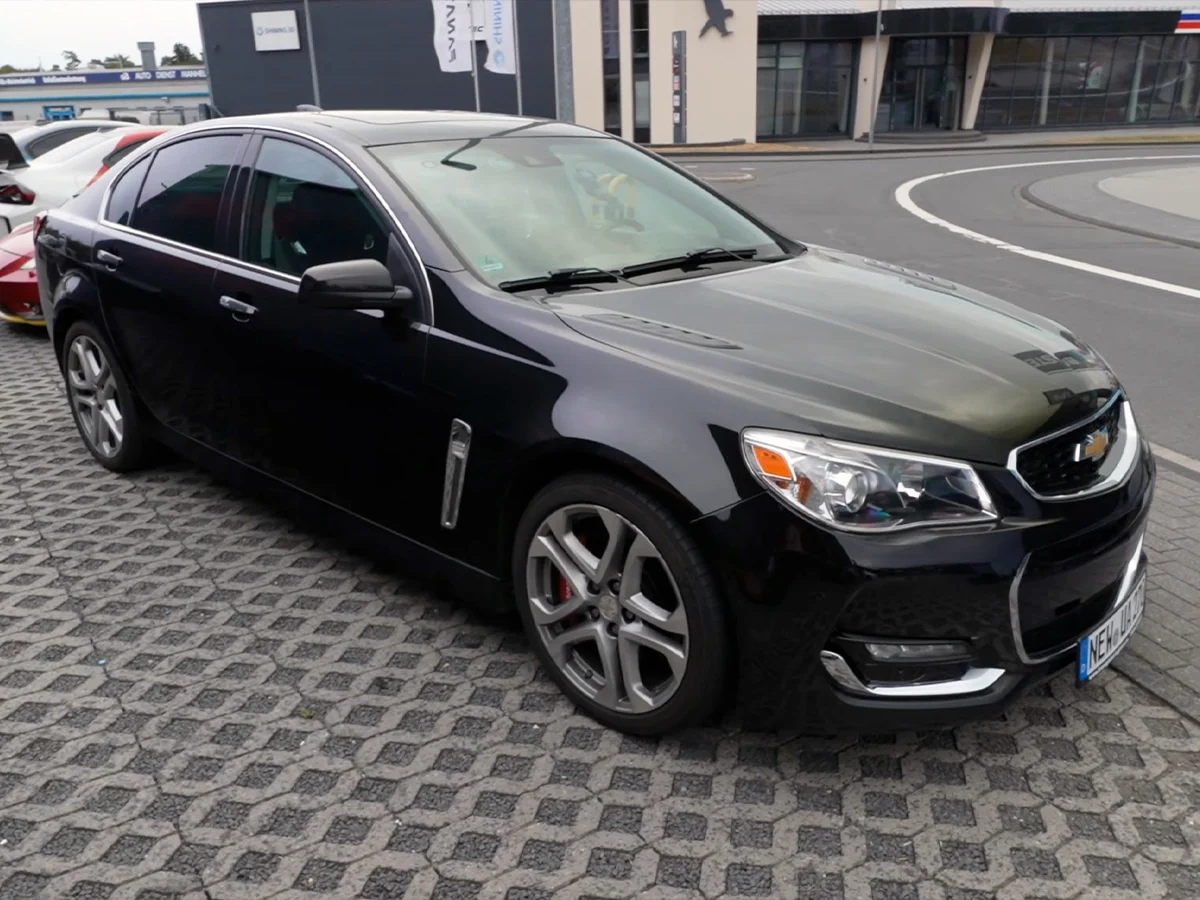
The 2016 Chevrolet SS, an Australian-engineered performance sedan known domestically as the Holden Commodore VF, recently underwent a rigorous evaluation at the Nürburgring Nordschleife under the stewardship of veteran track specialist Misha Charoudin. The test session, conducted on the world’s most demanding permanent circuit, provided a rare European perspective on a vehicle that represents the pinnacle of Australia’s now-defunct domestic automotive manufacturing industry. Despite being equipped with all-season tires and facing the inherent challenges of a heavy four-door chassis, the vehicle demonstrated a level of composure and engagement that surprised seasoned observers, ultimately affirming the global competitiveness of the Holden-developed Zeta platform.
The Pedigree of the Chevrolet SS and the Holden Commodore VF
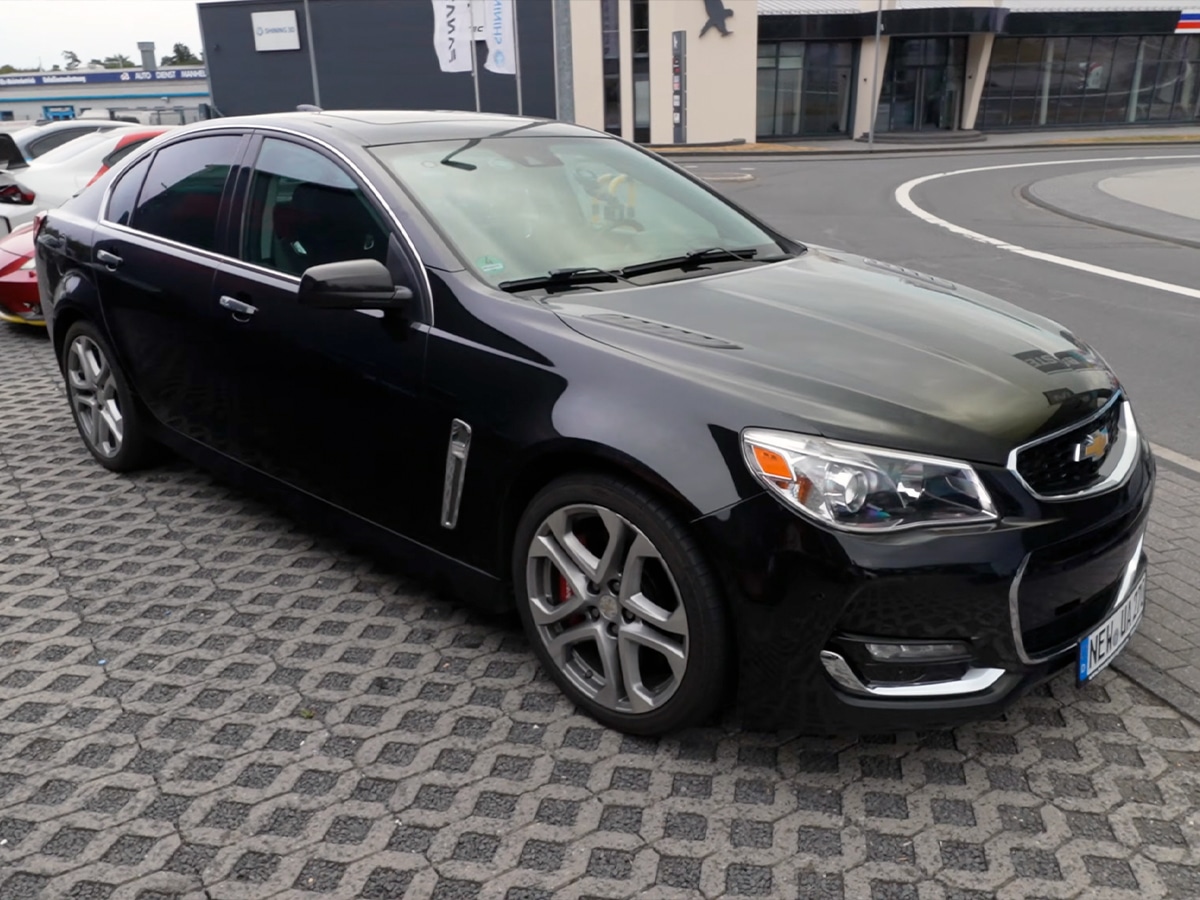
The vehicle tested by Charoudin is a 2016 model year Chevrolet SS, a car with a complex international identity. Manufactured at Holden’s Elizabeth plant in Adelaide, South Australia, the SS was the result of an export program intended to provide General Motors’ North American division with a rear-wheel-drive performance flagship. While it wears the Chevrolet bowtie and is configured for left-hand drive to meet United States and European regulations, the car is fundamentally a Holden Commodore VF Series II.
Underpinning the vehicle is the GM Zeta platform, a chassis architecture developed almost entirely by Holden engineers in Australia at a cost of approximately $1 billion USD. This platform was designed to provide a balance of grand-touring comfort and high-performance handling, eventually serving as the foundation for the fifth-generation Chevrolet Camaro and the Pontiac G8. The specific unit tested in Germany retains the quintessential mechanical heart of the late-model Commodore: the 6.2-liter LS3 V8 engine, a naturally aspirated powerhouse sourced from the Chevrolet Corvette lineage.
Technical Specifications and Performance Modifications
In its factory configuration, the 2016 Chevrolet SS produces 415 horsepower (309 kW) and 415 lb-ft (563 Nm) of torque. This power is delivered exclusively to the rear wheels, a layout that has long defined the Australian "muscle sedan" segment. The vehicle tested by Charoudin, however, featured a selection of targeted aftermarket enhancements designed to optimize the LS3’s breathing and the chassis’s rigidity.
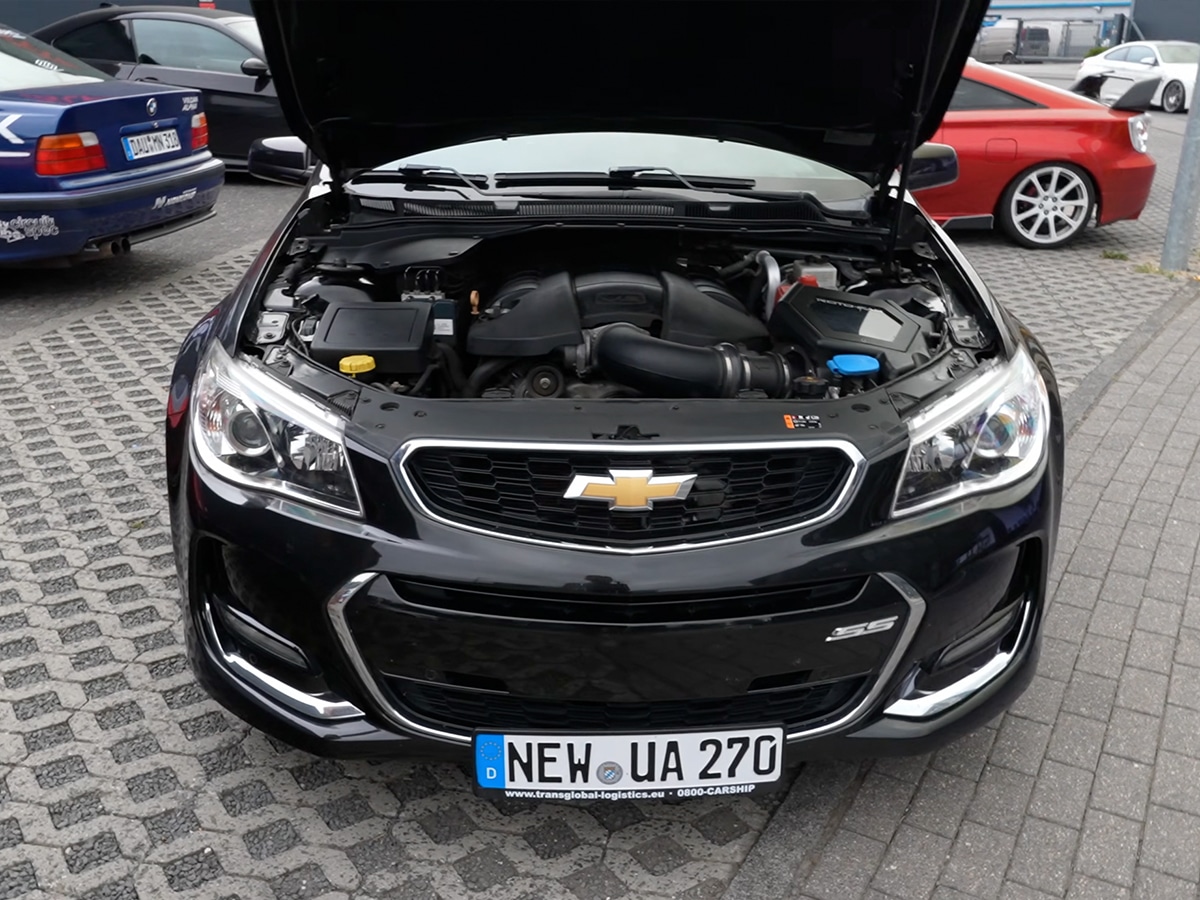
The engine utilizes a RotoFab cold air intake system, which improves airflow compared to the restrictive factory air box. The exhaust system has been significantly upgraded with Kooks two-inch long-tube headers and matching mid-pipes. To maintain a level of civility suitable for German road registration and long-distance driving, the owner opted to retain the factory rear mufflers. This combination results in a sophisticated acoustic profile that emphasizes the V8’s character without exceeding noise ordinances.
To manage the 1,700-kilogram (approximately 3,747 lbs) curb weight, the car utilizes General Motors’ sophisticated Magnetic Ride Control (MRC) dampers. These dampers use magnetorheological fluid to adjust damping rates in milliseconds, allowing the car to transition between a compliant ride and track-ready stiffness. Complementing the MRC system are Whiteline sway bars on both the front and rear axles, featuring adjustable end links at the front to eliminate body roll and sharpen turn-in response.
Chronology of the Nordschleife Test Session
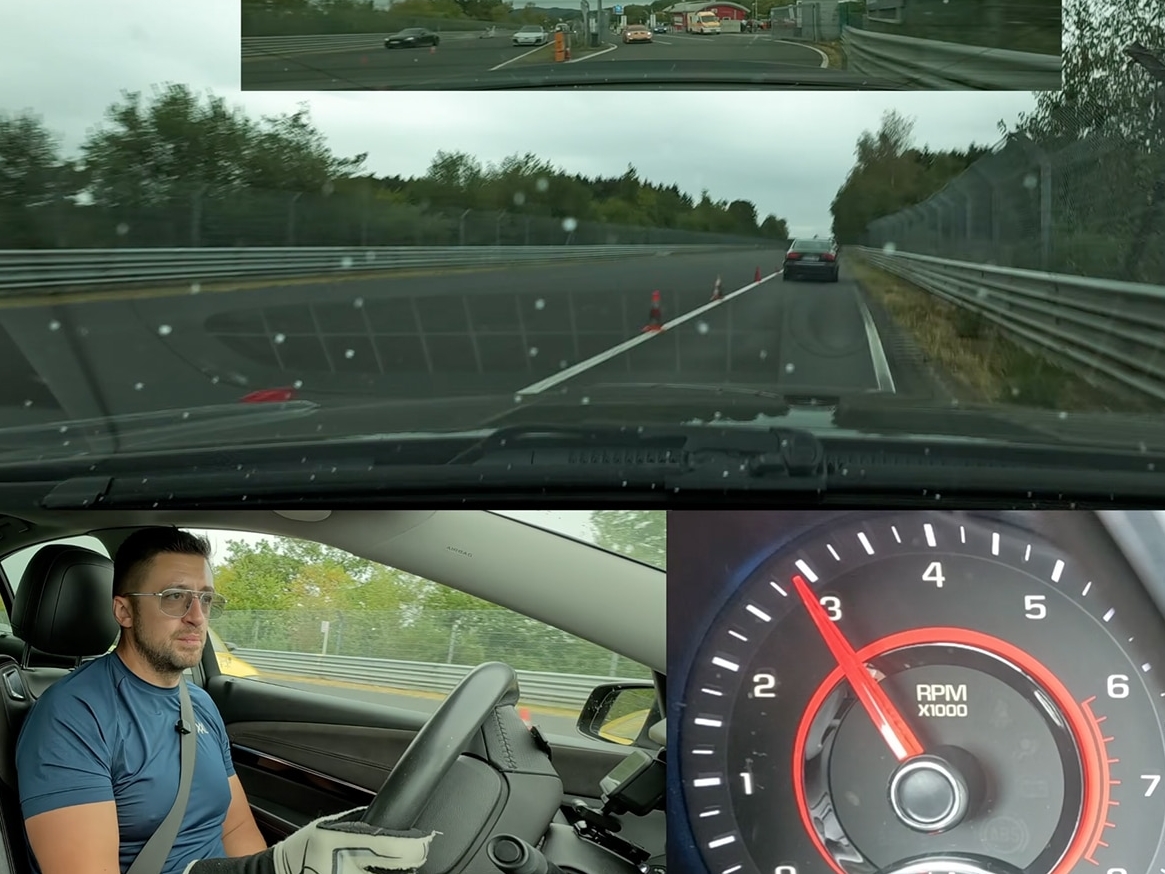
The testing session took place during a public "Touristenfahrten" session, where the track was subjected to varying grip levels. Charoudin’s initial assessment was colored by the vehicle’s choice of rubber: a set of all-season tires. Typically, vehicles of this power level require dedicated summer performance tires or semi-slicks to navigate the Nordschleife’s 154 corners effectively.

Upon entering the circuit, the Chevrolet SS immediately displayed the "tail-happy" characteristics common to high-torque, rear-drive sedans. Charoudin noted that while the all-season tires lacked the ultimate lateral grip of a track-focused tire, they provided a progressive and predictable breakaway at the limit. This allowed the driver to rotate the car using the throttle, a technique that Charoudin described as making the vehicle feel like a "proper drift machine."
As the lap progressed through the high-speed sections of Schwedenkreuz and Fuchsrohre, the Holden-engineered chassis proved its worth. The near 50/50 weight distribution contributed to a neutral balance, though the sheer mass of the vehicle became evident under heavy braking and tight cornering. Charoudin reported that the front end experienced notable understeer when pushed into high-load turns, a phenomenon he attributed largely to the tire compound rather than inherent flaws in the suspension geometry.
Analysis of Mechanical Limits: Braking and Transmission
While the engine and chassis received high marks for engagement, the Nordschleife session exposed the limitations of the car’s secondary systems when subjected to sustained track abuse. The 2016 Chevrolet SS comes standard with a Brembo braking package, featuring four-piston calipers. While the pedal feel remained firm throughout the lap—indicating that the hydraulic system and brake fluid were holding up—the brake pads themselves suffered from thermal saturation.
Charoudin observed that the pads began to "glaze," a process where the friction material overheats and forms a smooth, glassy surface, significantly reducing stopping power. "The brakes were getting tired," Charoudin remarked during the session, noting that the pads were essentially "crying out" under the strain of slowing a 1.7-ton sedan from high speeds.
Furthermore, the vehicle’s six-speed automatic transmission (the GM 6L80) was identified as a weak point in a track environment. Compared to modern dual-clutch transmissions (DCT) or the ubiquitous ZF eight-speed automatics found in European rivals, the 6L80 was described as "lazy." The gearbox mapping struggled to anticipate the rapid downshifts required for the Nürburgring’s technical sectors, often resulting in delayed power delivery upon corner exit. Despite these shortcomings, the powertrain’s reliability remained intact, with no signs of overheating or mechanical distress.
The Broader Impact: A Tribute to Australian Engineering
The performance of the Chevrolet SS at the Nürburgring serves as a poignant reminder of the engineering capabilities that once existed within Australia. For decades, Holden and its rival Ford Australia developed vehicles specifically for the continent’s unique conditions—vast distances, high temperatures, and varied road surfaces. This resulted in a breed of car that was exceptionally robust and dynamically capable.
The VF Commodore, which the Chevrolet SS represents, was the final evolution of this lineage. When production ceased at the Elizabeth plant on October 20, 2017, it marked the end of over 60 years of Holden manufacturing. The closure was part of a broader exodus of the automotive industry from Australia, driven by high manufacturing costs, a small domestic market, and shifting consumer preferences toward SUVs.
The fact that a 2016 model-year Australian sedan can still impress a Nürburgring veteran in 2024 speaks to the "over-engineered" nature of the Zeta platform. In the global enthusiast community, the Chevrolet SS has achieved a cult-like status as a "sleeper"—a car that offers BMW M5-adjacent performance and layout with the maintenance simplicity of a pushrod V8.
Conclusion and Future Outlook
Misha Charoudin’s test of the Chevrolet SS concludes that the vehicle remains one of the most engaging and "controllable" sedans of its era. While it lacks the clinical precision of a modern Porsche or the lightning-fast shifts of a Mercedes-AMG, it offers a visceral, analog driving experience that is increasingly rare in the era of electronic torque vectoring and hybridized powertrains.
For the Australian automotive community, the sight of a "Commo" (even one badged as a Chevrolet) taming the Green Hell is a source of national pride. It validates the work of thousands of engineers and factory workers who contributed to the VF program. As these vehicles become rarer, their value on the secondary market—both in Australia and the United States—continues to rise, cementing their status as modern classics.
The session at the Nürburgring reinforces a bittersweet reality: while Australia no longer produces its own cars, the legacy of its engineering continues to hold its own against the best in the world, one lap at a time. The Chevrolet SS did not just survive the Nordschleife; it proved that the Australian muscle sedan was, and remains, a world-class contender.



 Yuyun Lusiyani
 Joko Widodo
 Jia Lissa
 Pevita Pearce
 admin
admin
