Yuyun Lusiyani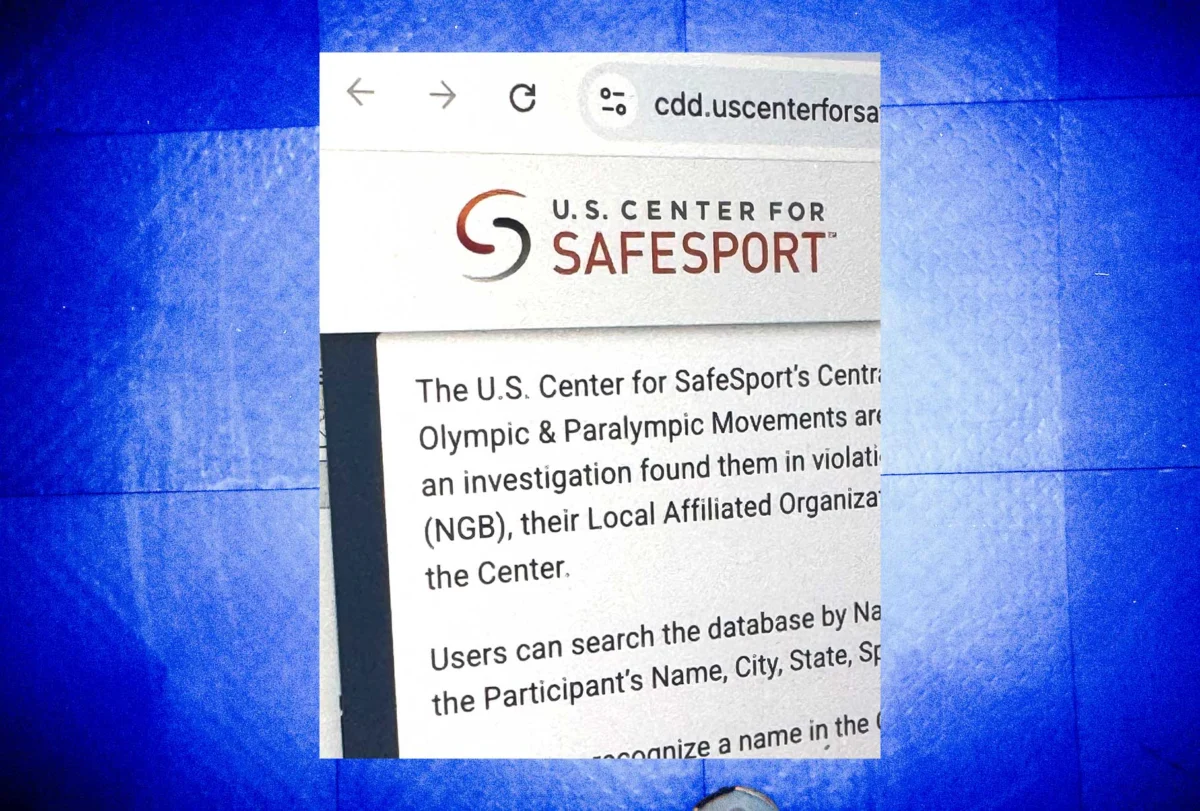
For parents nationwide, the intricate system designed to safeguard children in youth sports remains largely opaque, a critical information gap that investigative journalism has consistently brought to light. Having spoken with dozens of parents – some whose children endured victimization by coaches, others desperately seeking preventative knowledge – a recurring theme emerges: a profound lack of accessible information regarding the protective mechanisms in place. This investigative overview aims to demystify the U.S. Center for SafeSport, the linchpin of athlete protection, while acknowledging its triumphs, limitations, and the ongoing challenges in ensuring the safety of millions of young participants.
The Genesis of SafeSport: A Response to Crisis
The establishment of the U.S. Center for SafeSport in 2018 was not merely an administrative decision but a direct, legislative response to a national reckoning with widespread sexual abuse within sports. The horrifying revelations surrounding Larry Nassar, the former USA Gymnastics team doctor who victimized hundreds of young athletes, alongside other high-profile cases across various sports, ignited a powerful public outcry. This crisis exposed profound systemic failures within national sports governing bodies (NGBs) and the U.S. Olympic and Paralympic Committee (USOPC), highlighting a culture of silence, complicity, and inadequate oversight.
Congress, recognizing the urgent need for a centralized, independent authority, passed the Protecting Young Victims from Sexual Abuse and Safe Sport Authorization Act of 2017. This landmark legislation mandated the creation of SafeSport, tasking it with the monumental responsibility of developing national policies, procedures, and training to prevent abuse, and crucially, to serve as the exclusive investigative and disciplinary body for sexual abuse, harassment, and other forms of misconduct within the U.S. Olympic and Paralympic Movement. The intent was clear: to remove the power of investigation and adjudication from individual NGBs, which often faced conflicts of interest, and place it in the hands of an independent entity focused solely on athlete safety.
SafeSport’s Mandate and Operational Framework
At its core, SafeSport is charged with investigating allegations of abuse at all levels of sport, from elite Olympic athletes to young recreational players. While its primary focus is sexual abuse, its jurisdiction extends to allegations of emotional and physical abuse as well. This expansive mandate underscores the comprehensive nature of the protection it aims to provide, covering the spectrum of harms that can be inflicted upon athletes.
Jurisdiction and Scope: SafeSport’s authority extends exclusively to the country’s 50 national sports governing bodies, which oversee and set rules for Olympic and Paralympic sports such as swimming, gymnastics, track and field, volleyball, basketball, and soccer. These NGBs, in turn, are themselves overseen by the U.S. Olympic and Paralympic Committee. This framework legally binds millions of young athletes to SafeSport’s protective umbrella. However, a significant gap exists: millions more young athletes participate in sports programs, clubs, and leagues that do not fall under the direct jurisdiction of these NGBs, or are only partially covered. This creates a patchwork system where protection can vary wildly, leaving many vulnerable. For example, local recreational leagues or school sports programs not affiliated with an NGB might not be directly subject to SafeSport’s rules, although some may voluntarily adopt its standards.
The Reporting Mechanism: Anyone can make a report to SafeSport, either online or by phone. Crucially, coaches and club administrators operating under NGBs are legally mandated reporters, meaning they are required to report any suspected misconduct to SafeSport. This dual approach—empowering individuals while mandating professionals—aims to cast a wide net for potential allegations.
Investigation and Sanctioning Process: Upon receiving a report, SafeSport assesses the information to determine whether to initiate a formal investigation; it does not pursue every single case. If an investigation commences, coaches can typically continue working with children unless the allegations are recent or severe. In such instances, SafeSport has the power to issue an immediate temporary suspension, placing the coach on the public SafeSport list while the investigation proceeds. This interim measure is designed to protect athletes from potential ongoing harm. If the investigation concludes that misconduct did not occur, the coach is removed from the list. However, if allegations are substantiated, SafeSport can issue a range of sanctions, from suspensions and other restrictions to permanent bans, declaring individuals "permanently ineligible." Furthermore, criminal convictions involving the abuse of minors can automatically trigger a ban.
The SafeSport List: A Public Database: The SafeSport list serves as a critical public database, recording the names of individuals who have been temporarily suspended or permanently banned. This list is intended to be a vital tool for parents and sports organizations to vet coaches and ensure that known abusers are not simply moving from one club to another. Its public accessibility is a cornerstone of transparency and accountability, allowing stakeholders to make informed decisions about who they entrust with their children.
Beyond Investigations: Training and Prevention
SafeSport’s mandate extends beyond reactive investigations to proactive prevention through comprehensive training and policy development. The center develops and mandates training programs for coaches, administrators, and other adults involved in NGB-affiliated sports. These programs are designed to equip adults with the knowledge to recognize and report sexual abuse, understand grooming behaviors, and implement safe coaching practices. Key elements include the "Minor Athlete Abuse Prevention Policies" (MAAPP), which enforce strict rules governing adult-minor interactions, such as prohibiting one-on-one interactions in private settings, requiring chaperones, and regulating electronic communications.
While athletes over 18 are required to take this training, optional courses are provided for younger children, and crucially, for parents. The importance of parental participation in this training cannot be overstated. Understanding how to recognize patterns that coaches and other adults use to groom and abuse children is an essential defense mechanism. A poignant anecdote from investigative reporting highlights this: a mother whose daughter was allegedly groomed by a volleyball coach recounted that upon watching a SafeSport training video with her 18-year-old daughter, she realized, "Had we watched this earlier, my kid might have been more open to be like, ‘Mom, my coach made a comment about my butt.’ ‘Mom, he sent me a message to my phone.’" This illustrates how education can empower both parents and children to identify and report concerning behaviors much sooner.
Challenges and Criticisms of SafeSport
Despite its vital mission, SafeSport has faced significant scrutiny and criticism since its inception. Early on, the organization struggled with operational issues, leading to a reputation as being "underfunded and understaffed." This resulted in a substantial backlog of unresolved complaints, causing distress for victims awaiting justice and for accused individuals seeking resolution. Critics also questioned the thoroughness of investigations, with allegations that some cases were closed prematurely or without adequate inquiry. For instance, reports from outlets like ESPN and The Washington Post have detailed instances where SafeSport’s processes were deemed insufficient, fueling public concern about its effectiveness as a watchdog.
SafeSport has acknowledged these early challenges. Under new leadership, including Olympic gold medalist Benita Fitzgerald Mosley as CEO, the organization has stated its commitment to improvement. In a recent statement, Mosley affirmed that SafeSport "acknowledges the challenges we have met as the first national sport safeguarding organization in the world. We are on surer footing today." The center claims to have implemented process improvements to resolve cases more quickly and reduce its backlog, striving for greater efficiency and accountability.
However, investigative reporting, including my own, continues to uncover persistent gaps in the system and failures by both SafeSport and national governing bodies. These shortcomings often put young athletes at continued risk, particularly when banned coaches exploit jurisdictional loopholes to move to non-covered organizations. The public database, while valuable, is only effective if organizations consistently check it and if the individual’s activity falls within SafeSport’s jurisdiction.
Impact and Implications
The implications of SafeSport’s effectiveness, or lack thereof, are far-reaching. For athletes, a truly safe environment is paramount for physical, emotional, and psychological development. Abuse can lead to severe, long-lasting trauma, impacting their relationship with sports, their self-esteem, and their ability to trust. For parents, the burden of vigilance in a complex and often confusing system adds immense stress. The absence of clear, accessible information can leave them feeling disempowered and unable to adequately protect their children.
For sports organizations, the stakes are equally high. Beyond the ethical imperative to protect children, there are significant legal and reputational risks associated with mishandling abuse allegations. Robust internal policies that go beyond SafeSport’s minimums, coupled with diligent enforcement, are crucial for fostering a culture of safety and maintaining public trust. The broader societal impact involves a necessary cultural shift towards greater accountability in all youth-serving organizations, ensuring that child protection is prioritized above competitive success or organizational reputation.
Empowering Parents and Communities: What Can Be Done?
In light of these complexities, proactive measures by parents and communities are essential.
- Inquire About Affiliation: The first step for any parent is to ask their child’s club or team whether it operates under a national governing body that is legally bound by SafeSport, or if it voluntarily adheres to the SafeSport list and its policies. This distinction is crucial, as it determines the level of external oversight.
- Verify Compliance and Enforcement: Even if an organization is affiliated, parents should not assume automatic compliance. Investigative findings have documented instances where organizations failed to regularly check the SafeSport list or enforce bans. Parents should actively utilize the public SafeSport list to verify the eligibility of coaches and staff. This requires vigilance, but it is a direct way to cross-reference information.
- Engage in Training and Education: Parents are strongly encouraged to take SafeSport’s optional training courses. Understanding the signs of grooming, the tactics predators use, and the importance of open communication with children can significantly enhance a child’s safety. Equip children with the language and confidence to report uncomfortable interactions.
- Foster Open Communication: Create an environment where children feel safe and comfortable discussing any uncomfortable or inappropriate interactions they experience. Reassure them that they will be believed and supported.
- Know How to Report: Understand the process for reporting misconduct to SafeSport. Timely and accurate reporting is critical for initiating investigations and protecting other children.
Sharing Your Story: An Ongoing Investigation
These are profoundly sensitive topics, often difficult to discuss, but the stories of those impacted are vital to improving the system. If you have insights gleaned from the SafeSport database, or if you have experiences with how youth sports organizations have handled abuse allegations – whether positive or negative – your perspective is invaluable. We are particularly interested in hearing about challenges in accessing the SafeSport database, instances where banned coaches continued to work with children in non-NGB settings, or any other systemic gaps you have identified. We take your privacy seriously and will contact you directly if we wish to publish any part of your story, ensuring your comfort and consent throughout the process. Your contribution helps shine a light on these critical issues, driving further accountability and ultimately contributing to a safer environment for all young athletes.


 Jia Lissa
 Pevita Pearce
 Lina Irawan
 Joko Widodo