
 Joko Widodo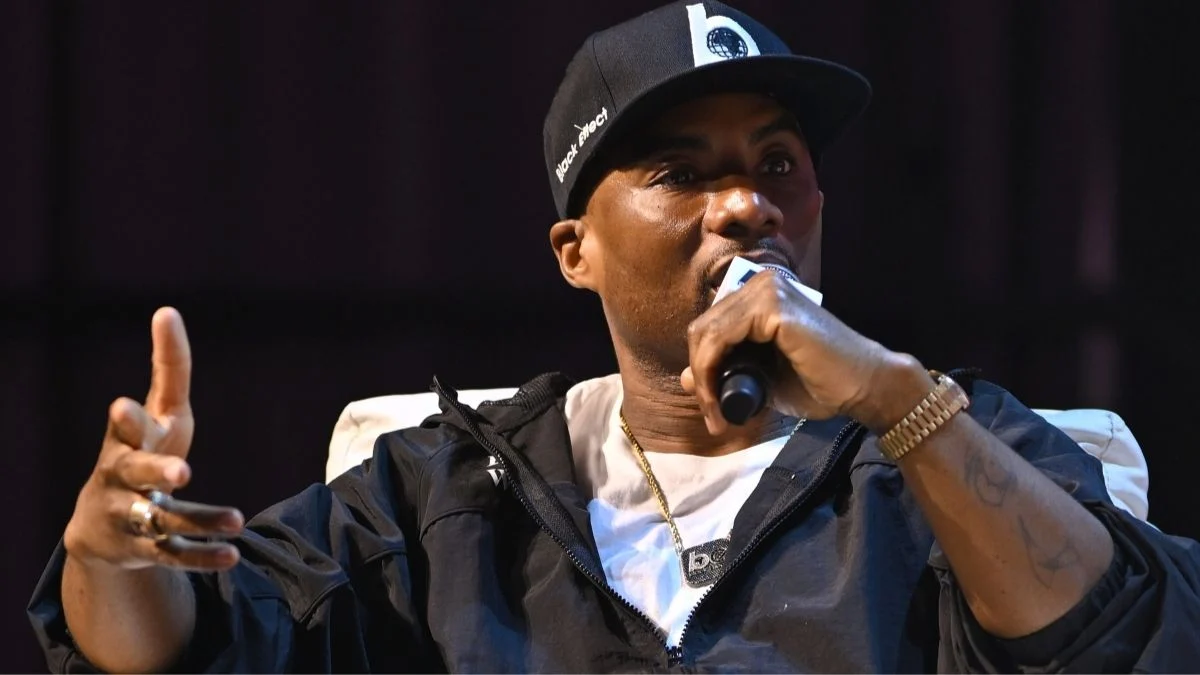
The news of country music icon and philanthropist Dolly Parton’s death at the age of 80 on August 25th sent ripples of grief across the nation and the entertainment industry. Following a brief battle with cancer, Parton, affectionately known as the "Queen of Country," departed her earthly life at Vanderbilt-Ingram Cancer Center, surrounded by loved ones. In the immediate aftermath of her passing, a deluge of tributes began to pour in from celebrities and fans alike. However, radio host Charlamagne Tha God, a prominent voice in popular culture commentary, voiced his discontent with the nature of some of these public expressions of mourning, suggesting a trend towards self-centered remembrance rather than a genuine celebration of Parton’s monumental life and legacy.
Charlamagne Tha God Expresses Frustration with Self-Referential Tributes
On the Wednesday episode of the widely popular radio show "The Breakfast Club," Charlamagne Tha God articulated his exasperation with what he perceived as a pervasive tendency for individuals to center deceased public figures’ deaths around their personal interactions with the deceased. "I’m sick of people making people’s death about them," the 48-year-old host stated emphatically. "It’s all about the interaction you had with the person as opposed to celebrating the person and their life." This sentiment suggests a concern that the focus of many tributes was shifting from honoring Dolly Parton’s contributions and impact to highlighting the mourner’s own connection, however tangential, to the legendary artist.
Co-host Loren LoRosa offered a counterpoint, acknowledging Charlamagne’s perspective while proposing an alternative interpretation. "I can understand what you’re saying," she explained, "But what if [a reaction like that] is to show the character of the person that people might not always know? Because I’ve never interacted with Dolly Parton." LoRosa’s suggestion implies that for those who did not have a personal relationship with Parton, sharing anecdotes might be their way of understanding and conveying the warmth and impact she had on individuals, thereby offering a more intimate glimpse into her character for a broader audience.
Charlamagne, however, maintained his stance, pointing out that personal interaction was not a prerequisite for appreciating Parton’s profound influence. He admitted to never having met Parton himself but underscored his awareness of her extensive philanthropic endeavors, particularly within Nashville. "I’ve never interacted with her either, but I’m very aware of all the charity work she did, especially in and around Nashville," he stated. This highlights his belief that Parton’s charitable contributions and cultural significance were so widely recognized and impactful that they transcended the need for personal acquaintance to warrant genuine public admiration.
Dolly Parton’s Enduring Legacy: A Beacon of Generosity and Talent
Dolly Parton’s passing marked the end of an era for country music and for the broader landscape of American culture. Her career, spanning over six decades, was characterized by unparalleled songwriting prowess, a distinctive vocal style, and an infectious personality that endeared her to millions. Beyond her musical achievements, which include over 100 million records sold worldwide, 25 number-one singles on the Billboard Hot Country Songs chart, and an Academy Award nomination for "9 to 5," Parton established herself as a formidable philanthropist.
Her most notable initiative, the Dollywood Foundation’s Imagination Library, founded in 1995, has become a cornerstone of early childhood literacy. The program mails free, high-quality books to children from birth to age five in participating communities across the United States, Canada, the United Kingdom, Australia, and Ireland. As of its most recent reports, the Imagination Library has distributed over 150 million books globally, a testament to Parton’s unwavering commitment to fostering a love of reading and providing educational opportunities from the earliest stages of life. This initiative alone underscores her dedication to improving the lives of children and families, a legacy that extends far beyond the entertainment realm.
The Broader Context of Celebrity Mourning
Charlamagne Tha God’s critique taps into a broader societal discussion about how public figures are remembered and memorialized in the digital age. The ubiquity of social media platforms has amplified the speed and reach of tributes, allowing for near-instantaneous public reactions. While this immediacy can foster a sense of collective grief and shared remembrance, it also opens the door to what some perceive as performative displays of sadness or a rush to claim a personal connection.
The nature of these tributes can be analyzed through the lens of social psychology and media studies. In times of loss, individuals often seek to process their emotions and connect with others who share similar feelings. For celebrities, this can manifest in sharing personal anecdotes, photographs, or heartfelt messages. However, when these expressions become overly focused on the individual’s relationship with the deceased, rather than on celebrating the deceased’s life and impact, it can detract from the collective act of honoring their memory.
Chronology of Events and Reactions
August 25th: News of Dolly Parton’s passing is officially announced by her team, stating she "departed her Earthly life" at Vanderbilt-Ingram Cancer Center with loved ones present, following a brief battle with cancer. Her age is reported as 80.
Following August 25th: Tributes begin to flood social media and news outlets from a wide array of celebrities, musicians, actors, and public figures, expressing their sorrow and sharing memories of Parton.
August 27th (or shortly thereafter): Charlamagne Tha God, during an episode of "The Breakfast Club," voices his critique of the prevalent style of celebrity tributes, arguing that some are too focused on personal interactions rather than celebrating the deceased’s life. Co-host Loren LoRosa offers a differing perspective on the intent behind such personal anecdotes.
Throughout the period: The Dollywood Foundation’s Imagination Library, a key philanthropic initiative of Dolly Parton, receives renewed attention and encourages donations in lieu of flowers, as per her family’s wishes.
Official Family Statements and Funeral Arrangements
Following Dolly Parton’s death, her family released a statement confirming her passing and expressing their profound grief. They announced that a private service would be held. In a touching tribute to her lifelong dedication to literacy, the family encouraged fans and well-wishers to honor Parton’s memory by making donations to her Imagination Library program. This request underscored her enduring commitment to childhood education and her desire to continue impacting lives through her foundational work. The official announcement highlighted the program’s mission: "to inspire children to love books and to love learning," a mission that continues to thrive in her absence. The family’s directive shifted the focus of public remembrance from material gestures to a tangible contribution towards her most cherished cause.
Broader Implications and Analysis
Charlamagne Tha God’s commentary, while critical, serves as a valuable point of reflection for how society engages with the deaths of prominent figures. In an era saturated with constant online interaction, the lines between genuine mourning and performative sentiment can become blurred. His remarks prompt a consideration of what constitutes a truly meaningful tribute: is it the recounting of a personal encounter, or the recognition and amplification of the deceased’s broader contributions and impact?
The debate also touches upon the diverse ways individuals connect with and remember public figures. For some, a personal anecdote might be the most authentic way to express their grief and honor the deceased’s humanity. For others, like Charlamagne, the focus should remain on the public’s shared understanding of the individual’s achievements and legacy. The challenge lies in finding a balance that allows for both personal expression and collective remembrance of the departed’s significant contributions.
Dolly Parton’s life and career offer a rich tapestry of achievements that transcend typical celebrity narratives. Her ability to connect with audiences across generations, her entrepreneurial spirit, and her deeply ingrained philanthropy have cemented her place in cultural history. As the world continues to mourn her loss, the conversations sparked by figures like Charlamagne Tha God serve as a reminder to engage with these moments of collective grief thoughtfully, ensuring that the focus remains on celebrating the extraordinary lives and enduring legacies of those we have lost. The true measure of remembrance, perhaps, lies not just in the words spoken, but in the continued impact of the life being honored.



 Yuyun Lusiyani
 Eva Lovia
 Pevita Pearce
 admin
admin
 Lina Irawan