
 Eva Lovia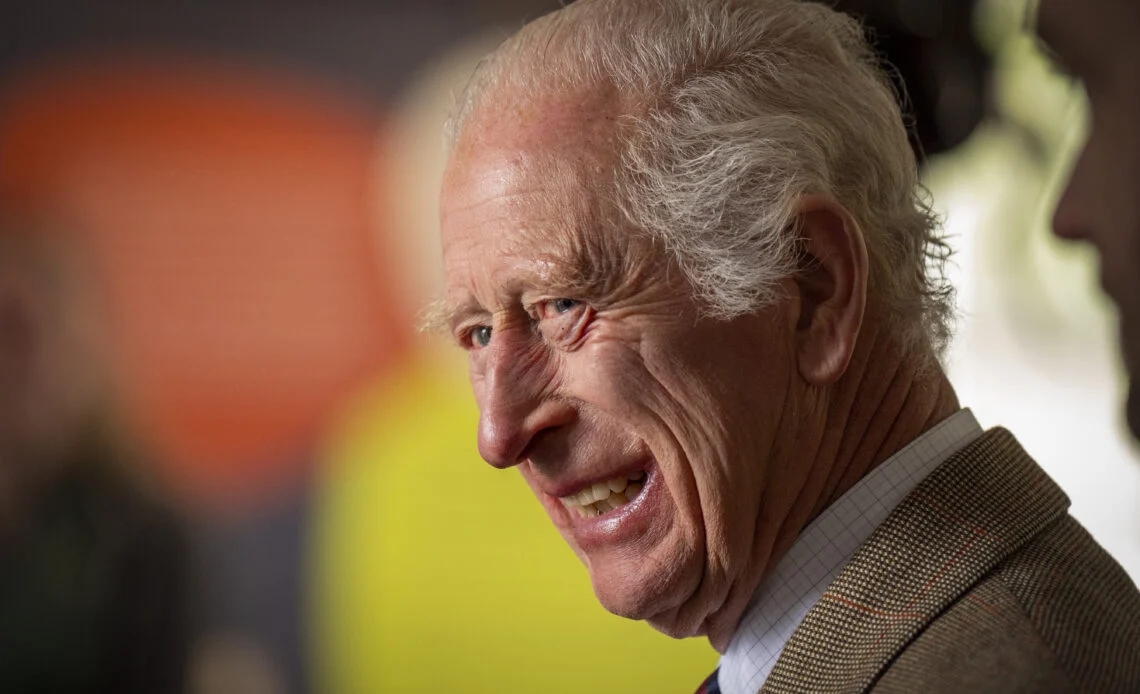
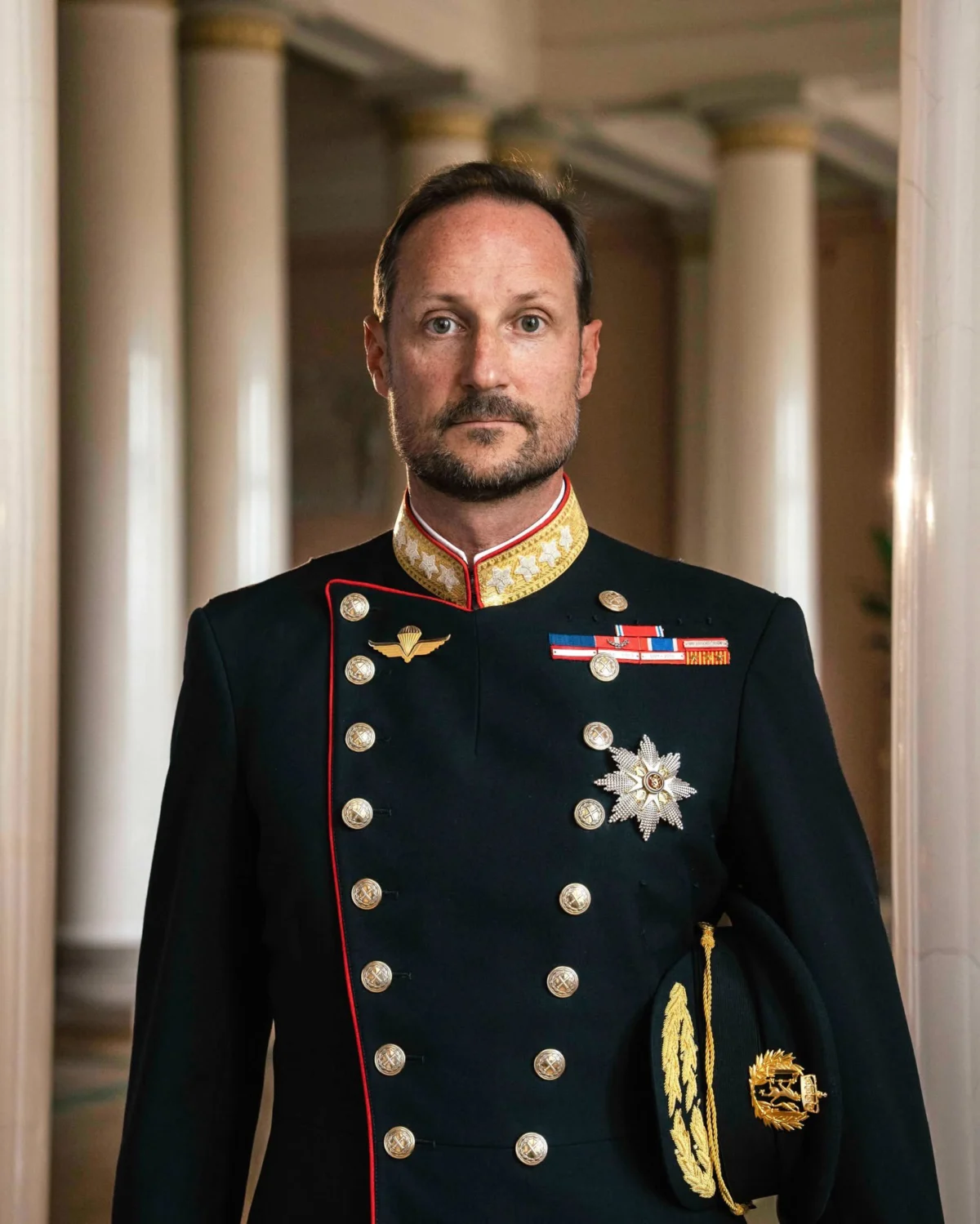
The passing of King Harald V of Norway on August 28th marks a significant moment in European royalty, not only signifying the end of a 35-year reign but also ushering in a new era with Crown Prince Haakon ascending to the throne. This transition is steeped in a rich and enduring historical tapestry, intricately weaving together the royal houses of Norway and the United Kingdom. The close familial ties, stretching back over a millennium to the Viking age, have evolved into a modern-day relationship characterized by shared heritage and mutual respect, a stark contrast to the martial ambitions of their ancient ancestors. King Harald V’s son, the newly crowned King Haakon, and His Majesty King Charles III of the United Kingdom, are third cousins, a testament to the enduring dynastic connections that have shaped the continent’s royal families.
A Legacy of Shared Bloodlines
The intricate lineage connecting the Norwegian and British royal families can be traced back to King Edward VII and Queen Alexandra of the United Kingdom. These esteemed monarchs served as the great-great-grandparents to both the late King Harald V of Norway and the current King Charles III of the United Kingdom. Their extensive family tree, a testament to the intermarriages common among European royalty, played a pivotal role in shaping the succession of both nations.
King Edward VII and Queen Alexandra were blessed with six children. Among them was Princess Maud, who would become a central figure in the re-establishment of the Norwegian monarchy. Princess Maud married Prince Carl of Denmark, a union that, while initially a personal alliance, would soon carry significant political weight. This marriage was particularly significant as Queen Alexandra herself was born a Danish princess, further solidifying the Nordic connections within the British royal family.
The year 1905 proved to be a watershed moment for Norway. Having recently gained its independence, the nation sought to establish its own monarchy. In a pivotal decision, a Norwegian delegation extended an invitation to Prince Carl of Denmark to become their king. He accepted, adopting the regnal name Haakon VII, and his wife, Princess Maud, consequently became Queen of Norway. This choice was influenced by two key factors: Prince Carl’s marriage to Princess Maud, the daughter of the British King Edward VII, and the couple’s existing heir, Prince Alexander, who was subsequently renamed Olav. This strategic selection ensured a clear line of succession and maintained a familial link to a prominent European monarchy.
The Norwegian Royal Family’s British Connections
The early years of the Norwegian monarchy were marked by a strong presence in Britain. King Haakon VII and Queen Maud primarily resided in England before officially relocating to Norway. Queen Maud maintained a significant personal connection to her homeland, retaining her British residence at Appleton House until her passing in 1938. This continued presence underscored the deep-seated ties that bound the Norwegian royal family to the United Kingdom.
Even after moving to Norway, Queen Maud continued to nurture her connections to Britain, often visiting during the winter months. These familial bonds proved invaluable during one of the most tumultuous periods in modern history. When Norway was occupied during World War II, King Haakon VII and his son, Crown Prince Olav, sought refuge in London. This period of exile highlighted the sanctuary and support offered by their British relatives.
The connection to Britain was further deepened by King Olav V himself. Born at Appleton House, the very same estate his mother had retained, he later pursued his studies at Oxford University. This formative experience in Britain instilled in him a profound understanding and appreciation of British culture and institutions, reinforcing the familial and cultural bridges between the two nations.
Crown Prince Olav married Swedish Princess Märtha, who became Crown Princess of Norway. Tragically, Crown Princess Märtha passed away before she could ascend to the throne as Queen. However, her legacy lived on through her three children: the present King Harald V, and his sisters, Princess Astrid and Princess Ragnhild. Their upbringing and the continuation of the royal line were thus deeply influenced by the familial and historical context established by their predecessors.
The British Royal Family’s Norwegian Links
Concurrently, within the United Kingdom, the lineage descended from King Edward VII and Queen Alexandra also played a crucial role in shaping the British monarchy. Following his father’s death, George V ascended to the British throne, serving as the brother of Queen Maud of Norway. This shared parentage meant that King George V and Queen Maud were siblings, further entrenching the familial connection.
King George V married Mary of Teck, and their union produced six children. Their second son, who would later become King George VI, was a first cousin to King Olav V of Norway. This generation solidified the close relationship, with shared family events and mutual support becoming commonplace. King George VI, in turn, is the grandfather of the current British monarch, King Charles III.
The interwoven nature of these royal lines was further exemplified by the christening of Prince Charles. Born in 1948, three years after King Haakon VII’s return to Norway following the Second World War, the young prince was named after his maternal grandmother’s favorite uncle, Prince Carl, who was none other than King Haakon VII of Norway. This poignant choice underscored the enduring strength of the relationship, with King Haakon VII of Norway serving as an honored godfather to the then-Prince Charles.
A Continuous Thread of Succession
King Haakon VII’s reign concluded with his death in 1957, at which point his son, Olav, ascended to the throne as King Olav V. During King Olav V’s reign, a significant event occurred in 1973: his heir, Harald, welcomed the birth of his own son, whom he and his wife, Queen Sonja, named Haakon. This act of naming the child after the founding monarch of modern Norway was a clear nod to the deep historical and familial legacy.
King Harald V assumed the throne upon the death of his father, King Olav V, in 1991. His reign of 35 years was characterized by stability and a continuation of the strong traditions established by his ancestors. His passing on August 28th marked the end of an era and the seamless transition of power to his son, Crown Prince Haakon.
The succession of Crown Prince Haakon to the Norwegian throne means that Europe now boasts two monarchs named after the first king of modern Norway: King Haakon VII and the newly crowned King Haakon. This remarkable continuity in naming reflects a profound respect for history and lineage. Furthermore, it highlights the unique position of these two European monarchs as not only third cousins but also as friends, forged through generations of shared family history and mutual understanding. The recent transition, therefore, represents a full circle of history, where ancient ties are not only maintained but celebrated through the continuation of royal dynasties and enduring alliances.
Broader Impact and Implications
The smooth succession in Norway, a constitutional monarchy, reinforces the stability and continuity of the nation’s governance. The deeply ingrained respect for the royal family, a sentiment nurtured over centuries and amplified by their historical connections to influential European powers like the United Kingdom, ensures a continued sense of national identity and pride.
The close relationship between the Norwegian and British royal houses, as evidenced by the shared ancestry and familial bonds, serves as a unique form of diplomatic soft power. These personal connections facilitate understanding and cooperation on a multitude of levels, extending beyond formal state relations. In an increasingly complex geopolitical landscape, such enduring familial alliances can provide a stable foundation for dialogue and collaboration.
The fact that the new King Haakon and King Charles III are third cousins and friends underscores the personal dimension of these royal relationships. Such relationships can foster a more informal and potentially more effective channel for communication and mutual support between their respective nations. This personal diplomacy, rooted in shared history and family, offers a valuable, albeit often understated, element in international relations.
Furthermore, the continuation of the monarchy in Norway, with a new generation taking the reins, signifies the enduring relevance of this form of governance in the 21st century. While some nations have moved towards republicanism, countries like Norway have demonstrated the capacity for their monarchies to adapt and remain integral to national identity and continuity. The succession of King Haakon, therefore, is not just a domestic event but also a testament to the resilience and adaptability of European monarchies in the modern era. The historical narrative woven through these royal families serves as a powerful reminder of the deep roots that bind European nations, offering a sense of shared heritage and a foundation for future cooperation.



 Joko Widodo
 admin
admin
 Nila Kartika Wati
 Lina Irawan
 Pevita Pearce